

When weight loss becomes easy, thinness becomes the expectation
India is not only preparing to adopt a new treatment. It may be preparing to adopt a new standard of beauty.
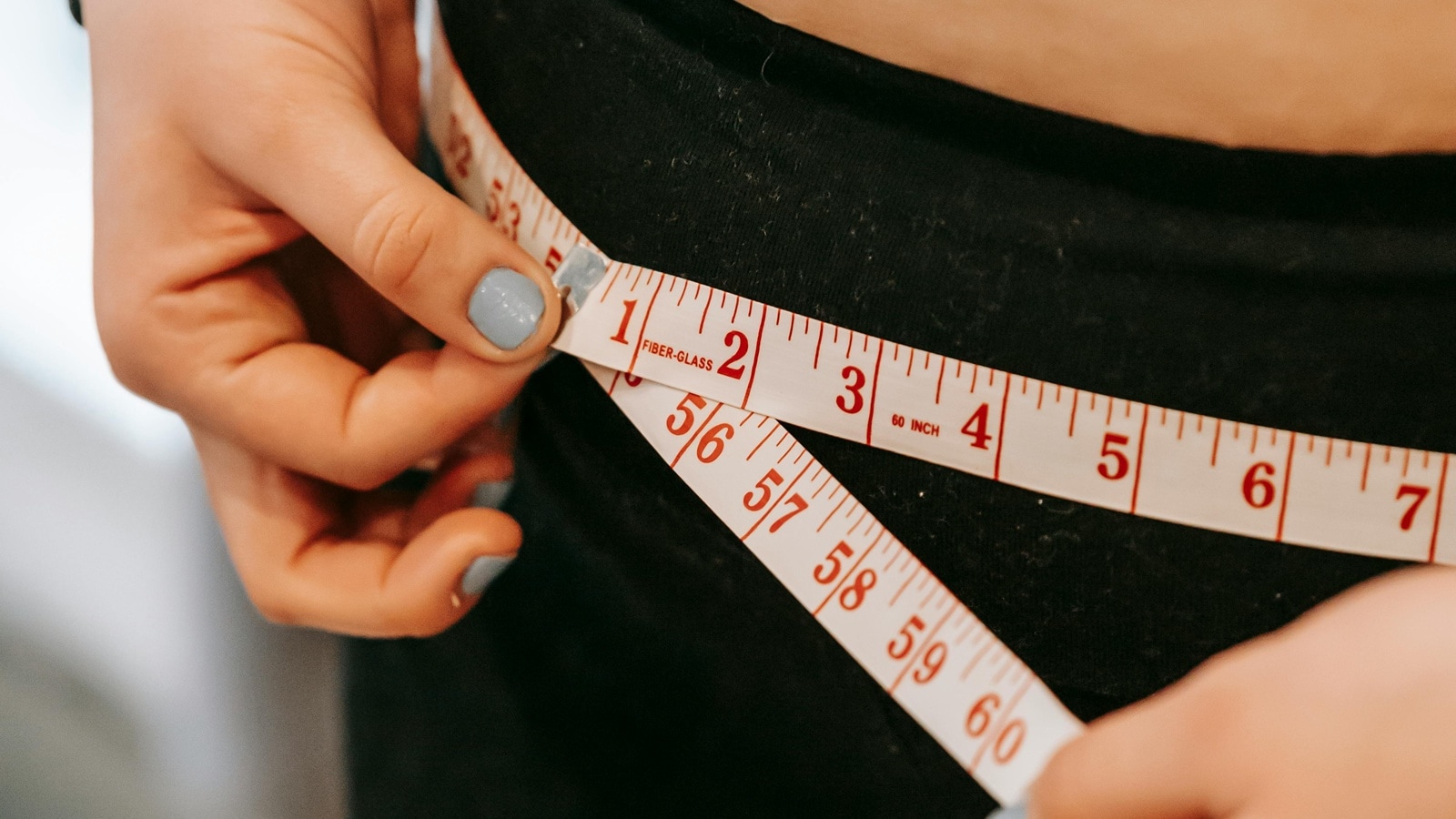
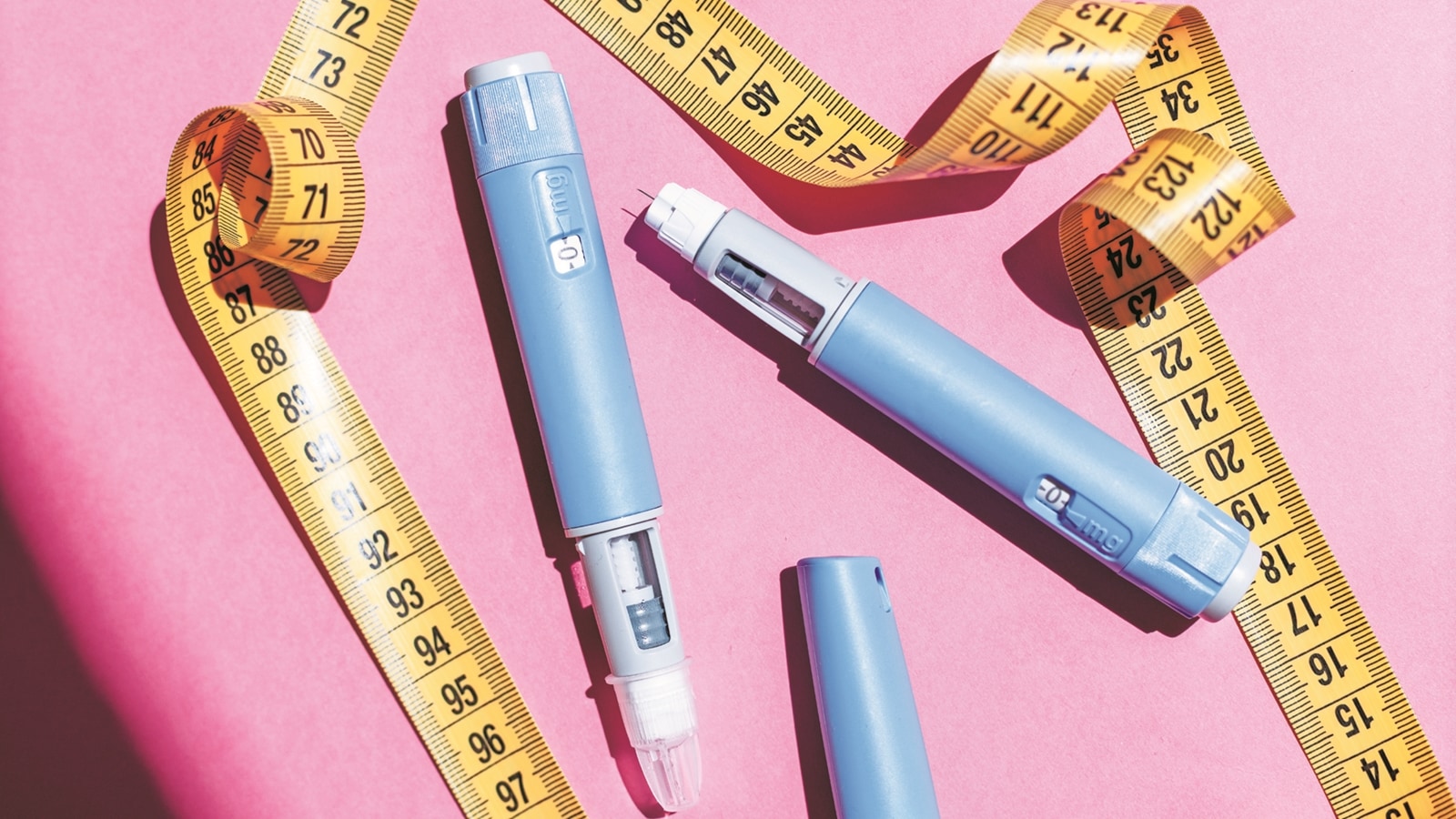
India may BE on the verge of a shift that begins in the pharmacy but does not end there. With patents on semaglutide-based drugs such as Ozempic and Wegovy having expired, cheaper generic versions are expected to enter the market. Developed for diabetes and now widely used for weight loss, these drugs have already begun to reshape body cultures. In India, their impact could extend far beyond health, into how bodies are valued, perceived and normalised.
At first glance, this appears to be a welcome development. India faces a rising burden of lifestyle diseases, including obesity and diabetes, and more accessible treatments could improve health outcomes for many. But these drugs will not remain confined to clinical use. They will inevitably move into the realm of aspiration. What is at stake is not simply weight loss, but the meaning attached to it.
For decades, thinness has functioned as an ideal shaped by effort, discipline and, often, privilege. It required time, and sustained lifestyle change. Gym memberships, dietary regimes and wellness cultures all reinforced the idea that achieving a certain body demanded commitment. As a result, while thinness was widely desired, it remained unevenly attainable. That distance allowed for some variation in how bodies were seen and accepted.
These drugs can begin to collapse that distance. When weight loss becomes medically accelerated, the effort associated with transformation is reduced. And when something becomes easier, it rarely remains optional. Over time, the absence of change begins to invite scrutiny, not always explicitly, but through comparison. This is where the shift becomes social.
In India, the body has always been more than biological. It is aspirational and often tied to opportunity. From matrimonial advertisements to job hirings, appearance continues to shape outcomes in visible and subtle ways. In such a context, the arrival of affordable weight-loss drugs may reset collective expectations. Thinness risks becoming a baseline.
The implications of this shift will become visible in the systems that organise everyday life, including fashion. Fashion does not merely respond to bodies. It standardises them. Sizing systems, design templates and retail strategies are built on assumptions about proportion and fit. If bodies begin to change more quickly and predictably, those assumptions will narrow. This could manifest in subtle but significant ways. Retailers may begin to favour narrower size bands. Designers may increasingly work with standardised silhouettes. The diversity of body types, already underrepresented, may shrink further in visibility. India’s fashion ecosystem has only recently begun to engage, even tentatively, with ideas of size diversity and representation. The wider availability of these drugs could interrupt this trajectory.
There is also a deeper cultural shift at play. When something becomes easier to achieve, it becomes harder to opt out of. The language of choice begins to blur, replaced by subtle expectations that operate through comparison rather than coercion. When weight loss becomes easy, thinness does not just become more common. It becomes expected.
The writer is associate professor and programme coordinator for fashion design at IILM University, Gurugram