

When gods become memory, and when they remain prayer
Greek mythology faded as religion but endured as beauty. Indian mythology endured because it remained inseparable from ritual, memory, place, language and moral imagination
Civilisations do not lose their gods in a single afternoon. They lose them gradually, through conquest, conversion, reinterpretation, forgetfulness, and sometimes through the quiet transfer of sacred stories into museums and classrooms. This is why the contrast between Greek and Indian mythology is so fascinating. The Greek gods still dazzle the imagination. Yet for most modern Greeks, they are no longer objects of devotion. In India, by contrast, the figures of the epics and Puranas still shape worship, festivals, ethics, family life and public memory.
This is not because Indian myths are “truer” than Greek myths, or because Greek myths are less profound. Greek mythology gave the world some of its most enduring reflections on fate, pride, suffering and moral blindness. Antigone, Oedipus, Prometheus and Odysseus remain permanent inhabitants of the human mind. But the religious world that sustained them was broken. With the Christianisation of the Roman Empire, pagan sacrifice and temple worship were formally restricted and then proscribed. The old gods survived, but largely as culture. They became a great inheritance, no longer a living faith.
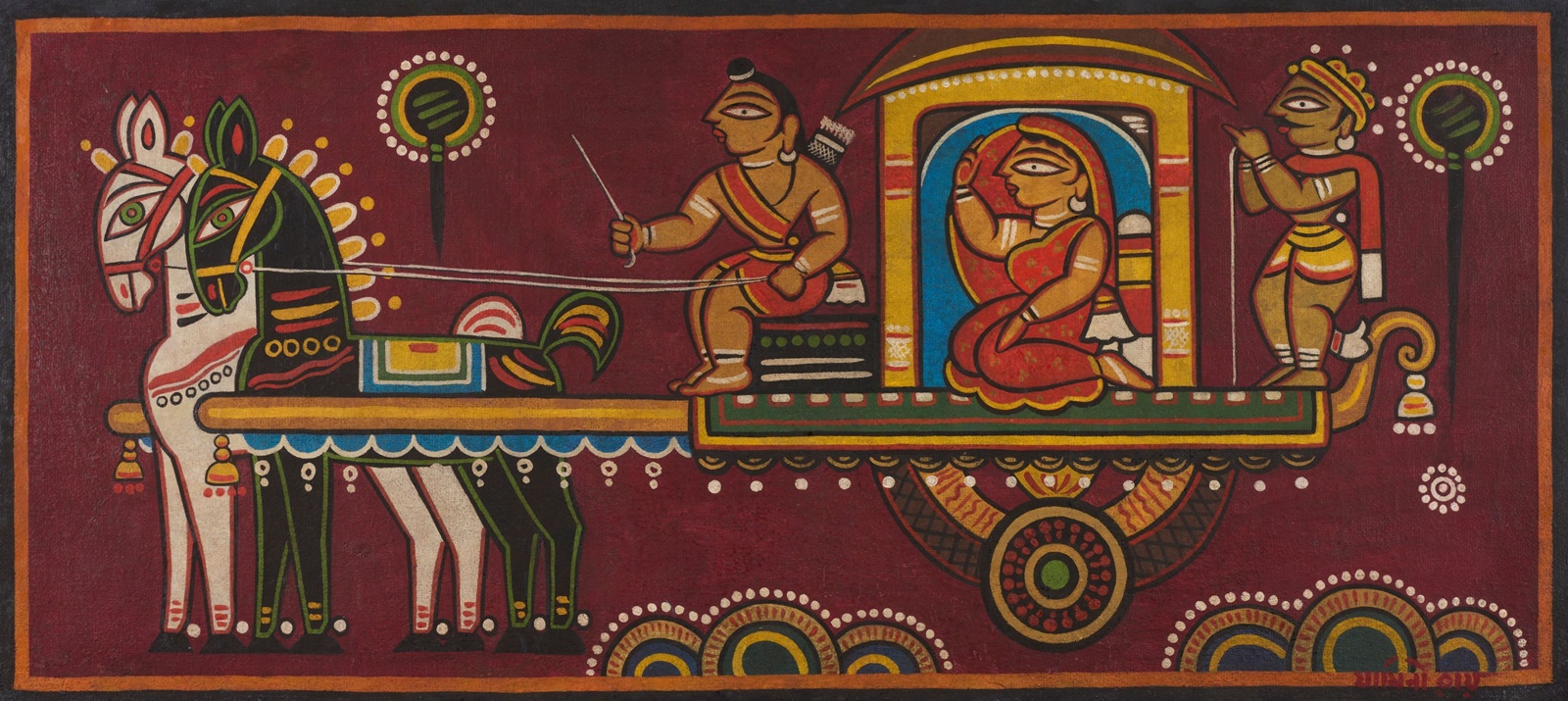
India’s story is different because its mythology was never sealed off from life. The Ramayana and Mahabharata travelled through recitation, performance, temple ritual, dance, music, sculpture, festivals and family storytelling. They crossed caste, region and language. This is one reason Indian mythology endures. A Greek child may learn about Athena as part of the national or literary heritage. An Indian child may encounter Ganesha through a festival or Shiva through a family pilgrimage. The story is not presented as a relic. It is embodied in action.
There is also a bigger philosophical difference. Greek mythology is often imagined as belonging to a heroic past. Indian sacred imagination moves more comfortably within cyclical time. The yugas suggest that moral decline and renewal are recurring features of existence. This gives the epics continuing relevance. Kurukshetra is not only a battlefield in the Mahabharata. It is also the battlefield of conscience. Ayodhya is not only a kingdom. It is also an argument about duty, exile, loyalty, power and sacrifice. The Indian deities also function at several levels simultaneously. They are personal gods, cosmic principles, psychological symbols and ethical provocations. This layered quality allows mythology to survive changes in education, science and politics because it need not be flattened into literalism.
Yet endurance is not automatically wisdom. Living myths require living interpretation. When used to exclude or dominate, they betray their own moral complexity. The Mahabharata is not a pamphlet for triumphalism. It is a tragic meditation on war, duty and the cost of victory. The Ramayana is not merely a tale of obedience. It is also a field of anguish, exile, loyalty, gendered suffering and moral debate. This is why the survival of Indian mythology should be understood not as a sign of cultural superiority but as a responsibility. A dead myth can be admired safely. A living myth can heal or wound. It can enlarge the soul or shrink the mind.
Greek mythology faded as religion but endured as beauty. Indian mythology endured because it remained inseparable from ritual, memory, place, language and moral imagination. Its real test now is not whether it can survive modernity. It already has. The greater test is whether it can continue to deepen our humanity rather than harden our identities.
The writer is a retired psychiatrist