

When Bihar led the resistance to authoritarianism
Democracy is not merely a system of governance; it is the very soul of India, and the contribution of Bihar in defending that soul will forever remain etched in the nation’s history
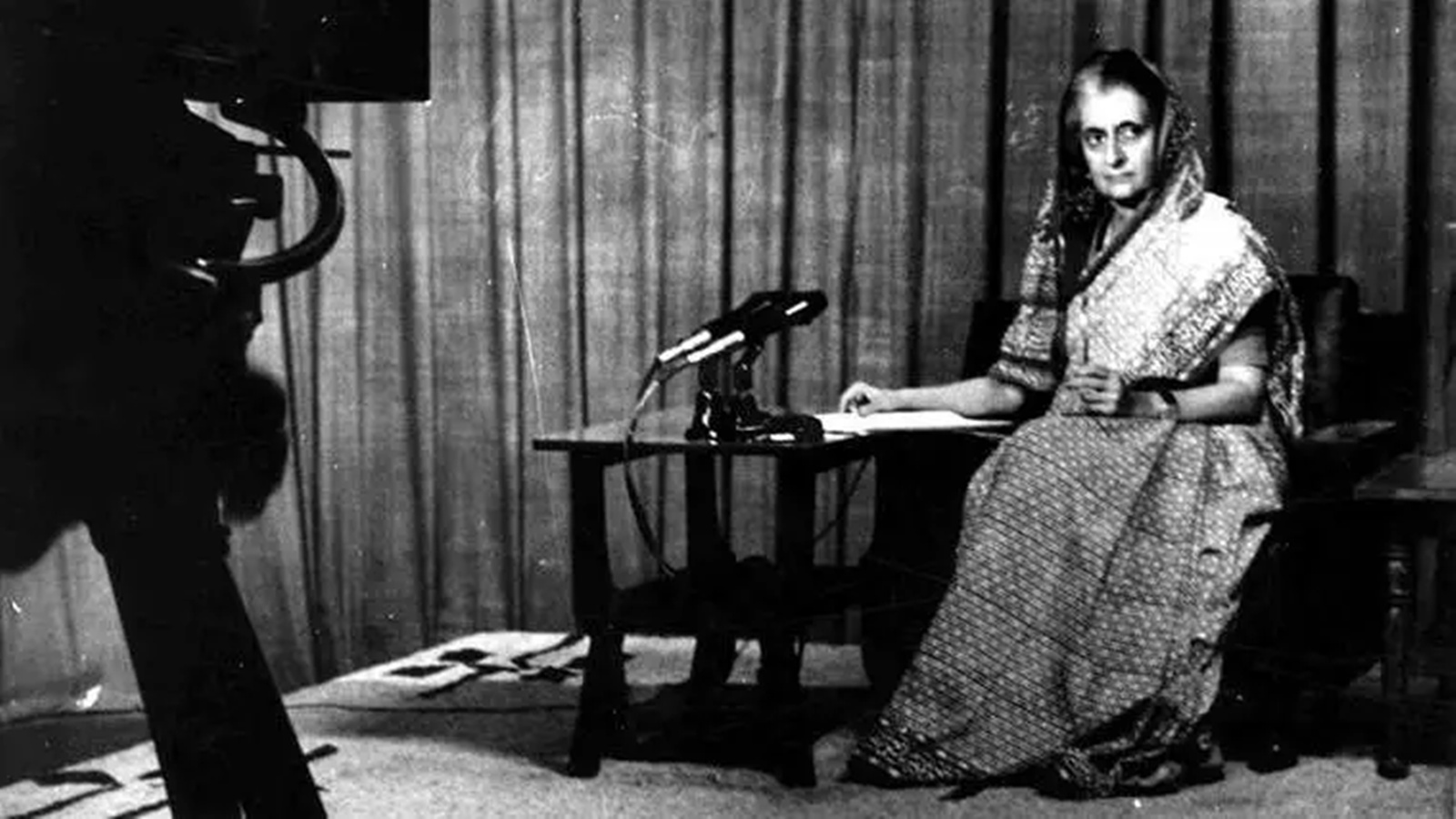
June 25, 1975, stands as one of the darkest chapters in the history of Indian democracy. It is a date that evokes pain and concern in the minds of all those who cherish democratic values. The Emergency was not merely a political episode. It was an unprecedented assault on India’s Constitution, democratic institutions, freedom of expression, and civil liberties. It reflected a dangerous mindset that was willing to sacrifice democracy to preserve political power.
The younger generation must understand that there was a period in India’s history when the spirit of the Constitution was suppressed, the judiciary came under pressure, the press was censored, and political opponents were imprisoned without due process. Significantly, these actions were not imposed by an external force but by a Congress-led government.
The catalyst for this crisis occurred on June 12, 1975, when the Allahabad High Court declared the election of then-Prime Minister Indira Gandhi invalid. In a healthy democracy, the moral course of action would have been to respect the verdict and step down. Instead, Congress chose to protect power. Fundamental rights were curtailed, civil liberties suspended, and millions of citizens deprived of their freedoms. An atmosphere of fear, repression, and uncertainty engulfed the nation.
Yet, if the Emergency symbolised authoritarianism, Bihar became the strongest centre of democratic resistance. This is the land that gave the nation Loknayak Jayaprakash Narayan, one of the most respected champions of democracy. The call for “Sampoorna Kranti” (Total Revolution) that arose from Patna’s Gandhi Maidan shook the very foundations of authoritarian rule. The JP Movement was not merely an agitation against a government; it was a movement for systemic reform and democratic renewal, challenging corruption, dynastic politics, appeasement, and the arrogance of power.
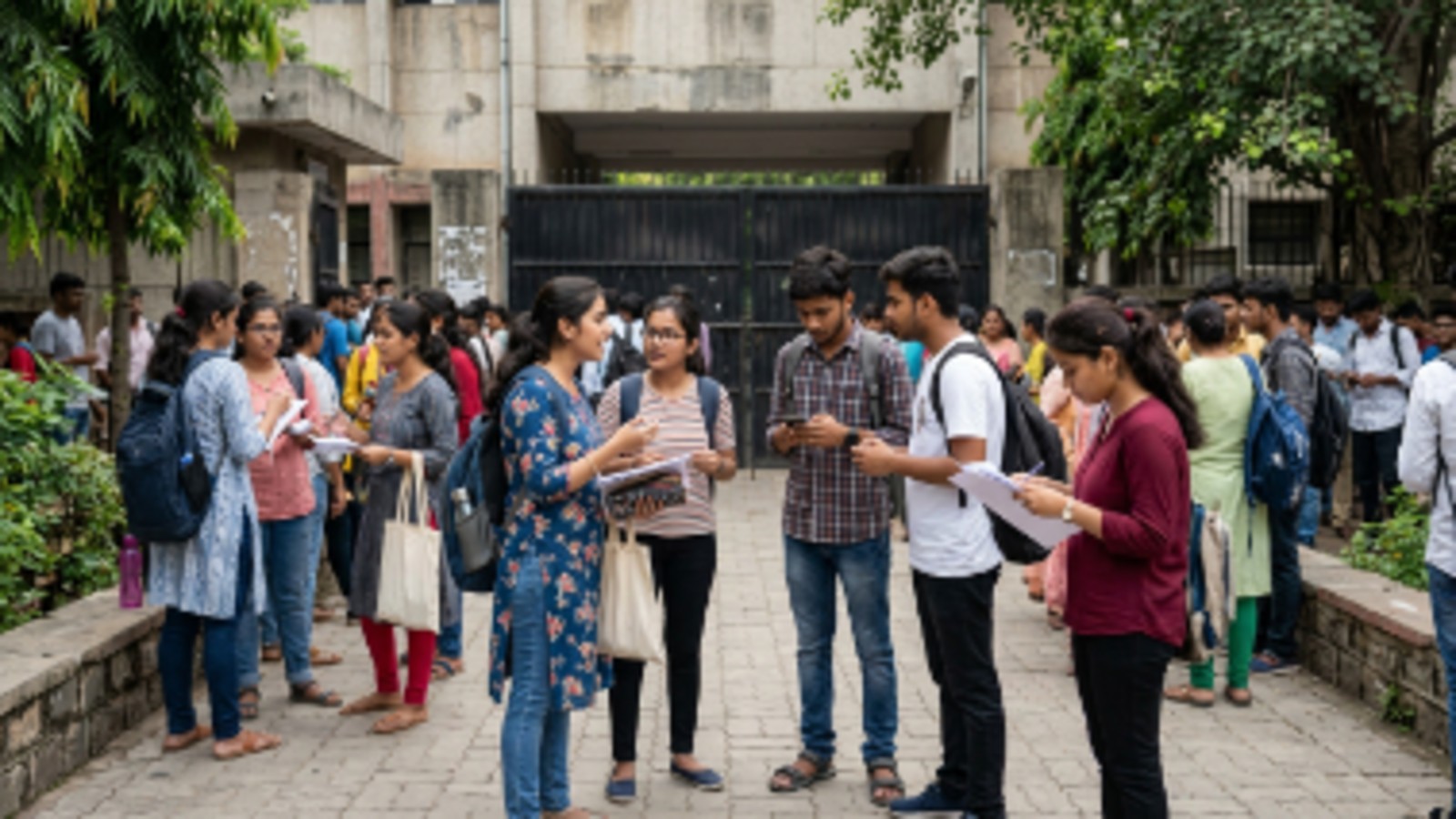
Thousands of students, youth, farmers, teachers, and ordinary citizens from Bihar joined the struggle to defend democratic values. Many were imprisoned and subjected to severe hardship, yet they refused to surrender their commitment to democracy. Bihar’s contribution to this national movement remains a matter of immense pride; without JP’s leadership and the courage of the people of Bihar, the struggle against authoritarianism would not have acquired the historic strength it ultimately did.
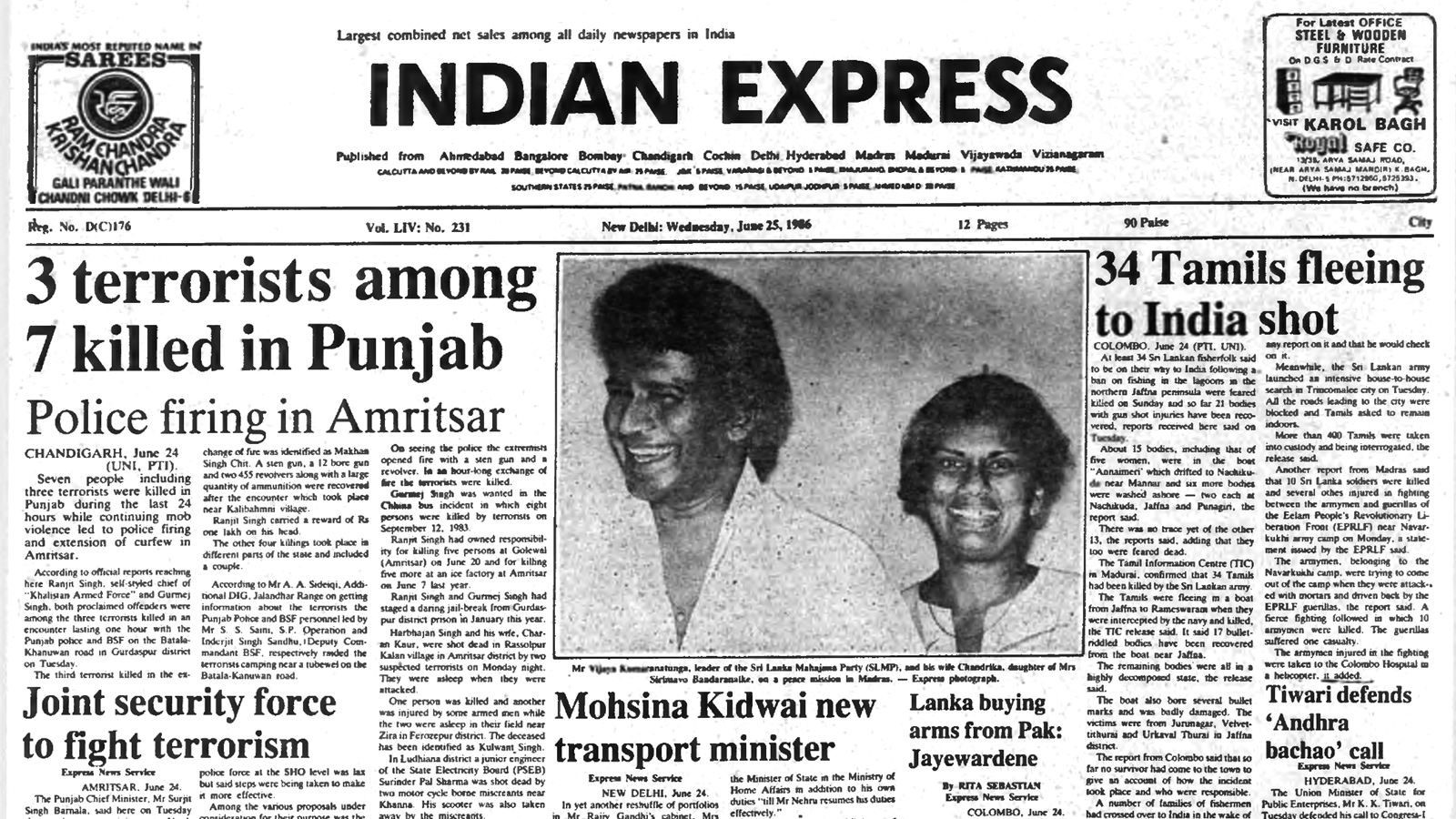
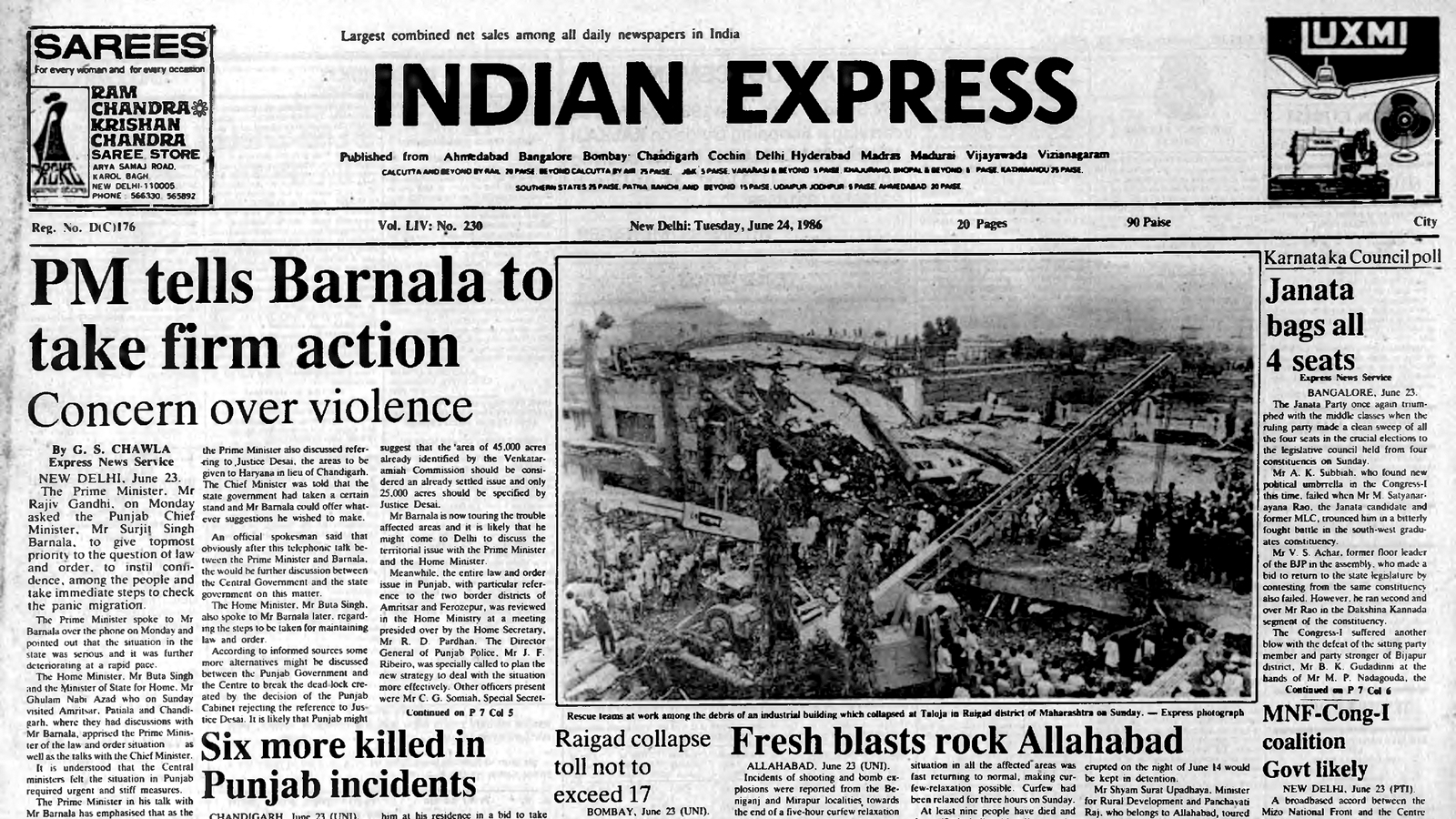
Today, Congress often speaks about freedom of expression, but the nation has not forgotten that it was during the Emergency that press censorship was imposed on an unprecedented scale. Newspapers were required to obtain official clearance before publishing sensitive reports. Critical voices were silenced, journalists were intimidated, and media institutions faced immense pressure. Narayan, Atal Bihari Vajpayee, Lal Krishna Advani, George Fernandes, Nanaji Deshmukh, and thousands of political workers and activists were imprisoned. Their only offence was their unwavering commitment to democracy, constitutional governance, and the rights of the people. Dissent was treated as a crime.
The Emergency serves as a stark reminder that the excessive concentration of power weakens democratic institutions. When authority becomes confined to a few individuals, institutional checks and balances begin to erode, placing constitutional values at grave risk. Ultimately, it stands as a warning against the dangers of dynastic politics and unchecked political power.
In sharp contrast, under the leadership of Prime Minister Narendra Modi, India has entered an era of greater transparency, public participation, and inclusive development. The guiding principle of governance today is: “Sabka Saath, Sabka Vikas, Sabka Vishwas, Sabka Prayas.” The poor, women, youth, Scheduled Castes, Scheduled Tribes, backward classes, and marginalised communities have become central stakeholders in India’s development journey.
The Emergency is a lesson about the importance of safeguarding our democratic institutions. On this anniversary, I pay heartfelt tribute to all those who stood firm in defence of democracy and refused to yield before authoritarian rule. I offer my special respect to the people of Bihar, who, under the leadership of Loknayak Jayaprakash Narayan, played a historic role in safeguarding democratic values. Let us renew our commitment to protecting the Constitution, strengthening democratic institutions, and preserving the rights and freedoms of every citizen. Democracy is not merely a system of governance; it is the very soul of India, and the contribution of Bihar in defending that soul will forever remain etched in the nation’s history.
The writer is Chief Minister of Bihar