

When animals become instruments of power
The BSF has raised important questions of where it is supposed to get these animals and what their ecological impact will be
By Sonakshi Srivastava
Last week, it was reported that the Border Security Forces (BSF) had been asked to explore the use of snakes and crocodiles on the India-Bangladesh border to stop illegal border crossings. In swamps and river beds where fences can’t be erected, the government wants deterrents of a reptilian kind. In a less publicised report, it was also revealed that all tiger reserves in Karnataka will have canine units to prevent poaching — the latest in a long line of protected areas to add a canine unit to track poachers.
Both policies see animals as agents of the state. In many ways, the Indian state’s view of animals remains consistent with the colonial view of animals as beasts that ought to be exterminated. In the last 100 years, the policies have gone from exterminating the beast to protecting the beast. Nevertheless, the beast remains.
Take India’s most protected animal, the tiger. Since the launch of Project Tiger in 1973, the relocation of forest-dwelling communities to make space for the tiger has been the state’s key policy. Even though co-existence has been in vogue for decades, the state insists it is simply not possible because how can anyone live with beasts? Even when Adivasi communities argue that they can co-exist with tigers — like in Jennu Kuruba in Nagarhole Tiger Reserve — they are faced with eviction and violence.
The state sees many animals as beasts that need to be confined to protected areas. When animals step out of these boundaries, they become “problem animals”. Like all things Indian, there is a hierarchy among beasts. If tigers were guarding princesses in the fortress before, they have now become the princesses. Others are saddled with the responsibility of protecting humans and their favourite beast — the crocodile in the moat, the snakes at the entrance, and man’s best friend at his side, ready to do his bidding.
The problem snowballs when people buy into the logic of the fortress; they start expecting the beasts to remain confined. People who gave up their land to build the fortress are not wrong to ask why there is a tiger still sitting in their backyard if the fortress was built specifically for him. The fortresses are not impenetrable; the high and mighty can always find a way in. Money goes a long way.
The cheetahs that have been packed up from Namibia, South Africa, Botswana and dropped in Kuno National Park are being tranquilised and moved back into the park every time they move out. They should somehow understand that they must stay within the fortress that is too small for them (don’t worry, cheetahs, other fortresses are under construction in other parts of the country). Did the government not plan for what happens when the cheetahs — known for travelling long distances — disperse?
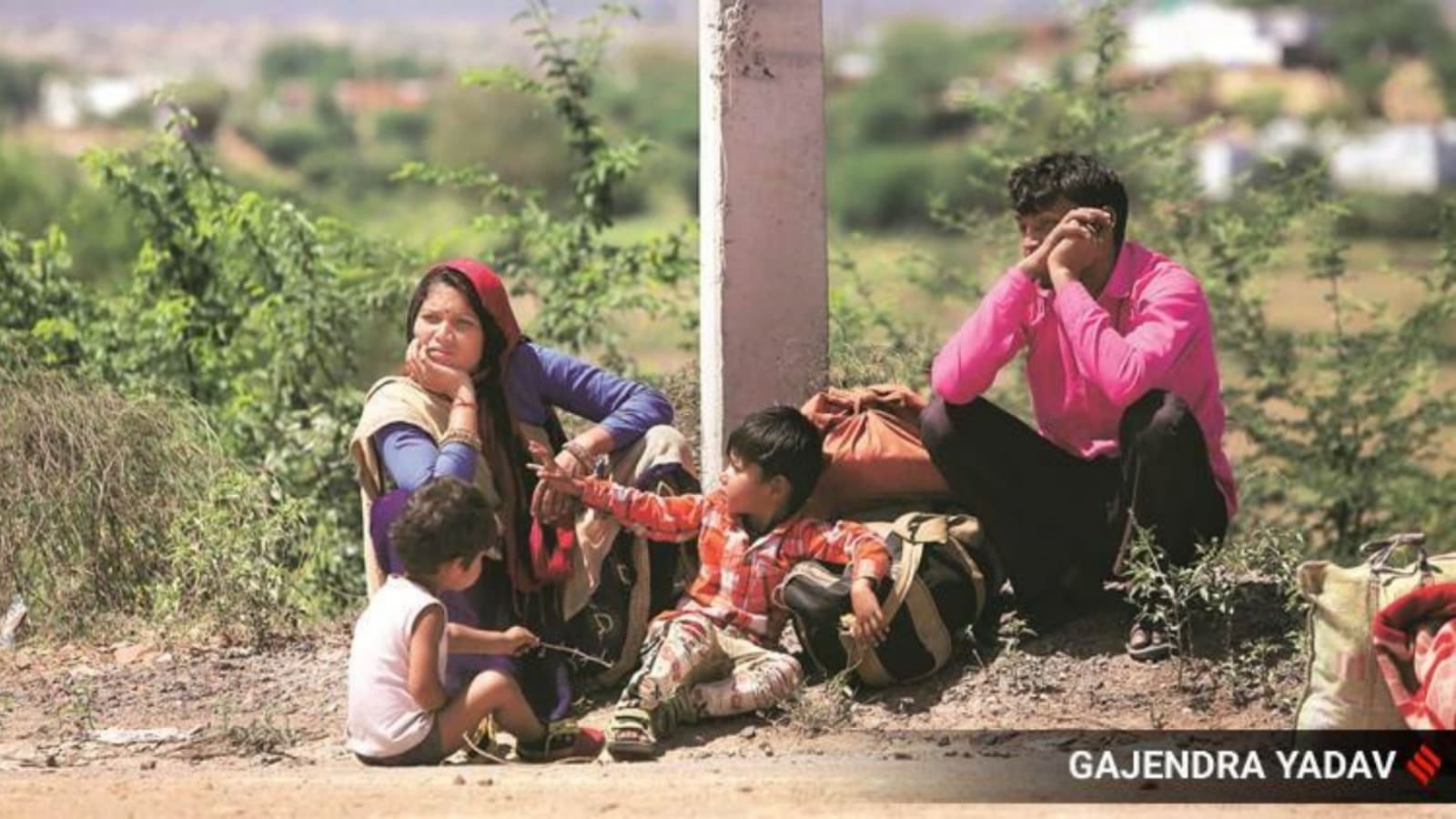
The BSF has raised important questions of where it is supposed to get these animals and what their ecological impact will be. What about the people who traverse these swamps and river beds? The steepest price, as always, will be paid by them.
The state, it seems, will continue to confine and unleash the beasts.
Srivastava writes on wildlife conservation and human-animal relationship