

What COP31 collapse means for India – and the future of climate change policy
For a nation that spends every summer battling heat waves and every monsoon battling floods, the adaptation result is the biggest failure.
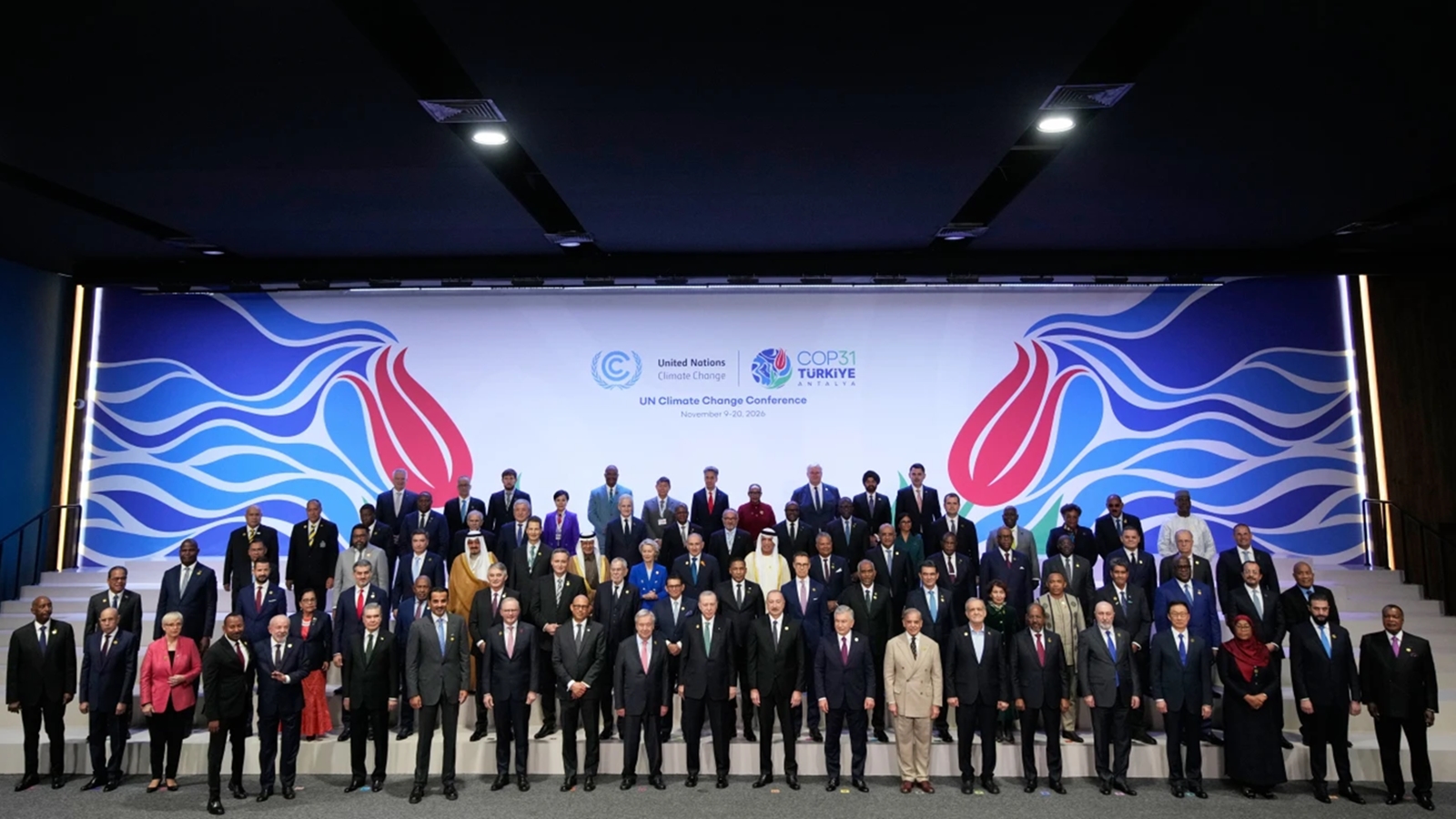
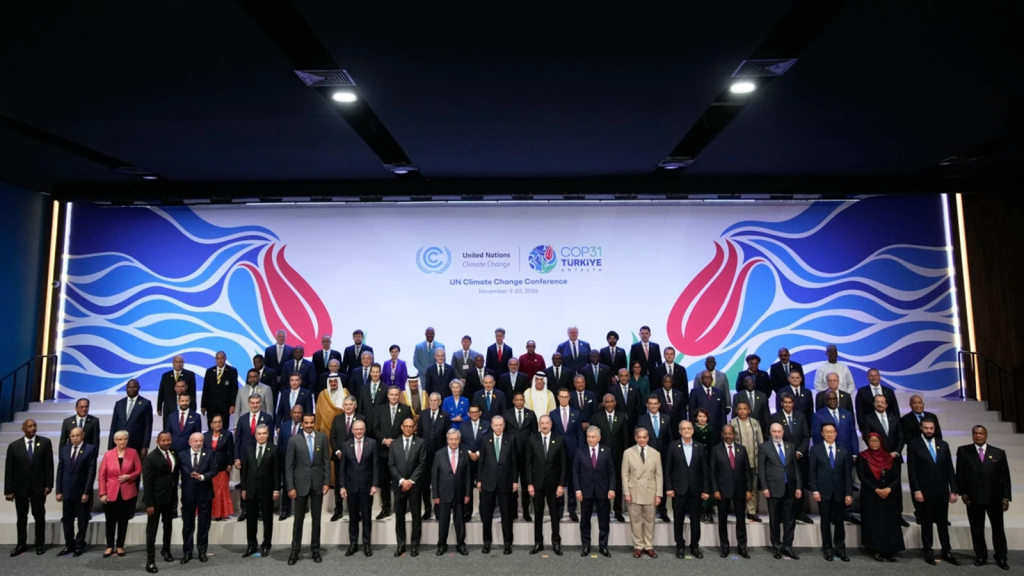
The Antalya climate talks were meant to close on November 20. They ran on for two more days, which made COP31 the longest climate summit on record, and then ended with nothing agreed on. On Sunday afternoon, Murat Kurum, Türkiye’s environment minister and the conference president, told the plenary there was no agreement on the text and that the decisions had, therefore, not been adopted.
The European Union, the United Kingdom, Panama and small island states including Tuvalu and the Marshall Islands refused a cover decision that said nothing about moving away from fossil fuels. Earlier in the week, the Arab Group and Russia had rejected drafts for the opposite reason, objecting to any language that named energy sources or set sectoral targets.
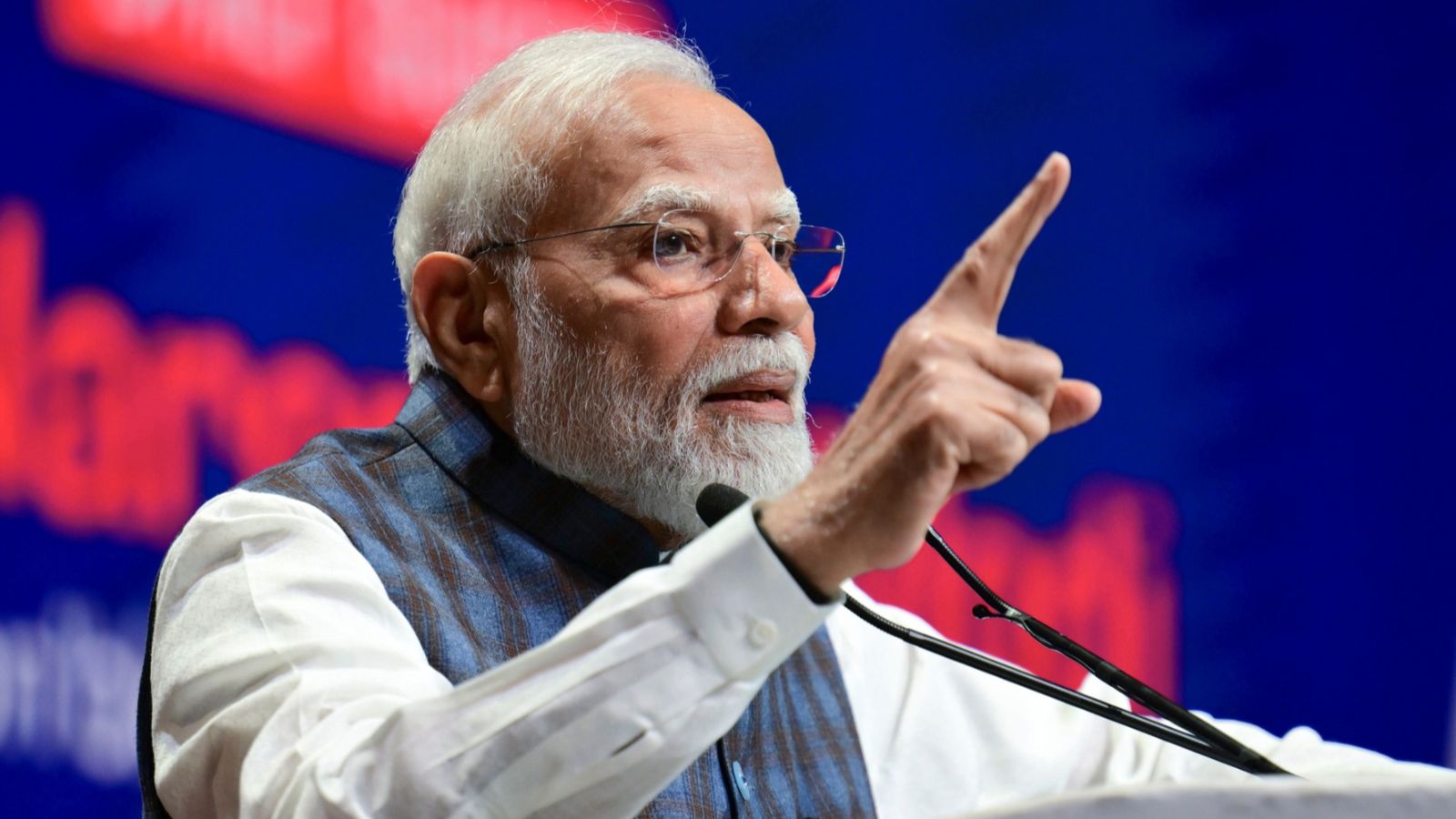
India’s environment minister, Bhupender Yadav, said India regretted the failure and that some of its concerns about the proposed text remained unresolved. The question for Indian policymakers is what the country gained and lost in Antalya, and what it should carry to Addis Ababa, where Ethiopia hosts COP32 next year.
India’s most concrete gain was procedural, and it came before the substantive talks began. On November 9, during the opening plenary, parties agreed to include the Climate Finance Work Programme as a standalone agenda item. The work programme is a result of last year’s Mutirão decision in Belém and relates to the provision of finance under Article 9.1 of the Paris Agreement, which refers to finance provision by developed countries. The EU opined that there was no separate item emerging from Belém and sought to conclude the work within its two-year term, while India disagreed and prevailed on this.
This may sound trivial, but it is very important. For years, developing countries have been focusing on discussions about how much money is being pledged. The dedicated agenda item allows them to ask about the predictability of resources, the ratio of grants to loans, and whether these resources are going to where they are needed. Yadav also came back to this point in his closing remark: Ambition must be backed by resources.
There were also two defeats in the struggle over the agenda. The demand of the African Group for an agenda item on tripling adaptation finance was defeated, much to India’s regret. The demand for an agenda item on trade and climate change was also defeated, the EU maintaining that this was best addressed in its existing trade discussions. For India, whose steel and aluminium producers are now under pressure from the EU’s Carbon Border Adjustment Mechanism, there is no space in the negotiations for discussions on unilateral trade measures.
For a nation that spends every summer battling heat waves and every monsoon battling floods, the adaptation result is the biggest failure. UNEP’s latest Adaptation Gap Report puts developing countries’ needs at about $305 billion a year by 2035. International public finance for adaptation was between $28.2 billion and $31.7 billion in 2024.
The presidency’s initial drafts attempted to quantify the Belém pledge to triple adaptation finance by 2035, proposing a concrete figure of at least $120 billion per year, with the Standing Committee on Finance determining the baseline at COP32. By the final draft, this figure had disappeared, leaving only the vague goal of tripling. The entire text then fell. Even $120 billion would only have covered between one-fifth and one-third of the estimates of need.
Anyone who has worked on a heat action plan or stormwater planning in Indian cities will know how little international adaptation money reaches a municipal corporation. Antalya did nothing to change that.
Why India said no to 35 by 35
Electricity was central to the agenda of the Turkish presidency. The cover text called on countries to increase the share of electricity in final energy use to 35 per cent by 2035 from the current 23 per cent. About 90 countries also signed a separate Global Electrification Pledge, committing to the same goal. India was among those that did not sign. During the negotiations, the Like-Minded Developing Countries (LMDC), which India is a part of, felt that the electrification target and the roadmap for fossil fuel transition, which singled out methane, breached their red lines.
Yet, this refusal can be defended on its merits. The promise accounts for electricity’s proportion of energy consumption, with no provision that this electricity originates from clean sources, allowing a nation to easily fulfil this promise by simply electrifying based on coal. Methane is another matter. The bulk of India’s methane emissions come from paddy fields and livestock; global action on these would impinge directly on the living of small farmers. India’s efforts ensured its concerns about food security and the role of livelihoods and cultural practices were accounted for in the language on methane. This was certainly an achievement in negotiations, though it no longer appeared in the text.
The optics remain clumsy. India has well over 170 GW of solar installed capacity, and electric motorcycles, rooftop solar, and electric buses are all taking off rapidly. On the substance, India is already progressing along the lines of the pledge. Joining Saudi Arabia and Russia, among others, in opposing a sectoral goal risks marking India as part of a hindering bloc, even if its motivations are very different from those of those countries. India could easily dispel this notion by publishing its own sectoral electrification blueprint and illustrating those domestic goals, rather than a global proportion, define its route to the target.
COP31 was also supposed to set up the just transition mechanism agreed in principle at Belém. Talks stalled over where it should sit and who should run it. India argued for a two-tier, country-driven design and repeated that energy transitions must be nationally determined, backed by finance, technology and capacity-building for developing countries.
That argument will return at COP32, along with most of what Antalya left open. The seventh review of the financial mechanism had already been pushed to next year. The adaptation finance baseline, the trade question and the shape of the just transition mechanism now travel to Addis Ababa unsettled.
India has good reason to prepare early. The finance work programme is now formally on the table, and India will need worked-out proposals on the quality and predictability of finance rather than restatements of Article 9.1. An African presidency is also likely to put adaptation finance at the centre, and on that issue India’s interests sit very close to Africa’s. A joint push on the adaptation baseline would do more for Indian cities than another round of blocking.
There is a larger stake as well. India says it values consensus-based multilateralism, and it offered in 2023 to host COP33. A process that cannot agree on a cover text after two weeks and two days of overtime is a weak platform for that ambition.
What Antalya showed is that India can win a procedural argument over finance and still leave without the money its cities and farmers need to adapt. Closing that distance is the work of the next 12 months.
The writer is Professor of Public Policy at FLAME University. He has been contributing to various IPCC reports and presently a Lead Author in IPCC’s special report on Climate Change and Cities