

Vandita Mishra writes: After West Bengal verdict, a new moment calls for a new Opposition politics
Most of all, perhaps, the Opposition needs to ask if it is undermining itself by treating Hindu consolidation like it has treated anti-incumbency — as something without a political counter, as almost the end of politics
Dear Express Reader
Readings of the West Bengal election results, with the BJP sweeping to power in a state it had long coveted, and Mamata Banerjee’s Trinamool Congress losing its bastion of 15 years, have swung between “Hindu consolidation” and “anti-incumbency”, when not pointing to the “SIR”. All three explanations have truth in them. But all three are being framed in ways that are leached of politics and political responsibility.
First, the SIR. It has cast a shadow over the election, with about 27 lakh voters in the “under adjudication” category deleted from the electoral rolls controversially and not given time to appeal. The final numbers on the scoreboard tell us that the deletions did not impact the result decisively or significantly— the deletions are larger than the margin of victory in 49 seats, only 26 of them figure in the BJP’s list of 206. But the numbers do not tell the full SIR story.
The SIR story lingers on in uncomfortable questions about the level playing field, the role of the umpire, the Election Commission, and of the Supreme Court, the custodian of constitutional guarantees. It is there, still, in the dispiriting message to vulnerable voters, especially to minorities. Whether or not the SIR helped the BJP swing the election, therefore, is not the question.
Going ahead, the apprehensions touched off about the due electoral process, about checks and balances, must be addressed. The Opposition’s high pitch on the “stolen election”, however, frames its own priority. Its search for a villain and fall guy comes in the way of something that is important as the SIR unfolds in other states — a continuing politics of vigilance and political monitoring.
Second, anti-incumbency. Not just in this election, it is a term emptied of political meaning. It is invoked by outgoing incumbents as an iron law of politics that fells governments by rote, as if it could not have been countered by good governance or better politics. It suits the new government, too, to treat anti-incumbency as a black box, not as a set of vivid issues that now need to be owned by it, because that would mean looking at the people’s discontents directly.
This refusal to look anti-incumbency in the eye is even more evident in West Bengal. By questioning the very legitimacy of the verdict, the TMC further avoids a genuine facing up to the ground-level reasons for the erosion of its own popularity. Among these, prominently, was the vast and oppressive shadow network that it inherited from the Left. TMC cadres and political-entrepreneurs became the state, insinuating themselves in all spaces, extracting and extorting. They dissolved the boundaries between party and government, blurred lines of accountability. Many voters who expressed resentment against the TMC chelas, mastaans and Syndicate, also said, cynically, that poriborton or change would probably only mean that the TMC’s shadow networks would now be replaced by those of the BJP.
After Bengal, however, the TMC and the national Opposition have another way of avoiding the political responsibility that flows from the verdict — they point, almost helplessly, to Hindu consolidation, which is now cast as another iron law of political nature, like anti-incumbency.
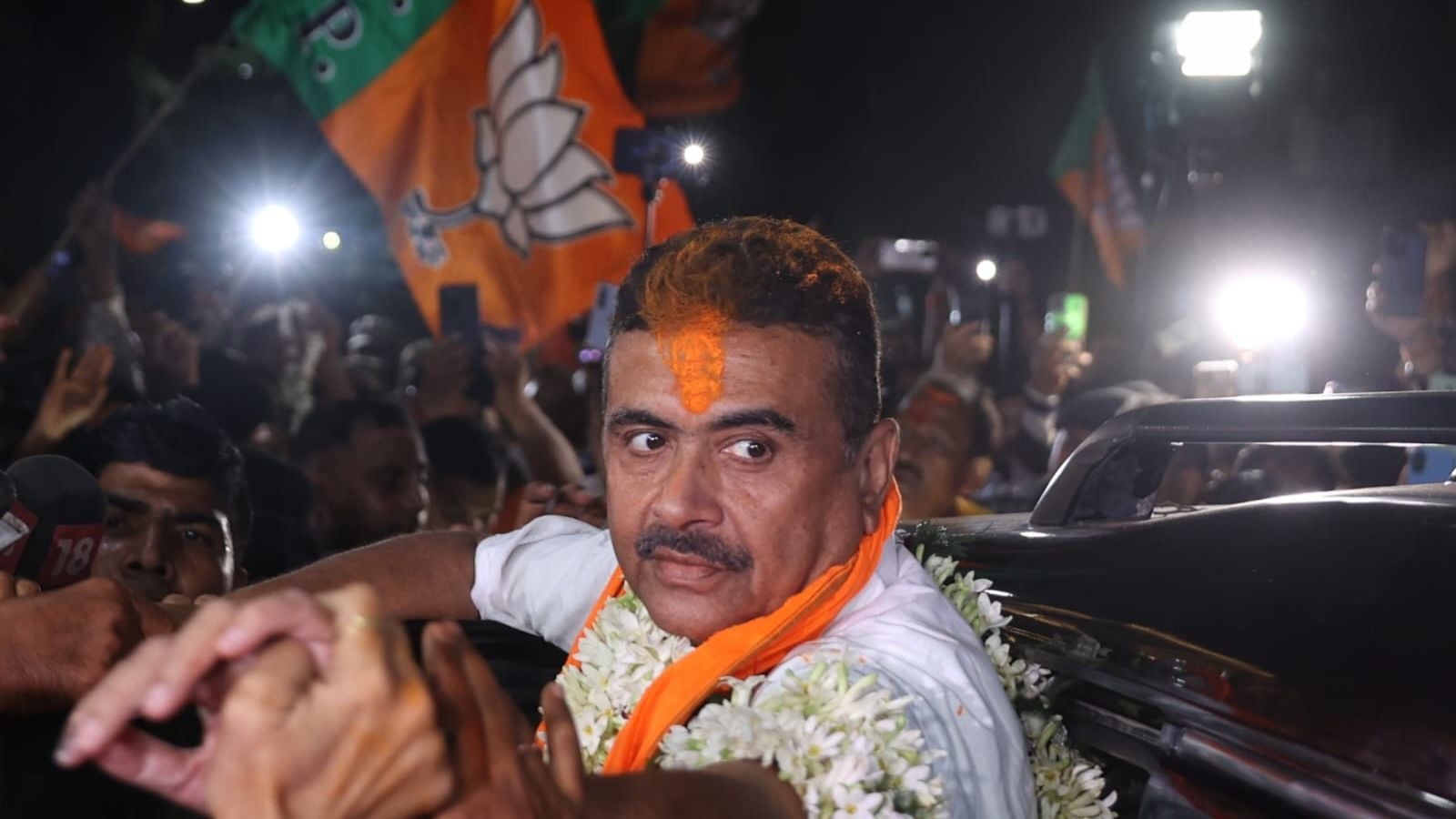
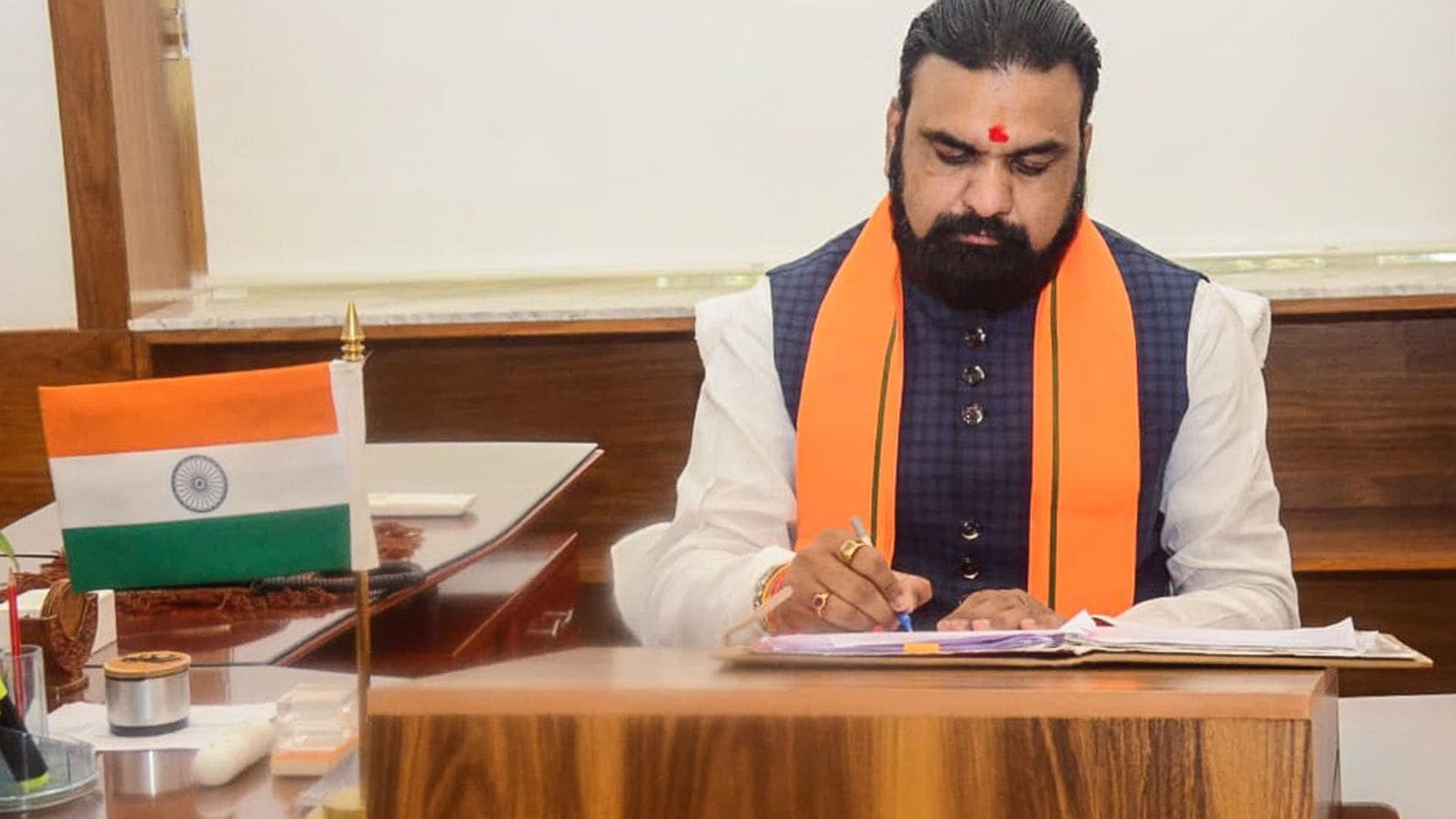
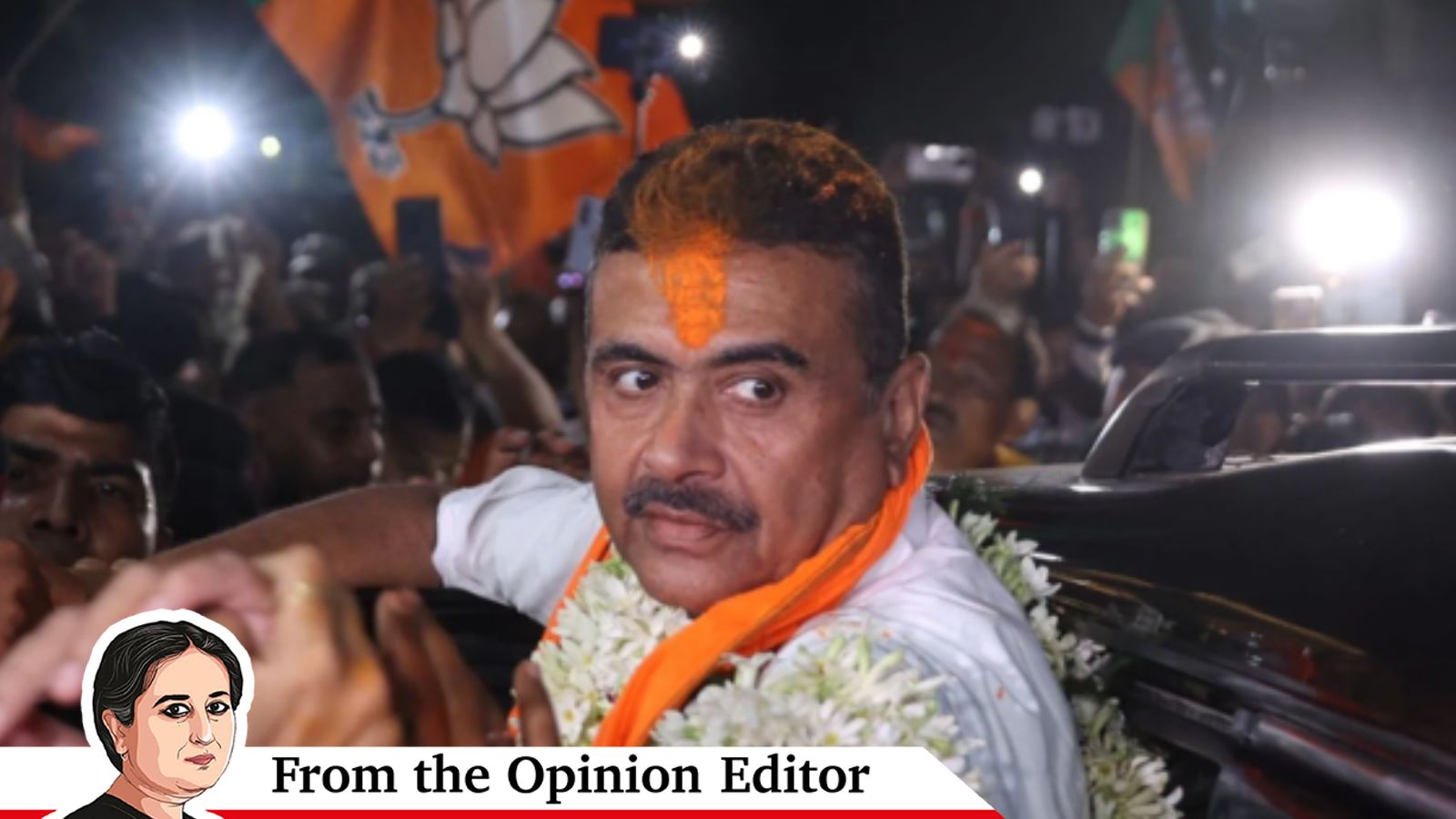
On this third factor, there is a convergence of BJP and non-BJP — it suits the BJP that its political opponents should see Hindu consolidation as the trumping electoral logic and the argument that is overriding. The Suvendu Adhikari government’s first flurry of decisions — from banning namaz on the streets to imposing Vande Mataram in madrasas — underlines this. The new West Bengal government is triumphantly owning the space it has both worked to widen and that its opponents have ceded to it. Doing so also helps to defer for now, or indefinitely, the pressing governance challenges it has inherited.
Most of all, perhaps, in the aftermath of the West Bengal verdict, the Opposition needs to ask if it is undermining itself by treating Hindu consolidation like it has treated anti-incumbency — as something without a political counter, as almost the end of politics.
In fact, a big question after Bengal could be this: What does the politics of secularism mean in the era of BJP dominance? At a time when distortions of secularism-in-practice have made it all too easy for the BJP to fling the label of “appeasement politics” at its opponents, and when that label sticks, how can the principle of secularism be recast or retrieved? The search for answers must begin if the pessimistic logic of a permanent majority and minority is not to win in a diverse democracy.
The communal question has a long and troubled past, and there are no ready answers in it. It has neither faded away on its own, nor been addressed consistently.
Before Independence, it was hoped that the solidarities forged in the anti-colonial movement would blunt communal antagonisms and eventually dissolve them in the new country. The hope also was that it may not be necessary to recognise separate religious identities, after all, and that the people of India could be addressed by their leaders irrespective of caste and creed. Or that the economic issue would wither the communal problem. Or that careful constitutional provisions and institutional measures would take care of it. Or that communalism would be defeated, top-down, by the secular intelligentsia and liberal elites.
After Independence, in a country spooked by Partition and the terrible violence and uprooting that was part of it, the communal problem was allowed to fester, largely unattended. The tokenism and opportunism in the name of secularism has not assuaged minority insecurities while stoking resentments in the majority.
The BJP has stepped into an absence and weaponised it. This calls for a new imagination and articulation of secular politics. In the 1990s, the Mandal moment gave caste politics the democratic frame of “social justice”. Now, laid low by the BJP’s Bengal sweep, the Opposition could shed its incoherence. It could work out a framework of pluralism in which to set a politics that acknowledges religious difference with respect and reciprocity, and is not inflamed or paralysed by it.
Till next week,
Vandita
Recommended Readings
Ashok K Kantha: At Beijing Summit, both Trump, Xi got what they came for. But Xi got a bit more
Yogendra Yadav: State push for Indian knowledge systems is a farce. But dismissing them is a mistake
C Raja Mohan: Look beyond strategic autonomy, and closer at the Quad possibility
Surjit S Bhalla: BJP is winning the elections, but losing the economy
Pratap Bhanu Mehta: Today, US and India interests are not easily aligned. Let’s confront this