

West Asia crisis has made India more energy secure
Supply was ensured. Domestic consumption was reduced with 20 per cent ethanol blending. Consumers were protected: Prices for them were not increased in step with import prices.
By the end of June, oil prices had come down to $74 per barrel, the pre-crisis level of early February. I must confess to being pleasantly surprised by the fall in prices. Iran’s bombing of the Middle East’s oil infrastructure made me think it would take many months for global supply to recover and crude prices to fall to pre-crisis levels. However, price is an outcome of both supply and demand. With high prices, some reduction in consumption can be expected. But the demand for Gulf oil has also fallen because countries diversified their sources, and took measures to enhance long-term oil security.
India has managed the crisis very well. Supply was ensured. Hardly any retail outlet ran dry. Domestic consumption was reduced with 20 per cent ethanol blending. Electric mobility was pushed. Consumers were protected: Prices were not increased in step with import prices, and oil marketing companies and the government bore a large part of the burden. This was justifiable if the government expected the crisis to last no more than three to four months. Fortunately, it was proved right. The revenue forgone was Rs 1.7 lakh crore. The consumer price of petrol was later increased by Rs 3 per litre, around a 7 per cent increase. The price increase is by far the smallest among major oil-importing countries.
More than half of the LPG consumed by Indian kitchens would arrive through the Gulf, and that suddenly stopped. Government action was decisive. An LPG control order, issued within eight days of the disruption, directed domestic refineries to increase production. Within seven days, production increased from 35,000 to 54,000 tonnes per day. The regulated price of LPG was kept at Rs 942, and for the beneficiaries of the Pradhan Mantri Ujjwala Yojana at Rs 642, with a direct benefit transfer of Rs 300 per month to nearly 10.6 crore households. Commercial LPG supply was restrained for some time, and industrial and commercial users were encouraged to use other fuels.
The management of supply has been built on infrastructure developed over the last decade or so. Between 2011 and 2022, LPG import terminals doubled, to 22, increasing the country’s LPG import capacity from 12 MMTPA to 32.3 MMTPA. At the same time, the city gas distribution network coverage increased from 55 cities to 300-plus cities. From 2011 to 2022, LNG import terminals doubled, and India expanded its crude oil sourcing network from 27 to 41 countries, which facilitated supply diversification and inter-fuel substitution.
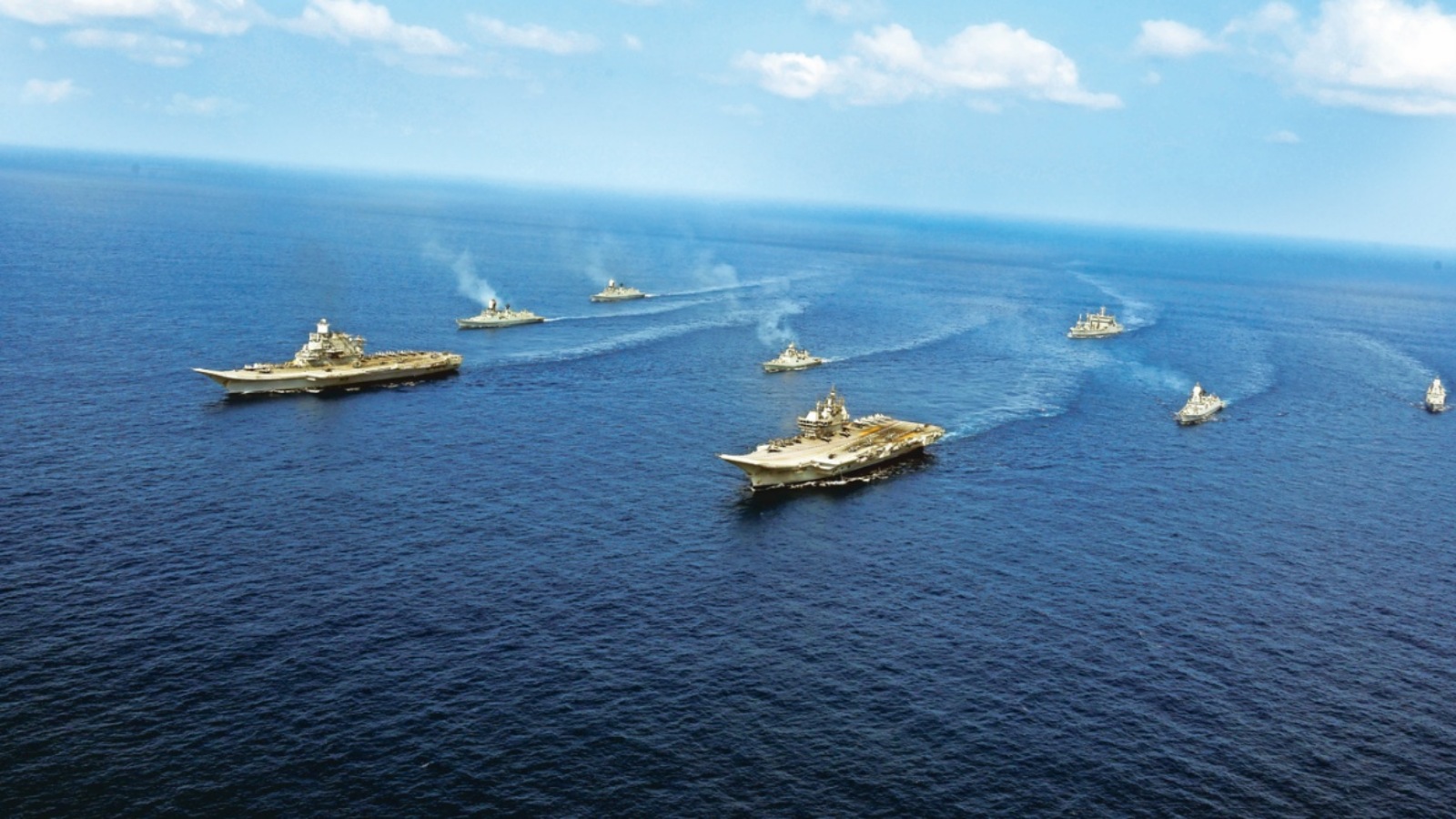
India was also able to get a number of its ships through the Strait of Hormuz despite the blockade. This required coordination between more than one institution and ministry. The Ministry of Petroleum and Natural Gas identified and shared the list of priority vessels carrying India-bound cargo with the Ministry of Ports, Shipping and Waterways. The latter compiled additional vessel-specific information and forwarded it to the MEA, which liaised directly with the Iranian embassy in New Delhi to seek clearances, while simultaneously instructing the Indian embassy in Tehran to expedite the processing of such requests by engaging with Iranian authorities. The Navy then coordinated with the vessels to ensure their safe passage through the Strait of Hormuz. This approach ensured that requests were pursued through both capitals at once, reducing the turnaround time for approvals.
India has long been concerned about disruptions in oil and gas supply from the Gulf. Its bilateral engagements with several countries, which predate the crisis, facilitated the diversification of imports. India continues exploration efforts domestically as well as beyond the country’s shores and has procured oil and gas assets abroad. Thus, in a sense, the crisis has made India a little more energy secure.
However, the challenge for the government is not over. Consumers have been protected at a high cost to the government and oil marketing companies. The government faces a challenge in keeping inflation in check, the fiscal deficit on target and facilitating investment to ensure growth, while keeping expenditure on education and health on track. One hopes it will attain these targets.
fcolumn