

Weighty matters just got easier
Most likely, the way people have stopped looking askance at Botox, fillers and lip jobs, GLPs will go mainstream too. In a world where maintaining an image is critical, whatever enhancements we make or don’t make, many of us will continue to feel that we need to do more.
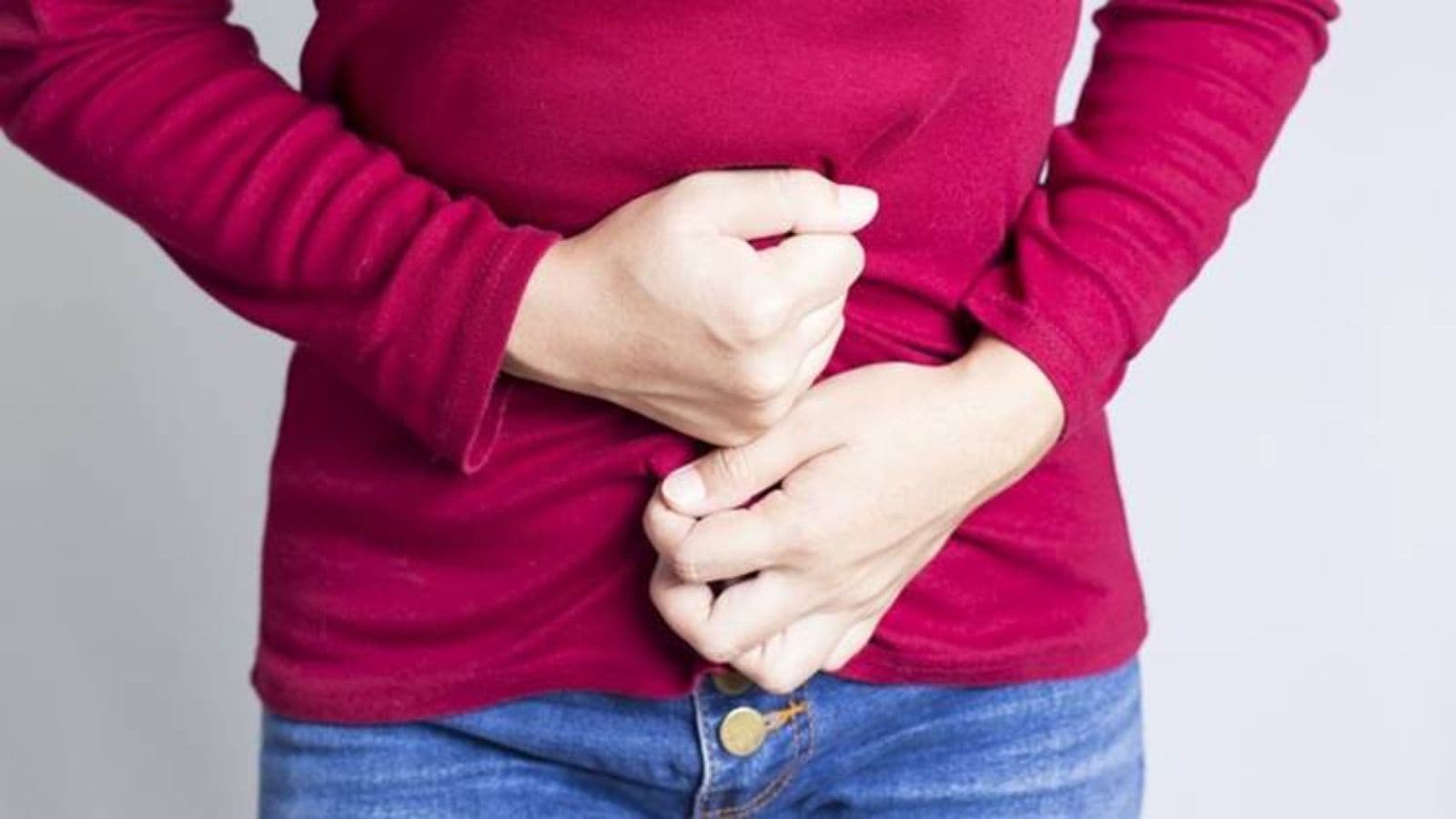
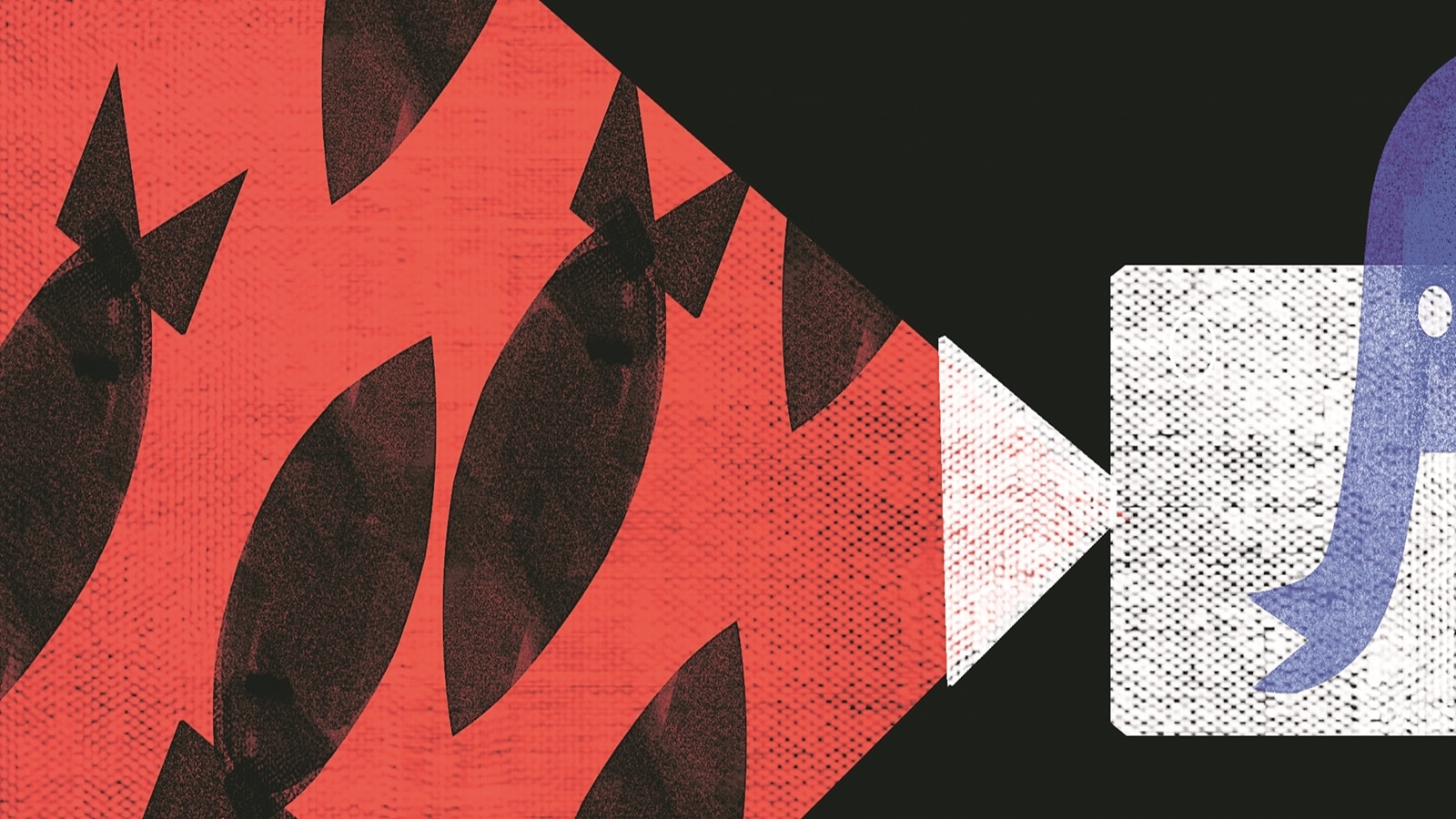
The patent of the blockbuster diabetes and weight loss drug semaglutide expires this weekend. Pharma majors like Cipla and Zydus plan to launch their generic versions in India at a fraction of their cost, bringing down the monthly rate of Ozempic duplicates from approximately Rs 9,500 to under Rs 4,000. These medicines have been a game changer for obesity management and a manna from heaven for the impossibly vain — a magic potion to achieve aesthetic perfection that, somehow, always remains tantalisingly out of reach. Who hasn’t glanced in the mirror, wistfully, wishing a roll of fat around the abdomen would just disappear?
Now that it’s entirely possible, these drugs expose an underlying social tension between the fit and the fat. Thousands of YouTube videos gleefully dissect which Bollywood stars are jabbing themselves to shed kilos. Reddit is full of anonymous grumblings about people taking the easy way out. As if it’s akin to a moral failing to achieve the thin ideal via pharmaceuticals, instead of the old fashioned way, working out and zipping the mouth.
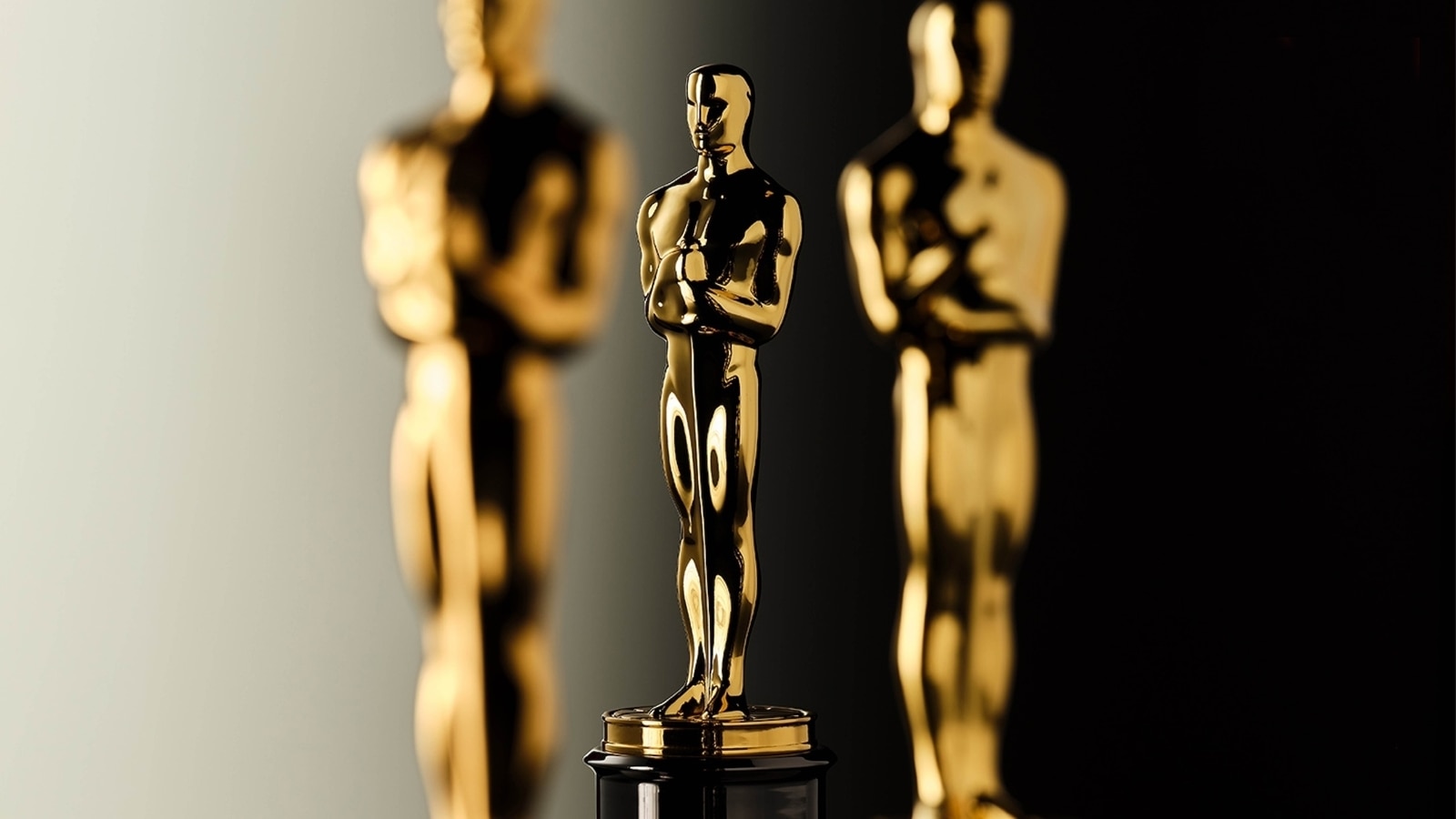
In what was a pointed swipe at the glittering tux and gown crowd at last week’s Oscars Ceremony in LA, an anti-vanity commercial highlighted the misuse of GLP 1 drugs for cosmetic purposes. There is a distinct moral component in the conversation around body image. In all areas of our lives, we’re taught to value effort and integrity. Constant exercising and dieting signify determination, which is then rewarded by weight loss. Getting the same prize via other means, somehow, feels wrong.
The sneering derision the fighting fit have for the chronically unfit taking these meds is that a slim body was the last truly democratic status symbol; a toned shape cannot be bought, inherited or stolen. Its value lies in the silent message it conveys that this is somebody with self control and discipline, who’s willing to work to look a certain way. So of course, it’s annoying that a pill popper gets the same privilege without striving for it. In the post pandemic era, there has been a cultural shift beyond materialism. High net worth individuals became more reluctant to flaunt labels, ushering in the phenomenon dubbed as “stealth wealth”. But that doesn’t mean the fundamental human need to differentiate ourselves from our peers has vanished.
Jack Dorsey of Twitter fame popularised OMAD (one meal a day) while Peter Thiel’s diet regimen is legendary. Ultra fitness was the last acceptable lifestyle brag, now threatened by GLPs.
The obsession for GLPs raises another point: that the world never really embraced different body types. When so many are on it for svelteness, how deep does body positivity actually go? Taglines like “Beautiful at any size” evolved in the 2010s as a pushback against the prevailing narrow beauty standard, of waif-like and elfin. A correction was definitely required but the Body Positivity Movement never really rang true with its insistence that appearance doesn’t matter. All the data says the opposite. The medical aesthetics space, even in India, is experiencing unprecedented growth, the revenue generated by the Indian cosmetic surgery space predicted to reach 11,567 million USD by 2030. Who are we kidding? People will do anything to lose weight, including hoard drugs meant for diabetics, while claiming with a straight face that fat is beautiful.
Who knows, maybe five years from now, everyone will be ingesting pills before a big night, just to fit into the extra small dress. The opposite could also happen, that if thinness becomes so easy to attain, we may desire it less. Most likely, the way people have stopped looking askance at Botox, fillers and lip jobs, GLPs will go mainstream too. In a world where maintaining an image is critical, whatever enhancements we make or don’t make, many of us will continue to feel that we need to do more.
The writer is director, Hutkay Films