

We need a green exit from the urea trap
Producing green urea alone will not be sufficient. We must also optimise urea consumption, because urea is significantly overused in the country, polluting land, water and climate
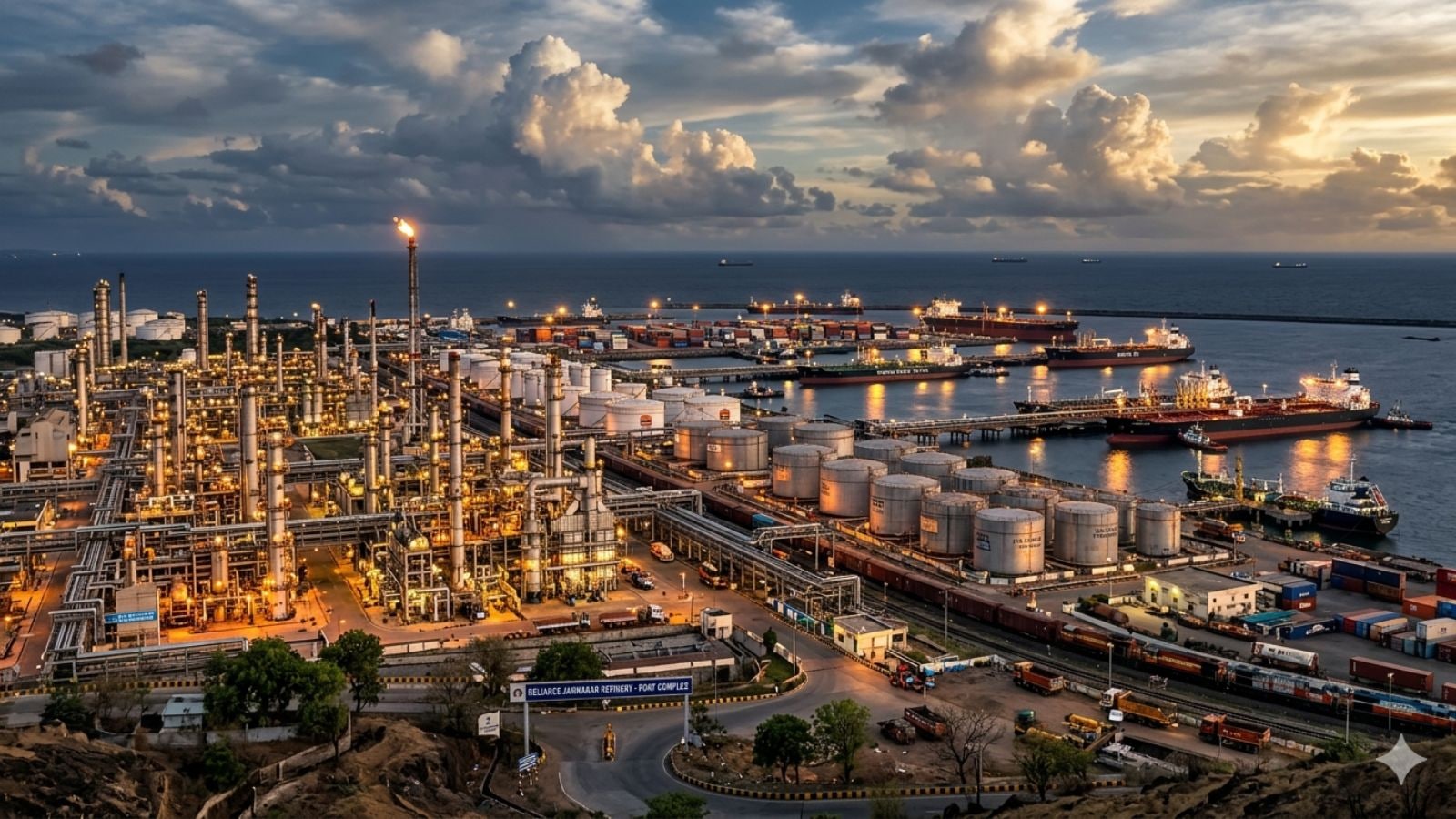
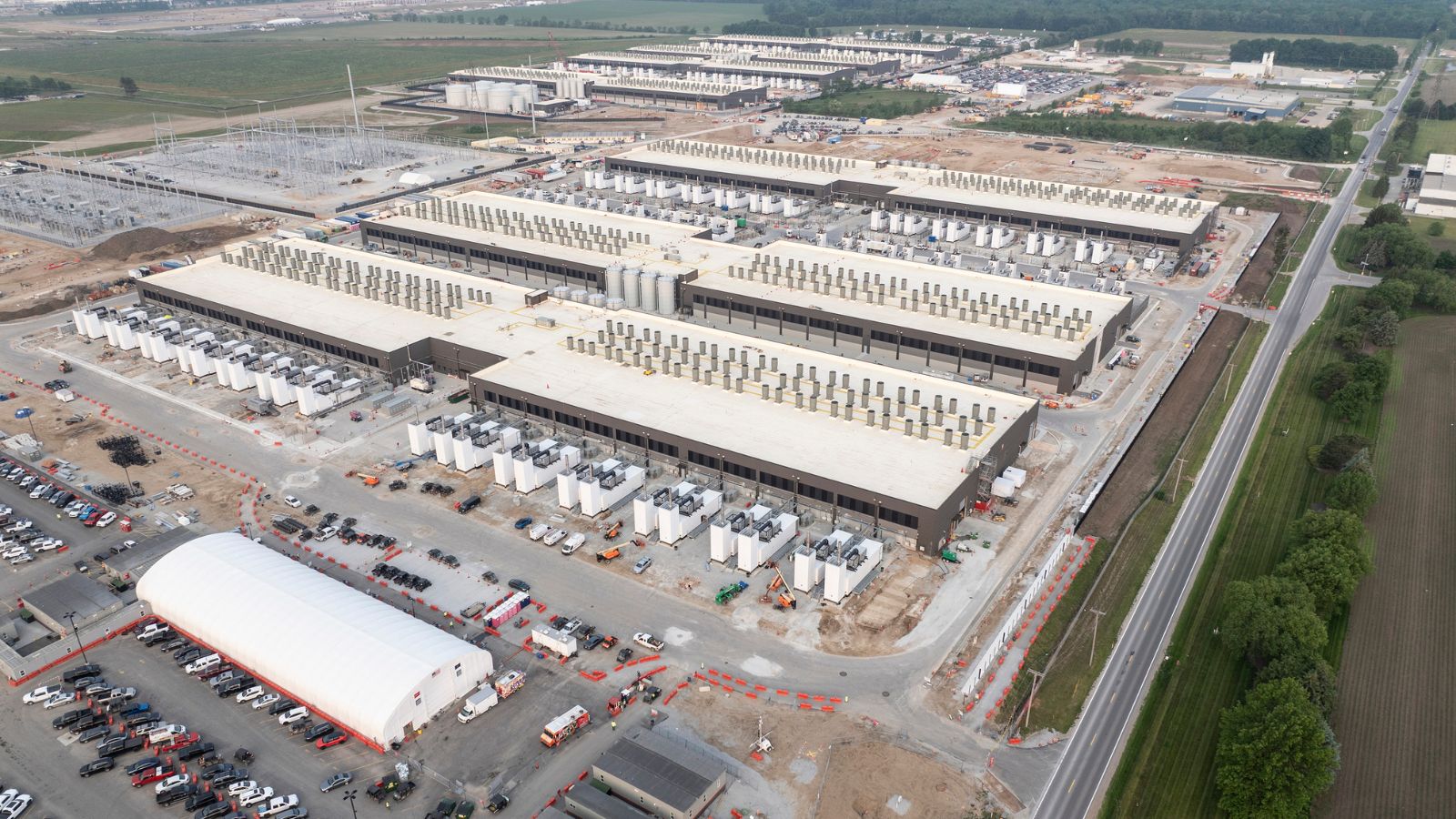
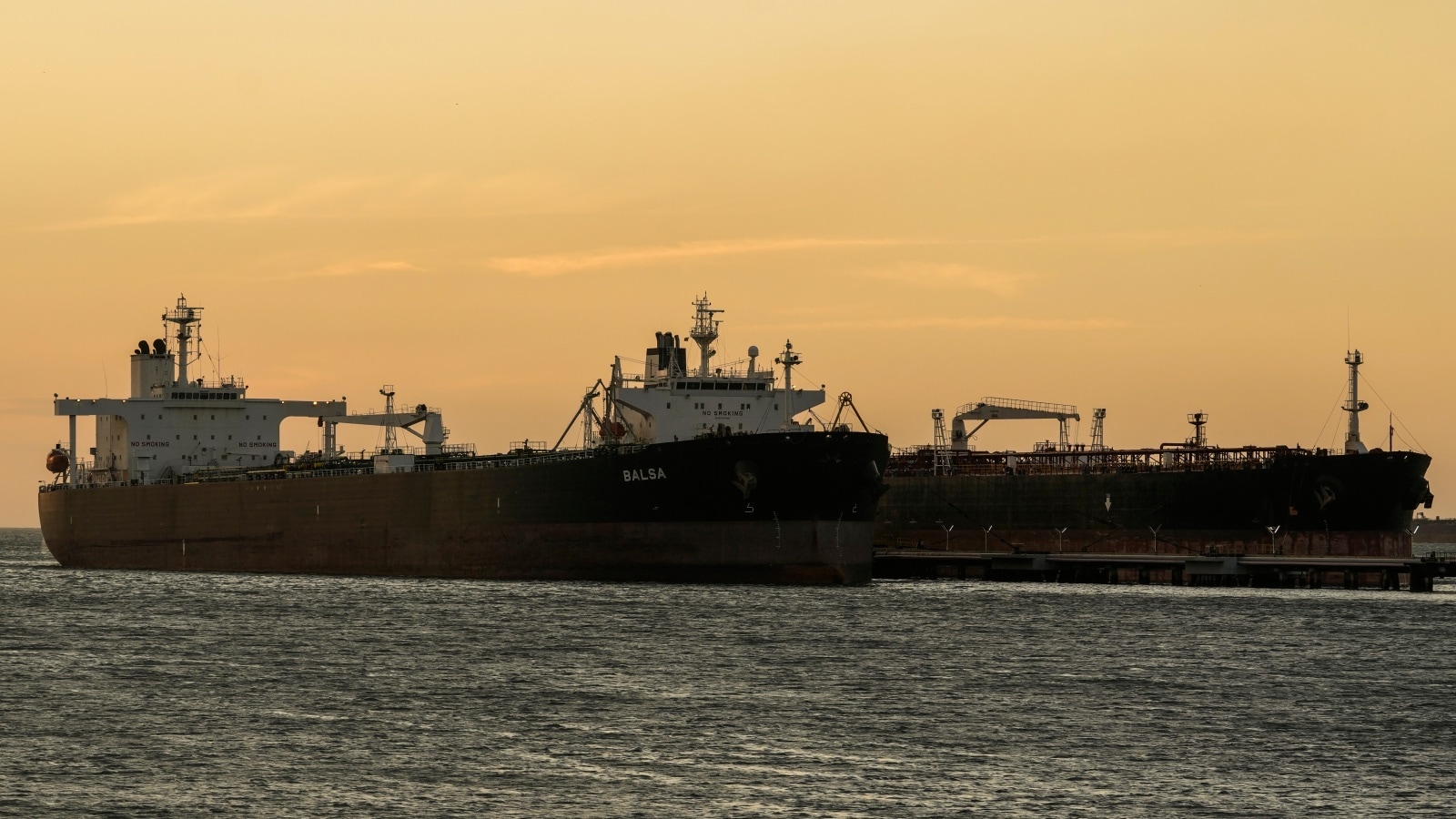
The West Asia conflict has thrown a spotlight on India’s deep energy insecurity. What is less discussed is how this vulnerability affects our food security. Since the Green Revolution, India has relied on urea to supply the nitrogen essential for higher crop yields. Urea accounts for 56 per cent of all fertilisers consumed and nearly 80 per cent of all nitrogenous fertilisers. Over 80 per cent of domestic urea is produced using imported natural gas, and more than a fifth of the total consumption is imported. In effect, nearly 90 per cent of the urea consumed in India is import-dependent.
The fiscal burden tells its own story. The urea subsidy has ballooned from less than Rs 500 crore in 1980-81 to Rs 1.65 lakh crore in 2022–23. Enormous public resources are poured into sustaining a system built on insecurity. The good news is that the technology and government programmes needed to build alternatives already exist. What is missing is a mission to bring them together.
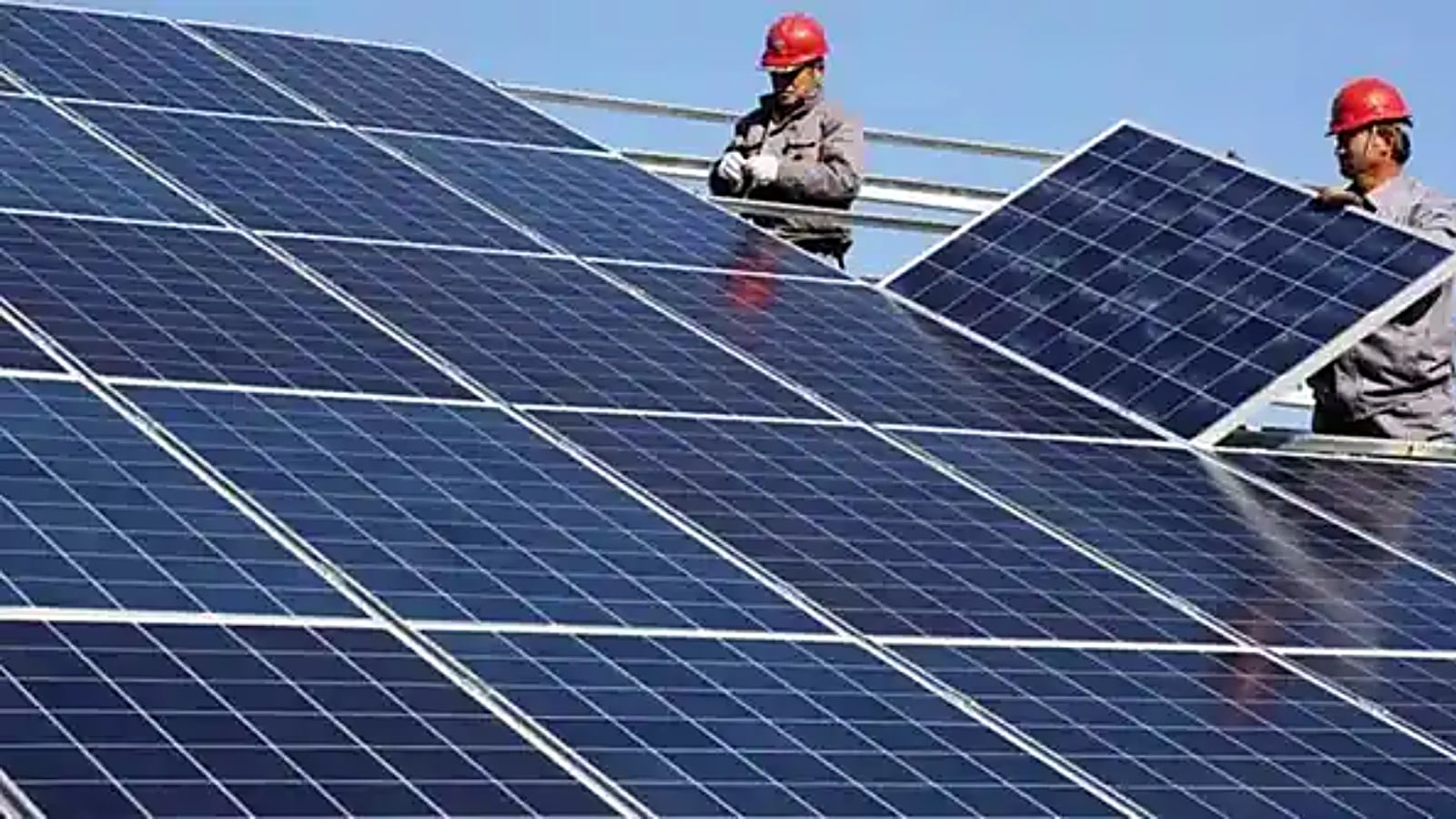
Urea production involves two key processes: Producing ammonia from hydrogen and nitrogen, and then reacting it with CO2. Indian plants derive hydrogen and CO2 from natural gas, while nitrogen is drawn from the atmosphere. Urea produced through this process is called grey urea. But hydrogen can also be produced from water through electrolysis. In the 1970s, the Fertiliser Corporation of India’s Nangal plant used electrolysis to produce hydrogen until power shortages in the Bhakra grid forced a switch to hydrocarbons. Carbon capture and utilisation (CCU), using absorption technologies, too, is already widely used in the urea sector to recover CO2 from flue gas. So, we already have the building techniques — hydrogen from electrolysis, carbon dioxide from carbon capture, and nitrogen from the atmosphere — to produce urea using electricity alone. Power that electricity with renewables and you get green urea.
The obvious question is cost. A study of all 36 urea plants in India by my colleagues and me shows that green urea could become the most cost-effective option for a new urea plant by 2028. By 2030, the levelised cost is projected to be 20 per cent lower than that of grey urea; by 2050, this advantage widens to nearly 100 per cent. For the sector, the average levelised cost of green urea between 2025 and 2050 works out to about $475 per tonne, compared with $540 for grey urea. Today, grey urea in global markets is touching $600 per tonne. In an era of uncertain geopolitics, economics has tilted in favour of green.
India has programmes to power this transition; they need to be redirected. The National Green Hydrogen Mission focuses on exporting green ammonia and using it in non-urea fertilisers and other sectors. The focus must shift towards green urea. The Union budget earmarked Rs 20,000 crore over five years for carbon capture, utilisation and storage. The programme should prioritise the supply of CO2 to urea plants. If we bring these programmes together and provide them with strategic clarity, we can transition the urea sector to green.
We must also optimise urea consumption, because urea is significantly overused in the country, polluting land, water and climate. To achieve this, the government should launch a Green Urea Mission that does three things: Transition urea manufacturing from natural gas to green hydrogen, optimise consumption, and rebalance the fertiliser mix. If, by 2040, we move 90 per cent of urea production to green hydrogen, increase the area under non-chemical farming to 30 per cent, improve nitrogen use efficiency in agriculture by 30 per cent, and reduce the proportion of urea in nitrogenous fertilisers by 30 per cent, the rewards will be immense. Urea imports would be eliminated, subsidies would fall by 65 per cent and GHG emissions from the sector would decline by over 60 per cent. Water and air pollution would be significantly reduced. The cumulative value of these benefits could be above Rs 1 trillion over the next 25 years.
This will not happen without structural reform. The urea sector is heavily regulated, with low profitability and almost no incentive to innovate. The most viable path forward is phased decontrol — market competition, as in case of other fertilisers.
A Green Urea Mission offers a pathway from dependence to self-reliance. The economics are compelling, the technology is ready, and the environmental imperative is urgent. The writer is CEO, iForest