

From my village in Kerala of the ’80s, a model for Commonwealth Games in Gujarat
Leveraging the prestige and popularity of the Commonwealth Games 2030 can leave Gujarat a legacy that grows through everyday life
Growing up in Keralam in the ’80s, I experienced sport as part of everyday village life. Every sporting event was driven by local sports and arts clubs, bringing together players and spectators and fostering a sense of community. This camaraderie played a crucial role in the various social transformations in my village. People disagreed and competed, sometimes forming breakaway groups. Elected representatives and the panchayat were actively engaged and promoted sports and art events in the village. This sense of community diminished divisions based on caste, class, and religion. A sense of belonging grew, and we were willing to support one another as we played together on grounds owned by the local schools, the church, the panchayat, and the temple. Libraries were established around sports and arts clubs, carrying conversations into literature, politics, health, and local problems.
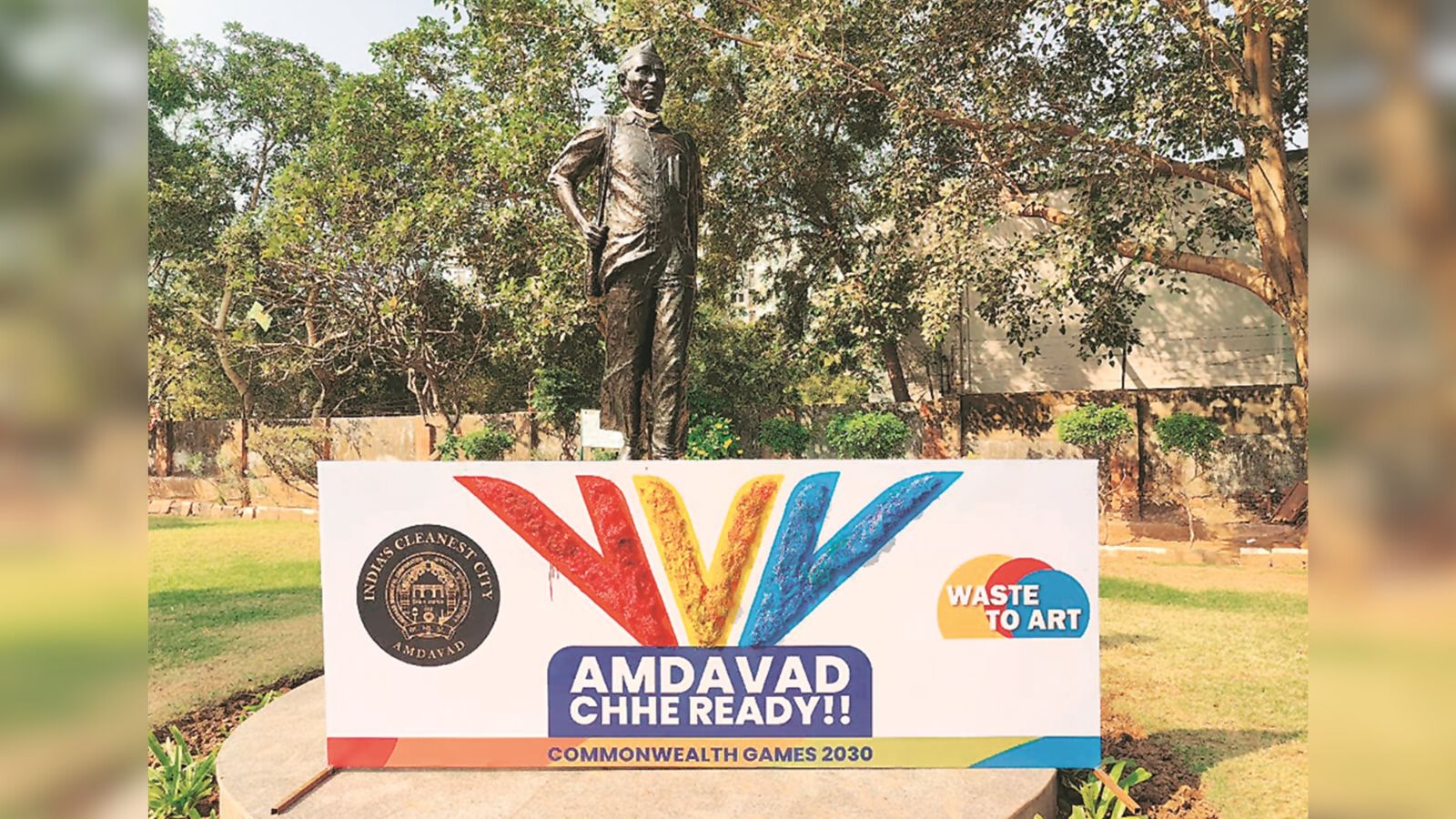
I recall the experiences at my local sports club as Gujarat prepares to host the Commonwealth Games in 2030 and pursues its ambitious initiative to host the 2036 Olympics in Ahmedabad. These ambitions present an opportunity to link sporting aspirations with community health and citizenship. Preparing for a major international event like the Commonwealth Games can become a collective effort in both rural and urban neighbourhoods. The key question is: How can the excitement of hosting these events lead to transformative behavioural changes that address current health challenges?
Research on the London 2012 Olympics and the 2012 European Football Championship shows that mega sporting events have historically been leveraged to transform urban infrastructure, gain global visibility, and animate a sense of national identity. A 2025 study of Tokyo’s Olympic preparations documented improvements in infectious-disease surveillance and coordination. Similarly, a 2026 study on preparations for the Milan-Cortina Winter Olympics described integrated efforts in disease surveillance, food safety, and environmental hygiene. WHO’s 2024 report, ‘Changing the Game’, also identifies sporting events as platforms for promoting physical activity, nutrition, and public health preparedness.
For Gujarat, the 2030 Commonwealth Games offer an opportunity to translate political attention, public enthusiasm, and a shared timetable into ongoing partnerships among health services, educational institutions, and community organisations. Building these relationships into preparations could help create a public health legacy grounded in well-being and equity. Further, public health research indicates that time-bound, high-profile events foster three crucial conditions for health system transformation.
First, they generate sustained political attention and inter-departmental coordination that is otherwise difficult to maintain. Second, they provide moral and symbolic legitimacy to demand behavioural change from citizens and institutions. Third, they impose a fixed deadline, which encourages measurable targets, phased planning, and accountability.
Gujarat’s current health profile makes mobilisation urgent and relevant, and the state’s healthcare advancements provide a foundation for further progress. According to the National Family Health Survey (NFHS-6, 2023-24), institutional deliveries in Gujarat stand at 97.1 per cent, exceeding the national average of 90.6 per cent. Child nutrition has also shown improvement; however, stunting still affects 35.3 per cent of children under five, compared to 29.3 per cent nationally, while the prevalence of underweight children is 35.5 per cent, against a national figure of 31.8 per cent. The prevalence of anaemia reveals the scale of the challenges ahead. NFHS-5 recorded anaemia among 79.7 per cent of Gujarat’s children aged six-59 months, compared with the national average of 67.1 per cent. Additionally, 65 per cent of women aged 15-49 in Gujarat are affected by anaemia, compared with the national average of 57 per cent. While NFHS-6 does not provide updated estimates for anaemia, new findings from the ICMR’s SAMPADA survey are anticipated. Alongside undernutrition, Gujarat faces metabolic health risks. NFHS-6 found overweight or obesity among 32.1 per cent of women and 29.9 per cent of men aged 15-49, exceeding national figures of 30.7 and 27.3 per cent. Elevated blood pressure or medication use affected about one in five adults aged 15 and older, broadly resembling the national pattern, while male tobacco use among men aged 15 and above remained higher, at 38.4 per cent against the national average of 36.3 per cent.
Importantly, these challenges are unevenly distributed across districts, with tribal and socio-economically disadvantaged regions bearing disproportionate burdens. This suggests that Gujarat’s core public health challenge is no longer one of scheme availability, but of quality, convergence, and equity. The strategy to achieve this could begin by encouraging and supporting a network of community-owned sports and arts clubs, drawing on local libraries, cooperatives, and local panchayats. Residents should help choose activities, manage shared resources, and review how their clubs function, with colleges sustaining partnerships through student projects. The pleasure of playing and the companionship of others should remain central, allowing relationships to develop through which people can seek help, share knowledge, and undertake responsibilities together. Connecting these clubs and collectives with primary care teams could facilitate discussions and debates about nutrition, vaccination, anaemia, tobacco use, and other health challenges.
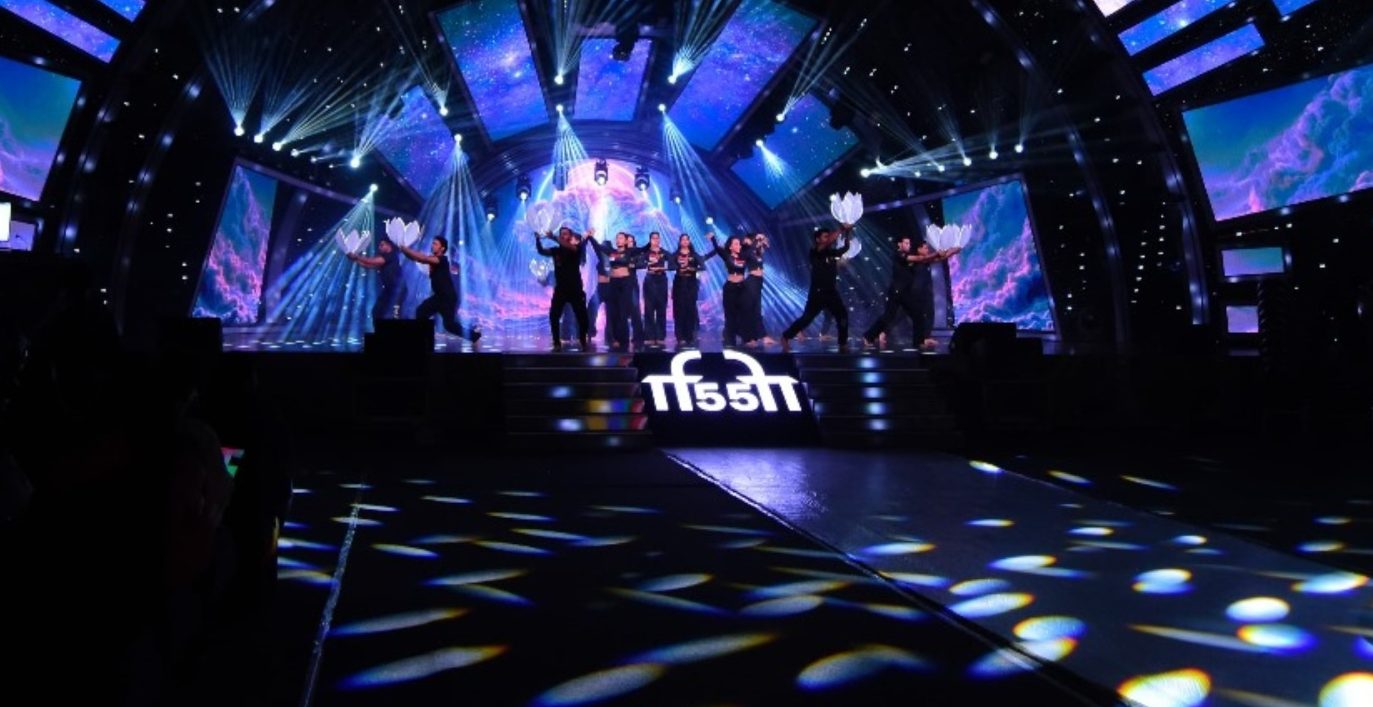
At IIT Gandhinagar, we saw a similar opportunity when a group of undergraduates expressed interest in doing an independent project with me. Given our enthusiasm for sports and the arts, we decided to organise a sports festival and activate the local library in the neighbouring village. The sports festival, held at the local school grounds, attracted overwhelming participation from the entire village. While preparing for the festival, the village residents asked if we could also organise a health camp as part of the event. The doctors and support staff from IIT Gandhinagar were eager to contribute. Our engagement with the local school and the village deepened, demonstrating that the sports festival could help build relationships that extend into other areas of community life.
Leveraging the prestige and popularity of the Commonwealth Games 2030 can leave Gujarat a legacy that grows through everyday life: Children returning to playgrounds, neighbours supporting healthier habits, and communities shaping the care they receive. Drawing on its cooperative traditions, Gujarat can turn the shared pleasure of sport into a continuing commitment to health, giving India a model of wellbeing built through participation, citizenship and responsibility for one another.
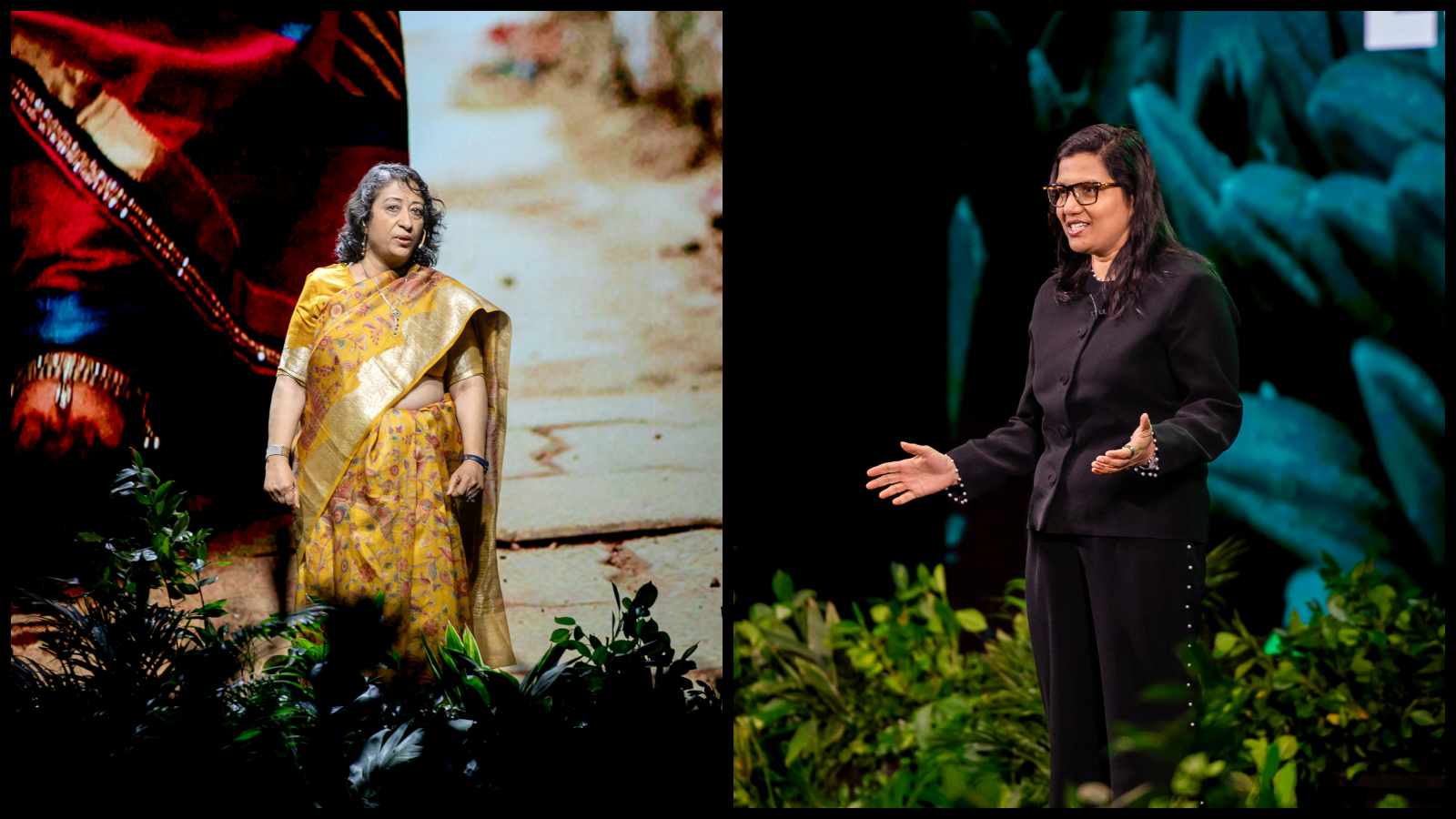
The writer is Professor of Philosophy and Cognitive Science at the Indian Institute of Technology Gandhinagar