
The Trump-Iran MoU restores the status quo — with a few exceptions
Notably, it does not include specific provisions for discussing the curtailment of Iran’s ballistic missile capabilities or its support for regional proxies
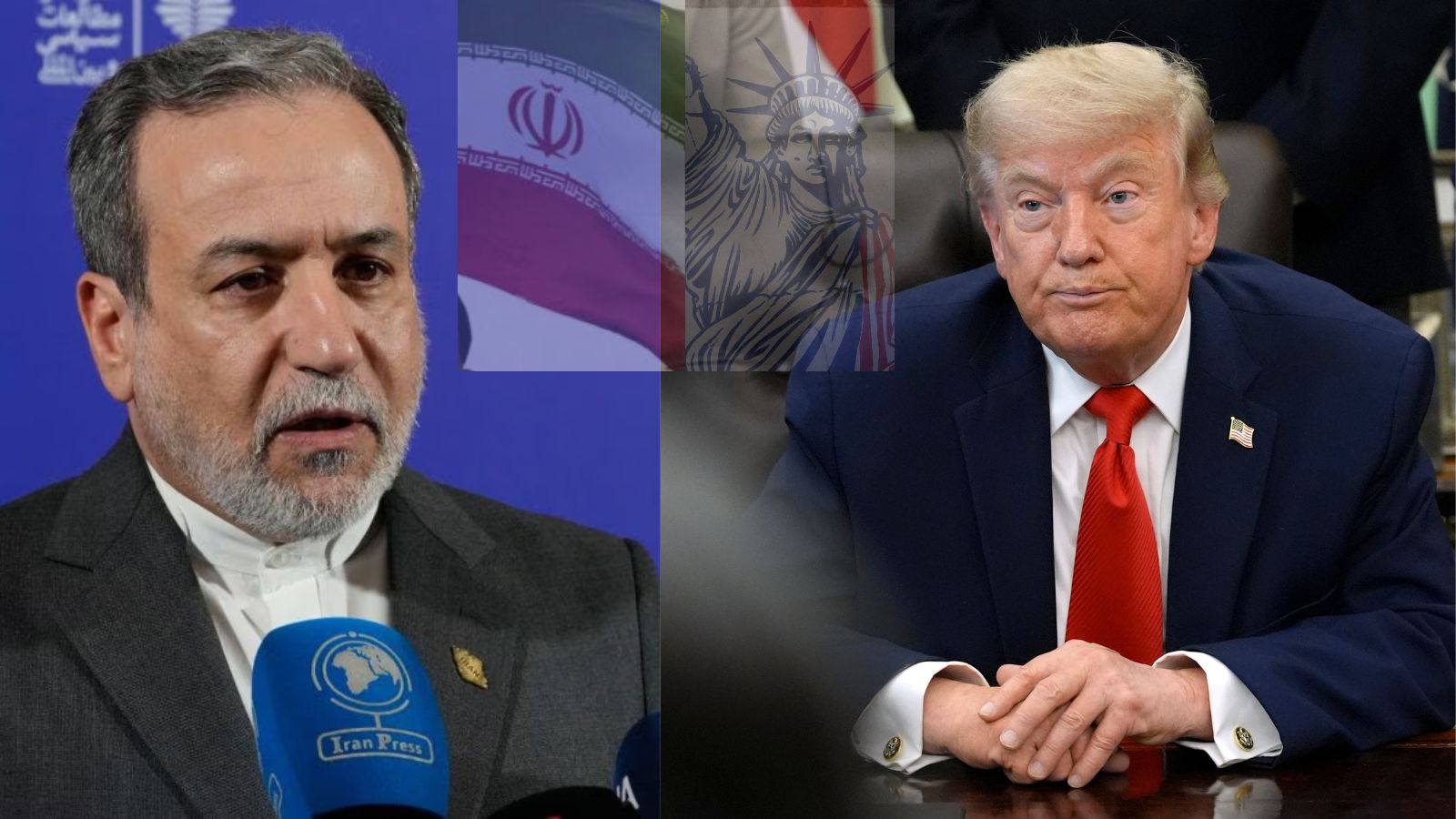
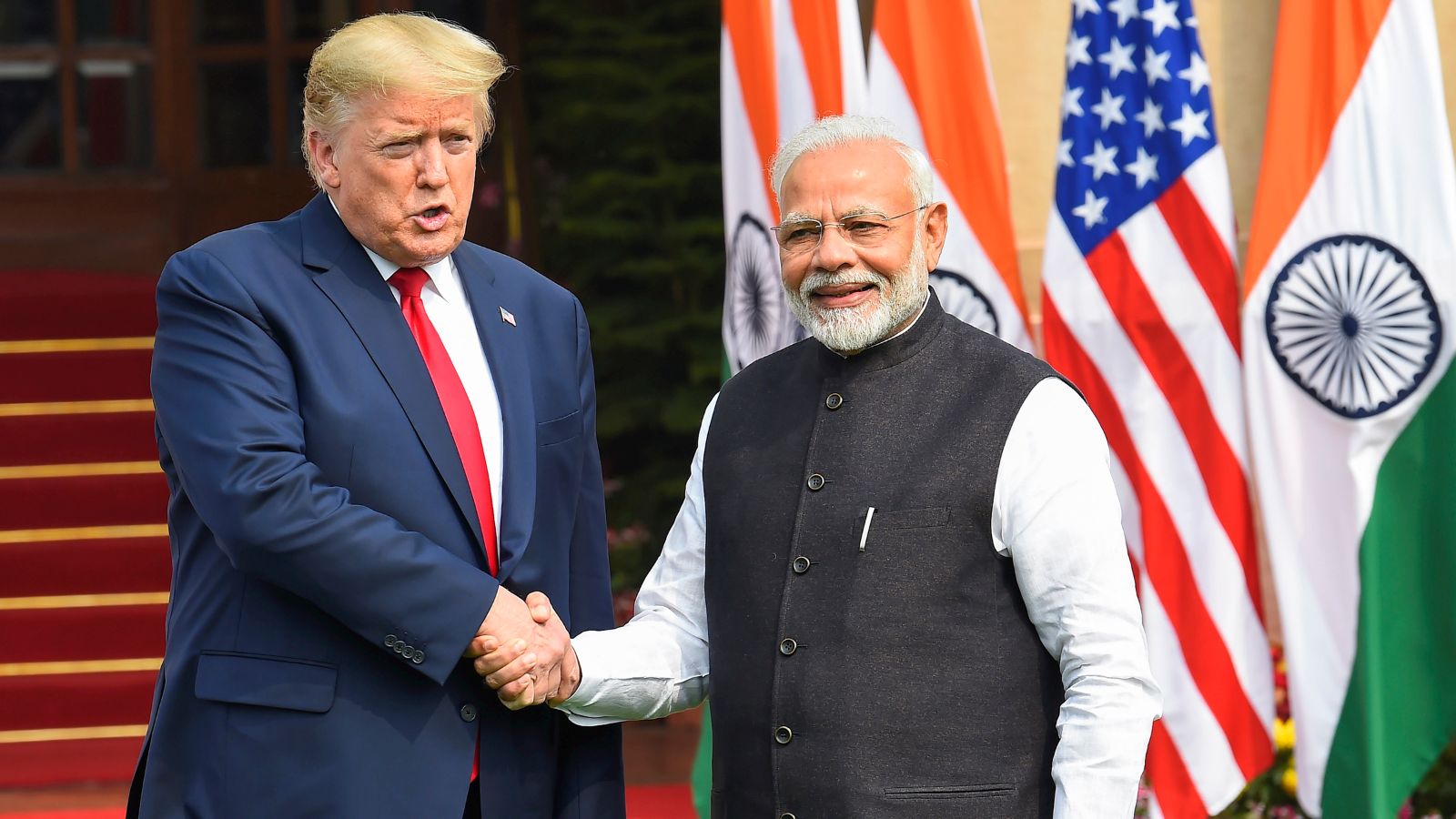
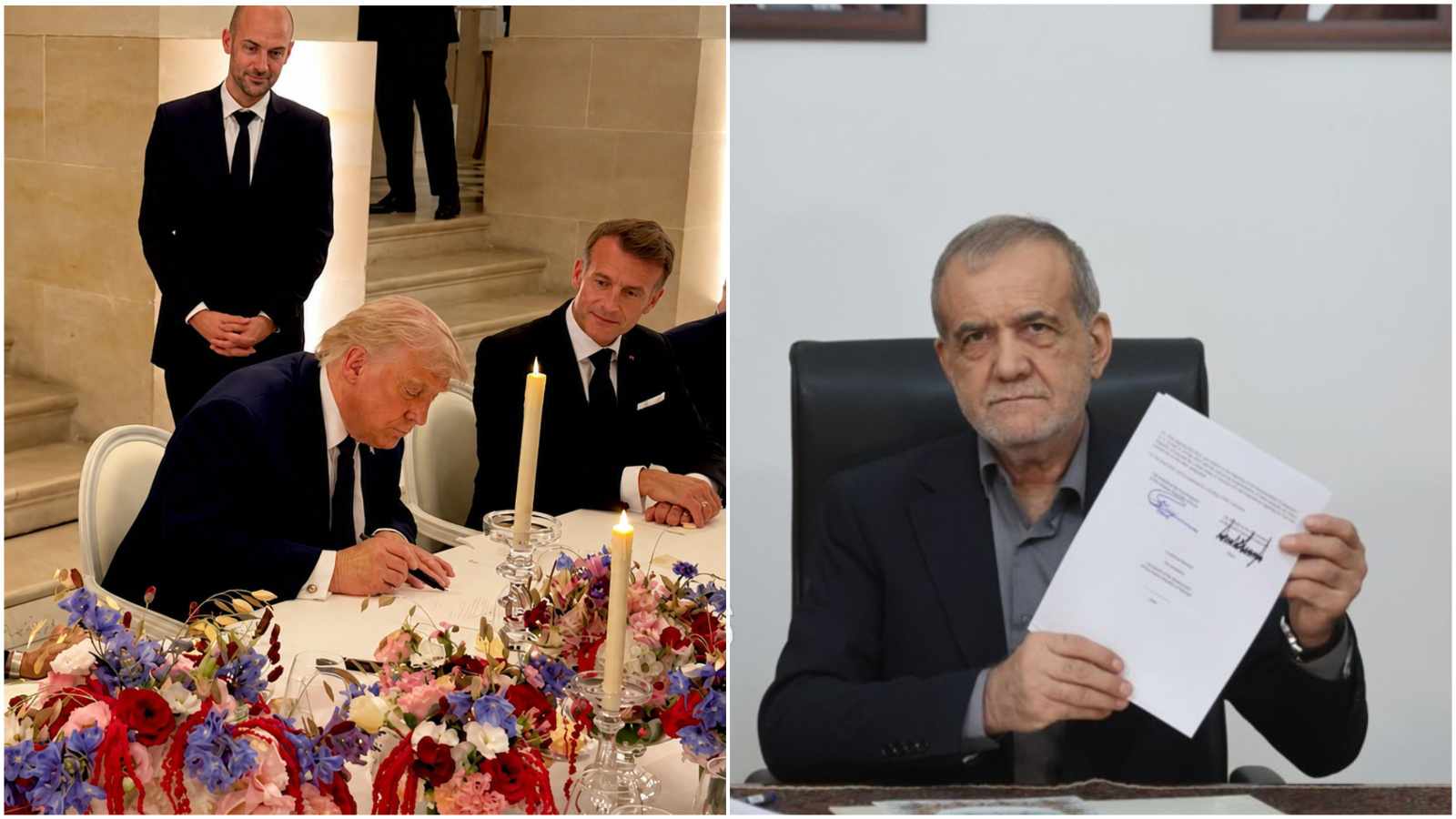
The 14-point Memorandum of Understanding (MoU) — which had been digitally signed last Sunday on US President Donald Trump’s 80th birthday — was again signed by him early Thursday morning, our time, at a Versailles dinner hosted by French President Emmanuel Macron. Though Iran was not represented in Versailles, it also released the text around the same time. This official release came after global media outlets leaked the full text yesterday morning.
According to the MoU, a final agreement is to be negotiated within 60 days, extendable by mutual consent; a commitment by Iran that it will never produce nuclear weapons; the US to lift the naval blockade of Iran fully within 30 days (which it has already done); the movement of ships through the Strait of Hormuz to full capacity within 30 days; and the US issuing waivers for exports of Iranian crude oil and other products and services.
In addition, Iran and the US, together with their allies (read Israel, though it is not a party to the deal), will permanently and immediately end the war on all fronts, including Lebanon; cease all hostile action or threats of force against each other. The MoU also specifies that both sides will address the fate of enriched material, including Iran’s nuclear needs. The final agreement will be approved through a binding resolution of the UN Security Council.
Notably, the MoU does not include specific provisions for discussing the curtailment of Iran’s ballistic missile capabilities or its support for regional proxies. However, these issues could still be raised during the negotiations due to heavy pressure from Republicans, Israel, and the Gulf countries.
The MoU primarily restores the status quo ante. Before the commencement of Operation Epic Fury on February 28, the Strait of Hormuz was open for free passage with no US blockade. The US and Iran had just completed the third round of their discussions on nuclear and other issues on February 26, with a tentative fourth round being considered for March 2. The outcome of the recent war is that nuclear negotiations have essentially returned to the starting point, but with one key difference: The US is now waiving sanctions on the export of Iranian oil and allied products, while offering assurances of relief on frozen Iranian assets.
Further, during the discussions preceding the US-Israel joint attack on Iran, the US insisted on zero uranium enrichment, while Iran maintained its inherent right to enrich. However, Iran showed a willingness to compromise by offering to transfer its 60 per cent enriched uranium to a third country and suspend enrichment for several years. In the forthcoming 60-day negotiations, Iran is likely to agree to its pre-war concessions, with a significant condition of its own: It will now reject transferring the enriched material abroad, opting instead to down-blend it below 5 per cent while eventually agreeing to a 10-to-15-year enrichment suspension.
The key new element is Iran’s explicit declaration that it will never produce nuclear weapons. While this commitment is already implicit in the Nuclear Non-Proliferation Treaty (NPT), to which Iran has been a party since 1970, and has been repeatedly reaffirmed by Tehran — including through an oral fatwa attributed to Ayatollah Ali Khamenei in 2003 — the difference now is that Iran is effectively waiving the NPT’s standard withdrawal clause. Tehran has never given notice to withdraw from the treaty despite enduring major conflicts in June 2025 and in February this year.
Another major concession that Iran has managed to secure upfront is a ceasefire in Lebanon, where it suffered immense strategic damage following Israel’s killing of Hezbollah chief Hassan Nasrallah in 2024 and the near-decimation of the group’s military capabilities.
While the MoU could be seen as “Advantage Iran”, its conclusion has already brought significant domestic and economic benefits for President Trump. Oil prices, which skyrocketed to $126 per barrel during the conflict, have plunged below $80, triggering a major stock market rally. Further, the US secured a binding commitment from Iran never to produce nuclear weapons. This diplomatic concession comes after a military campaign in which the US inflicted massive damage on Iran’s military infrastructure, eliminated key leadership figures, and enforced a sustained blockade that caused severe domestic economic hardship in Iran.
The conclusion of the MoU announced by Trump last Sunday sparked widely varying reactions across the US. While the MAGA base backed the deal as a triumphant validation of Trump’s “maximum pressure” strategy, traditional Republicans remained conflicted — mirroring warnings from the CIA Director that Tehran might use the 60-day diplomatic pause as a strategic stalling tactic.
Concurrently, Democrats blasted the framework as flimsy and dangerously vague. Meanwhile, the broader American public responded with a mix of relief over the end of the conflict but scepticism regarding Iran’s genuine willingness to comply with its nuclear concessions.
However, the official release of the MoU’s terms has already sharpened domestic reactions within the US, where critics have termed it a “jaw-dropping humiliation” and a “surrender”. This severe criticism, combined with fierce opposition from an Israel that feels it stands to lose the most, has significant potential to derail the upcoming 60-day negotiations.
A major flashpoint will be Lebanon, as Iran is expected to insist on a complete Israeli withdrawal during the talks. Compounding this friction, Trump has already suggested that he will look to Syria to handle Hezbollah — a strategy that seeks to exploit the deep animosity between the current Syrian leadership and the militant group.
Thus, while much of the global community is cheering the MoU in hopes of a lasting peace, significant hurdles remain in achieving it.
The writer is former Governor of India to the International Atomic Energy Agency (IAEA), Vienna, former ambassador to Egypt and former Permanent representative to the Arab League