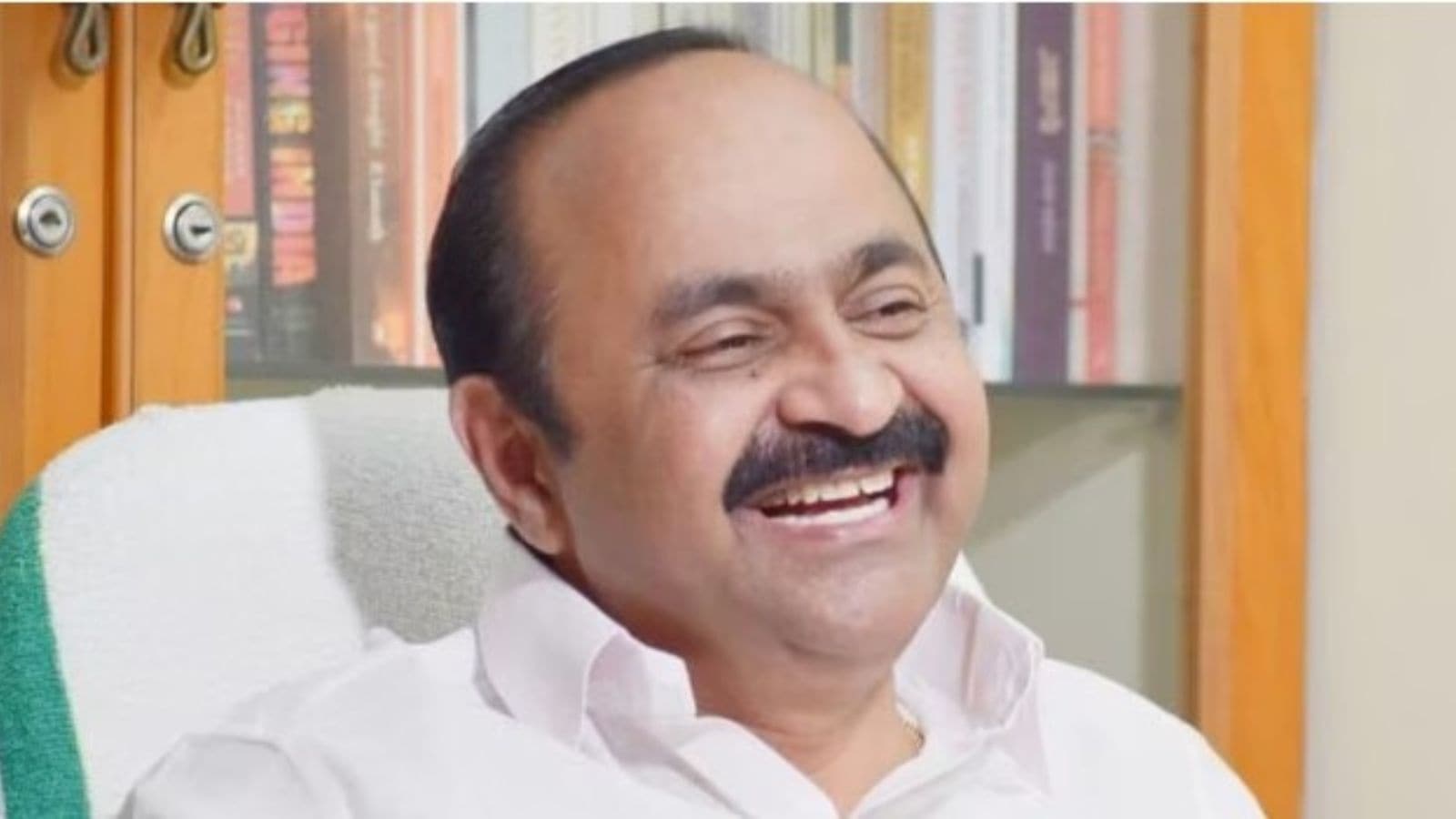


V D Satheesan is new Kerala CM. It’s also a win for democratic competition
Of the two who emerged as the main rivals to Satheesan, Ramesh Chennithala at least had a solid claim. It is doubtful whether either Satheesan or Chennithala would have countenanced K C Venugopal pipping them to the post
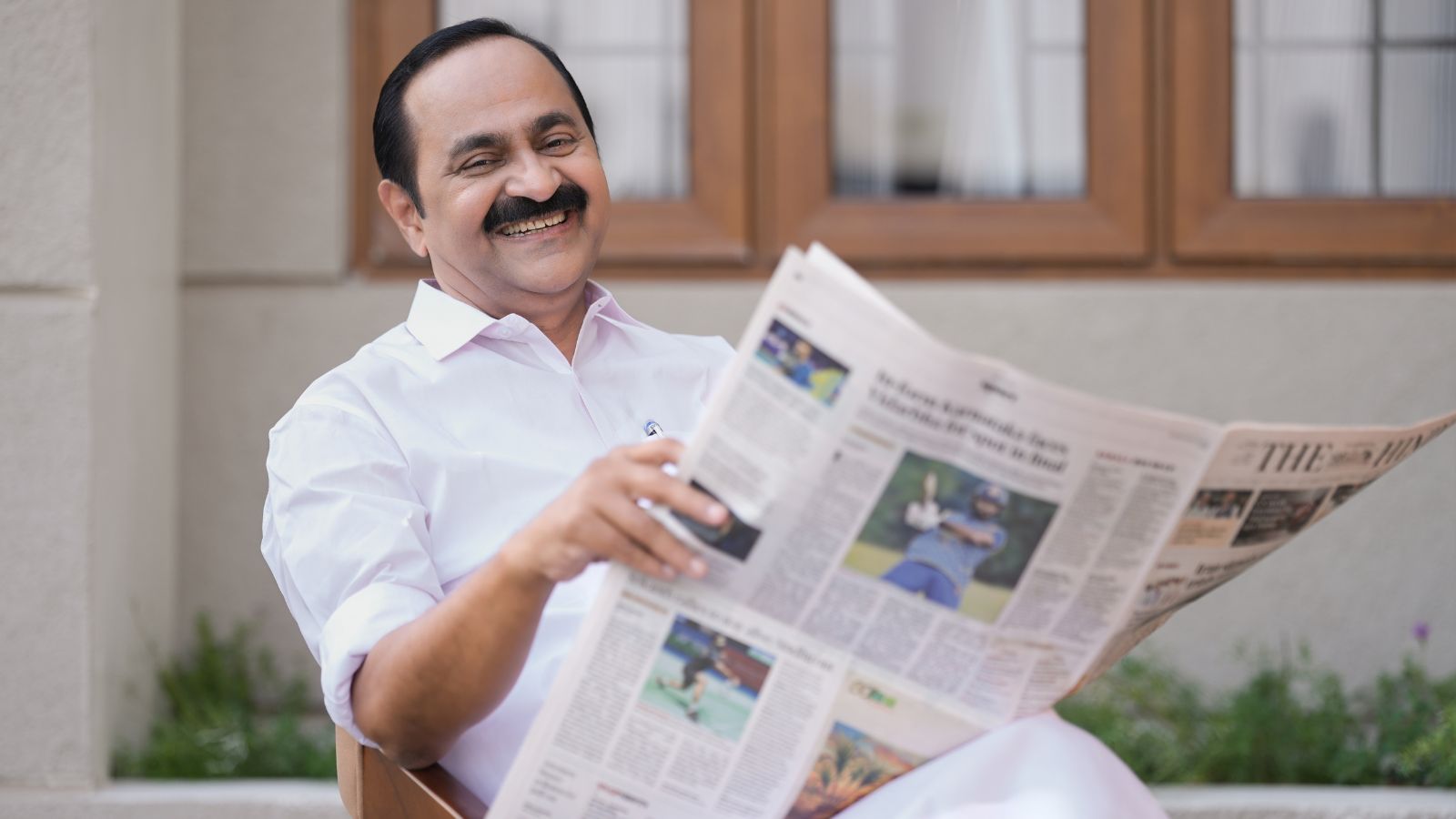
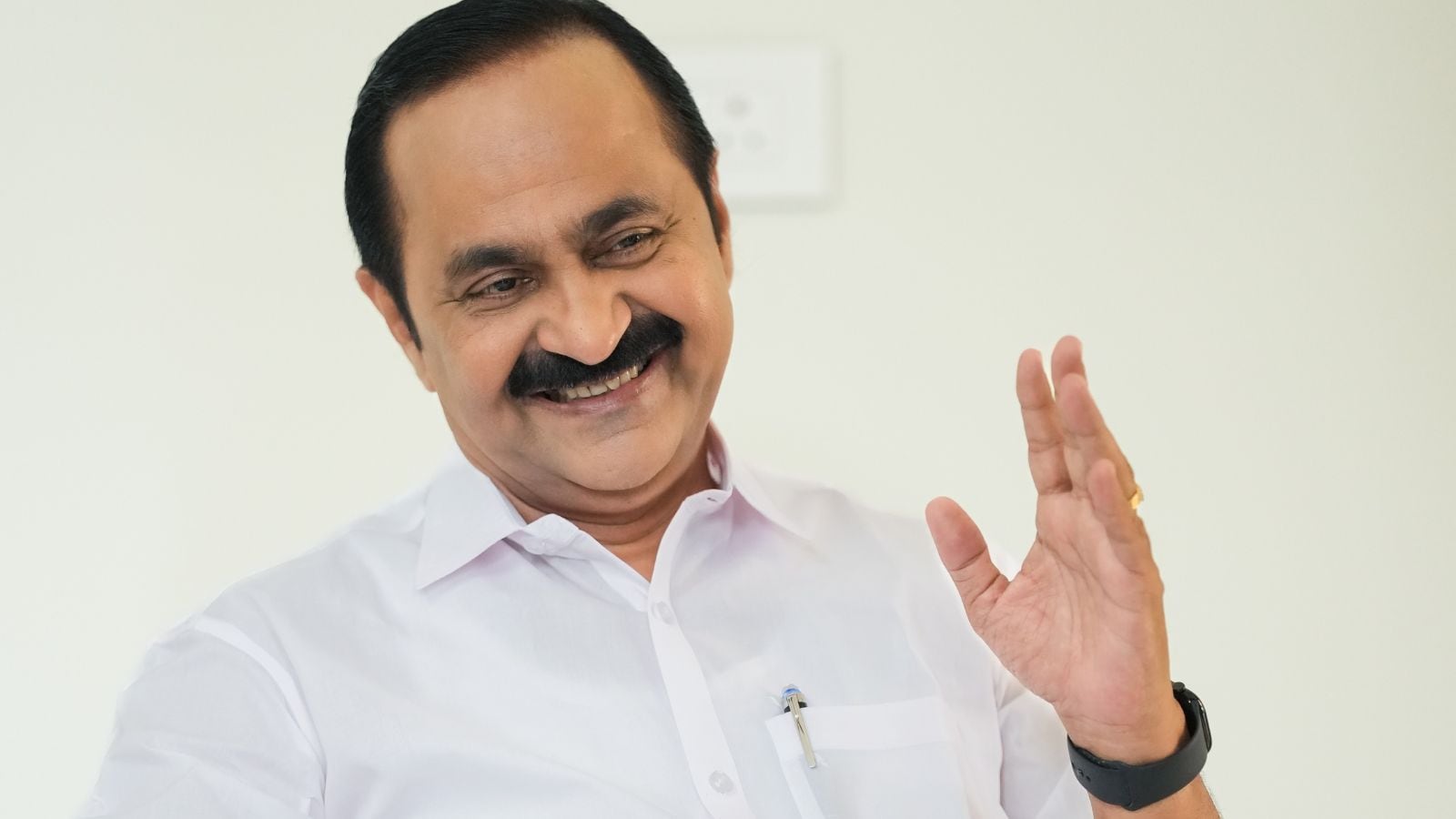
Democracy is alive and healthy in Kerala. That was about the only good news to emerge at the end of the sordid 10-day drama in the Congress high command after the result of the 2026 Assembly election was announced on May 4. It was the sheer mass upsurge of the people that broke through the barriers put up by the party organisation and a commandeered block of legislators to install V D Satheesan in the chief ministerial chair.
Satheesan is popular enough, but more than the people’s liking for him, it was the rank outrage at the injustice being perpetrated that fuelled the surge of emotion in his favour. From the time he took over as the Leader of the Opposition in the Legislative Assembly five years ago (after a debilitating second consecutive defeat for the Congress-led United Democratic Front in the 2021 election), Satheesan has been at the forefront of the confrontation with the Left Democratic Front. Inside the House, he was extremely active in digging out wrongdoings or shortcomings in the government’s functioning. Outside it, he was, as the public was to realise later, just as relentless in wooing back to his party’s fold social sections that had broken away over the years. Most commendably, he did this without pandering to organisations that have held UDF governments to ransom for far too long.
By the end of the campaign, Satheesan was clearly the leader of Team UDF, acknowledged by other alliance partners, especially the Indian Union Muslim League. Ironically, his success seemed to aggravate the problem he had to face next. Satheesan had been so confident that he predicted, as soon as the polling was over, that his alliance would get over 100 seats in the 140-member House. It got 102, and the magnitude of the victory seemed to stoke the rivalry for the top post. Absent the fear (incumbent in circumstances where the victory margin is narrow) that infighting could culminate in a loss of power, the jostling to push different leaders to the forefront in the hope of riding their coattails broke out like a rash.
Of the two who emerged as the main rivals to Satheesan, Ramesh Chennithala at least had a solid claim. He was the senior-most of the three and the most experienced in party as well as administrative matters. He has worked his way up in both spheres — a former Home Minister, Leader of the Opposition, and KPCC President — and his record was certainly not undistinguished. Equally important, Chennithala has always been a loyal soldier, willing to set his personal interest aside if such a step was necessary for the party. He has paid his dues, and this was the last chance for him to collect since the power dynamic had passed to the next generation. If the Congress high command had settled on Chennithala as its choice, the mass feeling would probably have been that he deserved it. It has been suggested by several who are well-informed that Satheesan would have acquiesced if Chennithala had been chosen.
It is doubtful whether either Satheesan or Chennithala would have countenanced K C Venugopal pipping them to the post. Yes, the AICC general secretary (organisation) did campaign vigorously. He is also believed to have been instrumental in getting leaders from outside the state — such as Telengana Chief Minister Revanth Reddy and Karnataka’s Deputy CM D K Shivakumar — to campaign. Even then, Venugopal’s bid smelled of something underhanded from the outset.
Venugopal was an integral part of the high command that set the principle banning MPs from contesting the Assembly polls. After the election, the MP who represents Alapuzha suddenly presented himself as a candidate for the leadership of the legislative party. His candidature should have been rejected at the outset, but a gambit had already been prepared. The loophole was the prior, though pro forma, announcement that the MLAs-elect would choose their legislative party leader. This should have been a formality since UDF voters had quite clearly indicated that only Satheesan and Chennithala figured in their considerations.
However, over the 10 days between poll result and CM choice, it appeared that at least a plurality of legislators, maybe even a majority, wanted Venugopal. It was also widely bandied about that Venugopal had helped many of them shore up their campaign funds. All the squalor of India’s current politics was suddenly on display: Money power counting for more than the voter’s choice; central leaderships of parties running roughshod over federating units; diktats from above counting for more than free expression from the ground.
The groundswell against all this might have been visible mainly in social media posts. But it could be sensed by people living in the state — and strongly at that.
Menon is a journalist who was once based in Pakistan. He is the author of the book Never Tell Them We Are The Same People: Notes On Pakistan