

US-China are recalibrating ties. Five things India needs to keep in mind amid the change
India has to assess trends, anticipate and prepare for crises (as China did for Trump’s tariffs of last year and the energy crisis now) and avoid strategic crutches
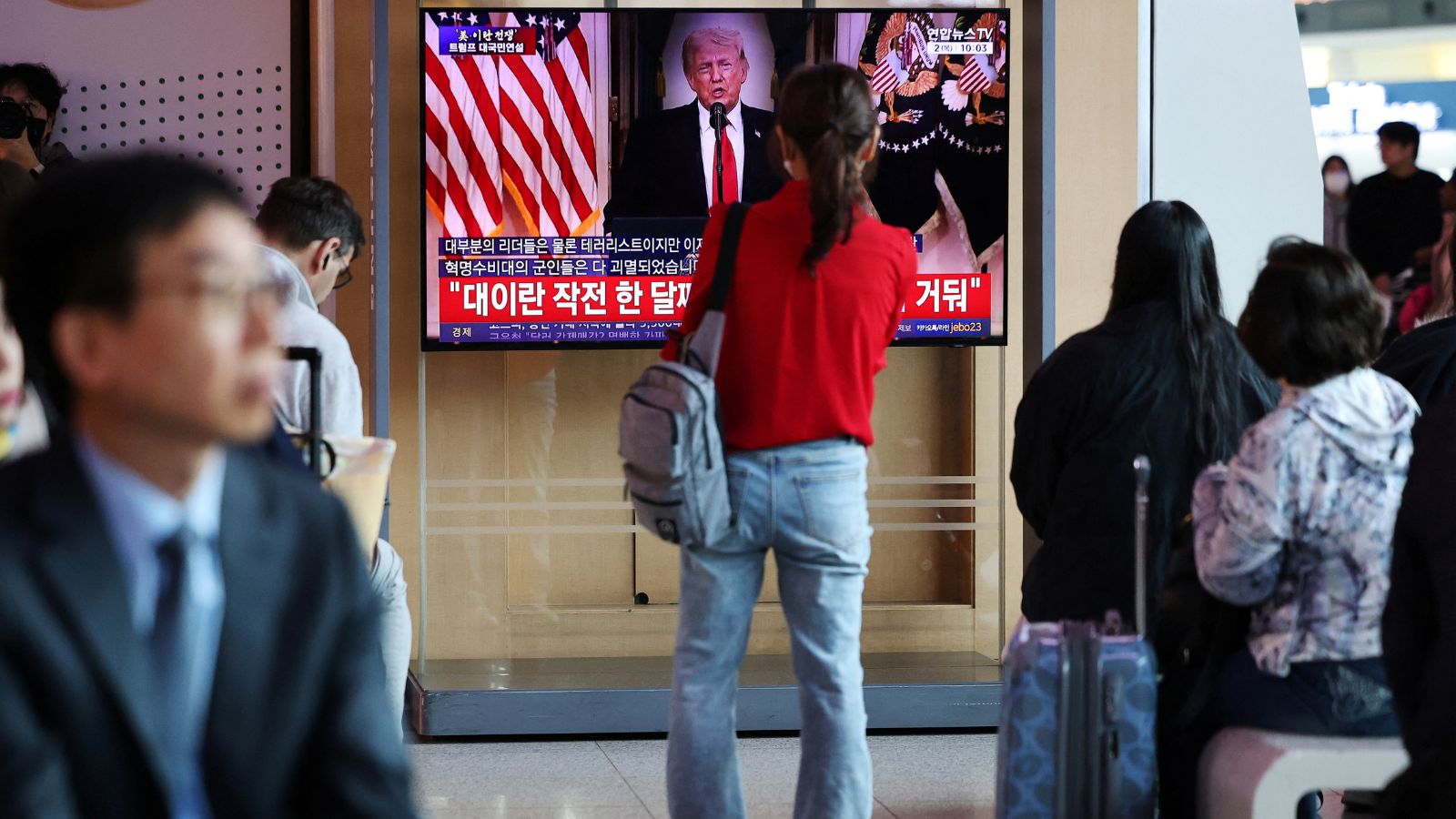
As the world remains fixated on the Iran war, significant changes in the US-China rivalry, and their implications for India, are less in the limelight. Donald Trump’s presence as a disruptive force and Xi Jinping’s reputation as an exceptionally consequential leader obscure a deeper truth: The global order is being reshaped not only by the decisions of individual leaders but by structural forces that will outlast them. Trump is a symptom, product and catalyst of broader shifts in American political and strategic thinking. The challenge posed by China is rooted in long-term ambitions, accumulated capabilities, and national narratives that will persist beyond Xi’s tenure.
For India, this means the strategic challenges it faces are not passing clouds that will dissipate with leadership changes in Washington or Beijing.
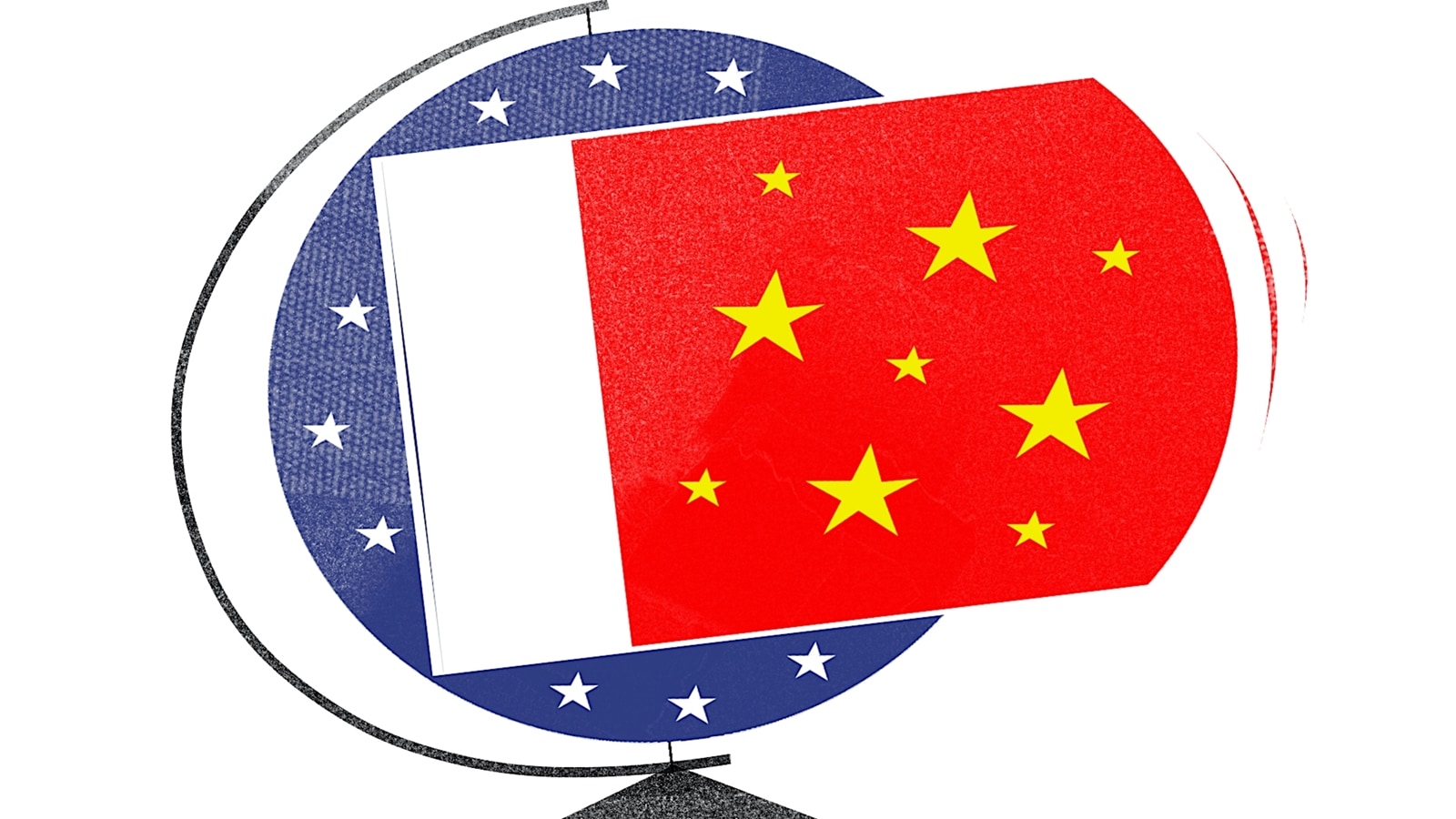
For much of the past decade, Washington framed its relationship with Beijing as great-power competition, placing the Indo-Pacific as the pivotal theatre. In the second Trump administration, China is being seen primarily as an economic competitor rather than a systemic rival. The Western Hemisphere has been elevated above Asia as the centrepiece of US strategy, ideological rivalry has been downplayed, and transactional bargains with Beijing have been foregrounded.
Washington and Beijing now share an interest in maintaining a degree of stability in their relationship — though for different reasons. The US seeks to manage competition while attending to domestic economic and political priorities amid a profound strategic recalibration involving alliances, trade, industrial policy, and global commitments. China seeks stability to deal with economic headwinds, complete its technological self-reliance drive, and buy time in the domains in which it lags. The result is a relationship less confrontational in tone but no less competitive in substance — its equilibrium increasingly favours Beijing.
The Iran war has exposed an uncomfortable truth: The US is not merely recalibrating, it is becoming less predictable, more militarised, and increasingly erratic in its diplomacy. China’s response — calling for a ceasefire, avoiding entanglement, and invoking international law —stands in sharp contrast. The result is a subtle but important shift in perception: China appears responsible and restrained; the US appears impulsive.
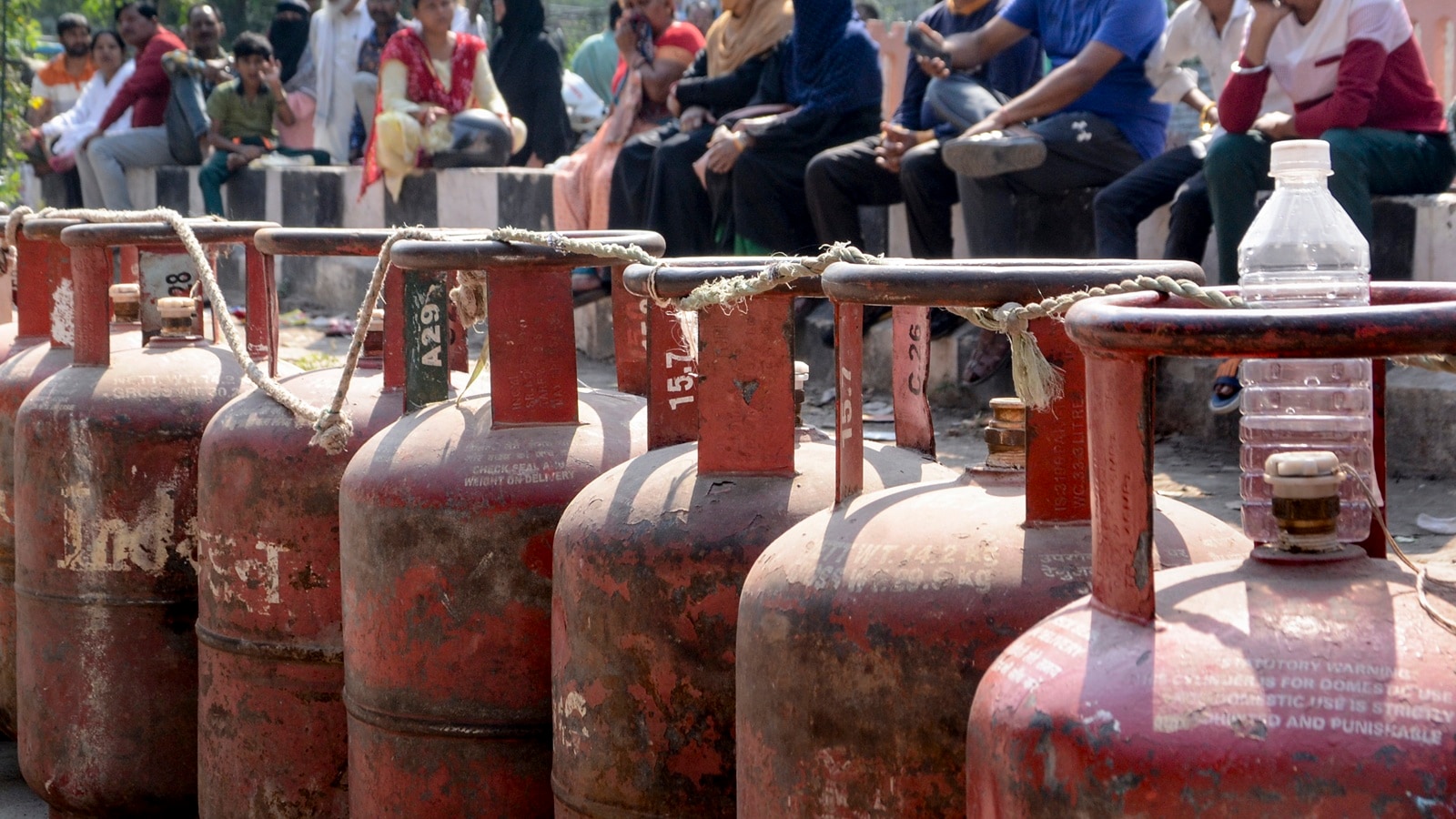
China was well-prepared for the energy shock triggered by the war. It has diversified crude and gas imports, built the world’s largest strategic petroleum reserve, pursued the fastest electrification programme globally, and dominates solar, wind, EV, battery, and green-tech supply chains.
The conflict has accelerated the global transition from petrostates to electrostates. China, with its dominance of the renewable energy space, is well placed to benefit as the Iran war makes fossil fuels riskier. The US, doubling down on fossil-fuel geopolitics, finds its structural leverage increasingly outdated in comparison.
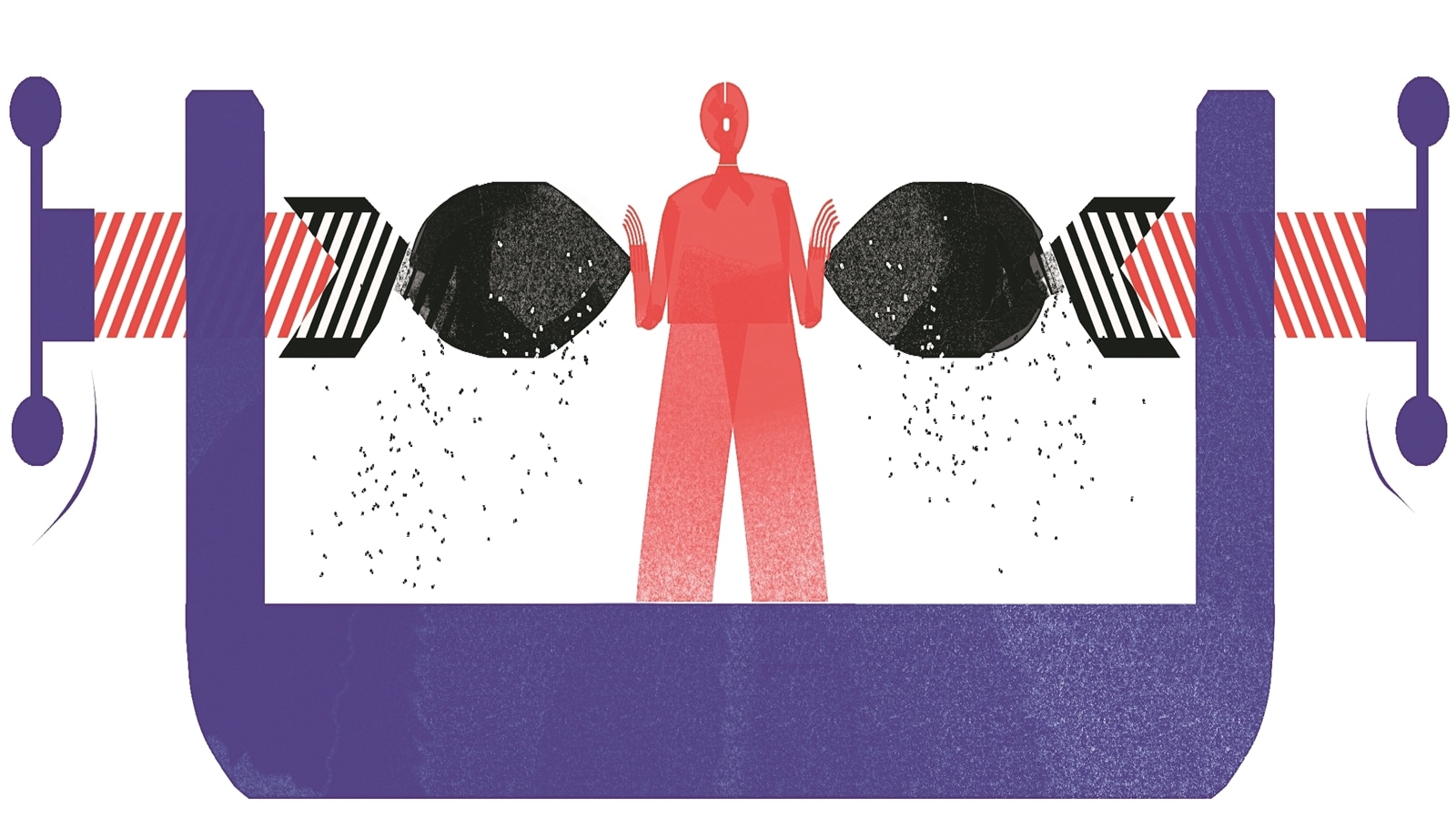
These shifts converge to squeeze India’s strategic space in ways that must be honestly reckoned with.
The utility of external balancing of China through the US has diminished. Washington remains committed to preventing Chinese hegemony in Asia, but it is a distracted great power, less willing to accommodate India as a strategic counterpoise to China. A more transactional US-China relationship raises the possibility of deals struck over India’s head. Chinese analysts argue that India’s interest in improved relations with China derives from turbulence in India-US ties — a reading that reduces Beijing’s incentive to offer meaningful concessions. India’s salience has declined in both capitals, exposing a strategic vulnerability.
Compounding this picture, the global AI landscape is moving toward bipolarity. For valid strategic and security reasons, India cannot align with the China stack, but exclusive reliance on US foundational models also carries risks.
The US-Pakistan thaw adds a further complication. Trump is susceptible to aggrandisement by Pakistan. The change is limited and tactical, but it gives Pakistan renewed leverage. The China-Pakistan nexus remains unaffected.
India’s response to this complex environment must be steady, resilient, and anchored in long-term capability building.
The first imperative is to recalibrate expectations from external balancing. India must deepen selective cooperation with the US on defence modernisation, maritime domain awareness, and critical technologies, while moderating expectations in conflict situations.
Two, India should engage China in more substantive strategic conversations with guarded realism. The two-track approach — addressing border-related issues firmly while pursuing calibrated improvement in the broader relationship — must continue without morphing into a search for contrived progress. China’s proposal for an “early harvest” in boundary negotiations, limited to Sikkim, must be resisted. India must be firm on the principle that peace along the line of actual control (LAC) is a prerequisite for broader normalisation, deny China salami-slicing along the LAC, and proactively explore a more balanced economic engagement with China. Given the widening capability gap, deterrence must be asymmetric and include quid-pro-quo options. Sustained investment in border infrastructure, cyber resilience, and jointness of the three services is not optional but essential.
Three, India has to build economic and technological resilience through dual de-risking, vis-à-vis both China and the US. Reducing dependencies on China in critical inputs is a strategic imperative, as is avoiding the creation of new dependencies on the US in domains like AI. India must invest in its own sovereign AI stack and green energy ecosystem.
Four, India must not succumb to the illusion of “middle-power coalitions”. Middle powers hedge, balance, and bandwagon; they do not set the rules. India is not a great power yet, but it shouldn’t identify itself as a middle power either.
Fifth, India urgently needs a reimagined Neighbourhood First Policy and reinvigoration of the Act East Policy. The world to India’s west is rightly getting more attention, but that must not be at the expense of strategic prioritisation of its neighbourhood or geography to its east.
India has to assess trends, anticipate and prepare for crises (as China did for Trump’s tariffs of last year and the energy crisis now) and avoid strategic crutches. This involves engaging when possible, deterring when necessary, and building indigenous military, economic, technological, and algorithmic capabilities.
The writer is former ambassador to China, Subhas Chandra Bose Chair of International Relations at Chanakya University and distinguished fellow, Vivekananda International Foundation