

UP crackdown on workers’ protests sends chilling signal
Ambedkar's emancipatory slogan, “Educate, Agitate and Organise”, lies at the core of our constitutional scheme of governance and democratic participation. The BJP claims to uphold Ambedkar’s vision while systematically hollowing out its democratic essence.
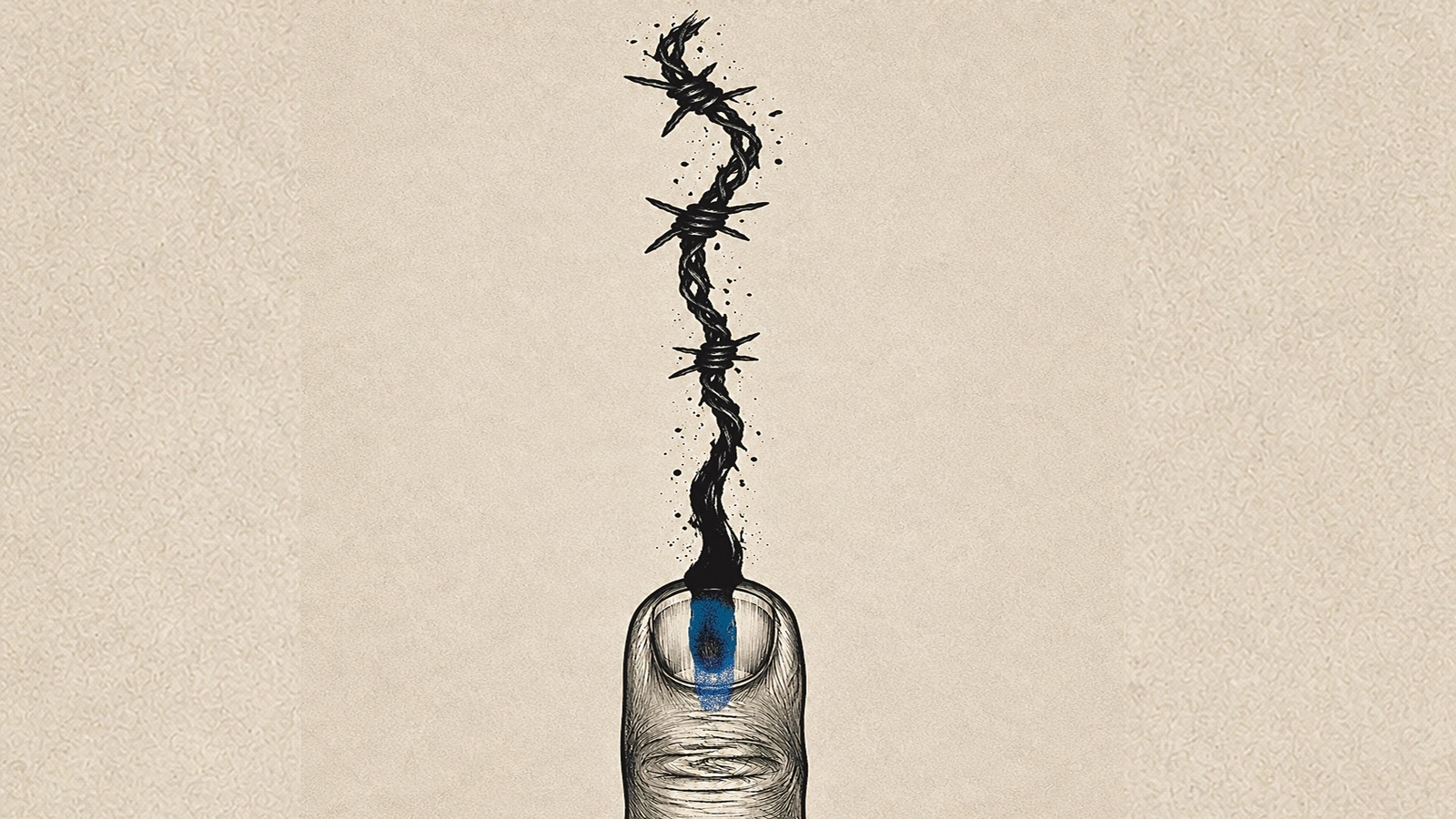
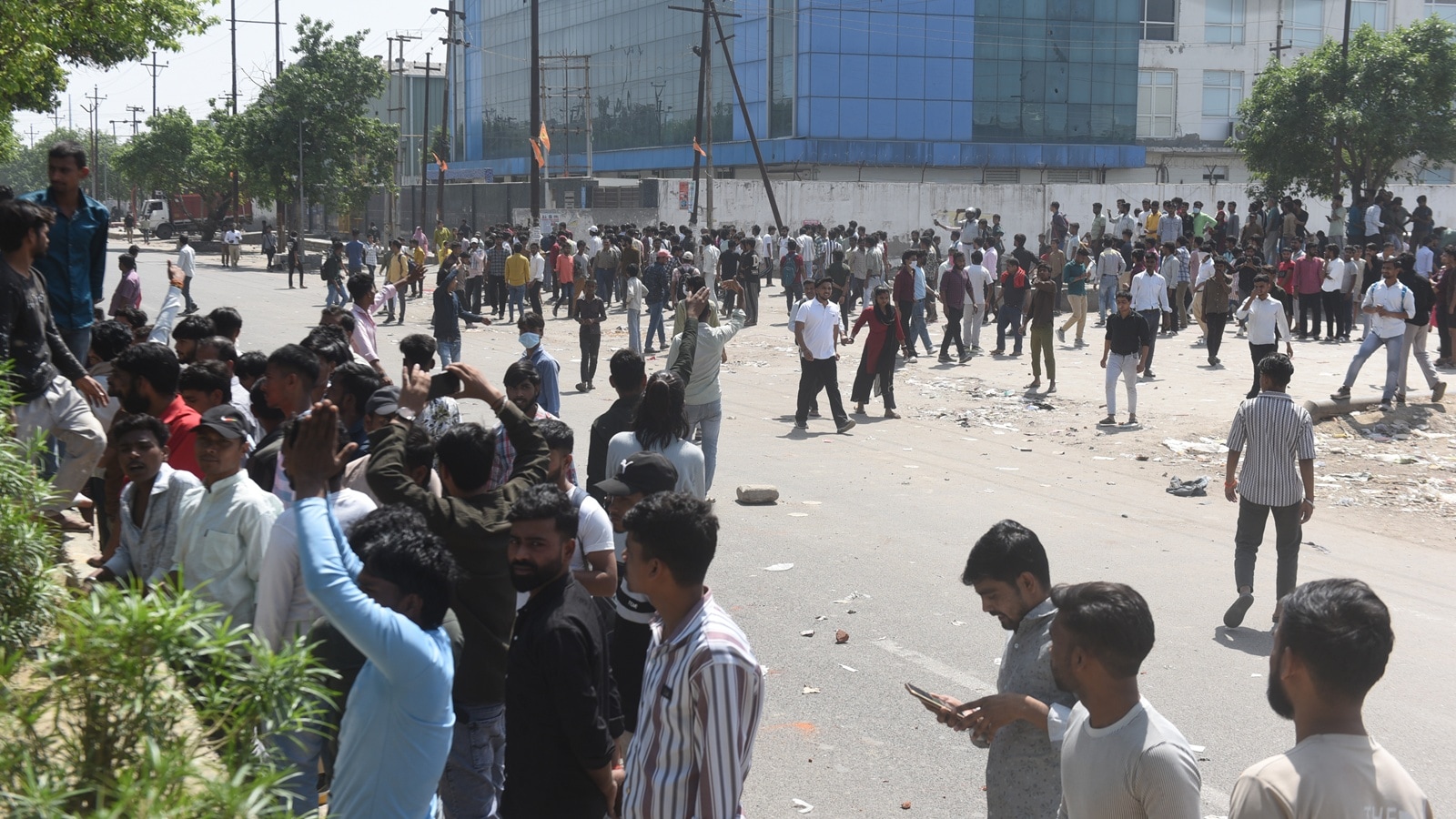
The Uttar Pradesh Police have acted egregiously in invoking the NSA against student activist Aakriti Choudhary and journalist Satyam Verma in connection with the Noida workers’ protest case, even while their bail pleas were being adjudicated in lower courts. The police have not provided Choudhary and Verma or their lawyer with documents stating the grounds on which the NSA has been invoked, a gross infringement of legal provisions.
The right to protest is being negated by the BJP regime in UP through retaliatory measures against dissenters. This directly attacks B R Ambedkar’s worldview anchored in agitation. His emancipatory slogan, “Educate, Agitate and Organise”, lies at the core of our constitutional scheme of governance and democratic participation. The BJP claims to uphold Ambedkar’s vision while systematically hollowing out its democratic essence. Such backbreaking penal action against protesters, activists and journalists also violates Mahatma Gandhi’s conception of Swaraj. In January 1925, Gandhi wrote in Young India: “Real Swaraj will come not by the acquisition of authority by a few but by the acquisition of the capacity by all to resist authority when it is abused. In other words, Swaraj is to be obtained by education of the masses to a sense of their capacity to regulate and control authority.” The constitutionally valid protests of workers in Noida, and the actions of Choudhary and Verma in solidarity with them, reflect this idea.
Yet, 100 years after Gandhi’s articulation, the authorities in UP are abusing state power, suppressing dissent and muzzling press freedom. These measures, especially the invocation of the NSA, chillingly evoke not merely the days of the Emergency but the British-era martial law imposed in Punjab in 1919, during which the Jallianwala Bagh massacre took place. Gandhi wrote that editors of several newspapers in Punjab and the trustee of The Tribune were arrested, while leading newspapers were shut down without any justification being offered by the colonial rulers. Gandhi described the repression of journalists and suppression of press freedom as a chilling manifestation of “Dyerism”. He wrote that unbending bravery was demanded of every man, woman and child to defeat a regime sustained through what he called the “doctrine of frightfulness”.
The people of India cannot remain silent spectators to the criminalisation of dissent and the weaponisation of draconian laws against workers, activists and journalists. The defence of constitutional rights, civil liberties, freedom of the press and democratic protest is today inseparable from the defence of India’s democratic republic itself. We shall therefore display, in Gandhi’s words, “unbending bravery” in resisting authoritarianism and defending the Constitution, democracy and the idea of India from the systematic assault unleashed by the BJP regime.
The writer is general secretary, Communist Party of India