The life of Puja: Vlogging from a village, a global citizen
She challenges the internalised idea that culture is a members-only club, open solely to the privately schooled, foreign-educated individuals of a certain pedigree, who were taught the Queen’s English as soon as they learnt to babble
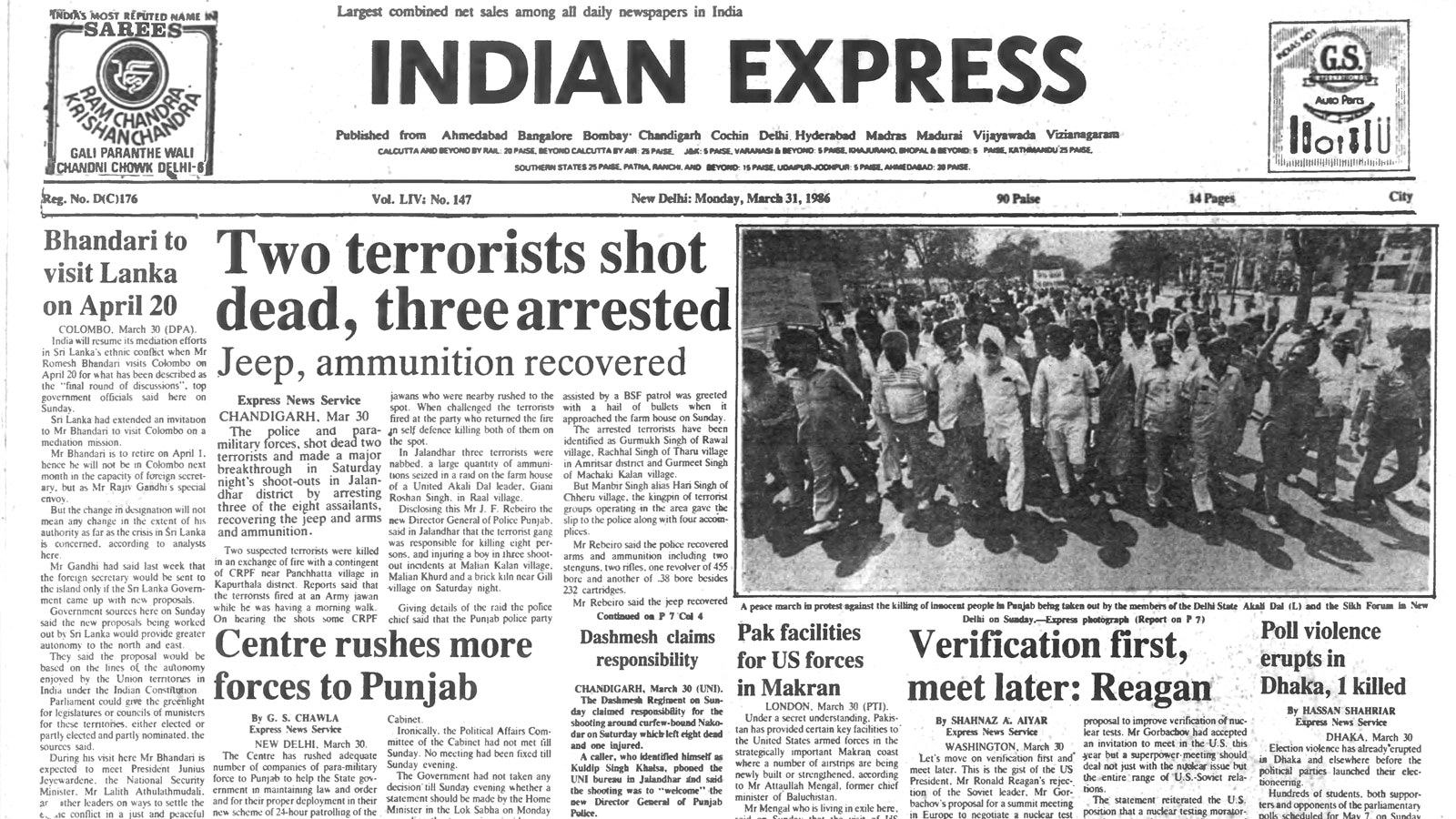
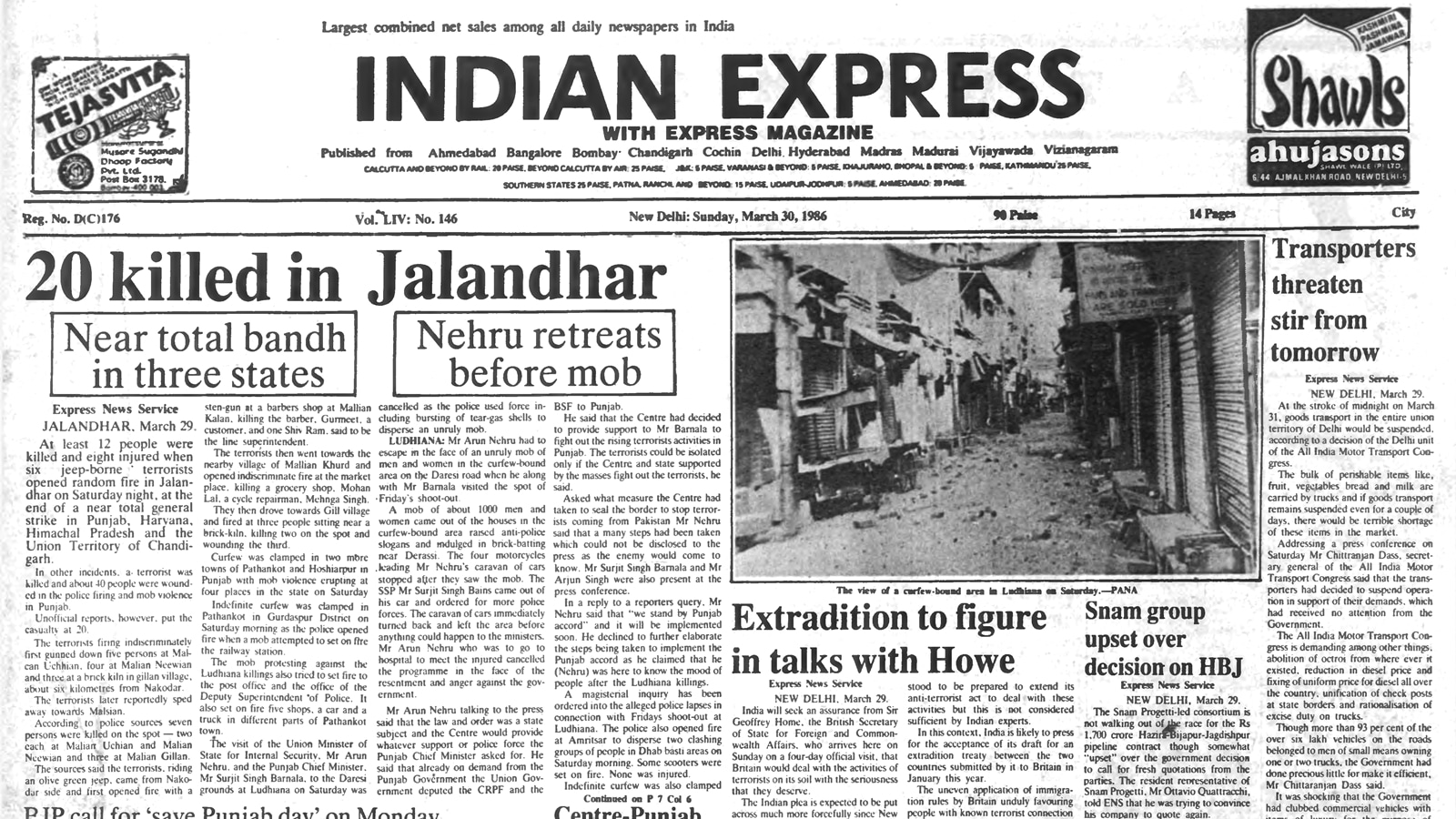
In 1983, the Marxist government of West Bengal ignored the writing on the wall — quite literally — when it eliminated English from the state primary school syllabus. “My son won’t learn English. Your son won’t learn English. But Jyoti Basu will send his son abroad to learn English,” the graffiti on the walls clapped back. By the time the policy was rescinded, 21 years later in 2004, an entire generation had been left behind. Two decades later, Pujarini Pradhan, an alumna of a government school, has claimed the language, once the fiefdom of the elite, as her own.
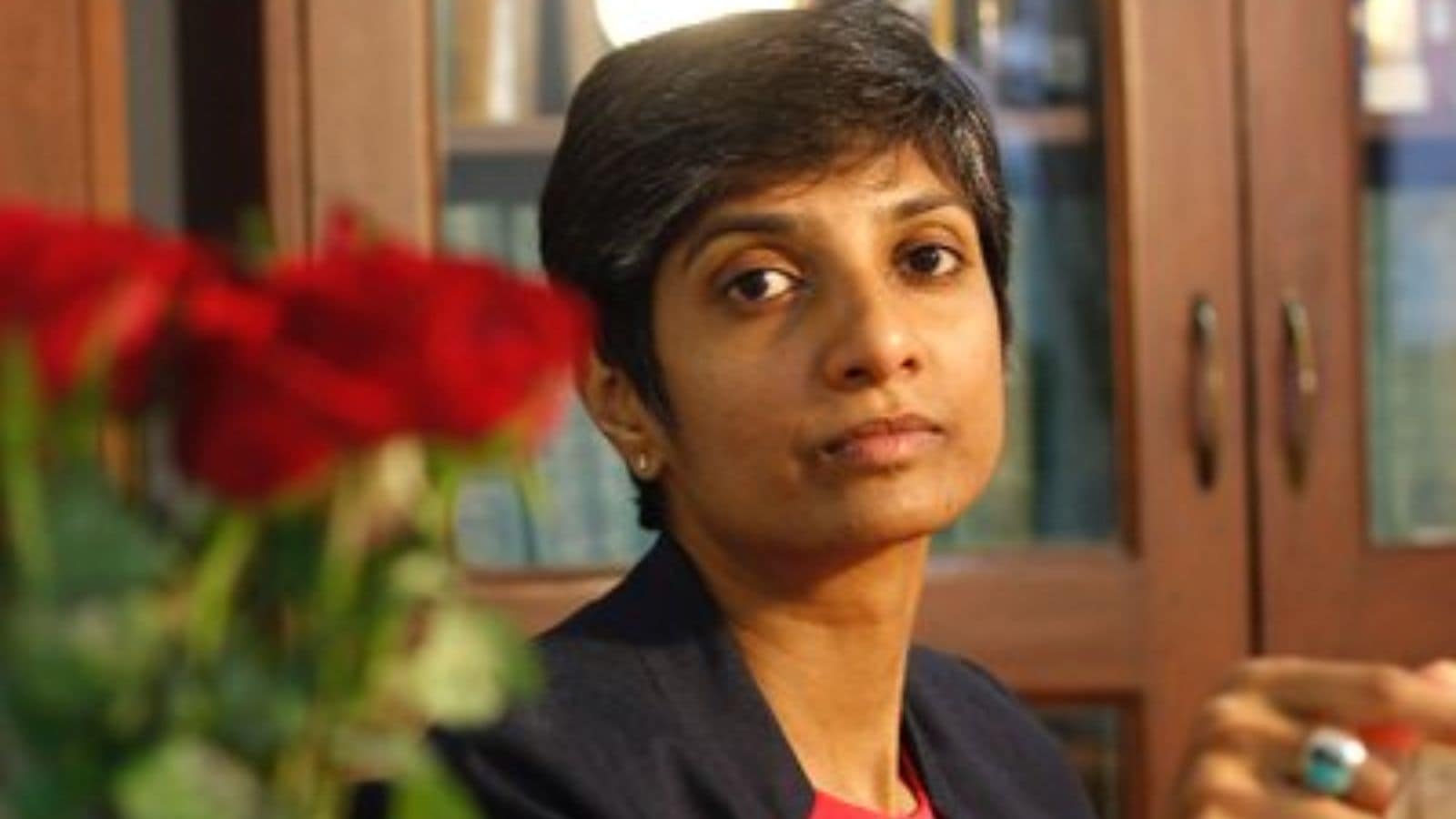
Chopping vegetables cross-legged on a cement floor under a tin roof, wearing a simple sari with her hair in a bun, Pradhan, at first glance, looks like your garden-variety vlogger from rural India. One is, however, immediately disabused of that notion when one hears her speak. Her conversations are about the Japanese filmmaker Takeshi Kitano, the South Korean director Park Chan-wook, Al Pacino in Serpico, Pachinko — the multigenerational saga of a Korean family that immigrates to Japan, and Khaled Hosseini’s A Thousand Splendid Suns. In a recent reel, she walks her followers through four books she finished in a week, among them was Rosarita by Anita Desai, a story about a girl who travels to Mexico and learns that her mother, whom she had always known as a housewife, was in fact a painter with an entire other life. It is not difficult to see why the book appealed to her.
In a world of aestheticised Instagram pages and manicured vlogs, her no-frills reels and unpretentious Indian English have earned a dedicated following of 8,02,000 people across two Instagram accounts. Her discerning taste in books and cinema, paired with a feminist worldview drawn from lived experience rather than vacuous rhetoric, has made her stand out among other influencers, and brands such as Netflix and Audible have taken notice.
In certain circles, her intellectualism has met scepticism, with a handful openly questioning how a mother from a West Bengal village could have the time or capacity to appreciate hefty literature and arthouse cinema. Her niche repertoire challenges the internalised idea that culture is a members-only club, open solely to the privately schooled, foreign-educated individuals of a certain pedigree, who were taught the Queen’s English as soon as they learnt to babble. In the attention economy, she has become content for detractors and defenders alike, some of whom have found her a more reliable source of engagement than anything they might produce themselves.
Salman Rushdie’s words, “One man’s ghetto of privilege is another’s road to freedom,” ring true. Women in Pradhan’s village are judged for making videos, so she decided to speak in English, “so even if the video reaches someone from my village, they won’t understand it.”
She might live in a village, but her mind is that of a global citizen. She is unsparing about the rituals of domestic subjugation she sees around her, such as wives made to wash their husbands’ feet with their hair and then taste the water, mothers-in-law who berate daughters-in-law for delivering by C-section, and dark-skinned men who advertise for fair brides so the children will be fair too. She has seen these injustices around her, and so she speaks from the inside. Her own studies were cut short first by Covid and then by the weight of expectation — the quiet, relentless pressure on a young woman in her circumstances to marry and be done with ambition.
Compliments for Pradhan’s intellectualism, as is often the case, come on the back of putting down women from similar backgrounds who post dance videos. She does not think that reading books, as opposed to showcasing a talent such as singing or dancing, makes her better than other creators. “Do you think if I knew how to dance, I would ever hide that talent from this world?” As a child, she says, she wanted to learn everything, be it dancing, singing, or drawing, but her family could not afford it. “God knew I would be too powerful if I knew how to dance or sing or draw,” she laughs, asking people not to send such remarks because she feels sad about her own shortcomings.
Thomas Babington Macaulay, the British colonial administrator, wanted to introduce the language to create “a class of persons Indian in blood and colour, but English in taste, in opinions, in morals, and in intellect.” Two hundred years down the line, we see the idea subverted at least in Pradhan’s case, though there is a long way to go still. “I know my English is bad, but I will still talk in English,” she says, though she speaks the language well. “No one can ever shame me for my accent,” she adds. “We all came from different backgrounds. We speak differently. Then why should we have to speak in the same accent?”
The novelist, Virginia Woolf, argued that a woman with Pradhan’s aptitude needs money and a room of her own to be able to pursue her scholarly passions. Pradhan has no such privilege, only a mountain of responsibilities as she cares for her husband, in-laws, and young son, and yet she makes the most of the little windows of time she is able to steal as her son sleeps or at night. Despite having no room of her own, she has, through her ingenuity, use of the English language, and the reach of social media, created a corner for herself on the Internet, where she can share her passions with like-minded people.
Whoever graffitied the walls all those years ago would surely be delighted.
The writer is deputy copy editor, The Indian Express. [email protected]