

The fire-safety crisis is hiding in plain sight
There is a widespread lack of awareness among owners and disregard among administrative agencies when it comes to enforcing emergency-response measures and conducting regular safety audits.
In the last few months, incidents of fire in buildings functioning as coaching institutes, hotels, and similar establishments have attracted wider public attention. The widely reported incidents are typically those that result in loss of human lives. However, many such incidents largely escape public scrutiny because they do not lead to fatalities. The issue is much larger than it appears.
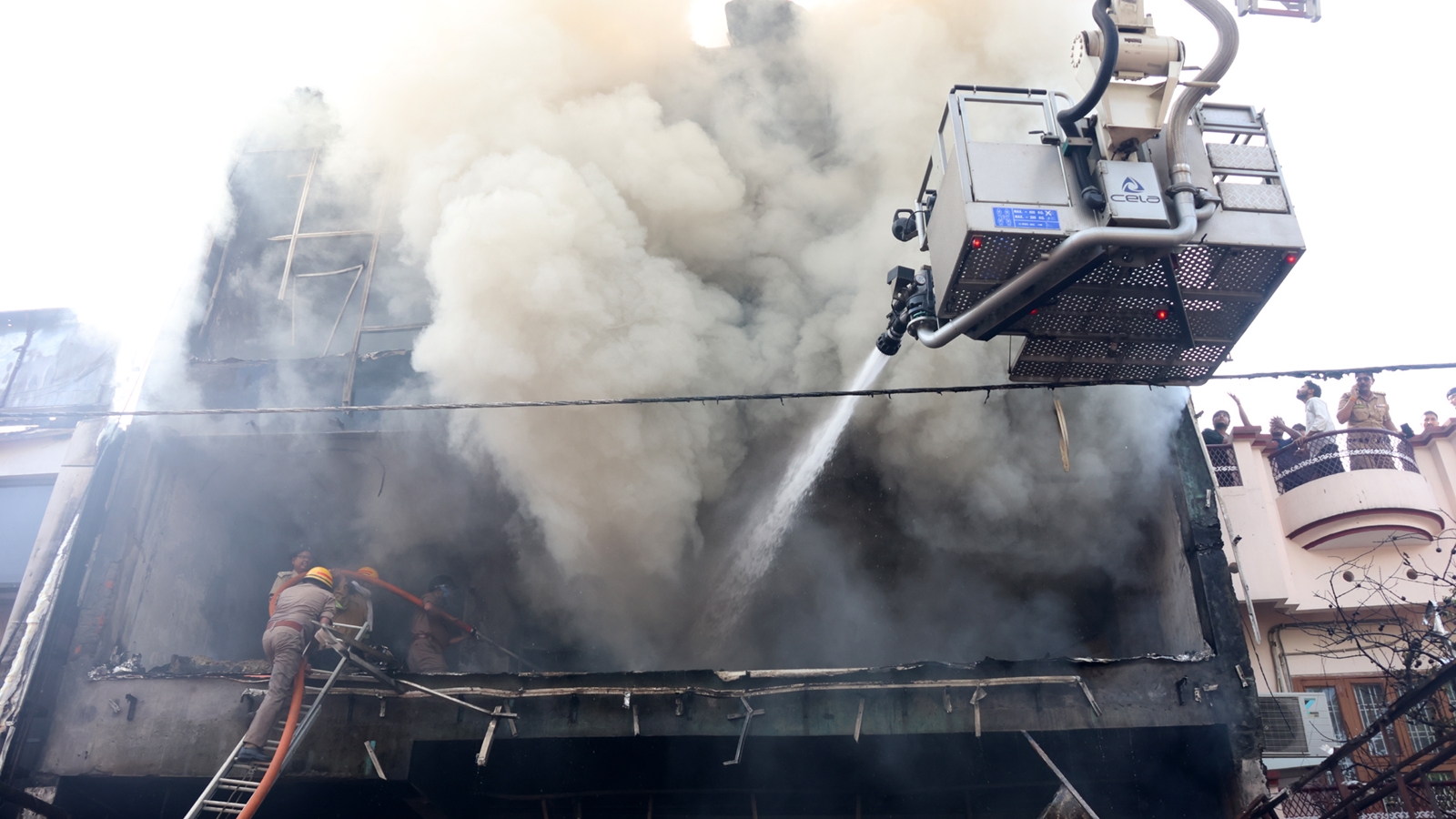
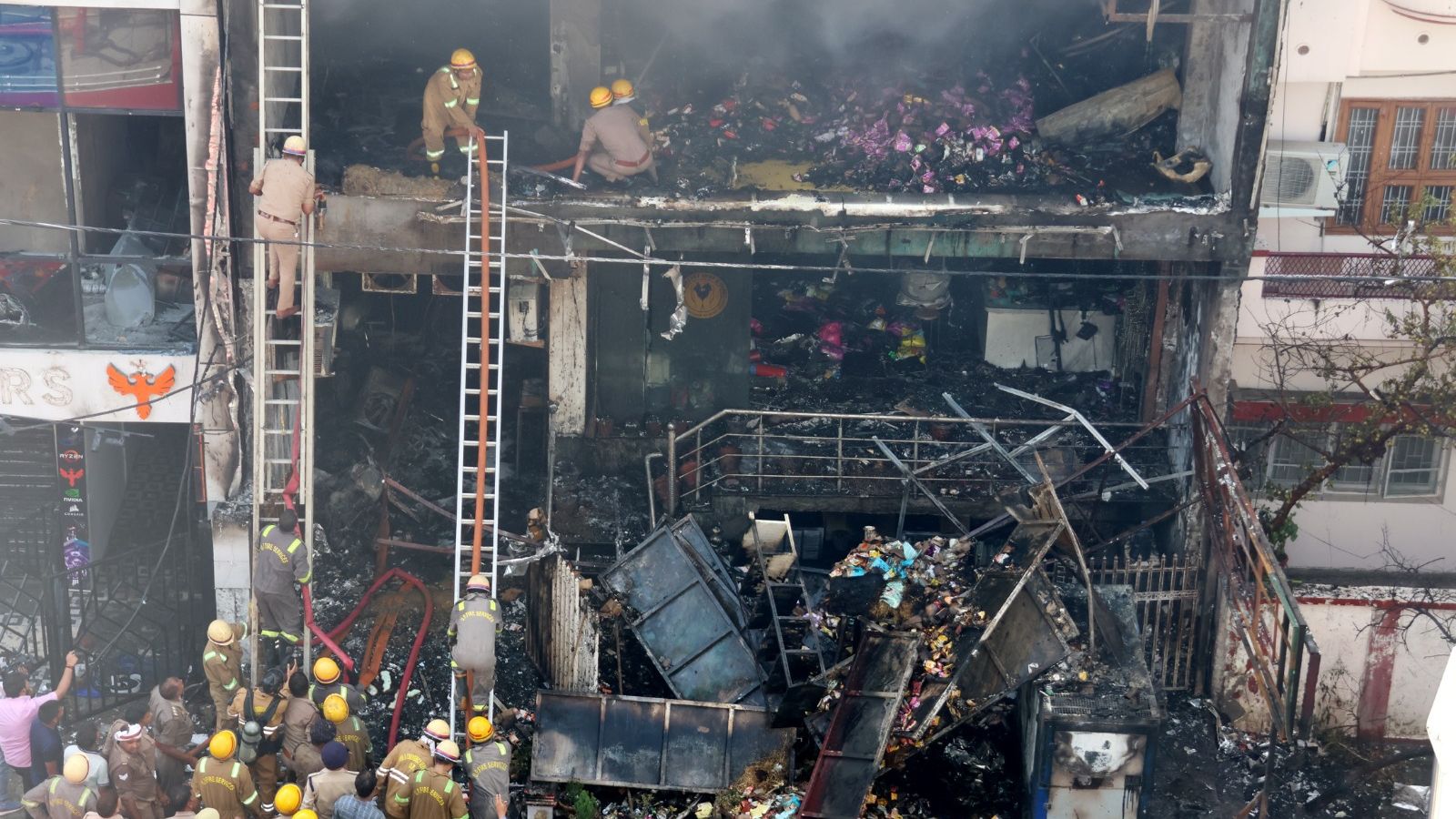
If the pattern of these incidents is studied, certain facts stand out. First, most have occurred in buildings with occupancy levels and usage patterns that exceed those for which they were originally designed. Preliminary reports suggest the building in Lucknow, gutted by fire on Monday, may have been sanctioned for residential use, while it was accommodating commercial and other activities. In essence, there may not be anything wrong with this, as most master plans and building by-laws permit mixed-use development if such buildings comply with fire safety regulations.
Second, many of these buildings are in congested urban areas like urban villages, unauthorised colonies, Tier-II and Tier-III cities. Again, there is nothing wrong with these areas, as they are products of the evolution of urban development. The problem lies in the fact that high-footfall activities are flourishing where access roads are less than six metres wide and often do not allow the entry of fire tenders.
Third, there is a widespread lack of awareness among owners and disregard among administrative agencies when it comes to enforcing emergency-response measures and conducting regular safety audits. In the national capital, municipal representatives visit premises to sensitise owners about the ill effects of stagnant water, yet there is virtually no initiative to educate people about fire-safety measures. Other factors include corruption in the approval of building plans, lack of awareness regarding building insurance, and archaic building regulations.
In recent years, as part of the government’s “ease of doing business” initiative, compliance requirements for smaller-occupancy buildings have been relaxed. While this has simplified approvals, applicants often fail to realise that they remain responsible for ensuring their buildings comply with the fire-safety provisions of the National Building Code. These include minimum access widths, refuge areas, fire staircases, and installing fire-safety equipment.
The real-estate bubble has resulted in a multifold increase in property prices. Residences, workplaces, and shops have largely become unaffordable for the middle-, lower-middle and poor sections of society. They are often forced to move into urban villages and unauthorised colonies. Development authorities and planning agencies have been quick to call these out as illegal, but have failed miserably to increase the supply of affordable units. They have also failed to preempt the demand and at least ensure such areas have the necessary infrastructure. Bulldozing them is not a solution. They require a more balanced infrastructure strategy.
This brings us to a critical aspect of building operations and maintenance. There appears to be a complete lack of awareness regarding the importance and application of fire-safety norms, particularly in smaller buildings. Since the Uphaar Cinema incident, fire safety approvals and enforcement mechanisms for large-occupancy buildings like theatres, colleges, office complexes and similar establishments have become stringent. This is reflected in the fact that fire incidents in such buildings are now generally the result of disasters, whether natural or caused by electrical malfunctions. In smaller buildings, owners, residents, visitors, and even administrative officials often remain unaware of basic fire-safety and emergency response measures. Fire drills are rarely conducted in such buildings. Many do not even have fire extinguishers. Equally concerning is the apparent lack of effort to address these shortcomings.
I am compelled to arrive at the fact, though hesitantly, that we are quick to run sealing drives, bulldoze areas we feel are illegally built or give money to the relatives of people who die. But we have failed to take a pause, assess our mistakes and realise that response to such incidents cannot be a one-time affair.
The writer is a practising urban designer