

The beautiful and the damned
The Siya-Ketan-Chetan saga has gone off the front pages, but a love triangle that’s stranger than fiction is unlikely to fizzle out in popular imagination. Mostly, because there’s a morbid fascination whenever a woman is accused of a grisly crime. It remains a rare statistical anomaly, especially among people of means.
In Tehran, the racy show I’m currently watching, one episode, The Rich Kids, contrasts the gritty world of espionage with the hedonistic lifestyles of Iran’s young elite. Satirising the wealthy is a popular cultural trope — Succession, The White Lotus, Gossip Girl successfully capture the idiosyncrasies of extreme privilege, leaving the viewer with the (temporarily) comforting thought that potfuls of money are no guarantee of freedom from trauma. The nature of wealth and its effect on our choices are endlessly fascinating, especially when it’s playing out in real life. The Siya-Ketan-Chetan saga has gone off the front pages, but a love triangle that’s stranger than fiction is unlikely to fizzle out in popular imagination. Mostly, because there’s a morbid fascination whenever a woman is accused of a grisly crime. It remains a rare statistical anomaly, especially among people of means.
On TV shows, the richies end up dead, or at least distraught, post some terrible event, as a righteous comeuppance for having it all. Similarly, the ‘double life’ of a 20-something, juggling between a fiancé and a boyfriend, supposedly marrying the boyfriend while allegedly plotting to do away with the fiancé sounds like one of those many crime caper documentaries on Netflix. Are we transfixed because, in the terminology of today, the main accused appears to be a full-blown psychopath? Someone supposedly showing the media the middle finger after being in custody for such grave charges doesn’t seem fully sane. Or, it’s a case of revenge on the Indian family — tone-deaf parents who turned a blind eye to their daughter’s pretty obvious disinterest in a future spouse, believing, in the uniquely Indian way, that once she’d be married, everything would work out just fine.
This one case has dealt the well-established, many centuries-old custom of arranged marriages a shattering blow. It’s a sobering reality check for parents from the more conservative Marwari community — that one may forcefully suppress a 20-something’s rebellious streak, but best be prepared that the fallout could be potentially disastrous. Indeed, it’s imperative to make space for the fact that fickle, thy name is youth. Saying one thing, doing the opposite (while even, perhaps, believing you’re doing what you originally claimed) is not necessarily wilful manipulation —rather, at the ripe old age of 22, it’s a classic case of keeping all options open, otherwise known as two-timing. As Shakespeare rued about deceivers, one foot in the sea and one on shore, romantic inconstancy is as old as mankind itself. It is one of life’s jokes. Either the people we like don’t like us back, and when they do, our perverse minds choose another. One can’t blame a 20-something for mistakenly believing we can have it all, but only somebody entirely devoid of empathy will commit murder to achieve their end. Normal people stringing two lovers along will cop out midway.
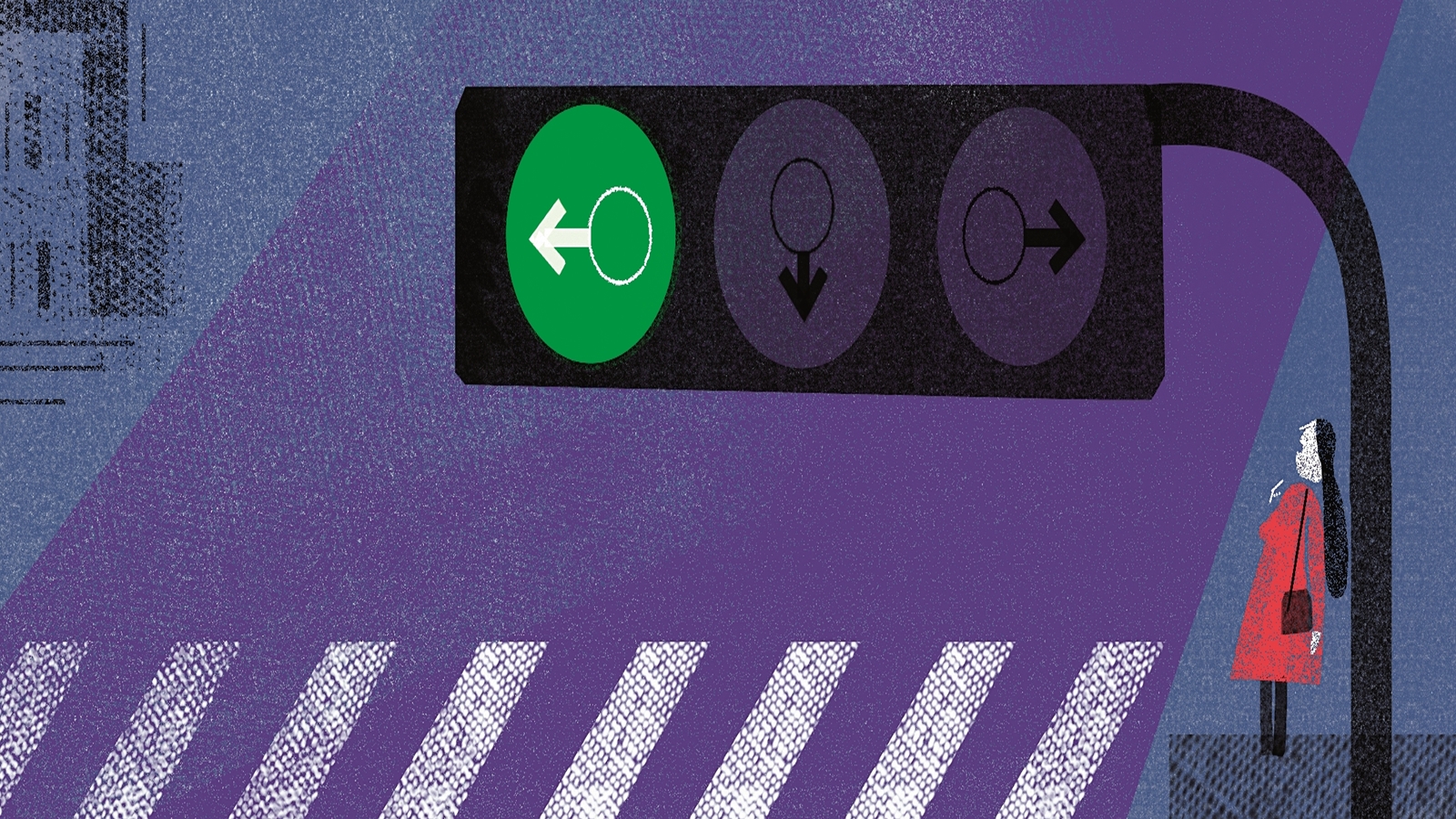
It’s also a fact that in the digital era, it’s a lot easier to superficially nurture several romantic relationships, all at once. Between WhatsApp, dating apps, hook-up apps and Instagram, the paradox of choice pops up in exactly the same way it does in a coffee shop. There are tens of options to pick from, like between a latte and a cappuccino, with skimmed or dairy-free milk. On the surface, the profusion of options seems like it’s fantastic; there’s something for everyone. But it’s precisely this surfeit of choices that has turned us all into maximizers, constantly calculating hypothetical trade-offs, while chasing the best possible outcome. While learning to choose is hard, the opposite, not having the choice to begin with, is harder. It does appear that Siya was denied her generation’s outlook of enjoying the experience of unlimited possibilities, even if those freedoms carry their own angst. Disregarding the psychological complexities of our adult children to suit convention is robbing them of their journey to becoming who they were meant to be.
The writer is director, Hutkay Films