

Tavleen Singh writes: The war comes to India
As someone who has more secular interests, I attended book launches and dinner parties. In the backdrop there were sometimes televisions bringing the latest pictures of the war to remind us that we no longer live in normal times.
Every time one of our honourable ministers or venerable political pundits compare India with Pakistan, I feel a personal sense of shame. The world de-hyphenated our two countries in their diplomatic dealings nearly twenty years ago. The United States invited India into the nuclear club with the India-United States Civil Nuclear Agreement. Wise old Dr Manmohan Singh signed that deal despite his communist allies threatening to bring his government down.
Pakistan immediately started clamouring for a similar deal and was told firmly that it had a different history to India and there were different rules for different countries. A significant difference between us and the Islamist republic next door was acknowledged and rightly so. Sadly, from the time that India entered the age of Hindutva, our own brethren seem to want us re-hyphenated.
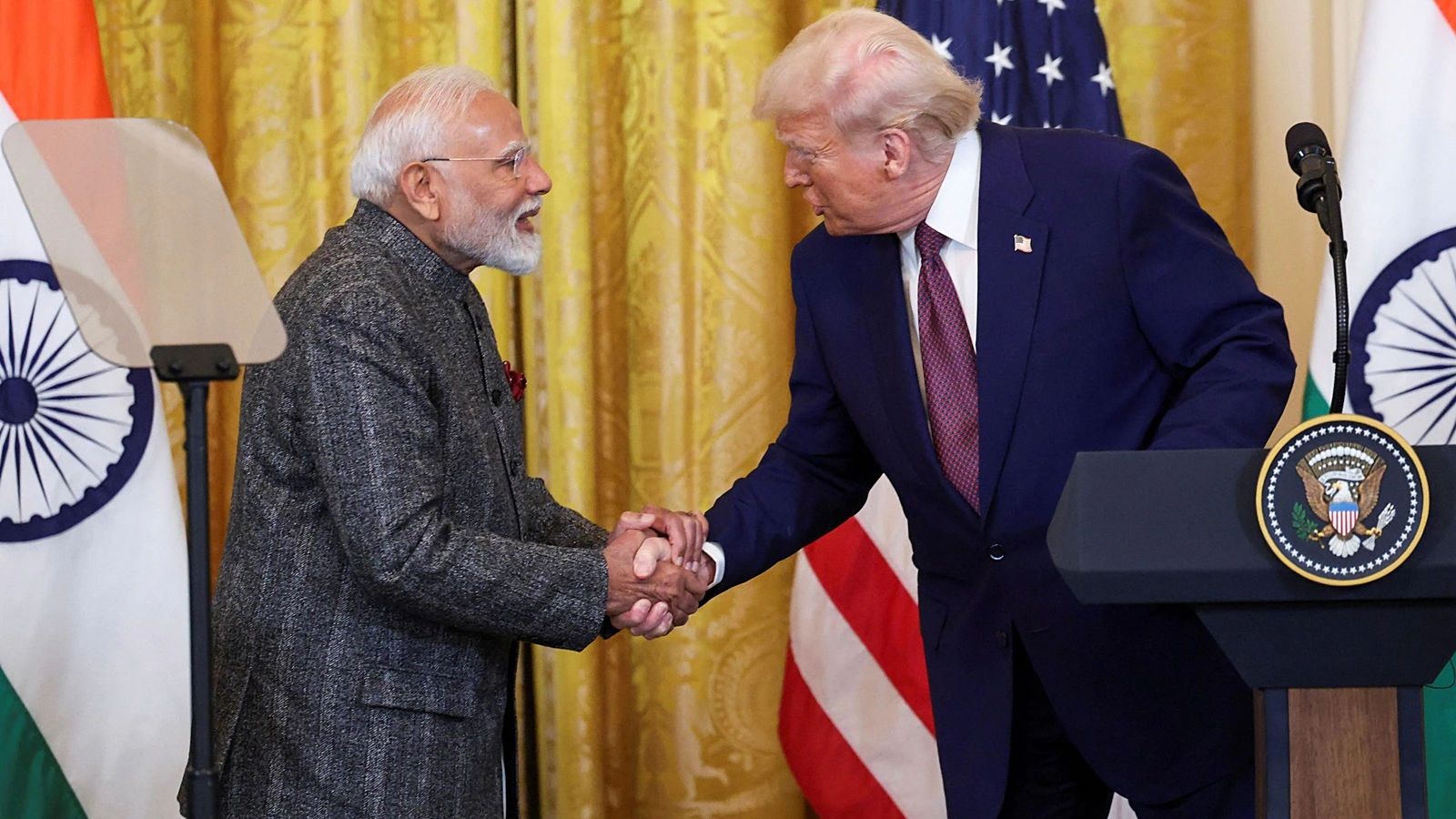
Why else would our Minister of External Affairs have said what he did last week? Commenting on Pakistan being chosen by Donald Trump to act as peacemaker between the United States and Iran, Mr S Jaishankar said India ‘cannot be a dalal nation’ adding that India would never behave like Pakistan in matters of diplomacy. But, in saying this, he inadvertently ended up sounding very much as though it bothered him deeply that Pakistan had been asked by
Donald Trump to act as peacemaker between the United States and Iran.
Besides, did we not behave like a dalal nation when our Prime Minister offered to broker peace between Russia and Ukraine? But I digress. The point I want to make is that the last thing we need to talk about today is Pakistan. Trump seems not to have noticed yet that his ‘favorite Field Marshal’ heads a terrorist state that already has a nuclear bomb. Since it has a bomb and has been exporting jihadi terrorism for decades, it is an odd choice to act as peacemaker with a country that also exports jihadi terrorism and is trying to build a nuclear bomb. But that is Trump’s problem. In India we have more urgent things to worry about.
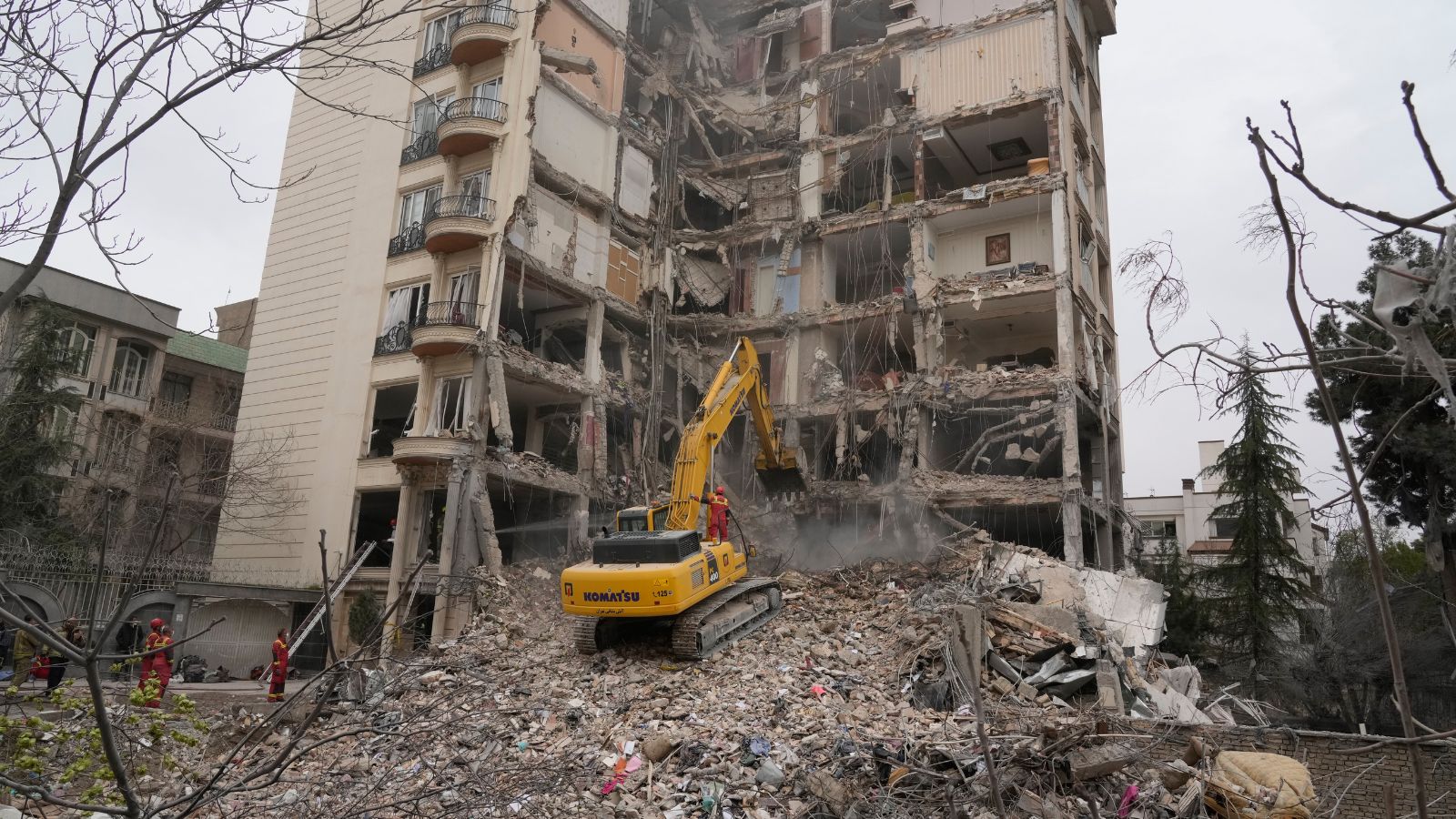
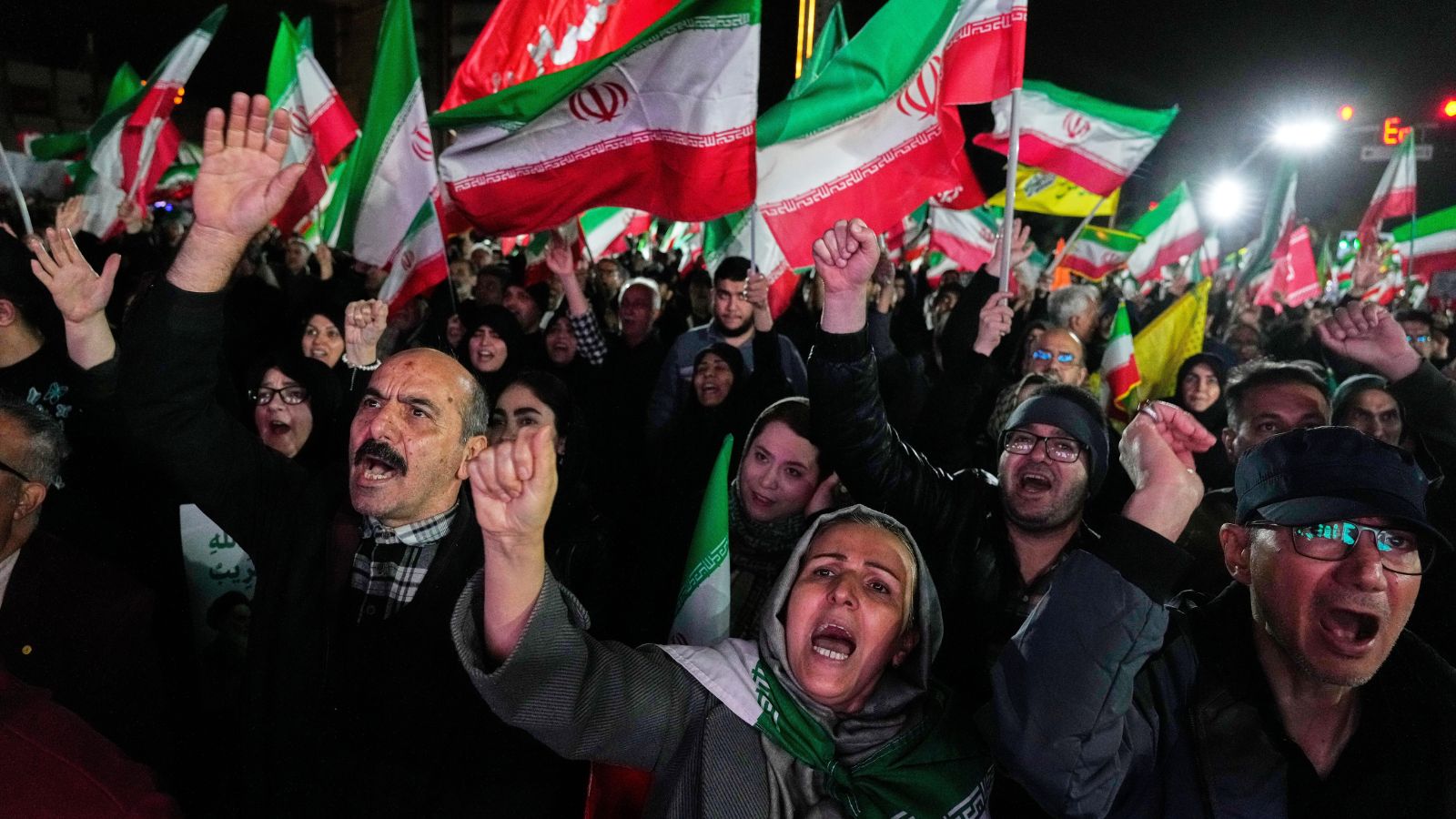
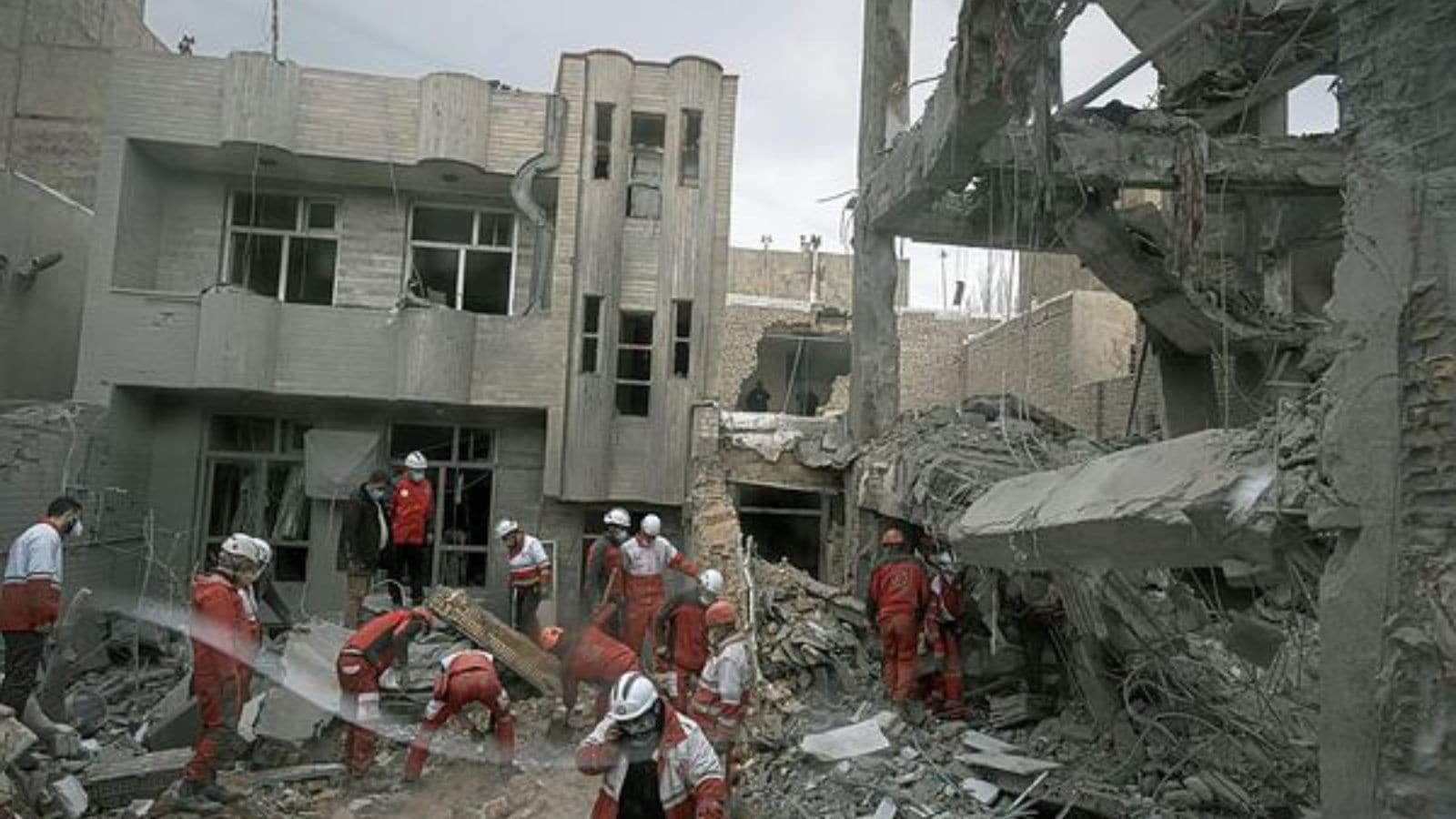
The war on Iran has begun to affect us domestically in an alarming way. Last week rumours of a nationwide lockdown had to be officially denied by senior ministers. These rumours spread because of fears that the war could last longer than expected. And that this could lead to such a severe shortage of cooking gas and petrol that only a COVID-style lockdown would keep people from stepping out of their homes. As the queues lengthened at petrol pumps and cooking gas shops, rumours and panic spread far and wide.
That first COVID summer is remembered more for the brutal lockdown than for the virus, so some amount of panic in the ranks of ordinary people is understandable. This panic will only lessen if there is some sign that the Modi government is in control of the situation. And, without needing to impose another lockdown. The word revives terrible memories for those who cannot forget walking hundreds of miles to their villages because all means of public transport ground to a halt at a moment’s notice when they lost their jobs and could no longer pay their rent.
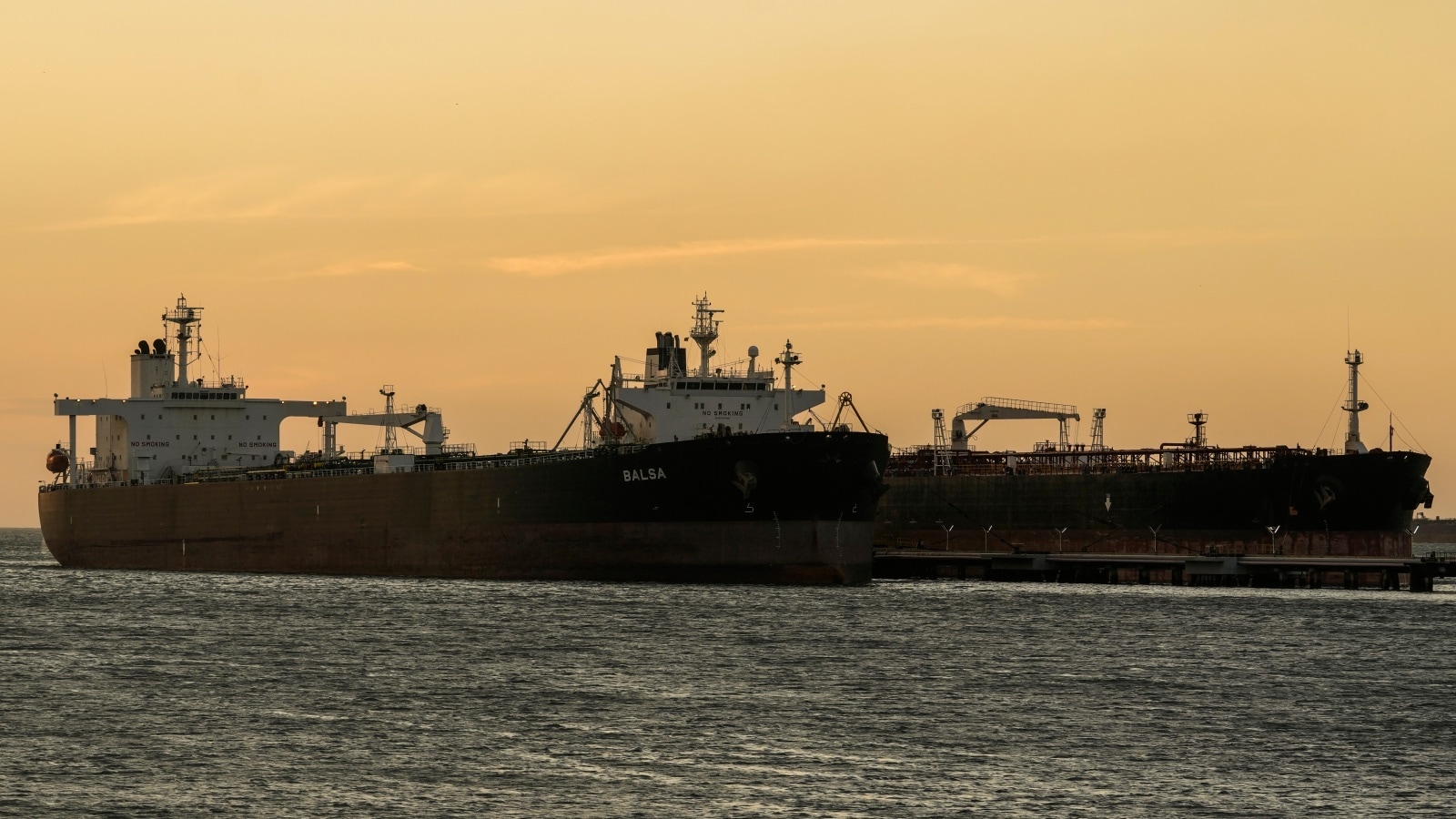
The Prime Minister has said that India has enough fuel reserves to last sixty days. That is hardly reassuring. What is more reassuring is that India is one of the countries whose ships are being allowed by Iran to move through the Strait of Hormuz. But movement in that crucial strait is restricted and has become dangerous so the Indian economy is likely to be affected for many, many more months even if the war stops tomorrow.
Only one man can stop it, and he seems to be treating it like a video game. Every time Trump says things like they thought ‘it was more fun to sink the ship’ or as he did last week that Iran was ‘begging’ for a deal, I wonder if he has any idea of the death and destruction that wars bring. Or that wars are not about ‘doing a deal’ but about saving innocent people from being killed. And countries from being ‘obliterated’, to use one of his favourite words.
More frightening still is that he seems now to have the support of evangelical Christians who are beginning to talk about this being a ‘holy war’ or a crusade. The last thing the world needs is a holy war as it is exactly that kind of war that goes on and on forever because when religious fanatics decide they need to go to war, chances of rational solutions diminish dramatically.
Meanwhile, back in our ancient land, the economy is already beginning to hurt but for the rest, life seems to go on. Ram Navmi was celebrated with fervour in Ayodhya with thousands of pilgrims turning up to watch the sun make a ‘tilak’ of sunlight on the forehead of the deity at exactly the moment it was expected to on that auspicious day. Muslims celebrated Eid and Hindus showered rose petals on them as they prayed. When I saw this happen in Uttar Pradesh, where even bulldozers seem affected by Hindutva, it made me happy.
As someone who has more secular interests, I attended book launches and dinner parties. In the backdrop there were sometimes televisions bringing the latest pictures of the war to remind us that we no longer live in normal times.