

In Tamil Nadu, governor has overstepped bounds of constitutional morality
The Lok Bhavan’s communication on May 7 that the governor is not satisfied with Vijay’s claim shows not only a partisan and undemocratic attitude but also a lack of understanding of the nature of a vote of confidence
“He is representative not of a party; he is representative of the people as a whole of the state. It is in the name of the people that he carries on the administration,” said B R Ambedkar about the governor’s role. The Supreme Court (SC) had quoted this statement in Nabam Rebia (2016).
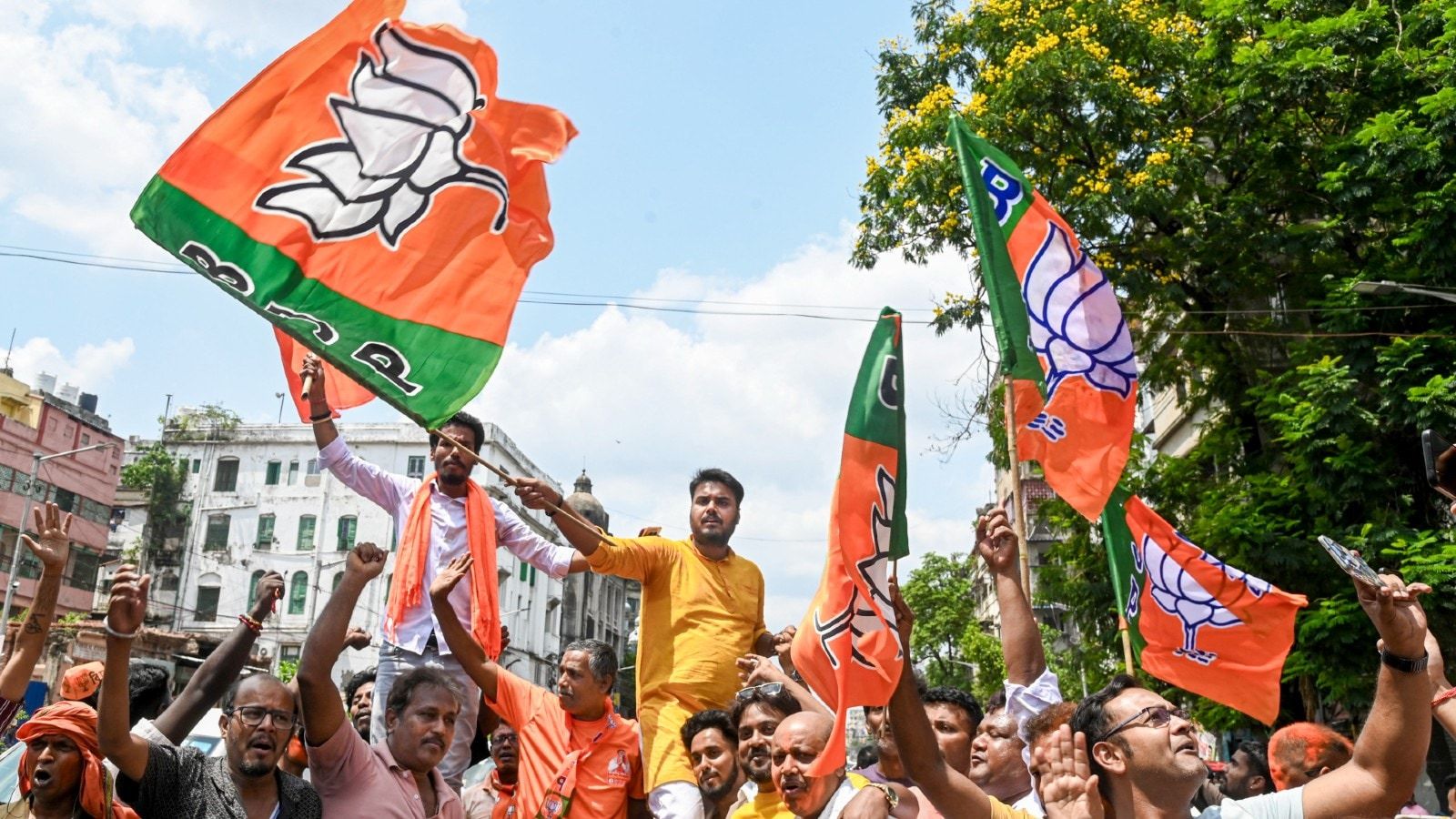
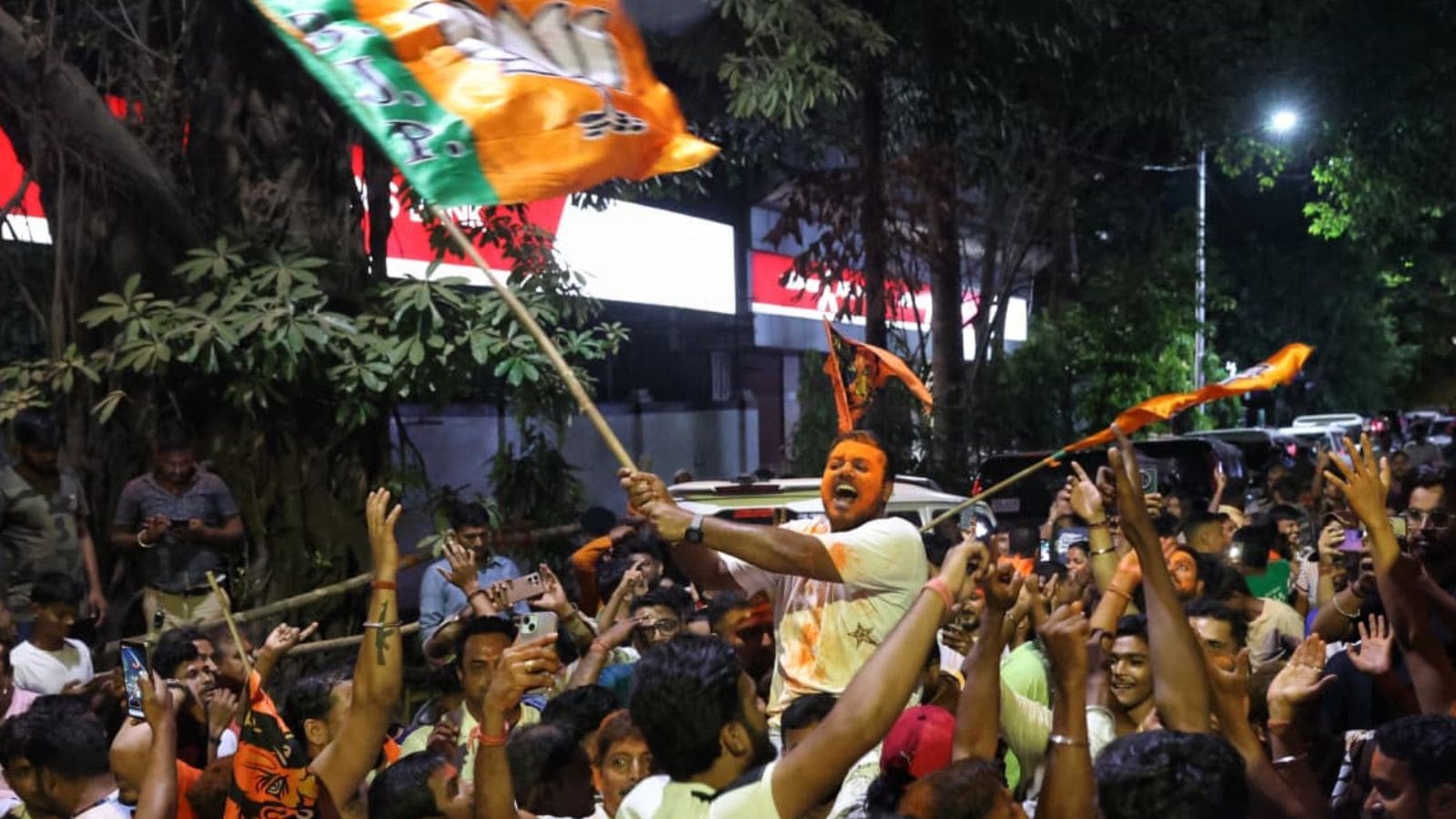
The BJP was formed on April 6,1980, with a claim that it would be “a party with a difference”. But the governors appointed by its government have time and again proved they are the same as their counterparts appointed by Congress. Increasingly, they seem not to have much respect for the text of the Constitution, its spirit or even constitutional morality.
Tamil Nadu Governor Rajendra Vishwanath Arlekar’s decision not to invite the leader of the single largest party to form the new government is a grave example of this trend. No constitution’s text covers every eventuality that may emerge in the course of a nation’s politics. When a constitution is not explicit on a particular matter, constitutional conventions evolve and are accepted and followed. John Stuart Mill had called these conventions “unwritten maxims of the constitution.” William Anson termed them “constitutional customs”. British jurist Ivor Jennings said that constitutional conventions are important as “they provide flesh which clothes the dry bones of the law”.
The Indian Constitution, despite being the lengthiest in the world, in Article 164(1) states only that the “Chief Minister shall be appointed by the Governor” and the ministry under Article 164 (2) “shall be collectively responsible to the Legislative Assembly” — not to the governor. This is why the SC has consistently held in a catena of cases that the majority be tested on the floor of the House and not the Lok Sabha. In cases where no party gets the clear majority, the governor has to simply satisfy himself as to whether the person staking a claim to chief ministership will be able to win the vote of confidence. He is to be guided by the constitutional conventions in cases of a fractured mandate.
This is not the first time in India that an electorate has not delivered a majority to a single party or coalition. But the TVK’s 108 seats do give a very clear sense of Tamil Nadu voters’ mandate. They rejected both the incumbent DMK government, which, interestingly, had performed well on several economic and social parameters, as well as the AIADMK.
We had seen a number of governments at the Centre and in states that did not have a majority in the house. There have been a number of instances when the leader of the single largest party was invited to form the government and prove his majority. The BJP often got opportunities through this convention. Atal Bihari Vajpayee’s first NDA government in 1996 was formed because he was the leader of the single-largest party in the Lok Sabha with just 161 seats, and the NDA tally was 187 — far short of a majority. He resigned on the 13th day, delivering a powerful speech during the no-confidence motion. In 2018, Karnataka Governor Vajubhai Vala invited the BJP’s B S Yediyurappa to form the government despite a post-poll alliance between Congress and JD(S), and the BJP government eventually failed the subsequent confidence test in the House, which was advanced to 36 hours by the SC.
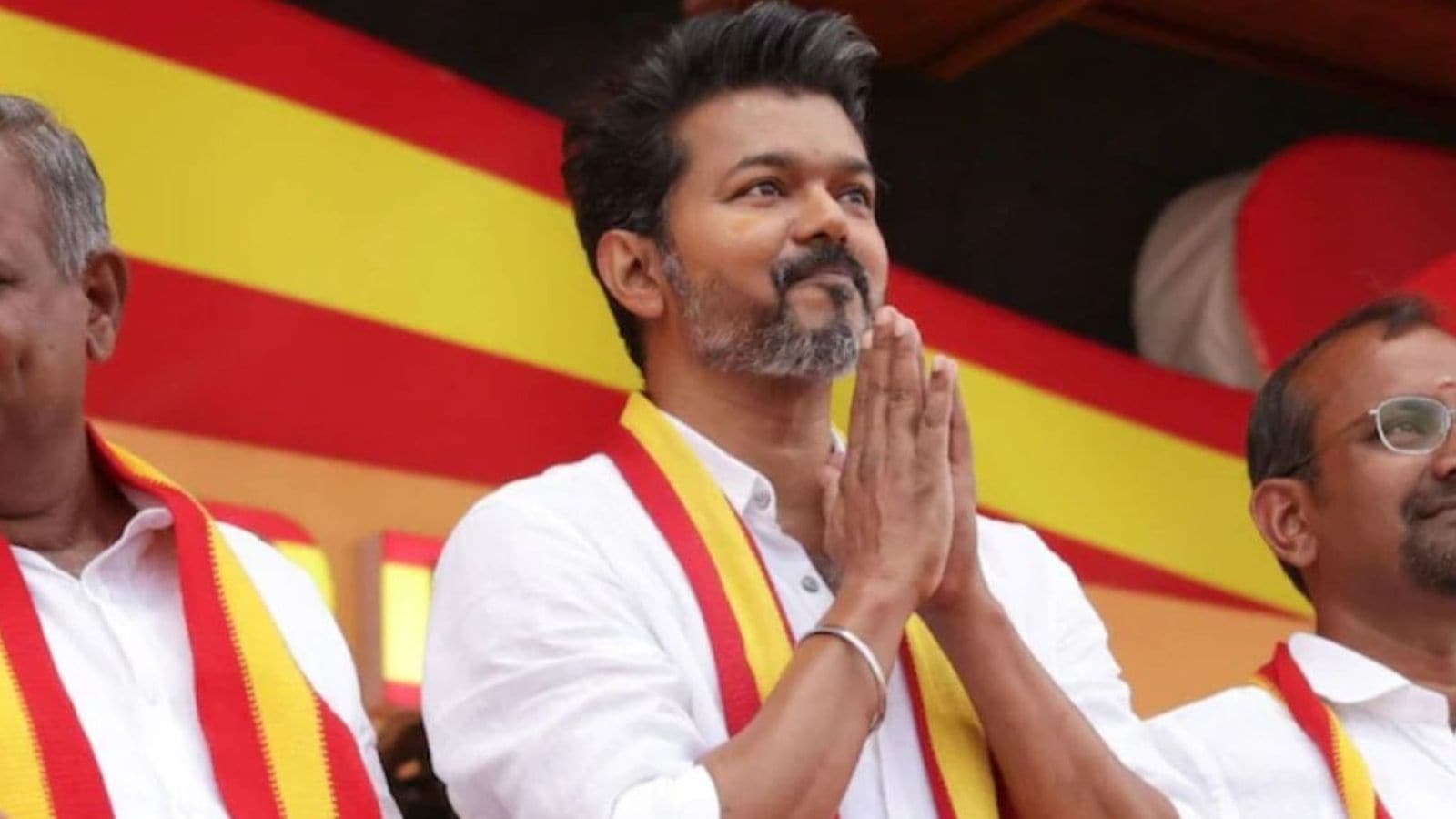
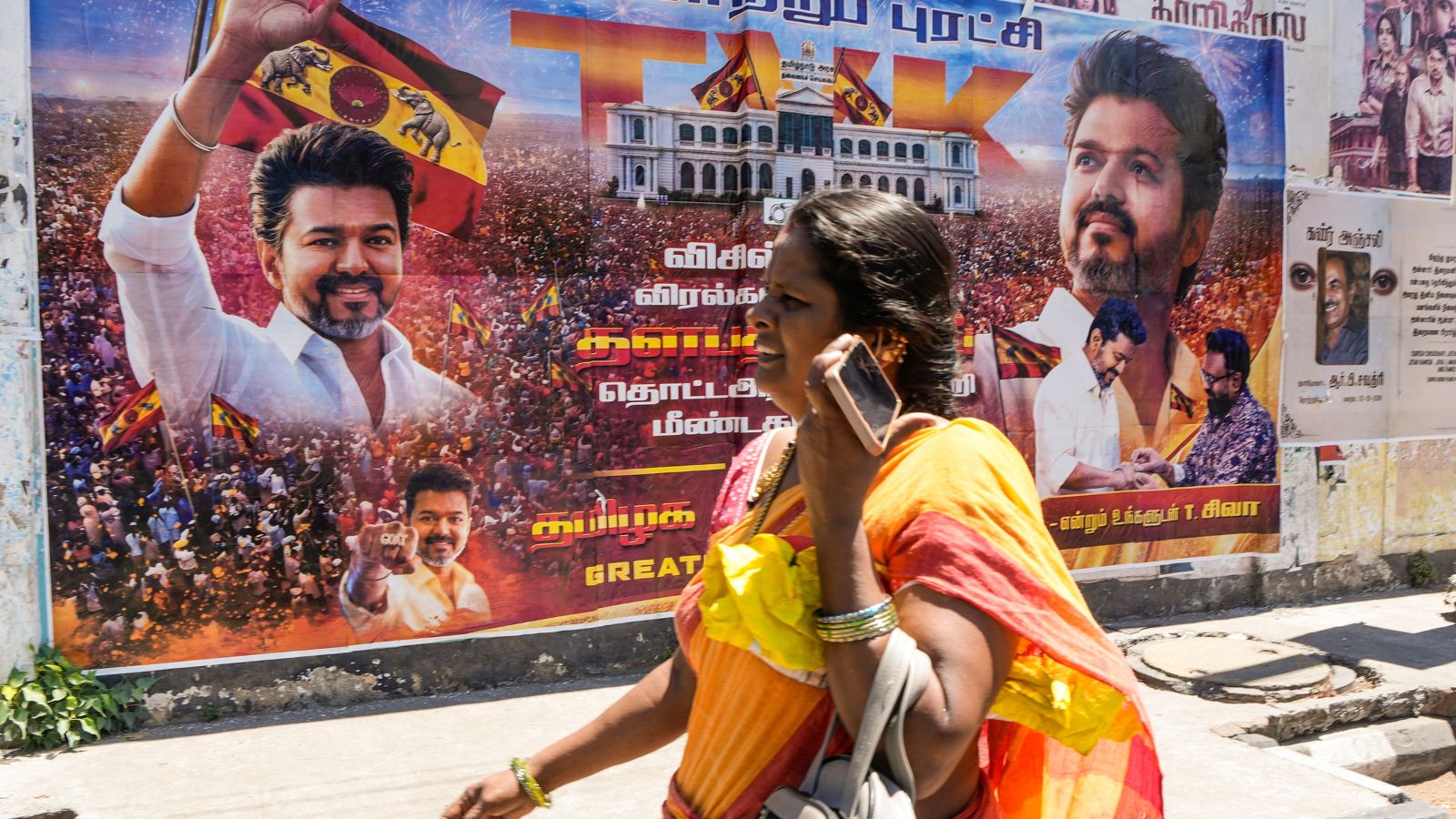
In the Tamil Nadu assembly, with a strength of 234 seats, the Tamilaga Vettri Kazhagam (TVK) led by filmstar-turned-politician C Joseph Vijay has 108 seats. With no pre-poll alliance getting a majority, per convention, the governor has to invite Vijay to form the government, as he alone has staked the claim and DMK and AIADMK have thus far publicly ruled out an alliance between them. With the Congress extending the support of its five MLAs and left parties criticising the governor’s actions, Vijay is very close to the majority mark.
In S R Bommai (1994), the apex court did talk of pre-poll alliances, post-poll alliances and the single-largest party hierarchy. In the present case, the TVK has a post-poll alliance with Congress and is the single largest party. It, therefore, has a rightful claim to be invited to form the government.
Due to the governor’s unprecedented delay in inviting the TVK, there are reports suggesting that arch-rivals DMK and AIADMK have started a conversation about a possible alliance. However, since both have been rejected by the people, such an alliance would be unethical and a negation of constitutional morality and democratic norms. The Justice Punchhi Report on Centre-State Relations (2010) categorically stated that the discretion provided to the governor under Article 164 is very limited. In Raghukul Tilak (1979), the Supreme Court had said that the governor’s discretion must be “dictated by reason, activated by good faith and tempered by caution and should not appear to be arbitrary or fanciful.” In Rameshwar Prasad (2006), the SC said that governors should refrain from misusing their positions for partisan politics.
The Lok Bhavan’s communication on May 7 that the governor is not satisfied with Vijay’s claim shows not only a partisan and undemocratic attitude but also a lack of understanding of the nature of a vote of confidence. To remain chief minister, one does not need an “absolute majority” — 50 per cent plus one of the total strength of the House. A confidence or no-confidence motion is passed by a “simple majority” — which means 50 per cent of those present and voting. In several such motions, some parties simply decide to abstain, which reduces the majority mark, and a government survives. The TVK government, if formed, too, may survive.
“The good governors should have a broken leg and keep at home,” said Miguel de Cervantes in Don Quixote. These are the constitutional ideals under which a governor had a faint presence, like a full moon at midday. His primary role as a sagacious counsellor was “to be consulted, to warn and to encourage”.
Alas, we now rarely get such governors.
The writer is the Vice-Chancellor of Chanakya National Law University, Patna. Views are personal