

What Suvendu Adhikari’s ‘double engine sarkar’ needs to do to get a running start in West Bengal
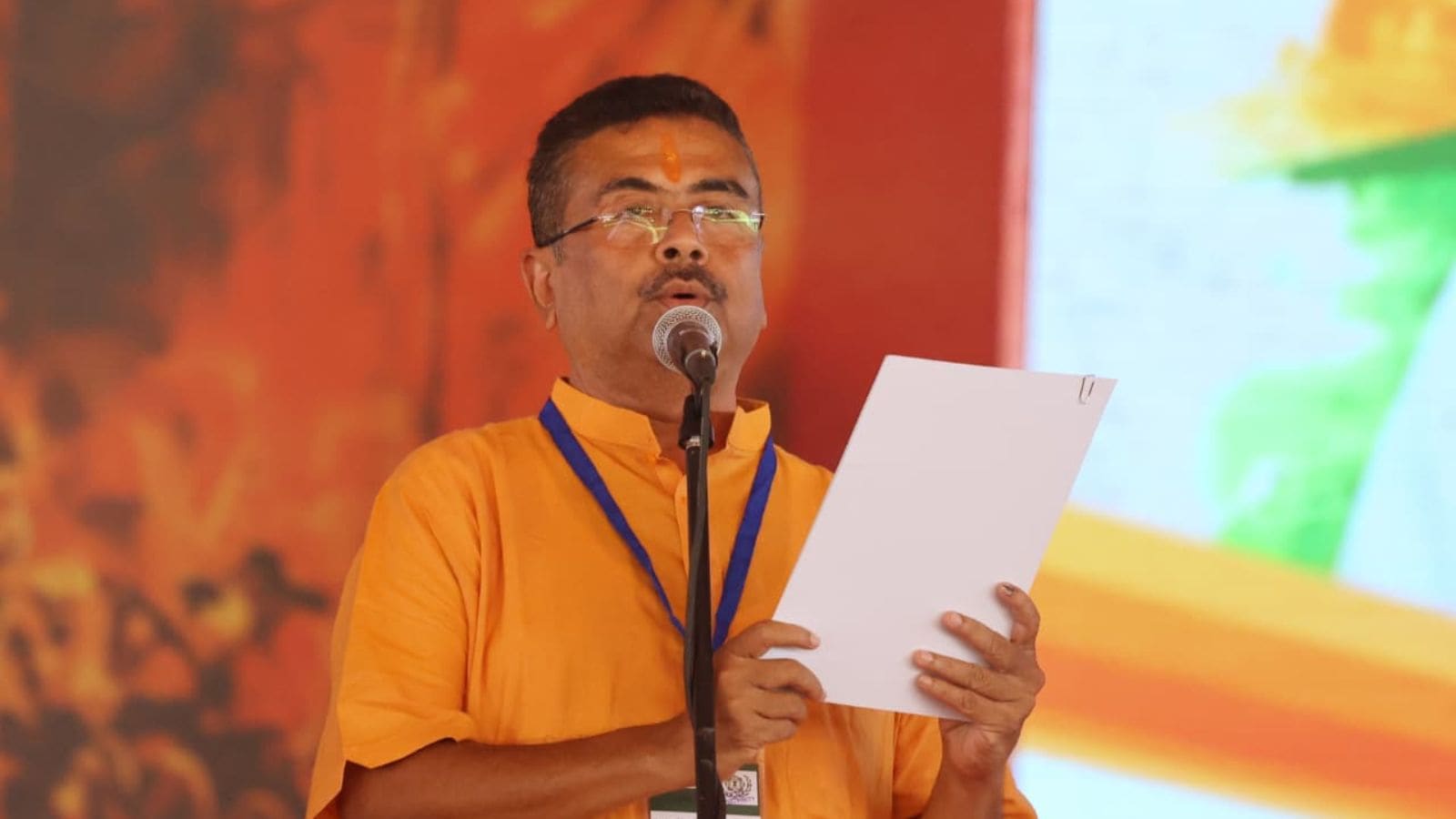
The six newly elected BJP leaders who took oath at the sprawling Brigade Parade Grounds in Kolkata delivered two messages: One ideological and the other political
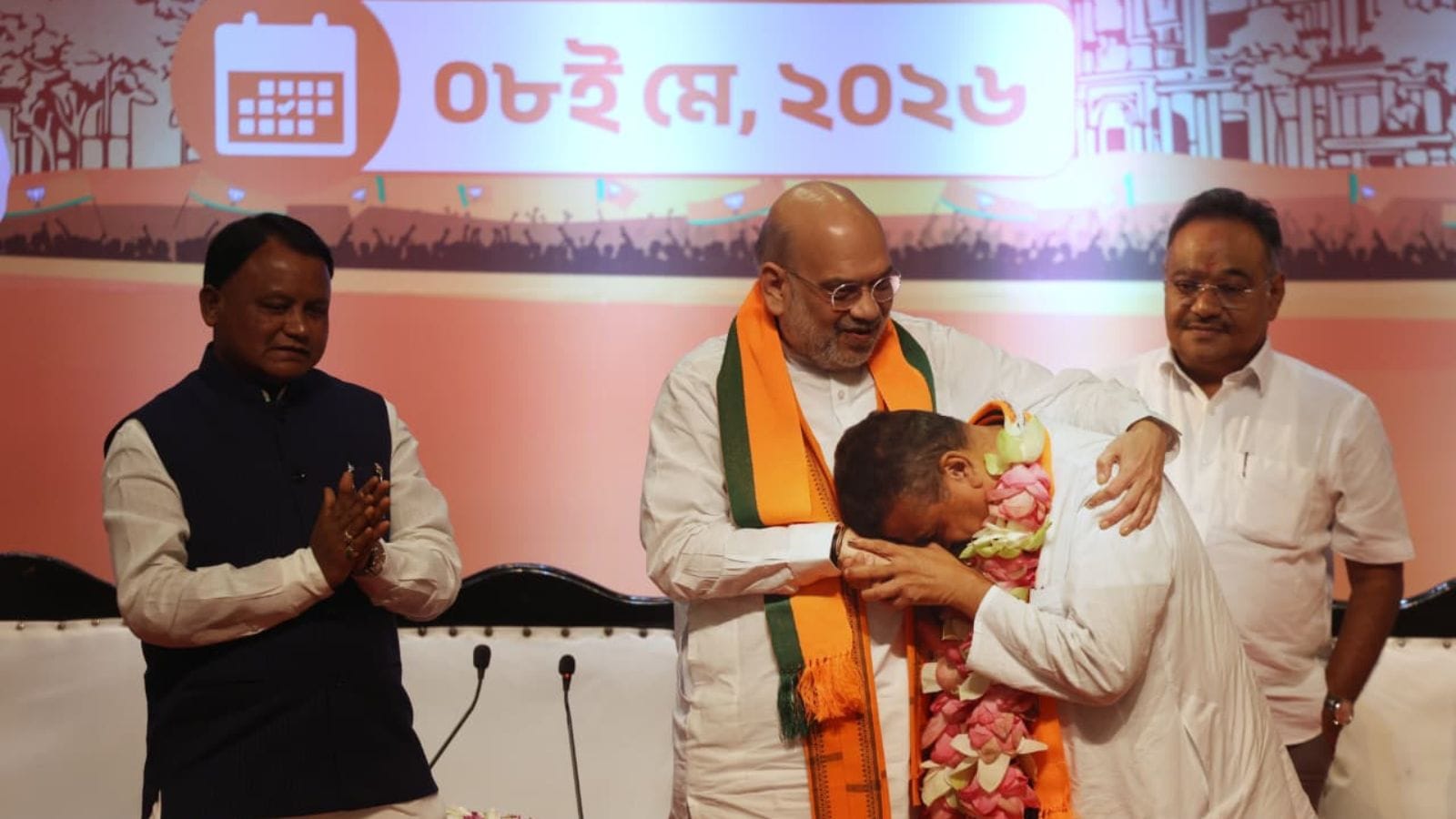
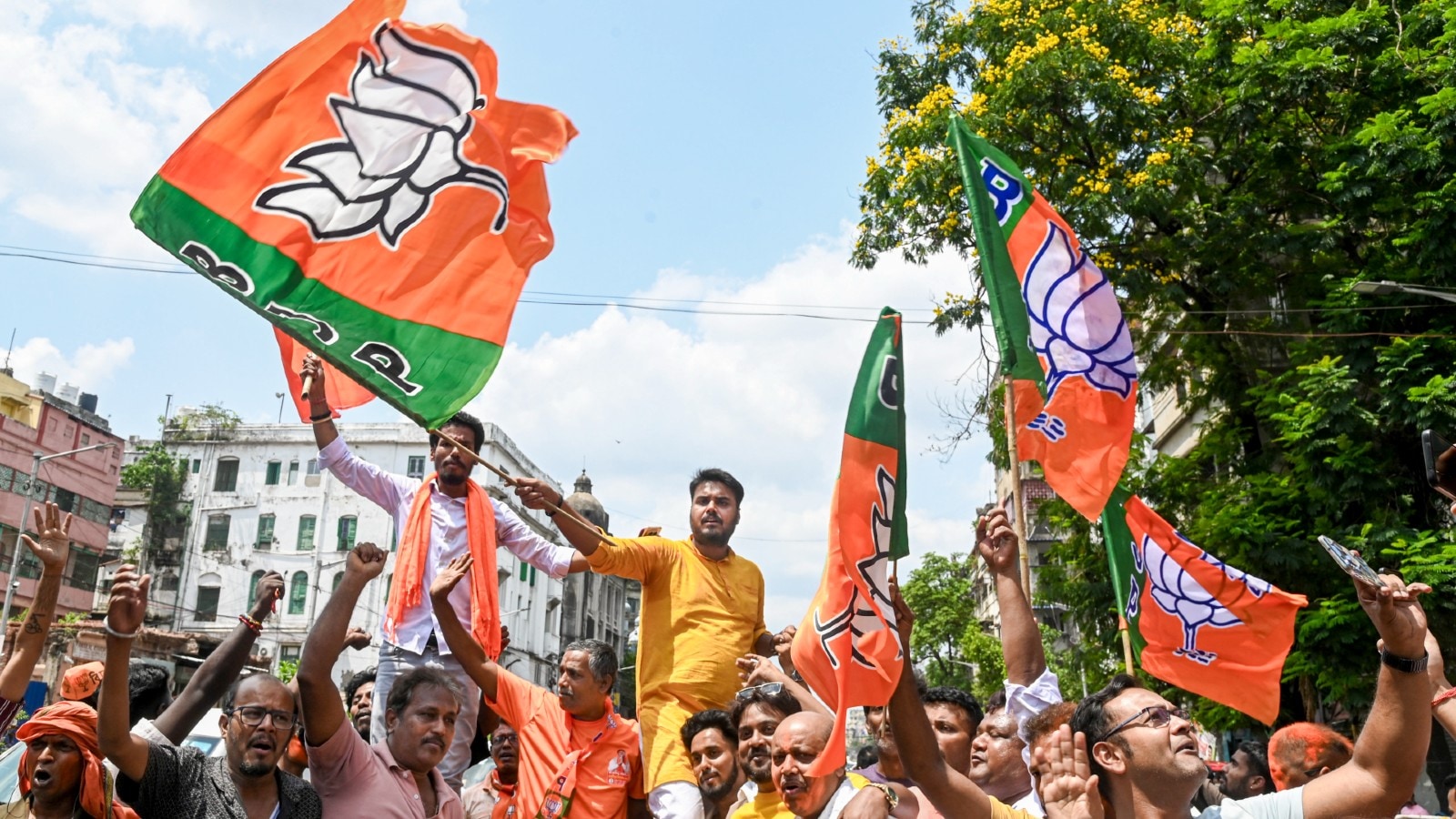
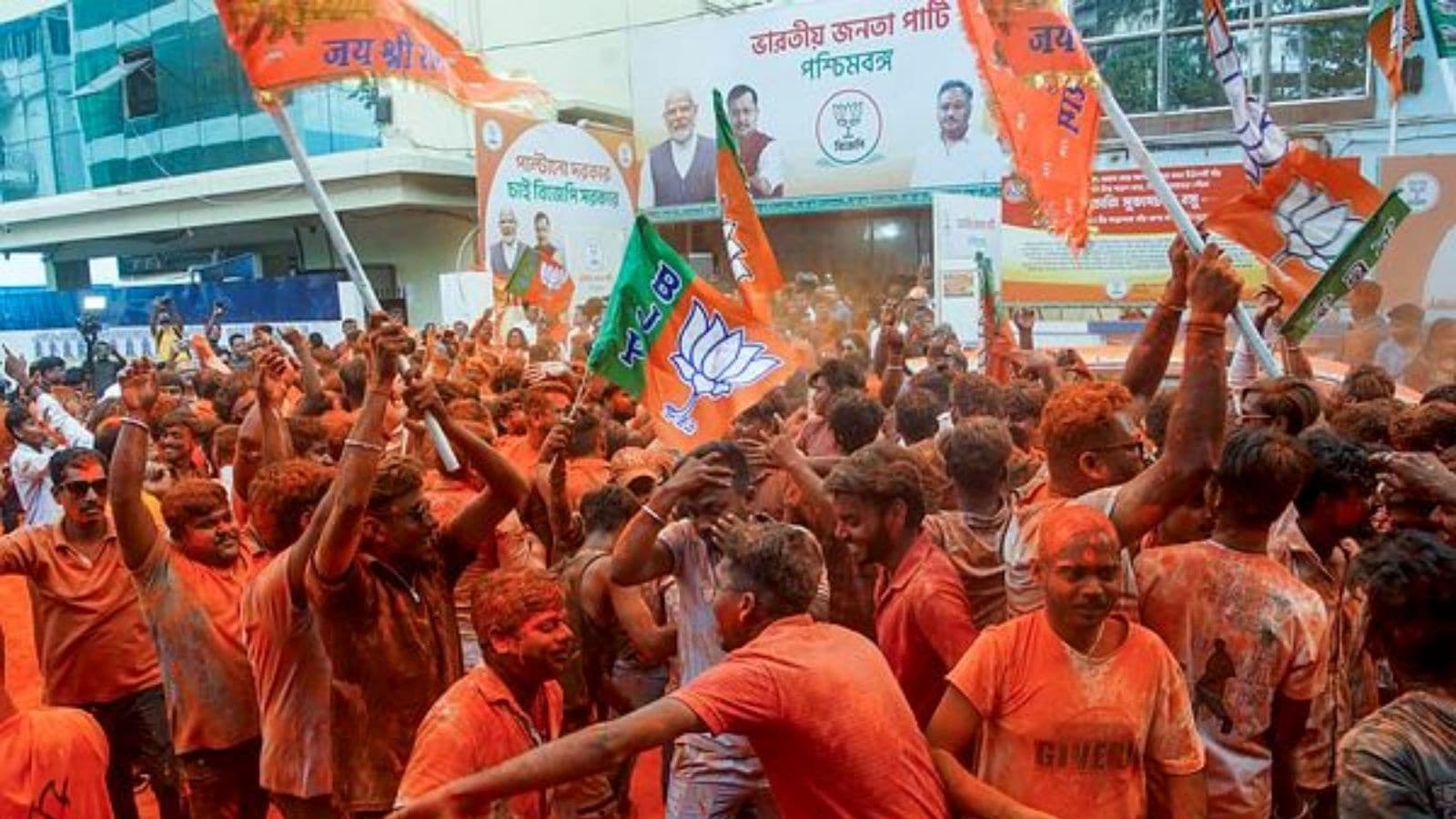
The ideological and political divide between successive governments in West Bengal over the past 49 years and the ruling regimes and shaky coalitions at the Centre has ended. The swearing-in of Bharatiya Janata Party chief minister Suvendu Adhikari and five ministers, under the approving eye of Prime Minister Narendra Modi and a host of BJP leaders, marks the start of the “double engine sarkar” model that has been successfully sold to voters across most of North India, from Gangotri to Gangasagar.
The template of how the BJP runs its governments across India is known. The signs are already evident. The police and obviously the party’s managers have stepped in to defuse a potential problem, after reports emerged of women students being told that they will not be allowed to wear a burqa.
Good governance is a promise that no party in power ever keeps; the trick is to get voters to believe that the changes that follow the election of a new party are a good choice. Regime change in West Bengal has not been smooth and violence-free in the past 49 years. Blood was spilt, and destruction followed when the Communist Party of India Marxist-led Left Front ousted the Congress in the same happened in 2011 when Mamata Banerjee swept to power. Signs of the same pattern in violence and vandalism are already evident.
The six newly elected BJP leaders who took oath at the sprawling Brigade Parade Grounds in Kolkata delivered two messages: One ideological and the other political. The lineup was a first take on balancing the social and regional constituents that collectively powered the BJP’s victory and Mamata Banerjee’s defeat. The ideological message was predictable and precise; there was no representation from the nearly 28 per cent Muslims, who live in West Bengal.
The abbreviated cabinet is an exercise in a balancing act reflecting the BJP’s need to fulfil expectations of reward and the tensions within the party in West Bengal. The chief minister is an import and a neo-BJP; his deputy chief minister Dilip Ghosh was an RSS man who moved to the BJP to strengthen its organisation and build its base. The second deputy chief minister, Agnimitra Paul, represents the woman voter and the BJP’s campaign about respect, dignity, safety, and empowerment of Nari Shakti.
As an assurance that Modi’s guarantee of citizenship would hold and in acknowledgement of the critical role that the Matuas, a scheduled caste sect that fled Bangladesh to shelter in West Bengal and underwent the anxieties and frustrations of having their names struck off the voters’ list in the Special Intensive Revision, Ashok Kirtaniya’s inclusion is a message. By giving precedence to Khudiram Tudu, a Santhal from the Jangalmahal part of the state, over Nisith Pramanik from Cooch Behar in North Bengal, the BJP is signalling the importance of the tribals as a vote bank.
It will be Adhikari’s job to lead and supervise a complicated change, even as he must be seen as doing something new and better than all his predecessors. It goes without saying that he has to do what the BJP’s manifesto and campaign promised: Restore and maintain law and order, round up miscreants and criminals who had been sheltered by the TMC, clean up the administration and police, and make it non-partisan and efficient. To establish his own leadership and place, Adhikari must fulfil his own very aggressive promises of preventing West Bengal from turning into “Western Bangladesh,” by closing the border with Bangladesh to prevent Muslim infiltration and dismantling the influence and power of Muslims.
However ardently Adhikari may want the Muslim presence to erase itself, the denial of representation by the BJP to the community will not invisibilise them. The same goes for the TMC: It will take time for the party and its leadership to reinvent its role and politics as the Opposition. On some things, Adhikari will have it easy since he does not have to think about policy issues because the double-engine sarkar model takes care of it; on others, as chief minister and the face of the party, delivering a smooth transition will be complicated.
The writer is a Kolkata-based journalist