

Wages for housewives? We need more than that
Even as the judgment acknowledges women’s household labour as having monetary value, it does not move us away from the notion that housework is a woman’s responsibility, that a woman’s place is in the home
The Supreme Court recently passed a judgment in a case that has been in court since 2001, regarding compensation for the death of a woman in a road accident. The judgment proposed that a notional amount of Rs 30,000 be seen as a benchmark for compensation cases to recognise the economic value of a housewife and their role as “nation builders”. Honourable as their intentions may have been, their ascribing a “wage,” as it were, to housework is a stark reminder of the huge gender gap in housework and care work in India.
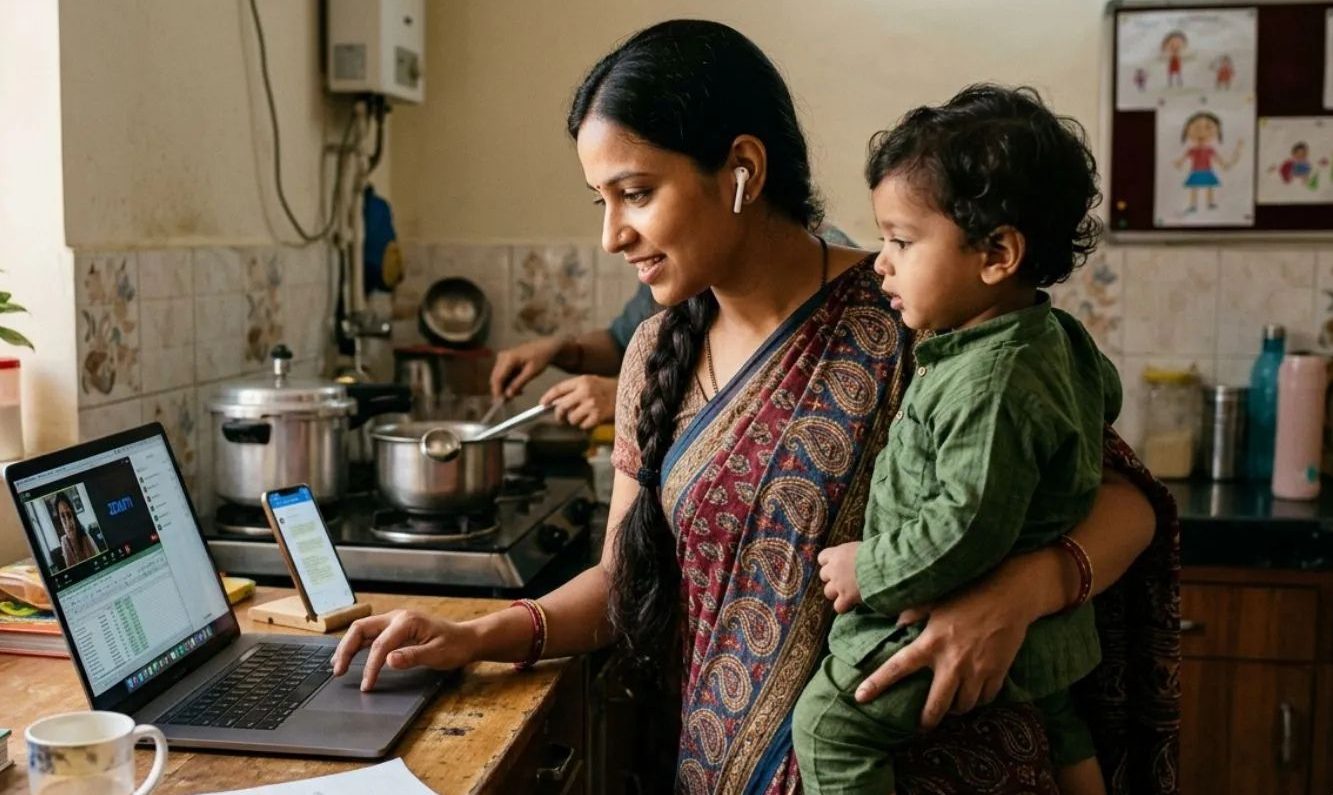
The experience of domestic life is diverse. From a joint family to a nuclear one, to caregiving for those with disabilities or the elderly, the textures of every household are different. Yet, common among them is the predominance of labour done by women of the household, or by domestic workers, often migrants, from oppressed castes and resource-poor backgrounds.
Women spend about 289 minutes a day on unpaid domestic work, as compared to men, who spend 88 minutes, as per the national Time Use Survey 2024. The time women spend on unpaid housework has gone down by only 10 minutes in the last seven years.
Will a judgment like this change this imbalance? Even as it acknowledges women’s household labour as having monetary value, it does not move us away from the notion that housework is a woman’s responsibility, that a woman’s place is in the home.
In the 1970s, the famous “Wages for Housework” campaign in the UK started by the International Feminist Collective had a telling slogan: “They say it is love. We say it is unwaged labour”. Demanding wages was a symbolic way to visibilise the labour women did in the home. It was the first step to rejecting housework as only women’s work and stepping out of the prison of unequal gender roles. Over decades, campaigns like this have asked women to withdraw from their domestic roles for a day — a feminist strike. In the rare instances that the feminist strike has been deployed, it has shaken the earth.
Absence, as we learnt in the pandemic of domestic workers, creates value. It was the death of the woman in the motor accident that underpins the recent judgment. To be recognised for your “worth” after you are dead is an irony, but for those who are living, is this really what they want?
The demand from feminists has never been only “wages for housework”. It is for recognition of unpaid housework as women’s labour, a burden they carry disproportionately. It is for the recognition of the value of that labour that sustains life and society. Most importantly, it is for institutional change that redistributes this burden, in line with society’s ideals of equality and justice.
How can governments, families, and society demonstrate that they value the everyday labour of sustaining households? Examples from other countries include parental leave for fathers, quality creches, public eldercare services, direct cash transfers or family allowances, flexible work arrangements, and the most radical of all — the redistribution of domestic and care work.
There is a difference between ascribing a value and being valued. The fantasy husband is not one who will buy their wives cars with a sunroof, or a diamond set, or whatever advertising has told us, but who shows everyday acts of care. In a song written by feminist activist Kamla Bhasin to celebrate International Women’s Day, the lyrics talk of husbands observing the Karwa Chauth fast for their wives, and putting markers of being married on their own bodies, to know what it is like to be in their wives’ shoes. But it is the next stanza that is the real role reversal: “Paisa kamaane naukariya ko jaye/ Thak kar jab ghar wapas aye/ Balam khana khilaye — toh bada mazaa aye!”
Women, when singing these words in workshops or community gatherings, often tear up just at the thought of not only going out to work in a job like their husbands and earning money, but coming back tired, and being served a hot meal by their husbands. Some hot rotis straight off the tawa, like they have done for all their lives.
Bhattacharjya is a sociologist and author based in Mumbai