

Sonia Gandhi’s story raises a question: Can a saas ever become ‘Ma’?
Sonia Gandhi's memoir 'Belonging': Exploring the patriarchal implications of requiring daughters-in-law to call their mothers-in-law 'Ma'
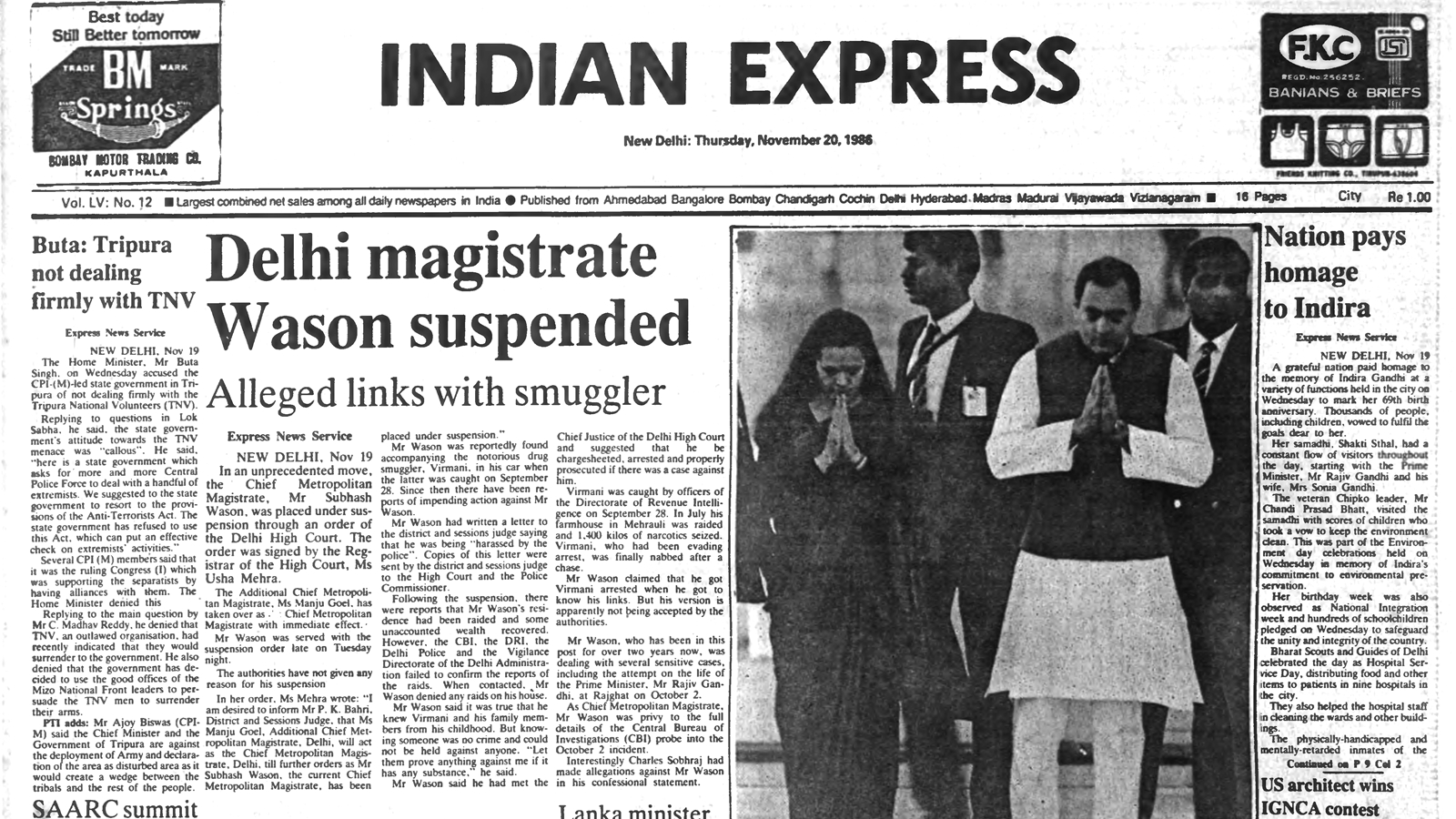
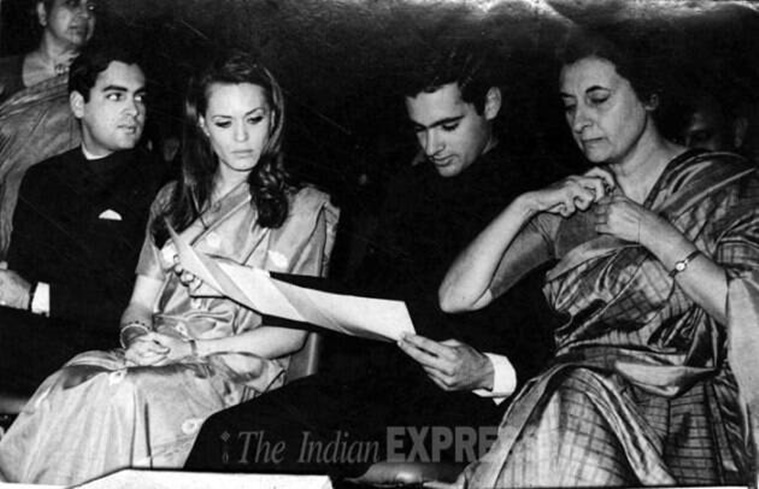
At the launch of her memoir Belonging, Congress leader Sonia Gandhi described the challenging process of blending into her marital family. She admitted she initially refused to call her mother-in-law Indira Gandhi, “Ma” or “Mummy”. Not because she disliked her, not because she wanted to be disrespectful, but because, as she put it, there was only one Ma in her life — her own mother. She would find ways of addressing Indira Gandhi without using the word, until familiarity and affection eventually made it possible.
This domestic recollection raises a question that our society still does not ask: Why must a woman, upon marrying a man, acquire a second mother by decree and be expected to call her Ma, a term we reserve for our birth mother? Why must a woman demonstrate belonging by surrendering a word that has been part of her emotional vocabulary since childhood, and her safe space?
This is not to say a mother-in-law can’t be loving, generous, protective and even understanding. A daughter-in-law can come to cherish her deeply. But affection is not an obligation, and intimacy cannot be summoned by an honorific. Because motherhood is not just a designation or role-play. It is a woman’s bloodline, organic core, a generational continuity. A woman’s relationship with her mother is built over years, through care, conflict, dependence and reconciliation. Just as a daughter-in-law would always fall back on her biological mother, so would the mother-in-law confide in her own daughter rather than her son’s bride. That’s the reason pregnant women return to their maika to negotiate a delicate stage of their lives. And every mother-in-law is happy to let go.
Only a mother can absorb everything unquestioningly about their child and allow that free space to evolve, correct and understand together. Marriage cannot simply transplant that history into another household. Nor should it have to.
The expectation that it must is part of a larger Indian bargain with the bride. She is asked to leave her parental home, adjust to unfamiliar customs, negotiate a new family hierarchy, modify her habits and often even change the way she dresses and speaks. Calling the mother-in-law Ma becomes one more symbolic demonstration that she has accommodated her husband’s family. Husbands, meanwhile, are rarely subjected to an equivalent emotional migration.
What is justified as a symbol of respect is nothing but emotional surrender. In some households, Ma is not merely a term of endearment for the mother-in-law; it is proof that the new bride has acknowledged the older woman’s authority. The honorific then becomes a social conquest, a declaration that the younger woman has accepted the older woman’s place at the top of the domestic hierarchy.
Of course, not every mother-in-law seeks this power, and many relationships are genuinely affectionate. But when the word is demanded, rather than freely offered, it can become an instrument of hierarchy. It is worth asking whether the insistence is really about love or about the reassurance of having one’s authority recognised.
Anthropological studies of South Asian kinship describe how marriages created affinal relationships between families, while patrilineal descent and the husband’s family retained greater social importance. Anthropologists Gloria Raheja and Ann Gold, in their work on women’s lives and kinship in North India, and Leela Dube in her writings on gender and kinship, have examined how women’s identities and relationships are reshaped by marriage and patrilineal family structures. Sarah Lamb’s White Saris and Sweet Mangoes, based on fieldwork in Bengal, also documents the complex obligations between daughters-in-law and mothers-in-law, including the expectation that a new bride perform acts of service towards her husband’s parents.
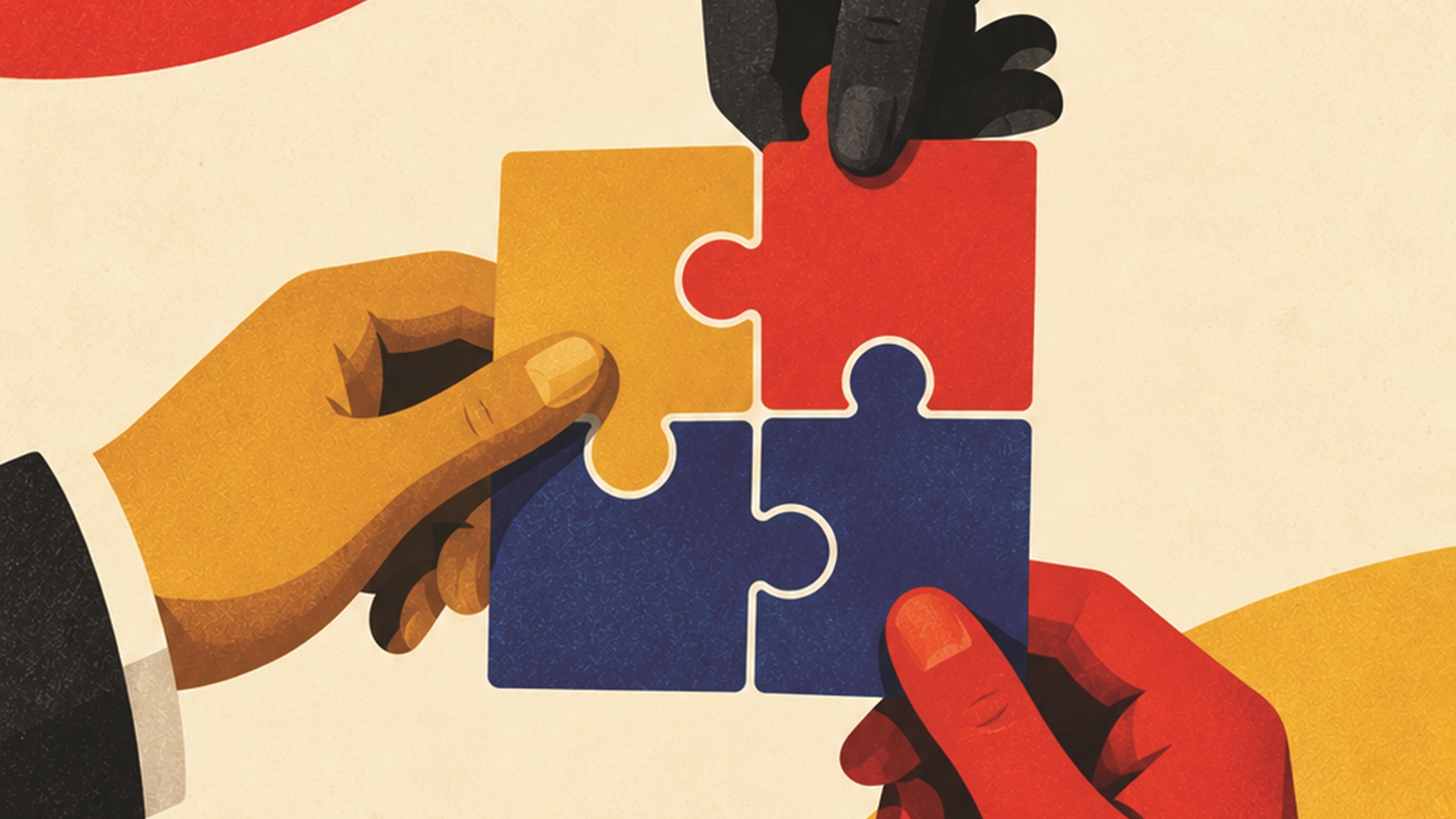
The irony is that the mother-in-law herself was once a bride who had to negotiate the same transition. What was once demanded of her becomes a tradition she can demand of someone else. As if she is extracting her sense of justice, unwittingly entrenching patriarchy, which has an extraordinary capacity to recruit its former subjects as its enforcers. And in the process, create a family structure where women become adversaries while men are seen as the householder, the ones holding it altogether. The ubiquitous “Ma” also subverts the woman’s identity by making her easily replaceable with a title.
Yet, the relationship need not be adversarial. A mother-in-law who does not demand the title may actually make herself more lovable. A daughter-in-law who chooses to call her Ma does so with a freedom that makes the word meaningful. The distinction between choice and compulsion is everything. For Sonia Gandhi, the eventual affection did not require an immediate surrender. She took her time. She got to know Indira Gandhi as a person before she did so. True belonging can be established just as strongly with other honorifics. But if Ma is a word of love, let it be earned by love, not imposition.
The writer is senior associate editor, The Indian Express. [email protected]