

From ‘Satluj’, a broader message: Punjab needs a truth and reconciliation commission
The debate should not revolve around eulogising or condemning militants or state agencies alone. Both acted within a larger ecosystem of political failure. The real question is not who pulled the trigger but who created the conditions in which violence replaced democratic dialogue
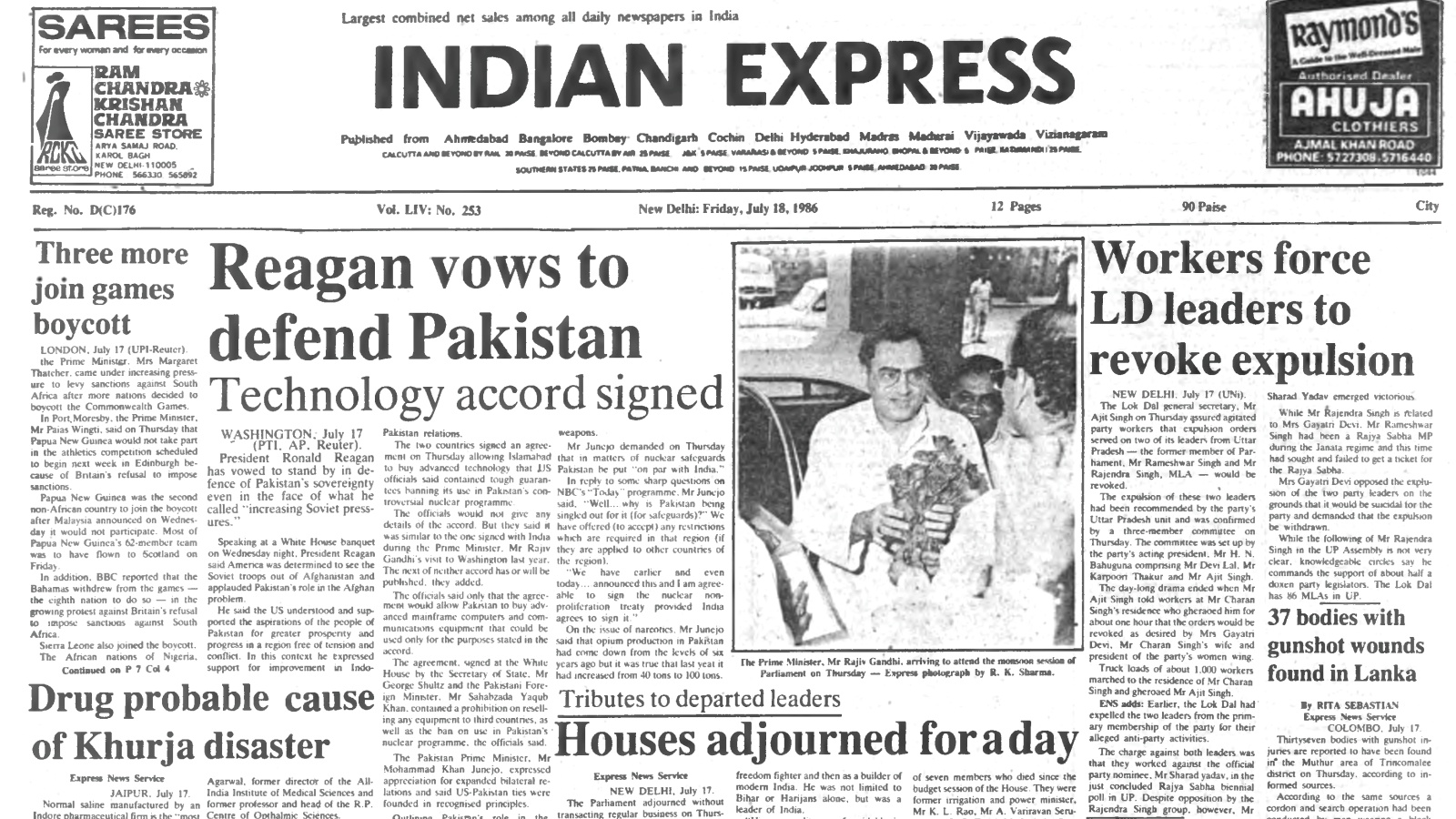
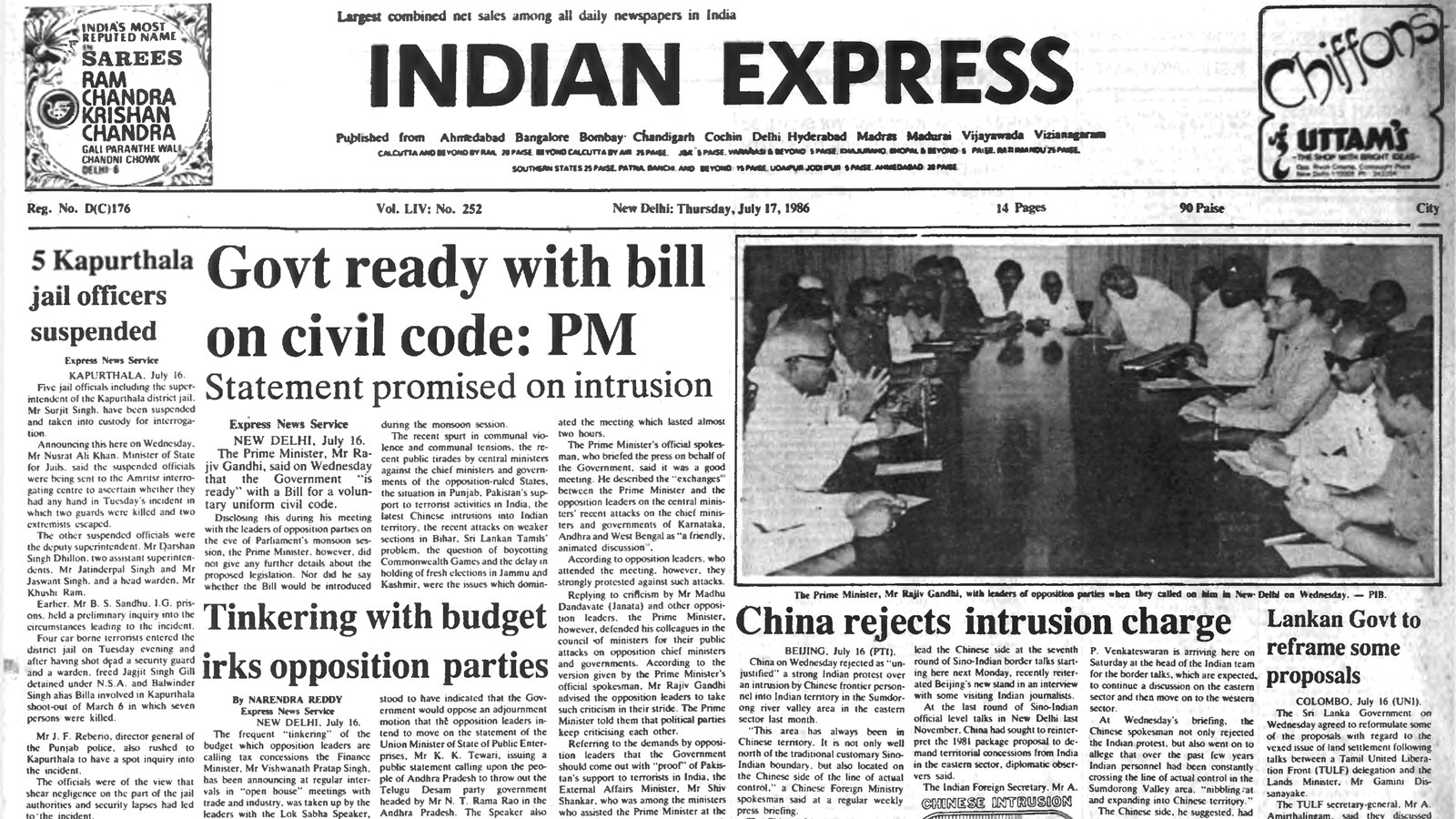
Punjab has lived under the shadow of repeated historical ruptures for over four decades — Operation Blue Star, the assassination of Prime Minister Indira Gandhi, the anti-Sikh violence of November 1984, two decades of militancy and counter-insurgency, and more recently, the year-long farmers’ movement, constitute interconnected chapters. Earlier generations had endured the trauma of Partition in 1947 and the agitations surrounding the Punjabi Suba movement and the reorganisation of the state in the mid-1960s. Each episode left behind memories, grievances and unresolved questions. Yet no comprehensive institutional effort has been made to bring closure through truth, accountability and reconciliation.
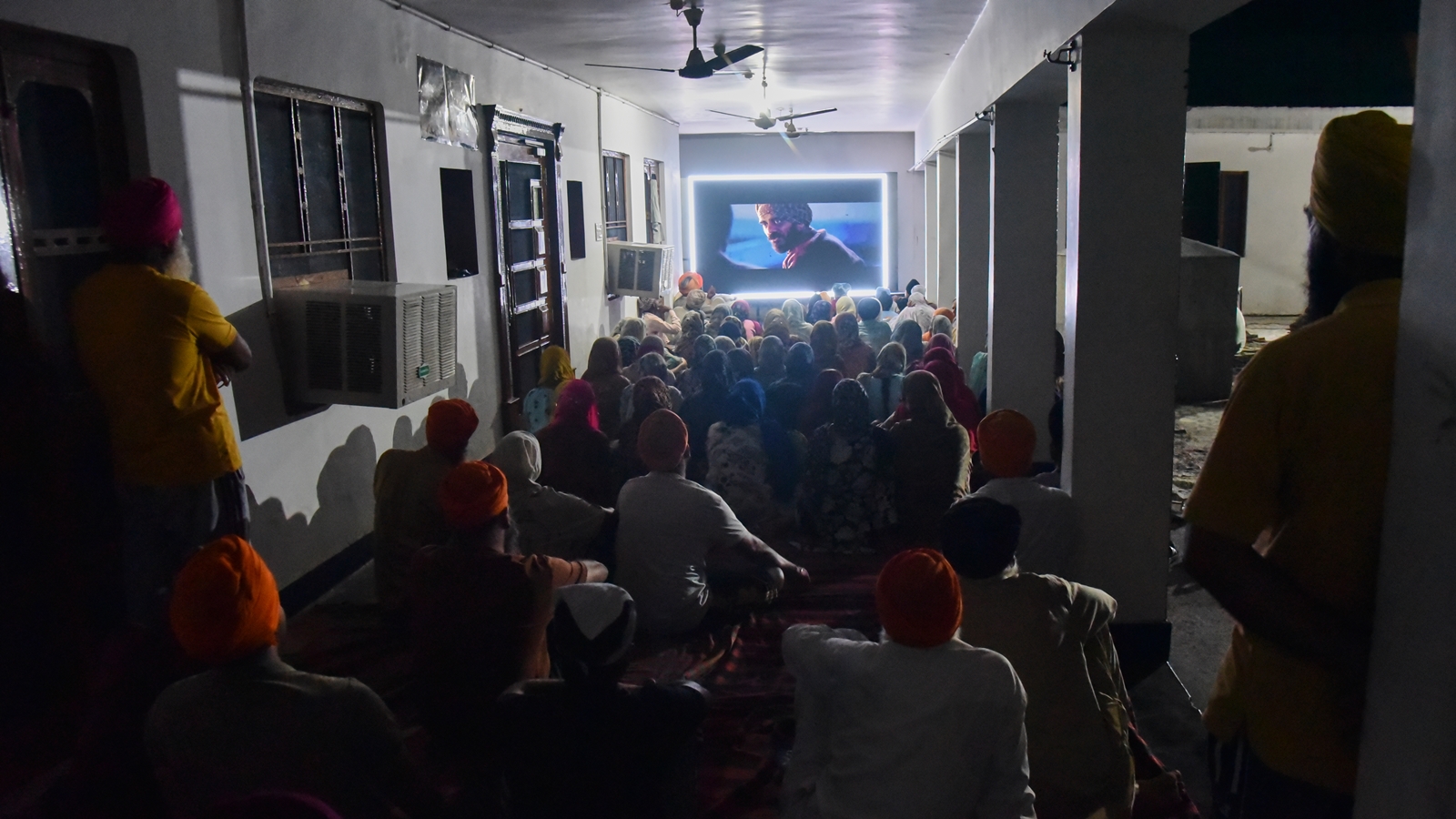
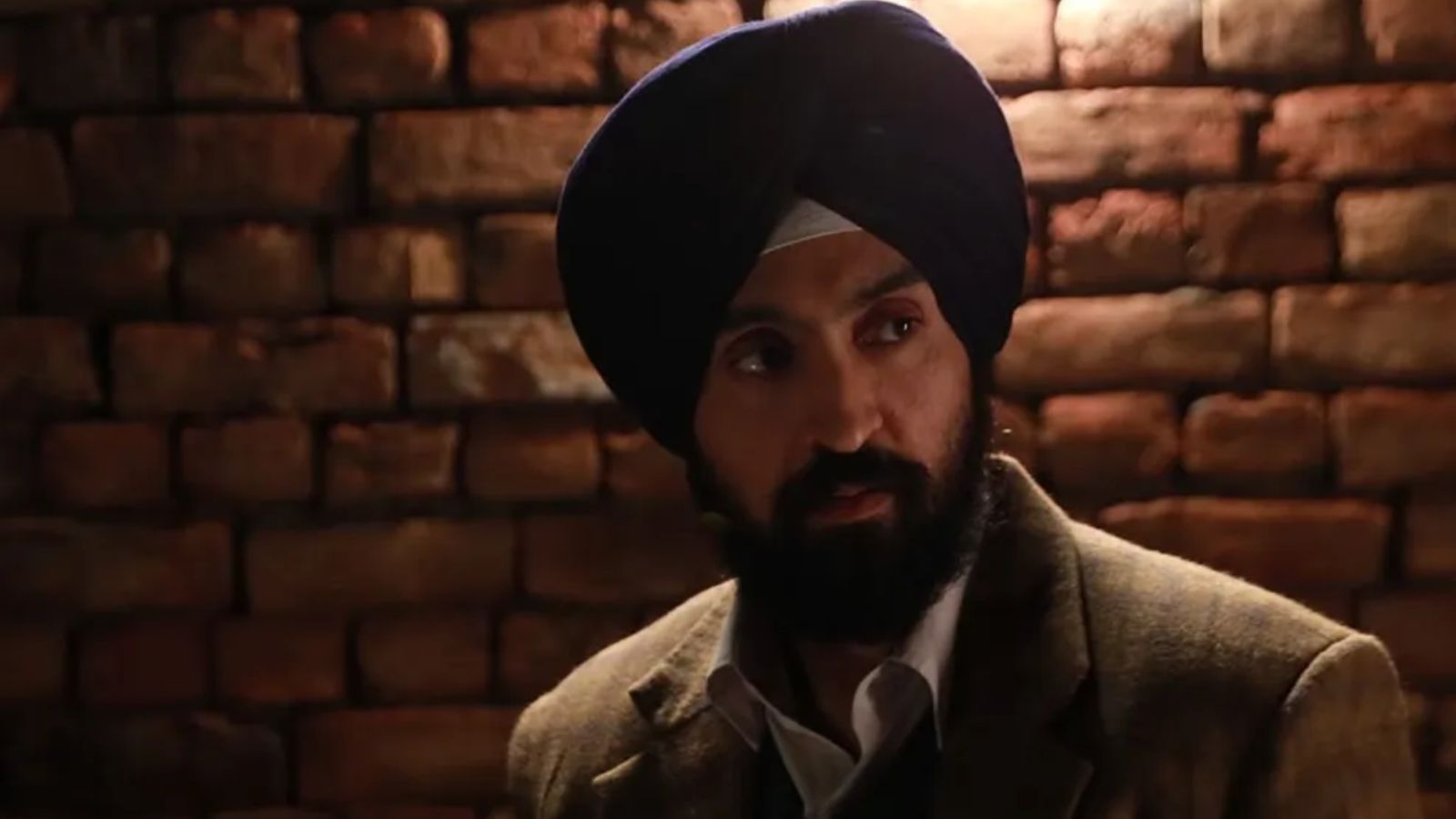
The release of Satluj should be viewed as an opportunity to learn to live with truth, initiate reconciliation and draw lessons from one of the darkest phases of Punjab’s history. Democracies mature by confronting difficult histories rather than suppressing them. The purpose is neither to glorify nor demonise any individual or institution, but to understand how democratic politics degenerated into extraordinary violence and how such conditions can be prevented from recurring.
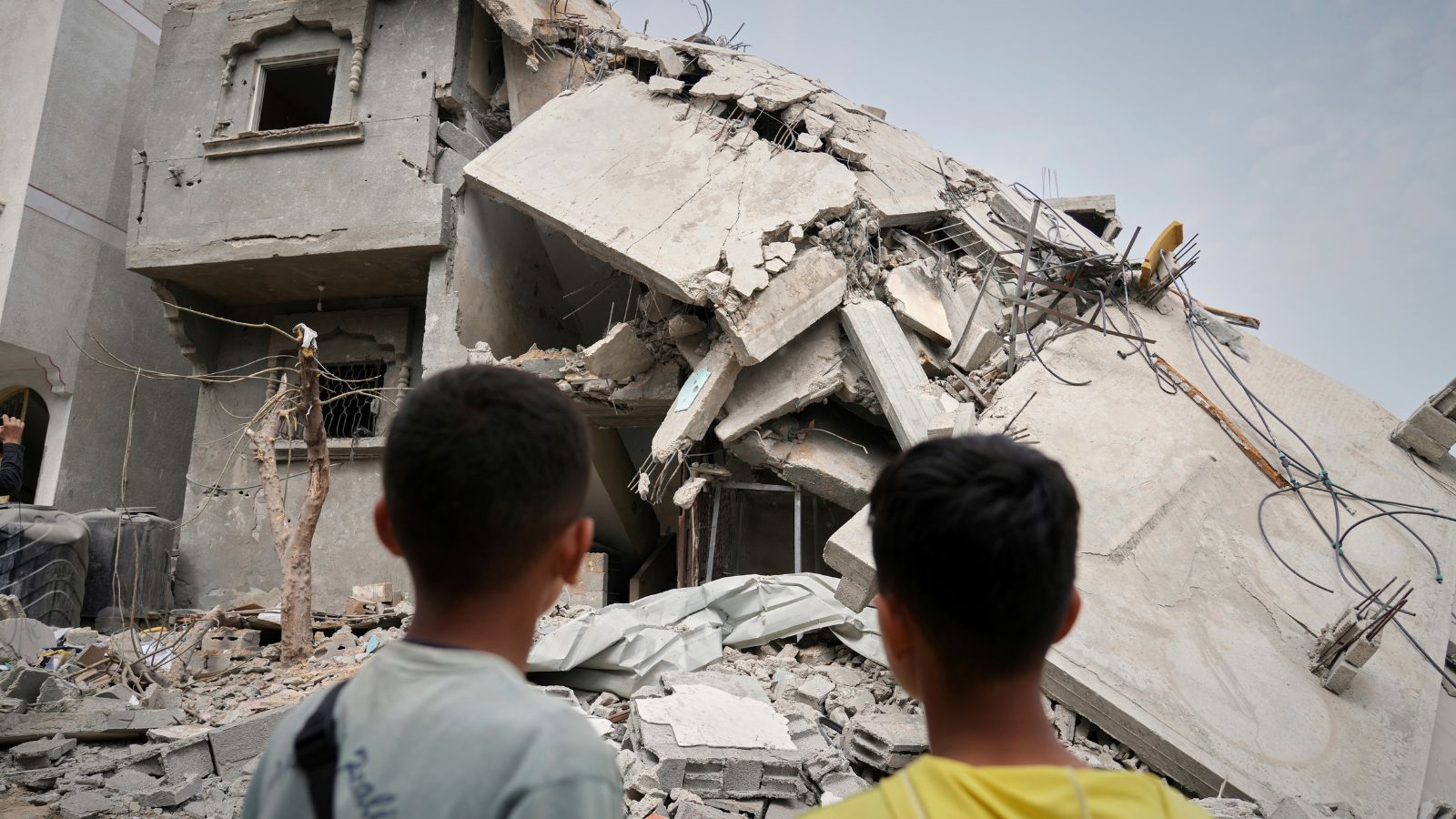
Punjab witnessed a prolonged insurgency and an equally intense counter-insurgency. Militants, security agencies and ordinary citizens became trapped in a cycle of fear and violence. Assassinations, disappearances, torture, fake encounters and bombings affected people across religions, castes and occupations. The violence spared none.
The debate should not revolve around eulogising or condemning militants or state agencies alone. Both acted within a larger ecosystem of political failure. The real question is not who pulled the trigger but who created the conditions in which violence replaced democratic dialogue. Unless accountability reaches the level of political decision-making and institutional collapse, societies remain trapped in the politics of blame rather than the politics of learning.
Perhaps Punjab’s greatest achievement is that society ultimately refused to remain divided along religious lines. What initially appeared as a conflict between communities gradually evolved into a collective determination to rebuild public life around a shared Punjabi identity. This found political expression in the Moga Declaration of 1996, which affirmed that the demands, grievances and quest for justice would henceforth belong to all Punjabis rather than to Sikhs, Hindus or any other community separately. Since then, despite occasional attempts by political actors to mobilise voters on religious or caste lines, Punjab has largely resisted communal polarisation. There is little empirical evidence to suggest that the screening of Satluj would have disturbed communal harmony.
An equally important lesson emerged from the Akali-BJP government’s policy of reintegration. Several prominent militant leaders returned to the democratic mainstream. The Department of Relief and Rehabilitation prepared a rehabilitation programme for nearly 13,000 widows and over 50,000 children belonging to families of militants, police personnel and ordinary citizens. The study refused to classify victims by religion, caste or political affiliation. Rehabilitation was based on the principle that suffering is universal and reintegration is a collective responsibility.
Despite these initiatives, justice for the victims of the 1984 anti-Sikh violence remained painfully slow. Neither the state nor political leadership initiated any institutional mechanism capable of bringing closure to Punjab’s violent past. The absence of truth-telling has allowed fragmented and competing narratives to dominate public memory. Victims, human rights groups, former officials and political actors continue to narrate selective episodes, leaving Punjab without a shared historical understanding. The past continues to return through competing memories instead of becoming a source of democratic learning.
Closure does not mean revenge, nor selective justice. It cannot mean protecting one form of violence while condemning another. Rather, it requires recognition of every atrocity, accountability for political failure and a willingness to live with historical truth. Punjab now needs a Truth and Reconciliation Commission with an independent mandate to document the experiences of all victims—those killed by militants, those subjected to disappearances and fake encounters, families of police personnel, public servants and ordinary citizens. Alongside, Punjab should establish a Peace Memorial as a monument of collective memory. It should preserve memory as a democratic reminder that neither militant violence nor state excesses can ever become legitimate instruments of politics.
There is a lesson for political actors preparing for future elections. Repeated attempts to mobilise society through religious or caste identities may generate short-term gains but invariably strengthen radical forces and weaken democratic institutions. Punjab’s history demonstrates that divisive politics imposes enormous human, social and economic costs.
The state has an obligation to move to the politics of accountability. Only through truth, justice, reconciliation, documentation and a Peace Memorial can Punjab finally bring closure to one of the most painful chapters of its history and ensure that future generations inherit not the burden of unresolved memories but the wisdom of democratic learning.
The writer is chairperson, Institute for Development and Communication (IDC), Chandigarh