

‘Satluj’ and the price of remembering
Of all the films this country fights about, ‘Satluj’ is the rare one whose spine is a verdict. If deviation from fact were grounds for keeping a film from audiences, how did ‘The Kashmir Files’, ‘The Kerala Story’, ‘Dhurandhar’, and ‘Chhaava’ release?
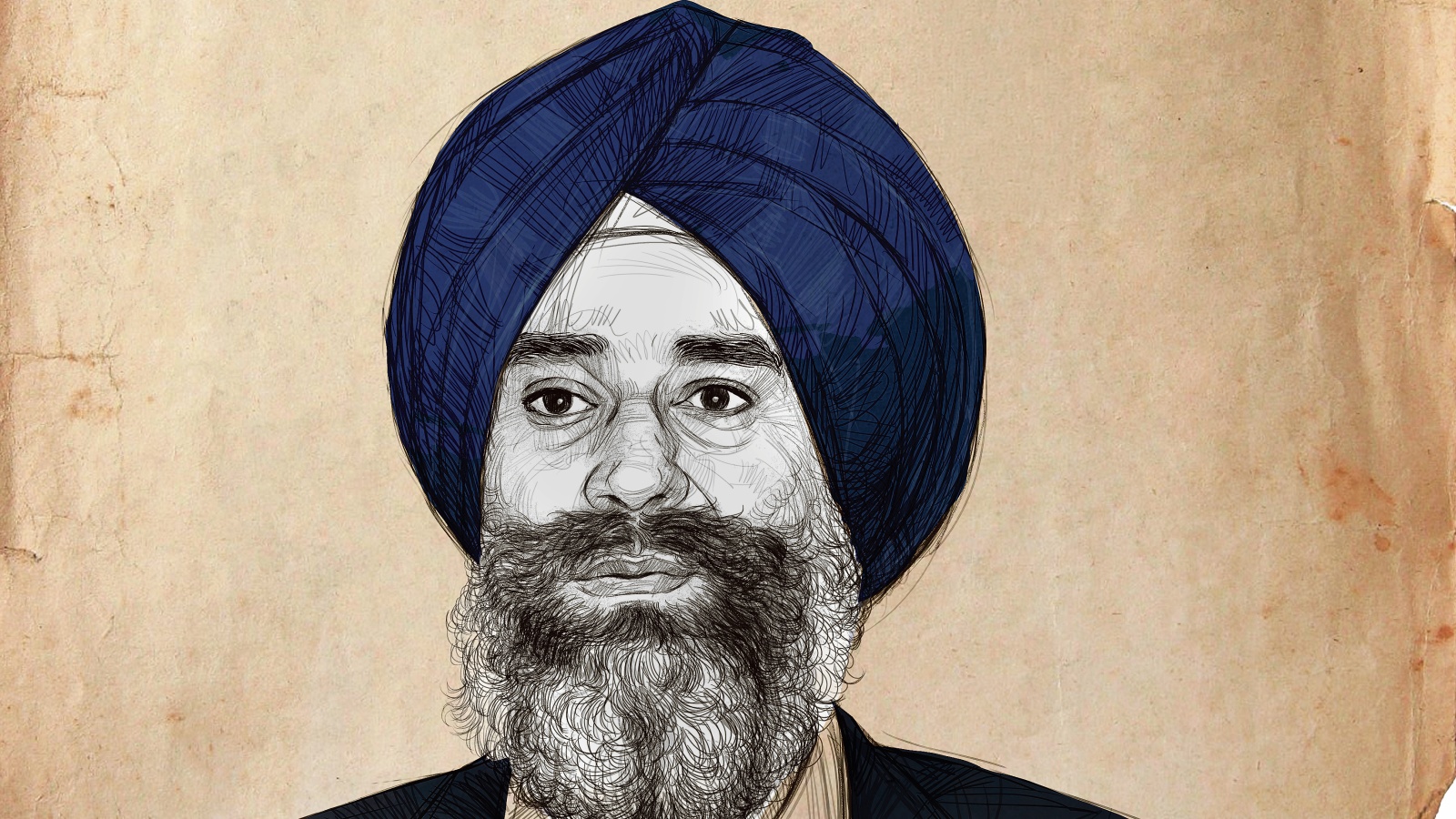
Jaswant Singh Khalra was born in 1952 in Khalra village — then in Amritsar district, now Tarn Taran — a few kilometres from the border. His grandfather, Harnam Singh, was a Ghadar-era revolutionary. By the family’s account, he was tried in the Lahore Conspiracy Case, before a Special Tribunal created under the newly passed Defence of India Act, with no jury and no appeal, and spent close to a decade in British prisons.
Now here is the irony. The Empire, whatever else it was, acknowledged its prisoner. There was an arrest on the record, a charge, a tribunal — however rigged — a sentence. Eighty-one years later, in independent India, policemen took his grandson from outside his house in Amritsar, and the state then denied, including before the Supreme Court of India, that it was holding him at all. It disappeared the grandson for asking questions.
What questions? Investigating colleagues who had vanished, Khalra found in Amritsar’s municipal records the names, ages, and addresses of people the Punjab Police had cremated as lavaris — unclaimed, unidentified. His charge was specific: Young men were being detained, killed in staged encounters or in custody, and burned as nobody. He documented more than 6,000 such cremations in Amritsar district alone, and extrapolated a statewide figure of 25,000, an estimate never officially verified. But the verified numbers of 2,097 by the CBI are damning enough.
The police response was immediate. In January 1995, DGP K P S Gill told a press conference in Amritsar that the missing had gone abroad under false names. Khalra challenged him to an open public debate. It never took place. In April 1995, Khalra carried his registers to Canada. Friends begged him to claim asylum. He answered with a parable: When darkness first fell upon Earth, one small lamp raised its head and said, “I challenge the darkness; around myself, at least, I will not let it settle.” Then he went home to be the lamp.
On the morning of September 6, he was taken while washing his car outside his house. He was held illegally, tortured, and shot dead on October 27. His body was thrown into the canal at Harike, where the Sutlej receives the Beas.
None of this is speculation, and that is the point everyone arguing about Satluj keeps missing. The case went all the way to the Supreme Court, and in November 2011, the Court recorded that Khalra’s press note on the cremations had been “found to be correct”, and observed that the force had closed ranks to protect its own.
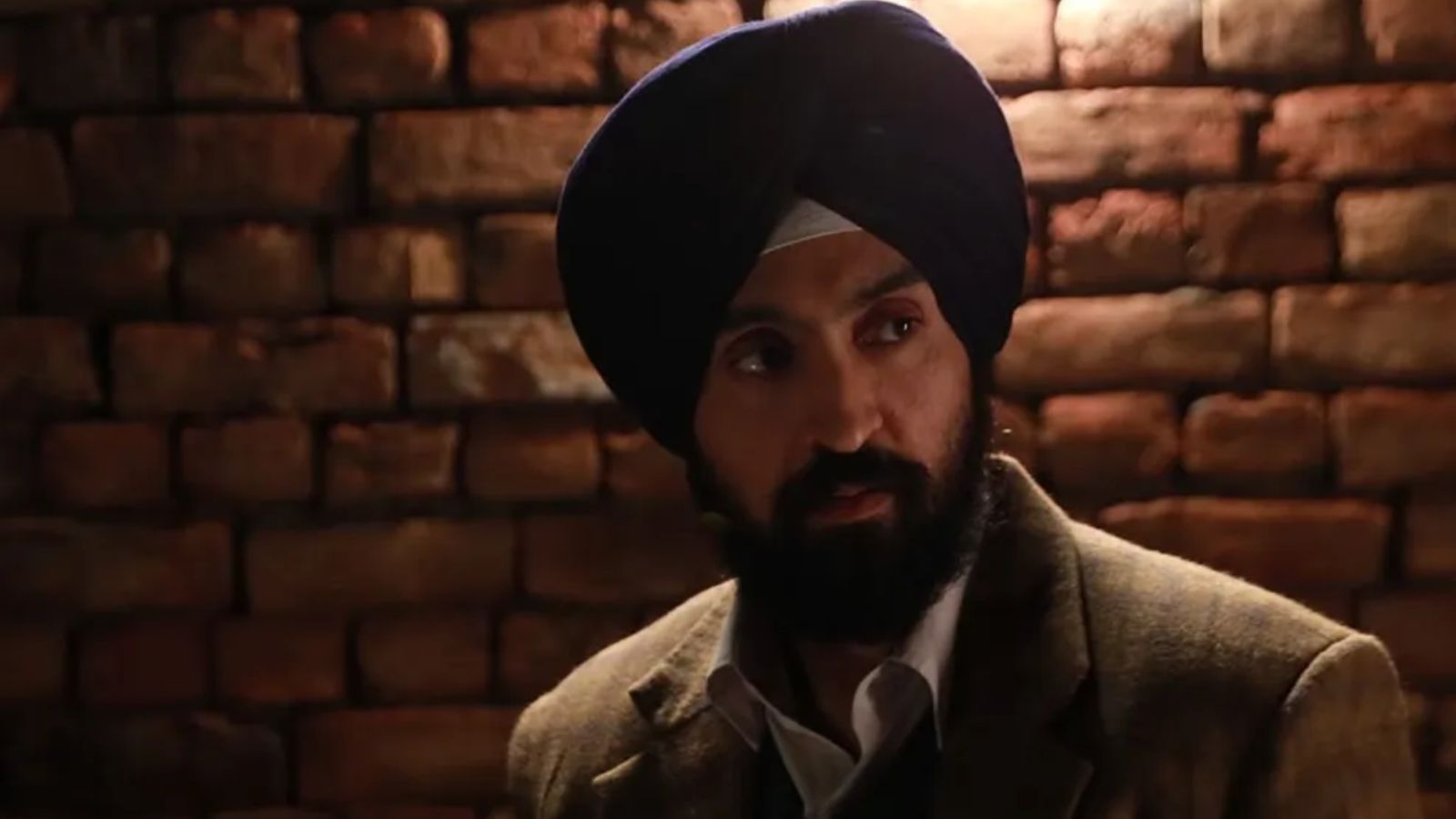
I have seen the film, and I will be honest about it in a way its defenders and detractors will both dislike. Is it factually complete? No. It does not show the Khalra whose own writings were sympathetic to Bhindranwale and the Khalistan cause; it flattens a complicated political man into a secular saint. But that is not an inaccuracy about the crime. The crime rests on an adjudicated record.
Of all the films this country fights about, Satluj is the rare one whose spine is a verdict. If deviation from fact were grounds for keeping a film from audiences, how did The Kashmir Files, The Kerala Story, Dhurandhar, and Chhaava release? Each dramatises, valorises, invents — that is what films do — and each was extended the licence without a second thought. I am asking why the standard applies to just one. And to those who complain that Satluj does not show the other side, did Dhurandhar? Where was the other side in Chhaava?
So why did this film disappear? Punjab votes next year. Had the film been allowed to run, the ruling party at the Centre could even have claimed credit — the worst of these atrocities took place under Congress governments. The takedown makes no party-political sense, and I have stopped trying to read it as such. Congress ran the counterinsurgency. A certification board under the present government buried the film for four years. It vanished from screens while a third party governed Punjab. The only logic consistent across three decades and three parties is the oldest one: The state protects the state.
What I want to say as a Sikh filmmaker from Punjab who grew up in Gujarat is what it does to a person when government after government buries the truth of his land and his people. It is suffocating. We begin to feel like second-class citizens — expected to compromise, to bow, to survive quietly. The Constitution calls us equal. Do the governments of this country treat us as equal? I keep returning to Khalra’s lamp. It is burning bright in village squares, schools, and gurdwaras. A lamp taken down is not a lamp put out.
Singh is the director of Tabbar and Fire in the Mountains