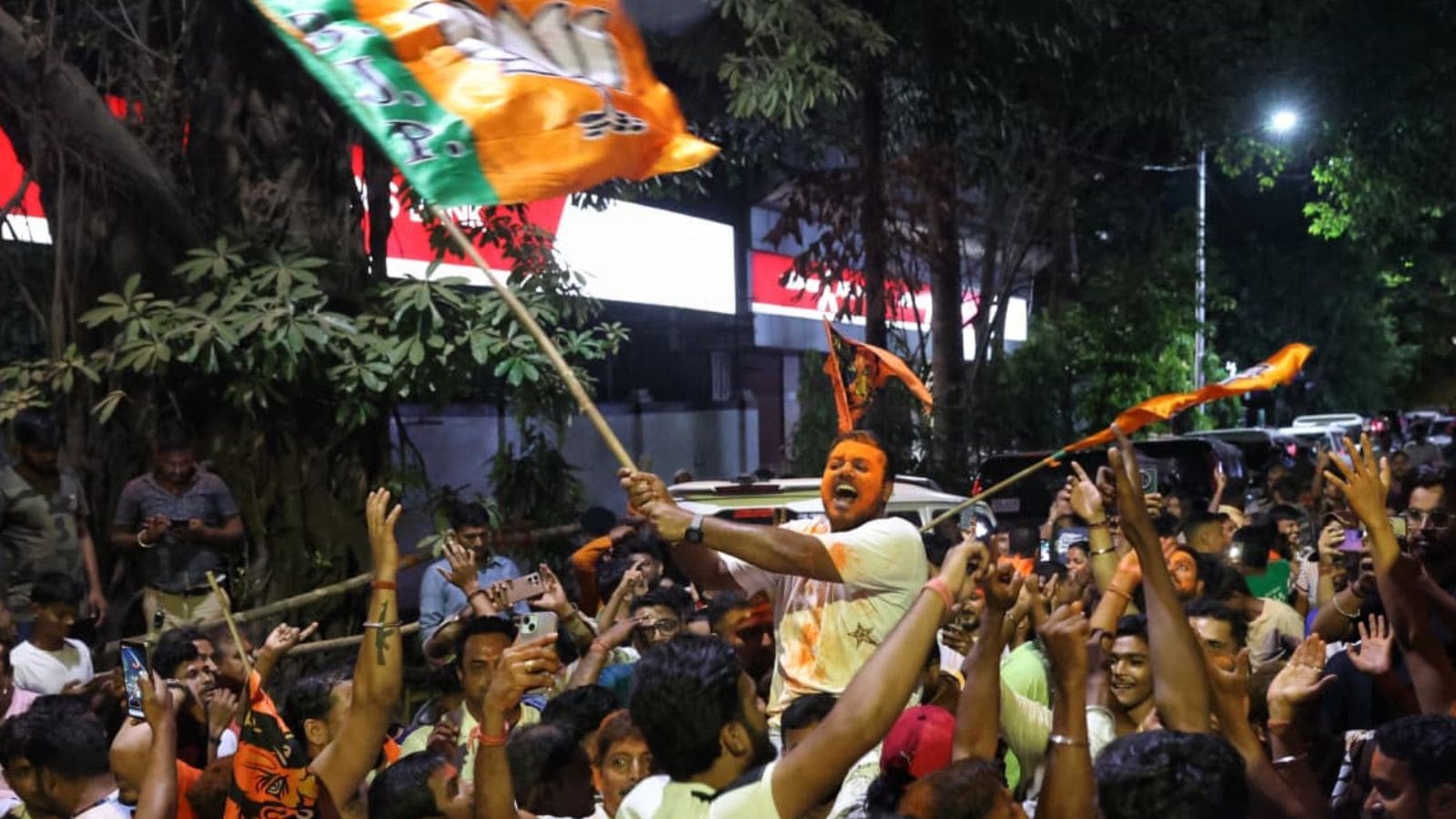


Saffron skies over the Hooghly: How the BJP finally captured the liberal bastion
The TMC’s event-management-style campaign, curated by the IPAC, could not counter the BJP’s political and ideological narrative. If one has to fight the BJP, one must concentrate on the everyday grassroots welfare and relief work with a subtle ideological message
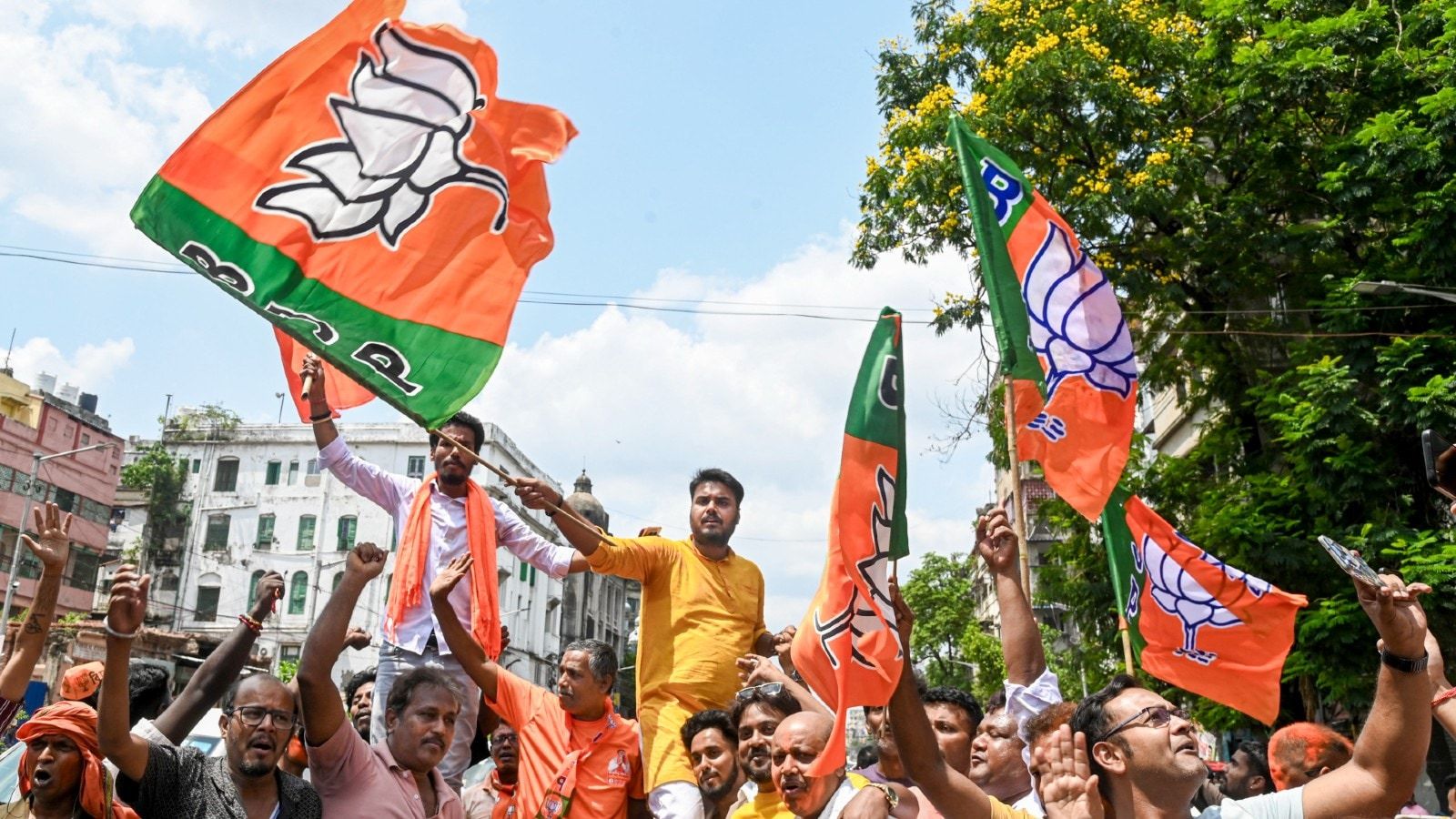
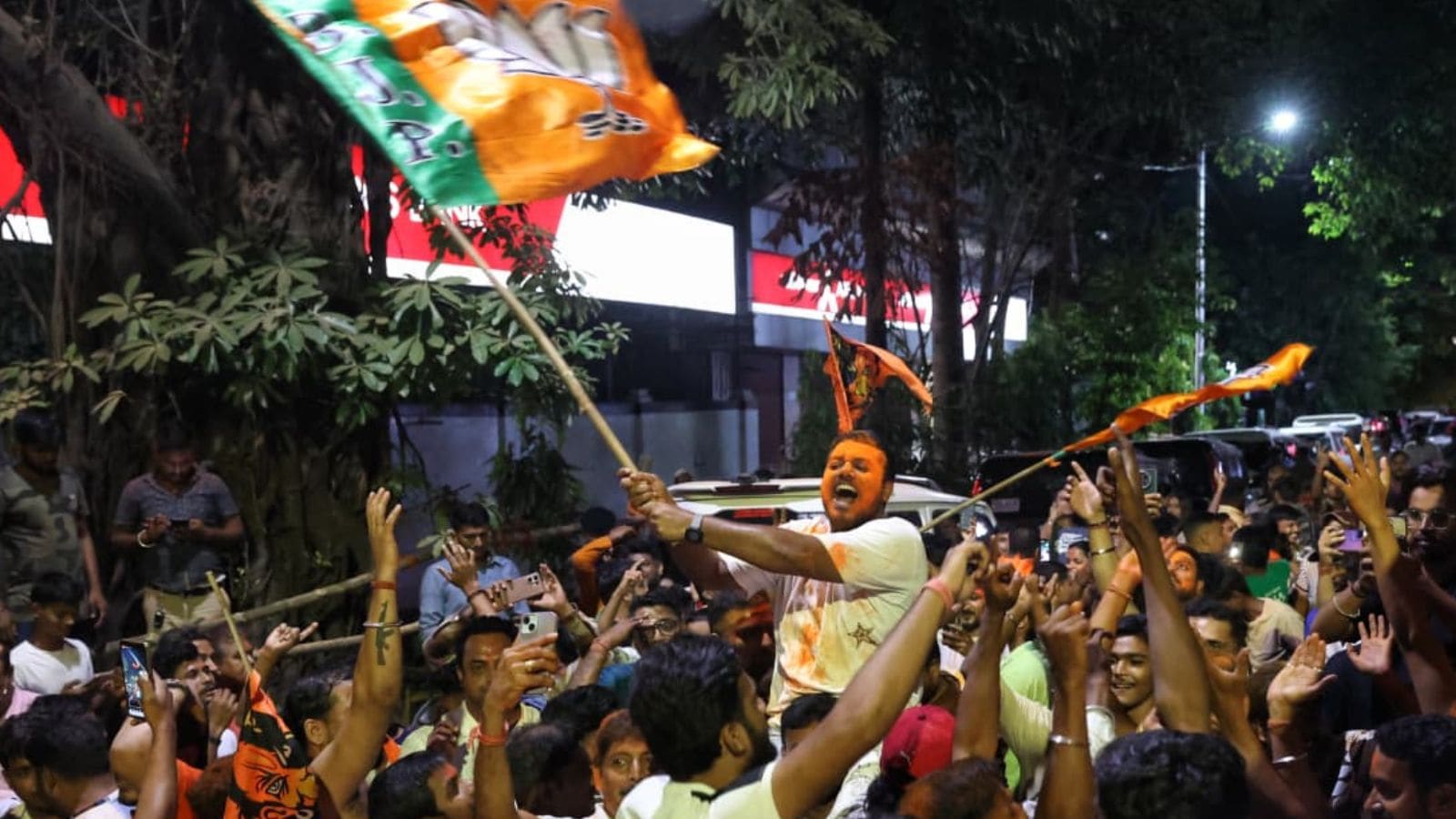
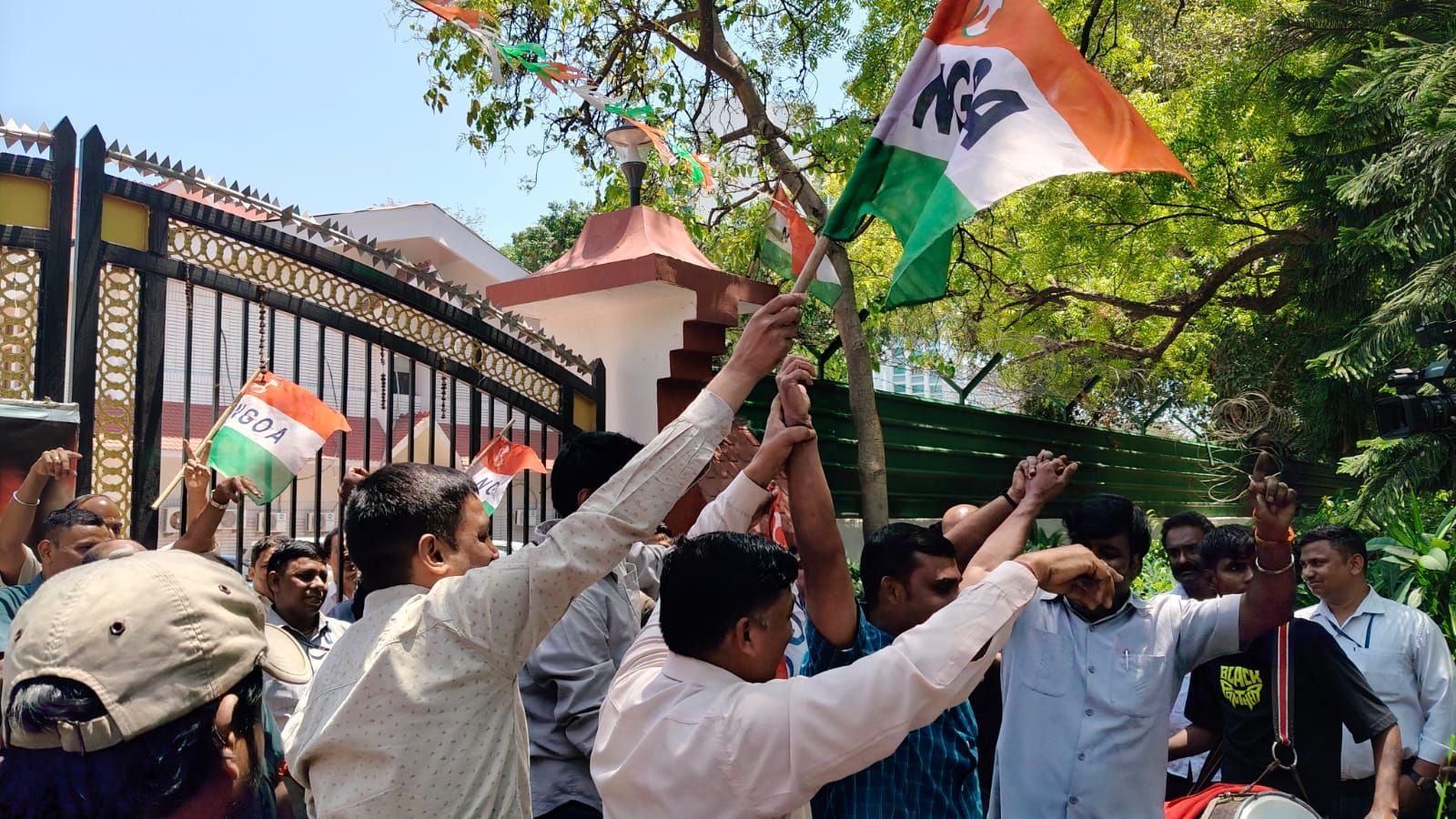
The assembly election results in West Bengal are decisive. The winning party won two-thirds of the seats. This was expected, given the state’s long-term trends. Since 1971, there has never been a hung assembly in the state. At the same time, several long-term trends have been broken. For the first time since 1972, a major national party has come to power in Bengal. Also, for the first time since 1972, Bengal will be governed by the same party as the Centre. Also, since 1977, the party that won the Lok Sabha elections has also won the subsequent Vidhan Sabha elections. Not so, in 2026. Further, the BJP has been able to capture Bengal for the first time, whose dominant ideological spectrum has been marked by liberal and left sensibilities for the last two centuries. It is now Bengal’s turn to move towards the right politically, with religious conservatism already embedded in Bengali society since the 19th century.
The elephant in the room this election, though, is not the number of seats or vote shares. The Special Intensive Revision should have been a Special Inclusive Revision. Alas! That was not the case. The common voters were not properly informed during the enumeration and hearing phases. The 13 documents listed for the SIR were not the exact documents sought from the voters who participated in the election when they received their elector’s voters slip. About 34.35 lakh voters whose names were found on the December 16, 2025, Draft Roll of West Bengal were deleted, and many approached the appellate tribunals. So far, the appellate judges have cleared over 99 per cent of those who appeared before them. Normally, if a voter’s name appears in the draft roll during the annual summary revision, it is included in the final roll unless the voter is dead or has shifted between the publication of the draft roll and the final roll, with someone reporting this through Form 7. But in Bengal, a special category of “logical discrepancy” was invented, whose victims became genuine voters. The way the Trinamool Congress leadership and the IPAC were targeted with ED raids made it clear that the BJP was desperate to win Bengal.
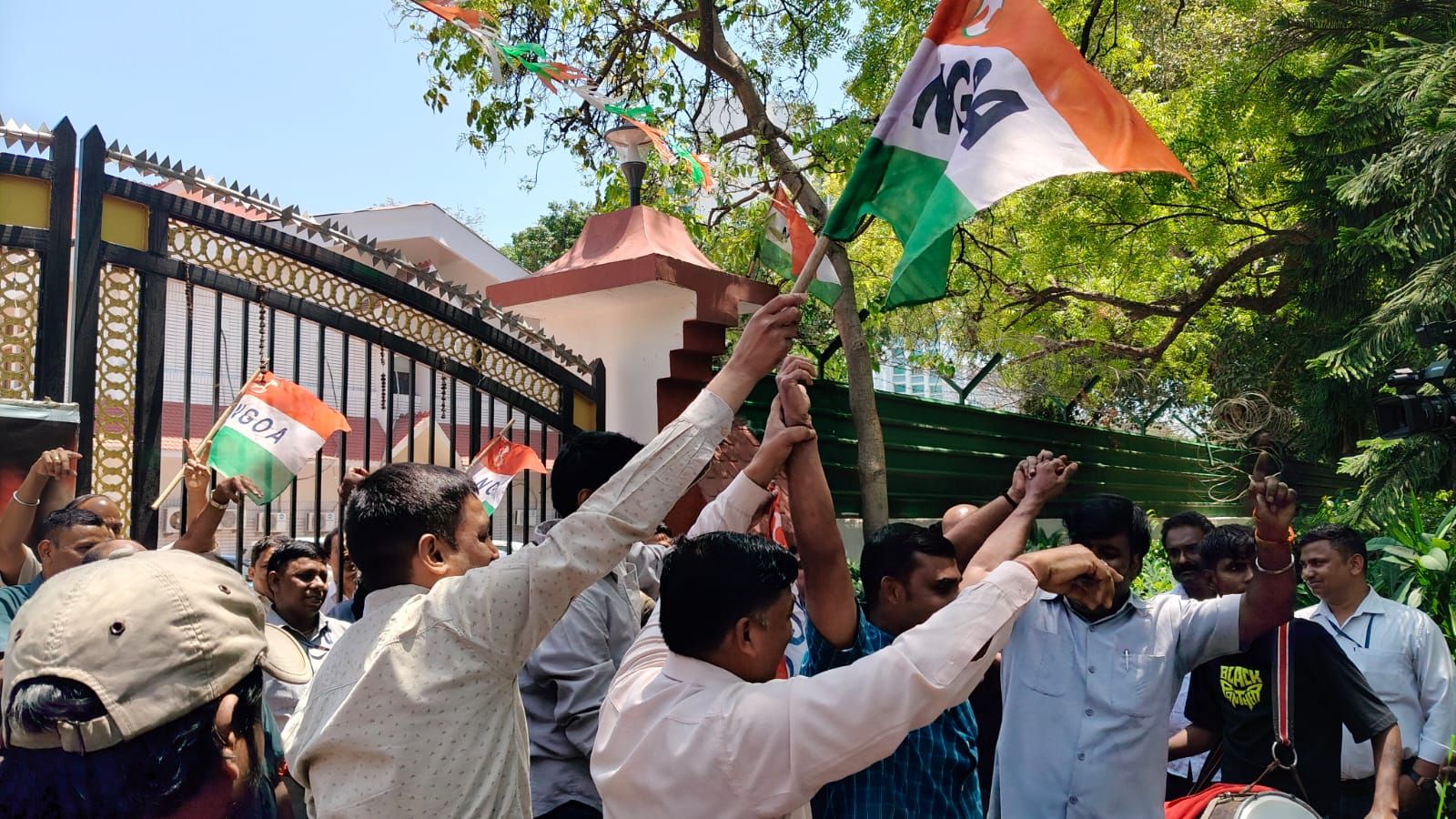
On the other hand, the TMC thought they could set up a narrative of victimhood and anti-SIR posturing that would overturn electoral arithmetic with a new political chemistry. It was expected that the election could be fought only by making the SIR the sole issue, with additional talking points about the government’s various social welfare schemes. But local anti-incumbency of the last 15 years, with charges of corruption and extortion rackets, made the TMC vulnerable in this election. It also suffered because of the increasing arrogance and complacency of the TMC leadership, from top to bottom. Sections of the TMC leadership had already announced they had won the elections during the SIR, without carefully noting which names were being deleted from the electoral rolls or addressing the electorate’s local-level complaints.
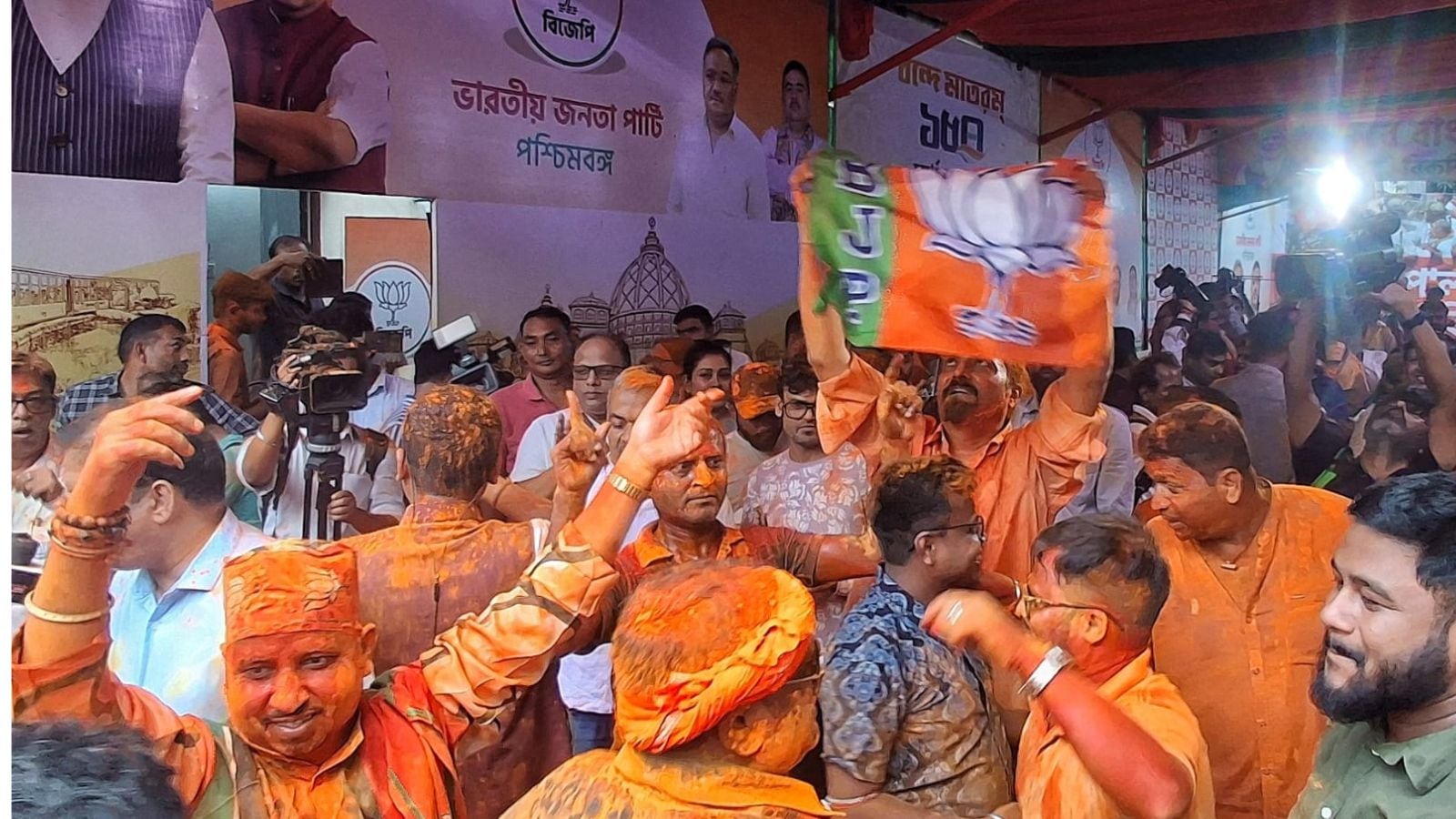
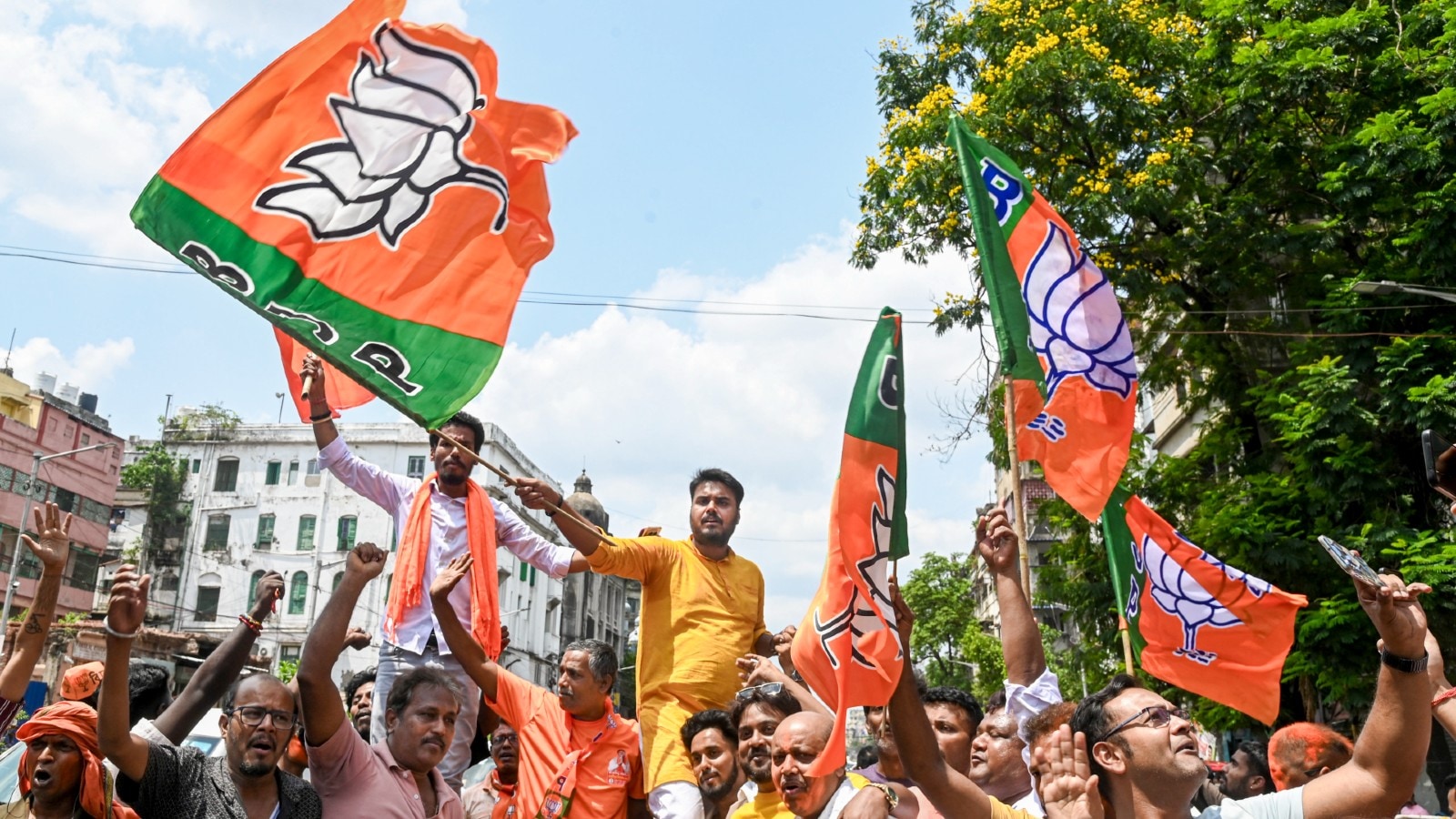
The TMC certainly benefited from delivering the welfare schemes, with millions of beneficiaries voting for the party in the last decade since the 2016 assembly election. This time, the BJP’s campaign focused on asking the right questions on education, health, infrastructure, and security, while offering more cash transfers. It also learned from its past mistakes of not personally targeting Mamata Banerjee. In addition, the RSS network in the state has been activated over the last 15 years, and its groundwork has now yielded rich electoral dividends.
The TMC’s event-management-style campaign, curated by the IPAC, could not counter the BJP’s political and ideological narrative. If one has to fight the BJP, one must concentrate on the everyday grassroots welfare and relief work with a subtle ideological message. The TMC’s ideological vacuum was only partially fulfilled through a Bengali nativist campaign after the 2019 Lok Sabha election, while the IPAC was managing its social networking campaigns. The RG Kar movement and the global Bengali diaspora participating in it after the 2024 Lok Sabha elections damaged the Brand Mamata in urban areas.
Politically, the BJP made a larger social alliance of upper castes, Hindu OBCs, Scheduled Castes, and Scheduled Tribes to win Bengal by propagating several myths about the Muslim community. However, the road ahead is difficult. The BJP made tall promises to implement the seventh pay commission in the state within 45 days of coming to power and to double cash transfers to women and youth. The challenge for the BJP is to mobilise sufficient funds to deliver on the promises. Moreover, the major task is to attract significant capital investment in manufacturing and the services sector that the state needs immediately.
The writer is professor of political science at the Centre for Studies in Social Sciences, Calcutta (CSSSC)