

Safer motherhood begins before pregnancy
The NFHS-V shows that 57 per cent of women aged 15–49 are anaemic, up from 53 per cent in the previous survey
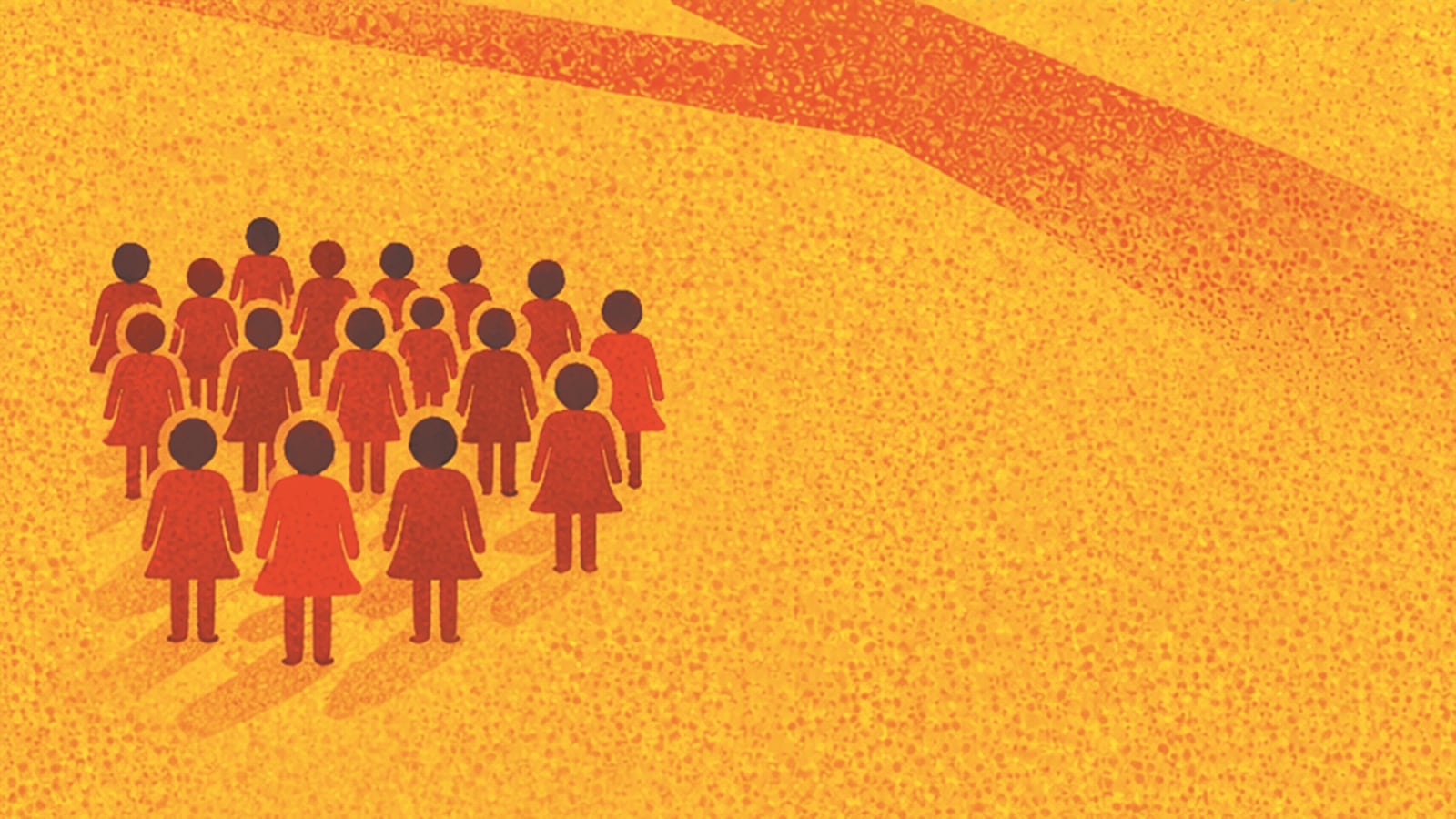
Young women in urban India today are choosing to delay starting a family in pursuit of careers and stability, yet they are surrounded by anxiety-inducing conversations about fertility and late pregnancies. In contrast, many women in rural settings conceive much earlier but often navigate pregnancy with far less access to a consistent continuum of antenatal and postnatal care. In both cases, the question arises: Are we doing enough to safeguard them by providing a full spectrum of maternal care?
A new study in The Lancet Obstetrics, Gynaecology & Women’s Health shows India’s maternal mortality ratio has fallen from 384 deaths per 100,000 live births in 2000 to just 88 in 2023 — one of the steepest declines anywhere in the world. Sustaining that momentum now requires turning our attention to a condition that shapes how safely a woman experiences pregnancy long before she reaches the labour room: Anaemia.
The NFHS-V shows that 57 per cent of women aged 15-49 are anaemic, up from 53 per cent in the previous survey. Anaemia compounds the risks of haemorrhage and infection and can contribute to both maternal deaths and pre-term labour. Iron deficiency accumulates over years. Inadequate dietary diversity and heavy menstrual blood loss deplete iron stores long before a woman becomes pregnant. This is why a life-cycle approach matters. Iron and folic acid supplementation, already embedded in national programmes, must reach women early. Oral iron remains the standard first-line therapy for mild to moderate anaemia because it is accessible, affordable, and effective when taken consistently. However, adherence is difficult, absorption is unpredictable, and for some women there simply is not enough time. A woman diagnosed with severe anaemia at 32 weeks of pregnancy cannot wait three months for her haemoglobin levels to rise through daily tablets. For her — and for women who cannot tolerate oral iron — intravenous iron, particularly a formulation called Ferric Carboxymaltose (IV-FCM), is a critical option.
Postpartum haemorrhage is one of the leading causes of maternal deaths in India. There are, however, proven interventions. The E-MOTIVE bundle, tested across more than 200,000 births in resource-limited settings, reduced severe bleeding outcomes by 60 per cent.
Safer motherhood begins with better nutrition, earlier testing, timely treatment, and a health system that supports women at every stage of life. Collaborative platforms such as the ADHUNA initiative, which brings clinicians together to strengthen provider awareness and share practical tools, demonstrate what becomes possible when knowledge, training, and practice move in the same direction. That effort must now become broader, better coordinated, and sustained so that both public and private healthcare systems can help women enter pregnancy with strength.
The writer is president, Federation of Obstetrics and Gynaecological Societies of India