

Why a long-term ceasefire between Russia and Ukraine may be closer than it seems
Russia cannot push Volodymyr Zelenskyy out of power and install a favourable regime, nor does Ukraine have the military capabilities to push the Russian military out of the territories that the latter has occupied
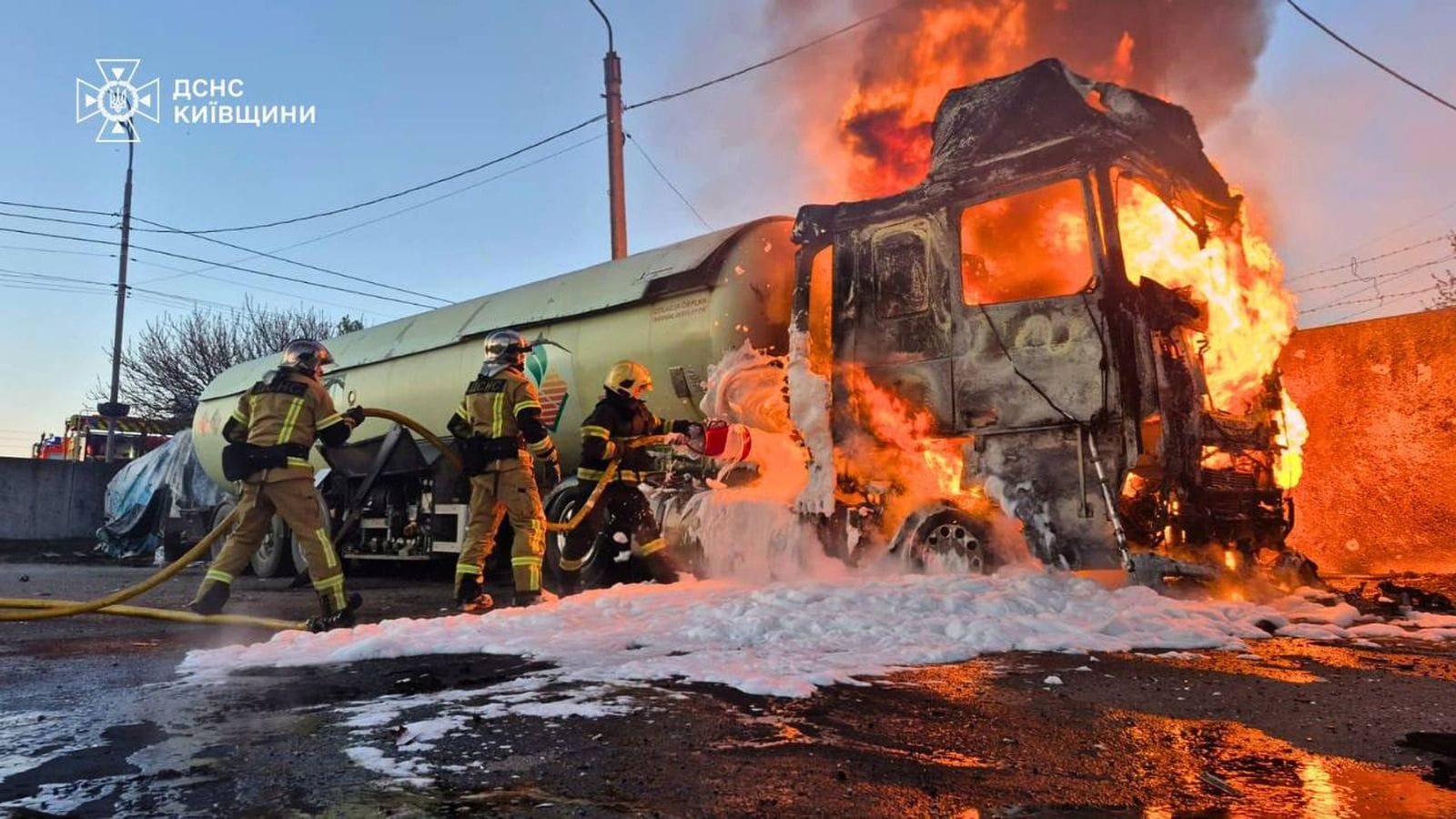
Russia and Ukraine have agreed to a three-day ceasefire and the exchange of 1,000 prisoners from each side. The request for the temporary ceasefire came from Russia to commemorate the Allied victory over Nazi Germany in World War II. Ukraine demands a permanent ceasefire, which Russia refuses to accept without a formal peace deal.
Vladimir Putin announced the ceasefire ahead of Victory Day, celebrated annually on May 9. The day symbolises sacrifice, resistance against fascism, military strength, and national resolve.
To put things in perspective, an estimated 75 million people died in World War II. Out of this, about 26 million were from the Soviet Union. In other words, one-third of all deaths in the war were from the Soviet Union. Within the Soviet Union, around 5.7 million military casualties were ethnic Russians, while 1.3 million were ethnic Ukrainians. It also wiped out a significant portion of the younger population.
The Great Patriotic War, the term used for World War II in Russia, occupies a foundational space in its historical memory. Ukraine is an equal inheritor of this legacy. However, in its attempt to distinguish itself from the Soviet Union and Russia, it focuses on its own sacrifices against the Nazis. Aligning its policies with Europe, it celebrates May 8 as a day of Remembrance and Reconciliation, in contrast to Russia’s May 9 Victory Day.
Ukraine was initially hesitant to honour the Russian request for a temporary ceasefire, but Donald Trump persuaded it to accept the deal. It is temporary, and in all likelihood, hostilities will resume, but a long-term ceasefire remains possible for three reasons.
First, the war is caught in a deadlock. Both sides claim to be making incremental territorial gains, but neither is in a position to achieve its ultimate objective. Russia cannot push Volodymyr Zelenskyy out of power and install a favourable regime, nor does Ukraine have the military capabilities to push the Russian military out of the territories that the latter has occupied. Russia will not cede land it has occupied in Crimea, Kherson, Zaporizhzhia, Donetsk and Luhansk. Both sides are incurring heavy military casualties.
Second, Trump is unwilling to commit more resources to Ukraine, given the US’s preoccupation with West Asia. Ever since his re-election, he has put pressure on Ukraine to accept an unfavourable deal. He has also stalled the supply of weapons and financial support to Kyiv. Without US support, Ukraine cannot expect to win. It might, instead, lose more territory if the war continues. Therefore, Ukraine may be forced to go for a peace deal.
Third, European states are under pressure to reach an amicable resolution. European economies are faltering due to Trump’s tariffs and the wars in Ukraine and Iran. Though the EU has committed $100 billion in loans to Ukraine, there are signs of fatigue in Europe.
The escalating cost of living, rising unemployment, and Trump’s threats to retreat from NATO have pushed European leaders to recalibrate their security strategy. For instance, European Council President António Costa stated recently, “We cannot change the geography. We are in Europe, we are neighbours of Russia, and of course we need to talk with them about the future of the security architecture of Europe”.
Other European leaders have expressed similar sentiments. French President Emmanuel Macron, too, has underlined the importance of an autonomous European security architecture and hinted at negotiations with Russia at some point. Europe will face more economic troubles if the war continues. Therefore, it also has compelling reasons to achieve a peace deal. However, its political leadership is weak and fragmented, undermining its ability to shape the outcome independently.
Finally, Russia has also begun to respond positively to European overtures on potential negotiations. Putin has expressed his willingness to begin talks with Europe over Ukraine and the broader security architecture. Russia wants Europe to recognise its security concerns and abandon the idea of Ukraine’s potential NATO membership. It also wants Europe to recognise the territories that it has occupied in Ukraine.
These are difficult demands, and Ukraine will not readily accept them. However, they do not preclude the possibility of a ceasefire, provided that European leaders initiate direct talks with Russia. Having long outsourced its security to Washington, it is time for Europe to reclaim control over its own security framework and peace deals.
The writer is professor, School of International Studies, JNU, New Delhi