

Political violence, polls and the West Bengal exception
The roots of Bengal’s electoral violence lie in the cadre-based politics that emerged during decades of Left Front rule. The transition from the Left Front to Mamata Banerjee in 2011 did little to dismantle this entrenched culture
By Priyal Bhardwaj
India rightly takes pride in its electoral system — one that is broadly fair, inclusive, and efficient — and the smooth transfer of power that follows this exercise. Yet, not very long-ago, elections in several parts of the country were marred by malpractice, intimidation, booth capturing, and political killings. In many regions, party cadre dominance over institutions, bullying by caste militias, violence as a tool of political competition, and electoral violence were chronic.
During the 1990s, eastern India in particular was the epicentre of this troubling phenomenon. Over the past three decades, however, much has changed.
Undivided Bihar once stood at the heart of this dysfunction. Elections in the state were synonymous with booth capturing, large-scale repolling, and violent intimidation of voters. But improved governance since 2005 has made a decisive difference. Administrative reforms, stronger policing, faster institutional response, and clear political messaging against lawlessness have significantly altered the conduct of elections in the state. Enhanced oversight by the Election Commission (EC) and the routine deployment of central security forces have helped eliminate booth capturing and sharply reduce poll-day violence.
During the assembly elections in 1990, there were 87 deaths and 1,239 incidents of repolling; in 2005, repolling happened in 660 cases. During the intense 1995 assembly election stand-off, the EC ordered the suspension of the District Magistrate and Superintendent of Police of Gaya — the returning officers — illustrating the extraordinary steps required to conduct credible elections. Such was the challenge in Bihar that the EC had to almost micro-manage elections. If it was T N Seshan in 1995, it was K J Rao in ߕ EC officials have had to go to extraordinary lengths to conduct fair elections.
The progress since then has been remarkable. Elections that once required five to seven phases due to security concerns were conducted in only two phases in November 2025. This election was largely peaceful and quite efficiently done, and there were no incidents of repolling. Even Jharkhand, despite grappling with Maoist insurgency and political instability for years, has witnessed substantial improvement in the conduct of elections.
Against this broader national progress, one state stands out as an exception: West Bengal.
The roots of Bengal’s electoral violence lie in the cadre-based politics that emerged during decades of Left Front rule. Over time, dense networks of local party control developed across rural areas, often functioning as parallel power structures backed by muscle. These networks exercised influence over local administration, welfare distribution, and electoral participation. The politicisation of institutions became deeply entrenched.
The transition from the Left Front to Mamata Banerjee in 2011 did little to dismantle this entrenched cadre culture. In many cases, control networks simply shifted hands. Local elections in the state continue to be marked by nomination obstruction, political intimidation and recurring localised violence.
Bengal is marked by an intense winner-takes-all local politics, and the ruling party seems to have penetrated into grassroots administration, and the police neutrality is suspect. Rural patronage networks continue to thrive.
The higher judiciary has repeatedly reprimanded the state government over law-and-order concerns. Allegations of administrative inaction in the face of political violence surface frequently, and several disturbing episodes have come to symbolise the state’s governance challenges. The allegations of intimidation and abuse of women emerging from Sandeshkhali, and the shocking rape incident at RG Kar Medical College and Hospital, have intensified public anxiety over safety and institutional accountability. West Bengal also consistently ranks among the states reporting high volumes of crimes against women — a worrying statistic given the widely held perception that many incidents go unreported due to fear of retaliation.
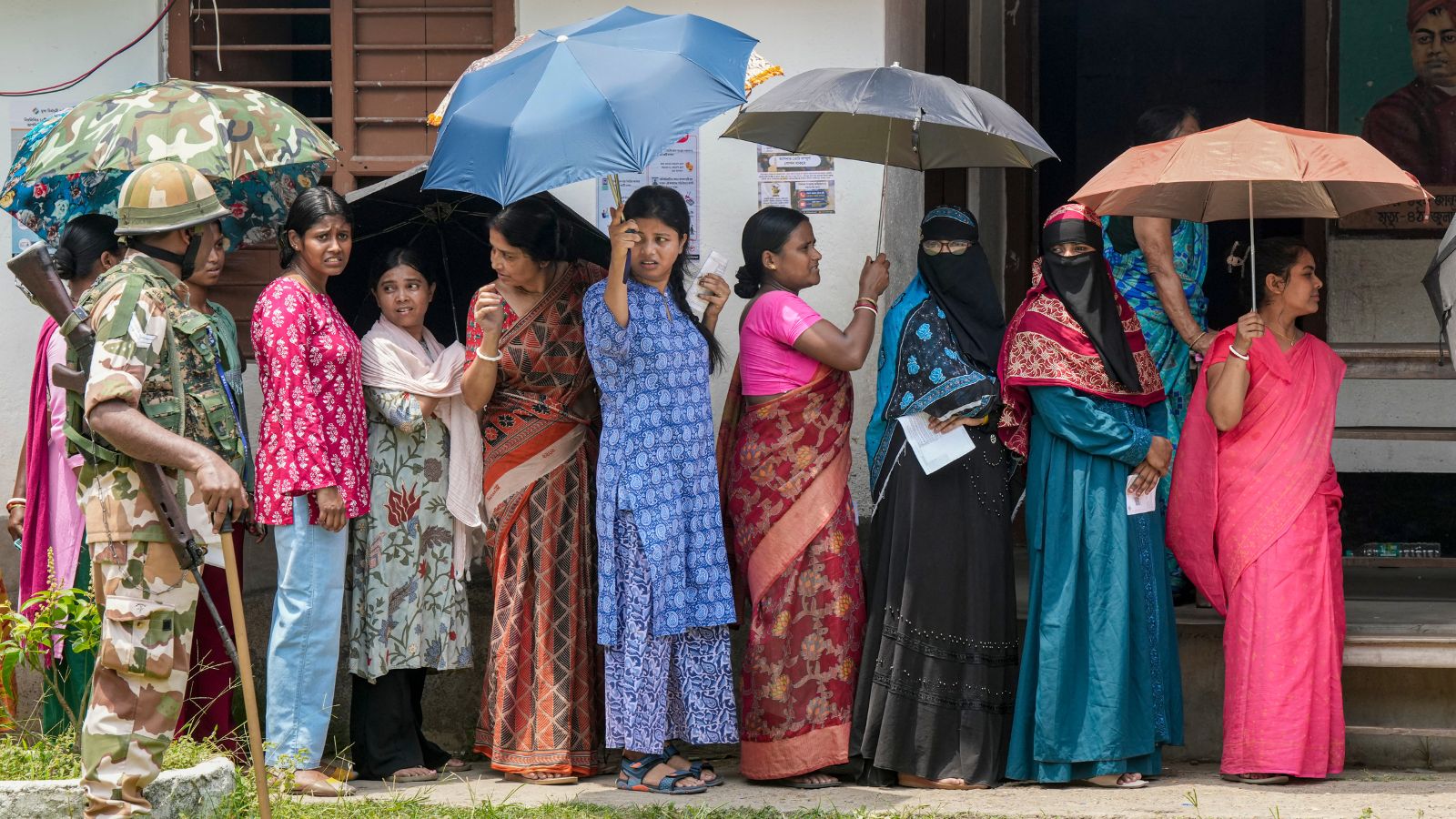
Incidents were reported from multiple districts during the 2024 general elections, highlighting persistent vulnerabilities in the state’s electoral environment. Even recent administrative lapses—such as protocol breaches and logistical issues during the President of India’s visit to the state in March 2026 — have raised questions about governance capacity. That the first phase of polling on April 23 saw a remarkable turnout and relatively few incidents of election violence is a testament to the EC’s efforts.
The EC will need to continue to take proactive steps to ensure a credible and neutral security environment.
The judiciary can also strengthen deterrence by ensuring swift legal accountability. Fast-track courts for cases related to electoral violence and malpractice during the election period could significantly reinforce the rule of law.
The media, too, has an important role. It must resist normalising the language of “cadre power” and continue to highlight electoral malpractice beyond polling day. Sustained scrutiny is essential for democratic accountability.
The true strength of democracy is not in how fiercely parties compete, but in how peacefully they accept competition.
The writer is general secretary, BJP Mahila Morcha