

Tavleen Singh writes: Political governors are dangerous
It was mistakes Congress made while walking on that road which created the biggest political problems that we still face. If the BJP carries on making the same mistakes, they will end up causing even more damage because with the whole world in flux, we cannot afford any mistakes.
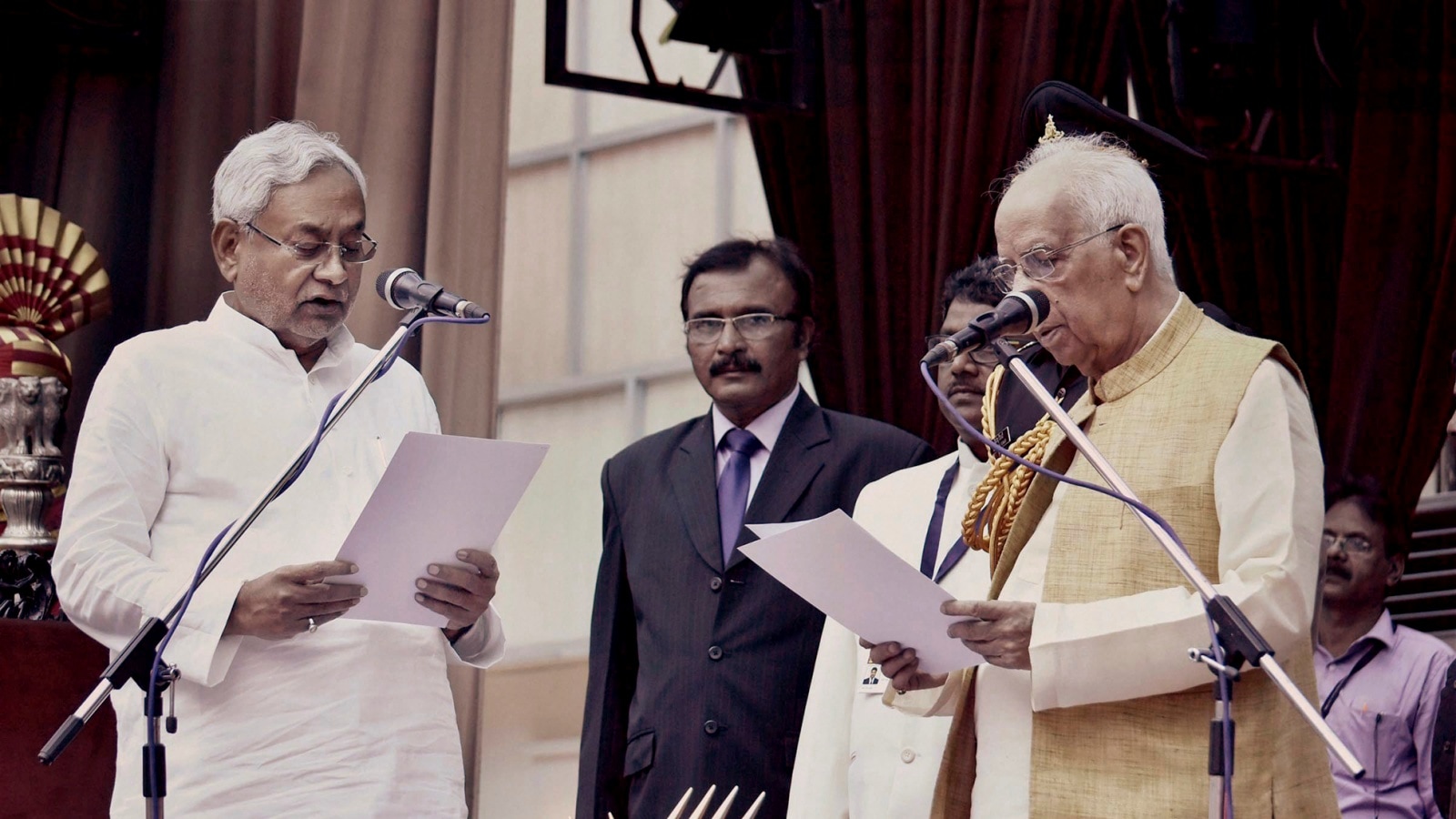
At the outset let me make clear that I have long believed that the post of Governor should be abolished. It is a colonial leftover from that time when our British rulers felt handing full democracy to us natives was dangerous and unwise. And so was created a spying post to serve the interests of the Raj. It is hard to understand why Narendra Modi has not noticed that the ugliest legacy of colonial times is colonial governance. There is no point in tearing down British monuments and replacing them with Indian ones if inside these edifices people continue to rule like our colonial masters. Why has Modi whose stated mission is to remove ‘all signs of India’s servitude’ not made governance less colonial? Has he succumbed to the urge in all political leaders to control everything, everywhere all the time?
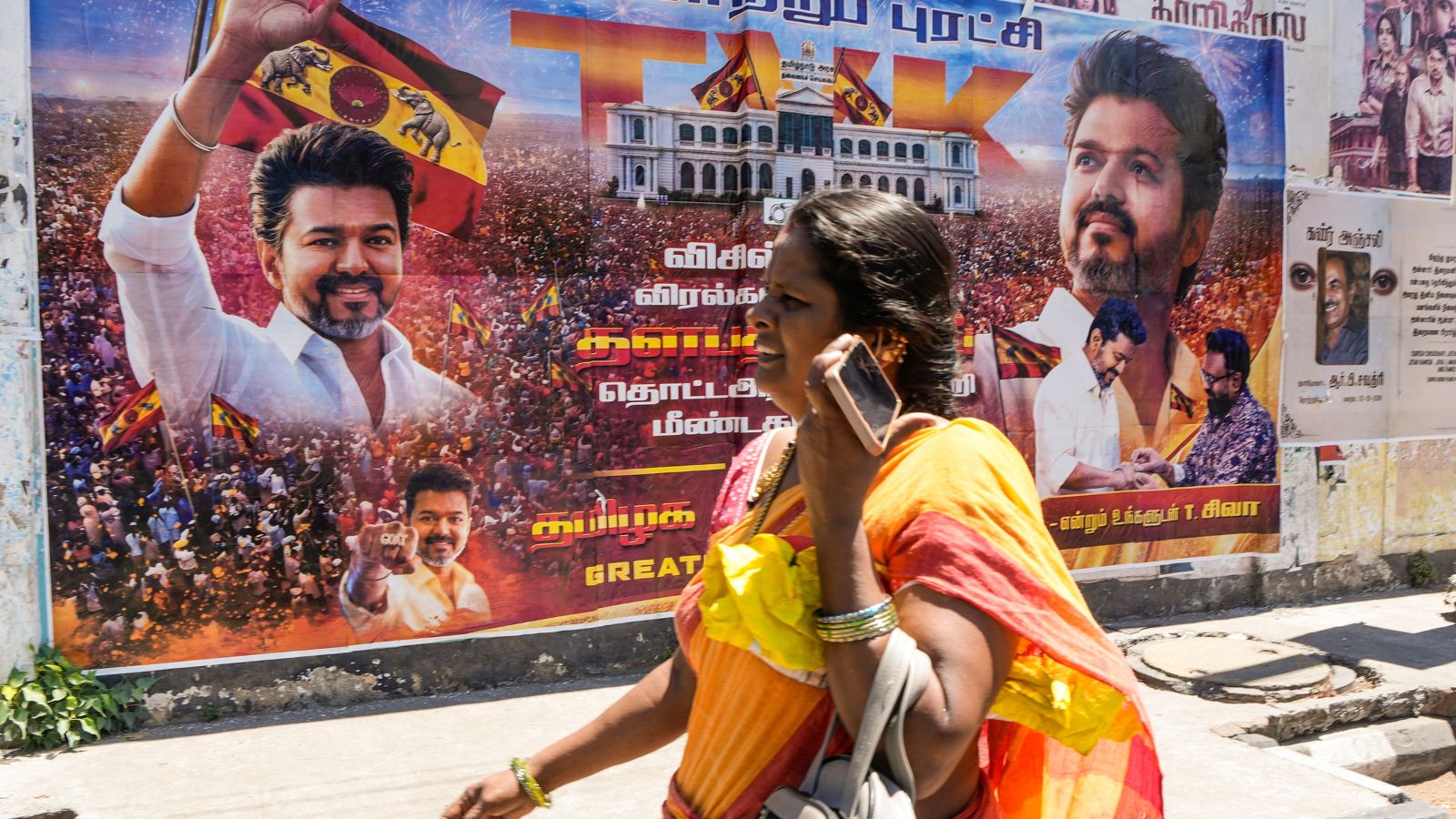
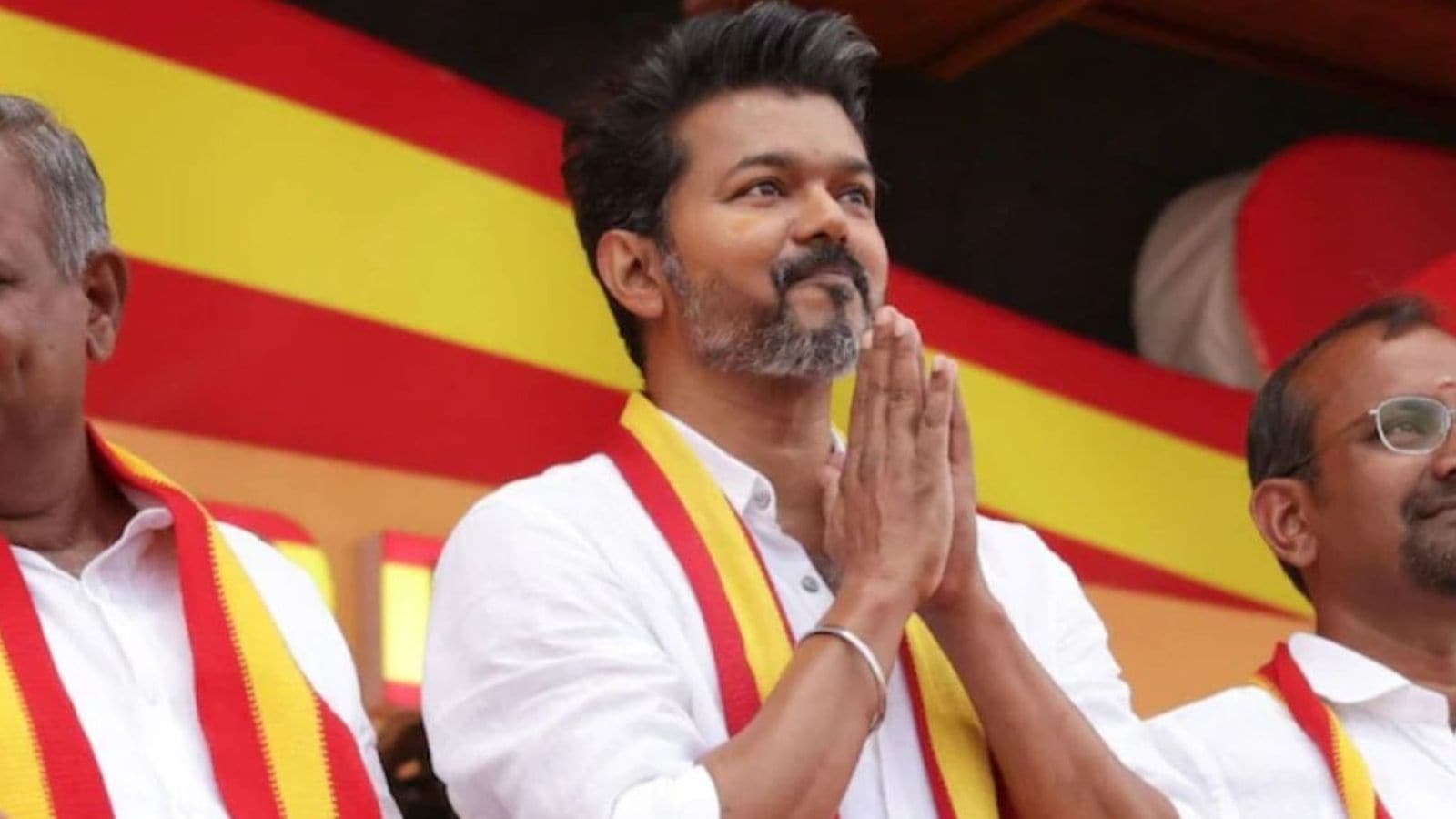
Judging by the drama playing out in Tamil Nadu, it seems that way. The mandate in that vital southern state was so emphatically against the two Dravidian parties that for them to even consider coming together to stitch up an unwanted government is disgraceful. It should have been the Governor’s duty to give Vijay the chance he deserved to form a government and then allow him to prove his majority in the legislative assembly. Why did he take so much time that political uncertainty spread? The joy of seeing a political novice defeat two of the most entrenched and entitled political parties in India was allowed to fade before a decision was finally made. Why?
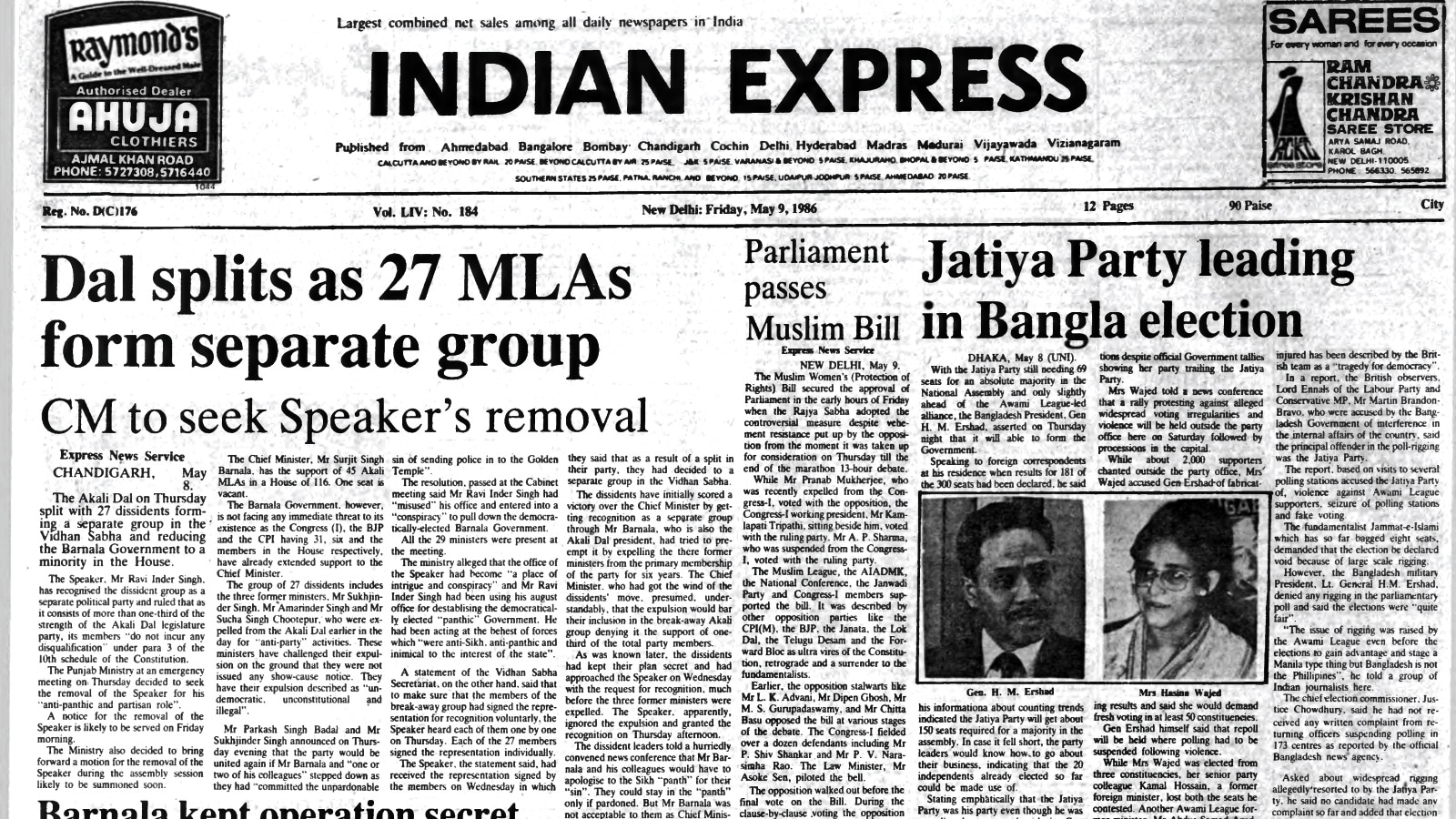
Now I shall explain why I have an aversion to governors. I see them as ugly symbols of colonial rule and object to us taxpayers paying for them to live like grandees. But my real aversion began from first-hand experience. I happened to cover Indira Gandhi’s toppling of Farooq Abdullah’s government in the summer of 1984. It was a bad decision because in my view our current Kashmir problem began with this dismissal of a legitimate government by an ill-advised and despotic prime minister. Farooq won that election fair and square as it was the first election in the former state of Jammu & Kashmir after Sheikh Abdullah’s death. I spent three weeks in the Valley covering the election and saw no sign of cheating. But a powerful lobby of Kashmiri Pandits told Mrs. Gandhi that there had been cheating and she believed them.
So, she decided in less than a year of Farooq Abdullah becoming chief minister that she had to get rid of him. For this she needed the complicity of an obedient governor. But the man in residence in Srinagar’s spectacularly situated Raj Bhavan was her uncle B K Nehru who warned her that destabilizing Kashmir was dangerous and reckless. He refused completely to cooperate and so this gracious and wise man was replaced by a factotum of Sanjay Gandhi called Jagmohan. He was sent to Srinagar with the specific purpose of removing Farooq and he did this by organising a split in the National Conference and installing as chief minister Ghulam Mohammad (Gul) Shah, husband of Farooq’s sister.
Shah’s credibility among ordinary Kashmiris was so low that he ruled by imposing curfew every time there was a disturbance. The Kashmir Valley spent so many days under curfew in the twenty months that Gul Shah ruled that he came to be mocked as Gul-e-curfew. The curfew flower. It was in those twenty months of turbulence and anger that in my view our current Kashmir problem was born. It has almost nothing to do with our historical Kashmir problem. That old problem in my view died after the creation of Bangladesh and the execution of Zulfiqar Ali Bhutto. In the three weeks that I spent travelling around the Kashmir Valley in 1983, every Kashmiri I spoke to said that they were participating in the election as Indians.
All this changed because of the dirty political game that a Governor played at the behest of New Delhi. The sledgehammer strategy that the Modi government has employed to solve the Kashmir problem has brought a measure of peace and prosperity but, as we saw, it took just one act of terrorism in Pahalgam for happy days to end.
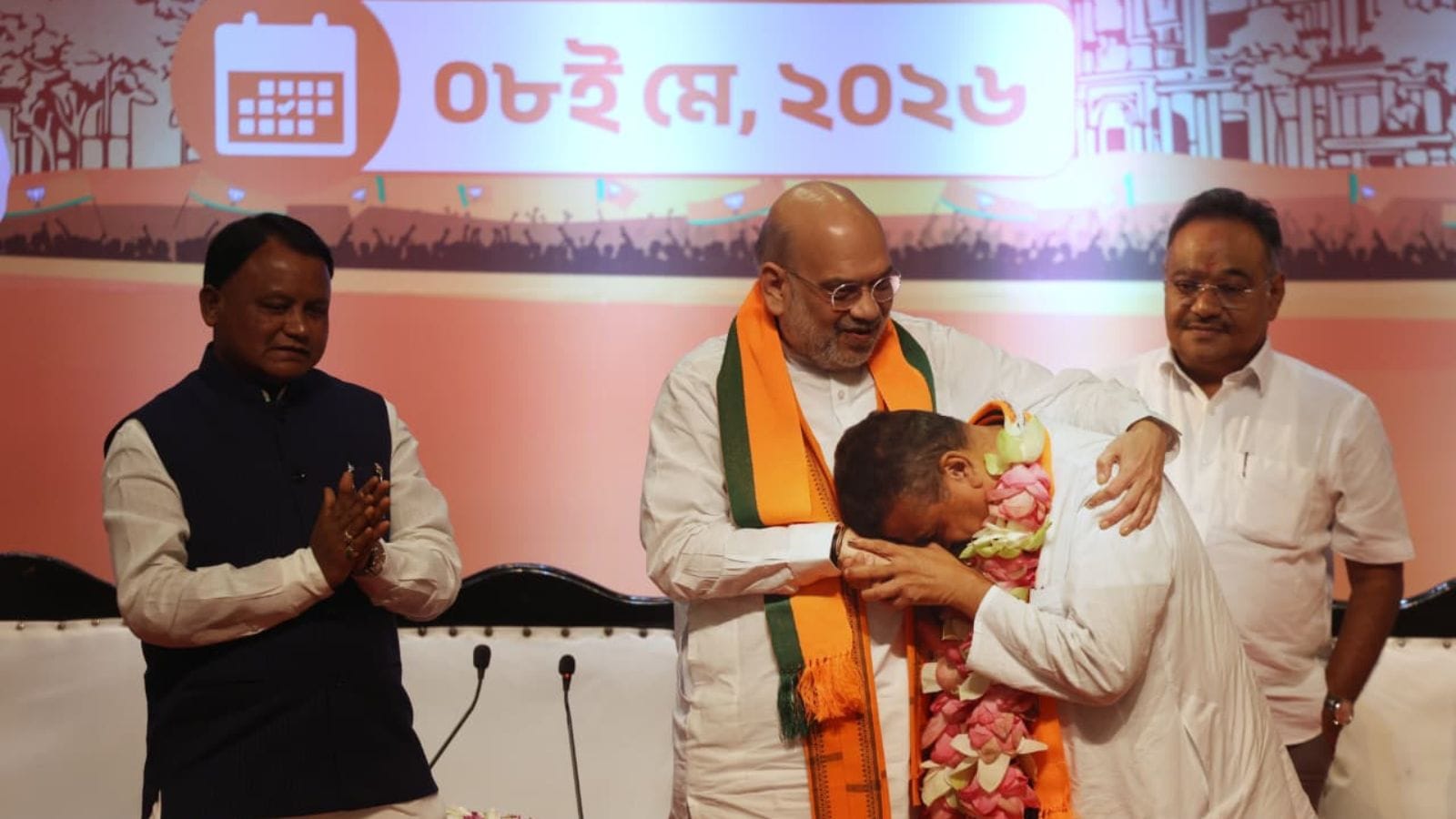
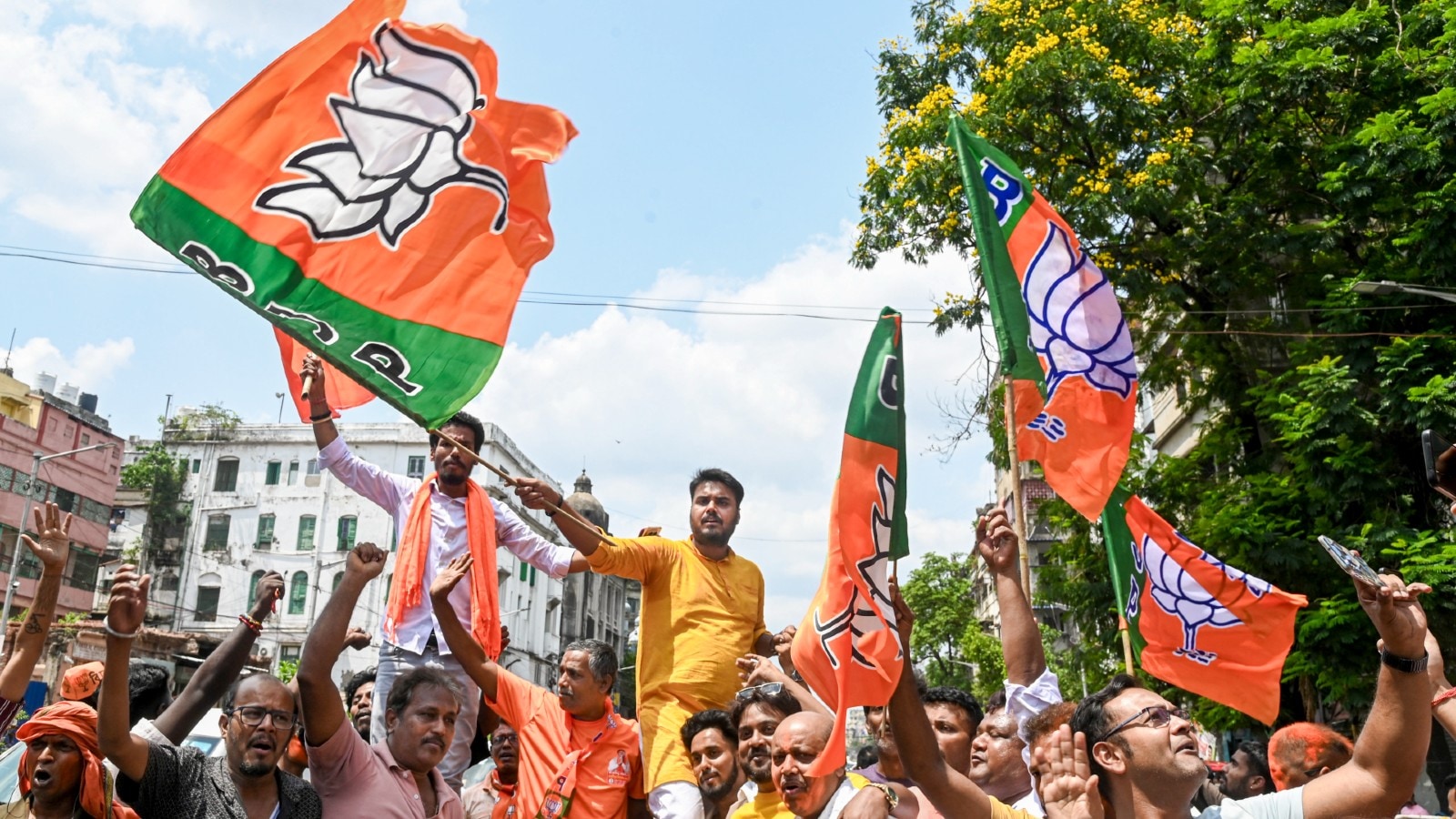
In Tamil Nadu, it should have been the primary duty of the Governor to give the man with the largest number of seats in the assembly the first shot at forming a government. Instead, he chose, perhaps on the orders of Delhi, to play his own game of dice. It is hard to say where it will all end but the damage already done is considerable. As for me personally, a question I find myself asking more and more often is why the BJP, our proudly nationalist party whose leaders never stop reminding us about their great love for ‘Ma Bharati’, now walks slowly but firmly down the same road that the Congress Party trod for decades.
It was mistakes Congress made while walking on that road which created the biggest political problems that we still face. If the BJP carries on making the same mistakes, they will end up causing even more damage because with the whole world in flux, we cannot afford any mistakes. Those who play political games in these times will find it hard at some point down the road to be seen as patriots and nationalists. They could even be called anti-India.