

In CJP protest, a reckoning with politics for the apolitical Indian
Whether this movement becomes something durable or dissolves into another news cycle is not the measure of whether it was worth joining. The meaning is in the act itself, of choosing solidarity over the old, comfortable silence
Written by Siya Dulari Choudhary
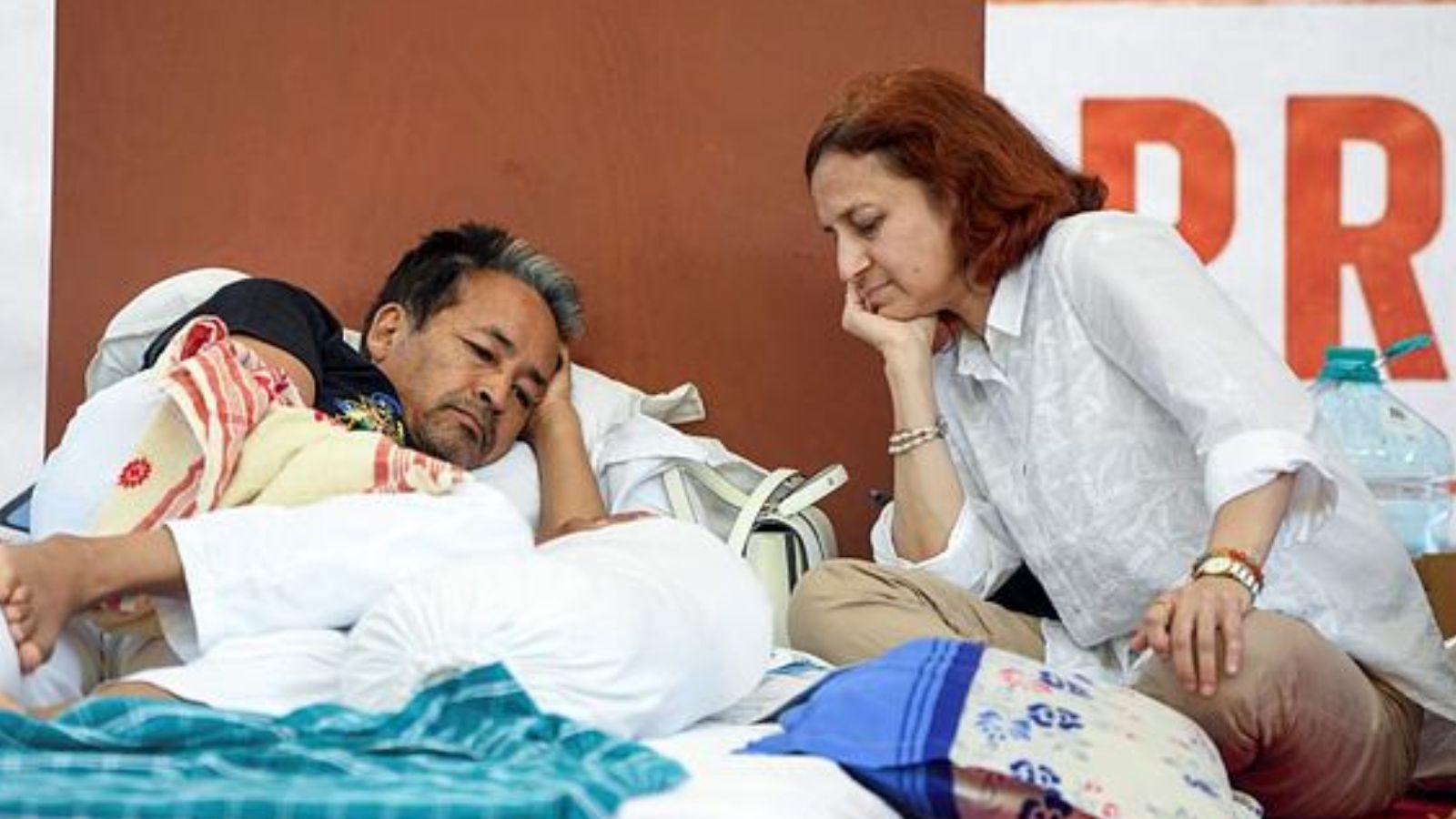
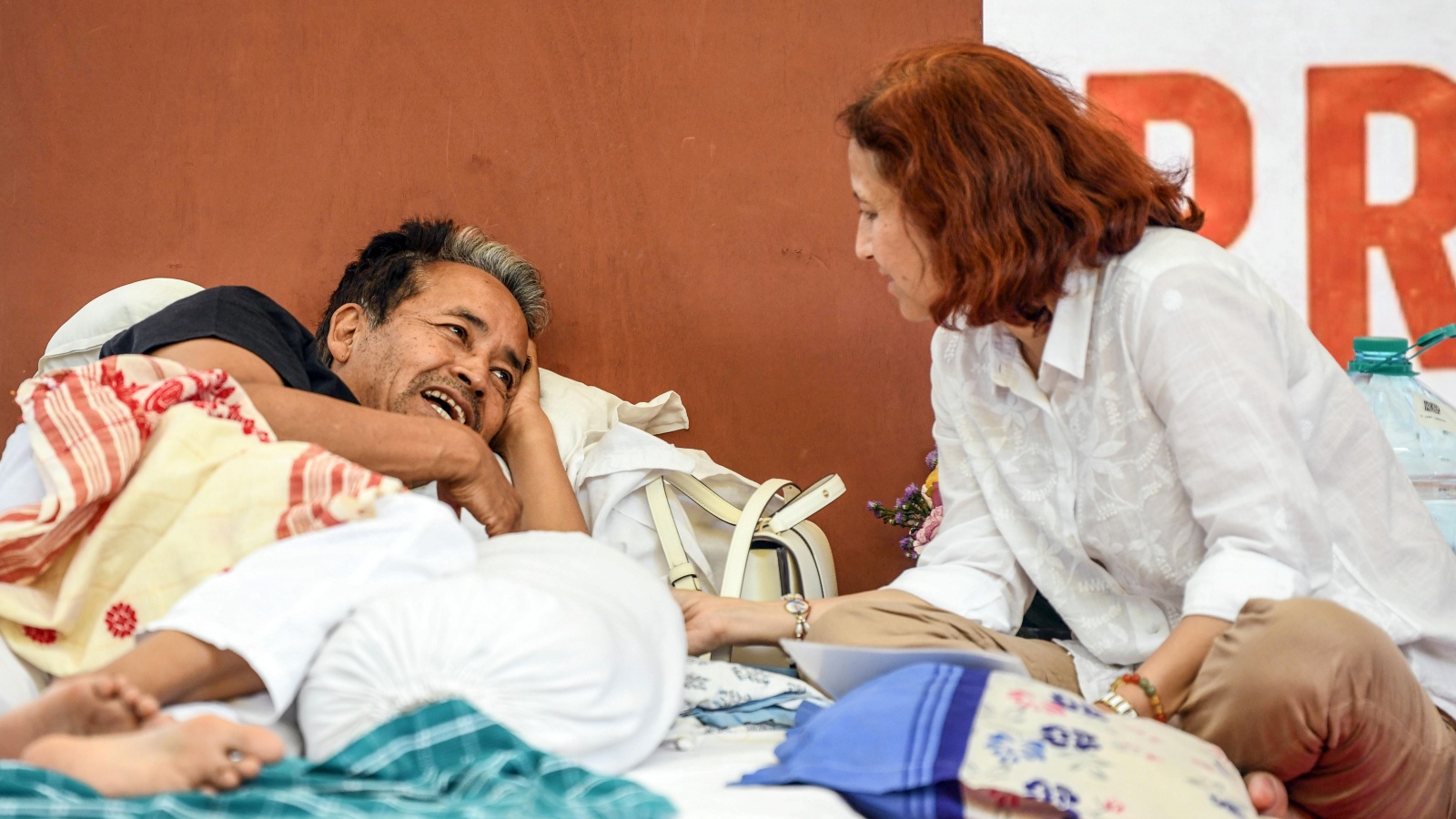
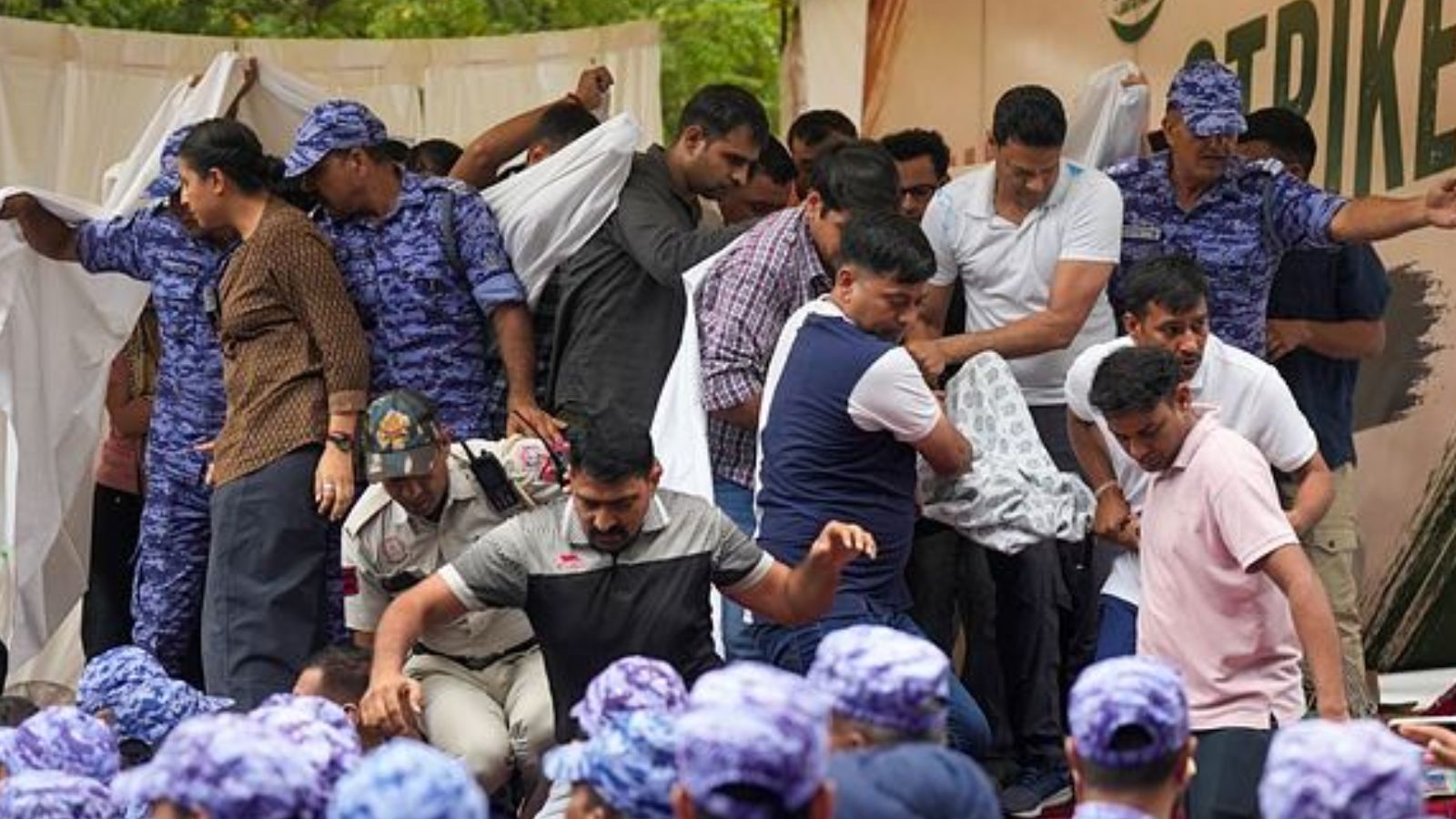
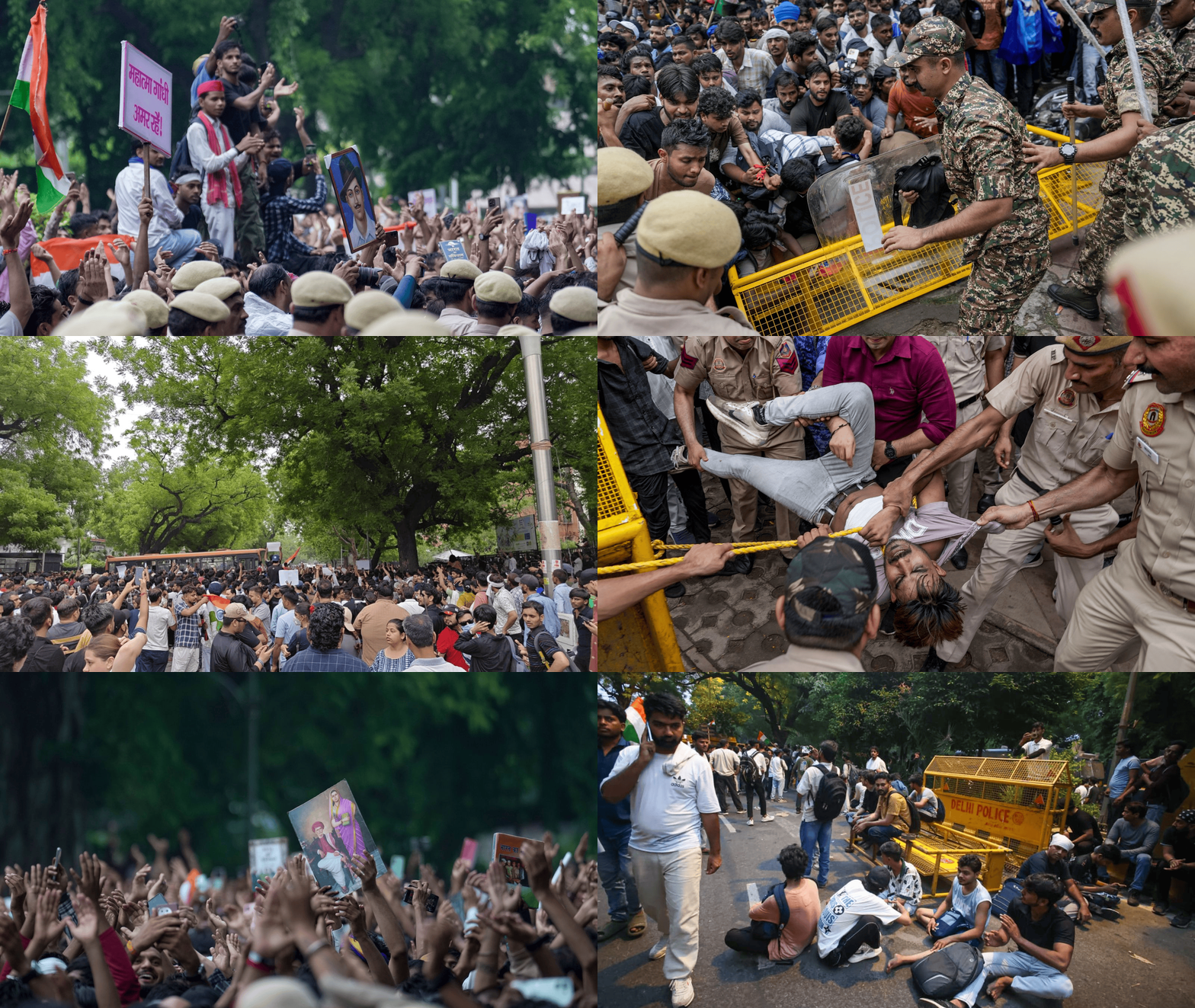
It would be easy to read Sonam Wangchuk’s forcible removal from Delhi’s Jantar Mantar by the Delhi Police on Saturday morning and the lathi charge against protestors marching to Parliament today as yet more developments in the news cycle in the long, forgettable ledger of Indian protest. But it is worth pausing on who has been gathering at Jantar Mantar these past weeks, because the crowd looks a lot like the country’s habitual bystanders.
Gramsci made this case nearly a century ago, writing that all people are political beings and that every living person contributes to modifying the social environment around them through the norms they actively preserve or fail to challenge. Against this backdrop, the claim of neutrality is, in itself, a very specific political choice that simply says that the existing arrangements of power should continue undisturbed. Carol Hanisch makes much the same argument through her famous formulation, “the personal is political”, insisting that what looks like a private problem, or a woman’s individual dissatisfaction, is in fact shaped by broader structures of power and that refusing to name it as political is itself a political act of concealment.
Apoliticism in India has always been something of a postcode, and it’s worth paying attention to how thin the distance has become. Martin Niemöller’s ‘First They Came for the Communists’ has always read as a warning against complicity. In our context, we can read it as a study of proximity, because a state left unaccountable does not confine its targets to its first visible marginalities, and it is this widening of scope that is forcing India’s apolitical class to notice, however reluctantly, that they too live inside the country whose politics they claimed not to have opinions about.
Consider the almost comic case of a Mercedes owner’s fuel economy. When Sourav Joshi, India’s most-followed daily vlogger, posted a video lamenting that his GLC’s fuel efficiency had collapsed because of ethanol-blended petrol, Mercedes-Benz itself issued a rebuttal insisting its vehicles were fully compatible with the fuel. Whether Joshi was technically right is almost beside the point. The shape of the complaint matters: A man with forty-one million subscribers, whose entire brand has been built on staying pleasantly removed from anything resembling controversy, found himself publicly and involuntarily annoyed by a policy decision of the state. It is a small, almost absurd data point, but it is data all the same.
The same widening shows up less trivially in the paper leaks that have plagued national examinations, in the NEET and CBSE examination scandals that reach into upper-middle-class households that had assumed meritocracy was something that simply worked. It can also be seen in the unresolved anger over street dogs that had mobilised residents’ associations that would never have described themselves as political actors.
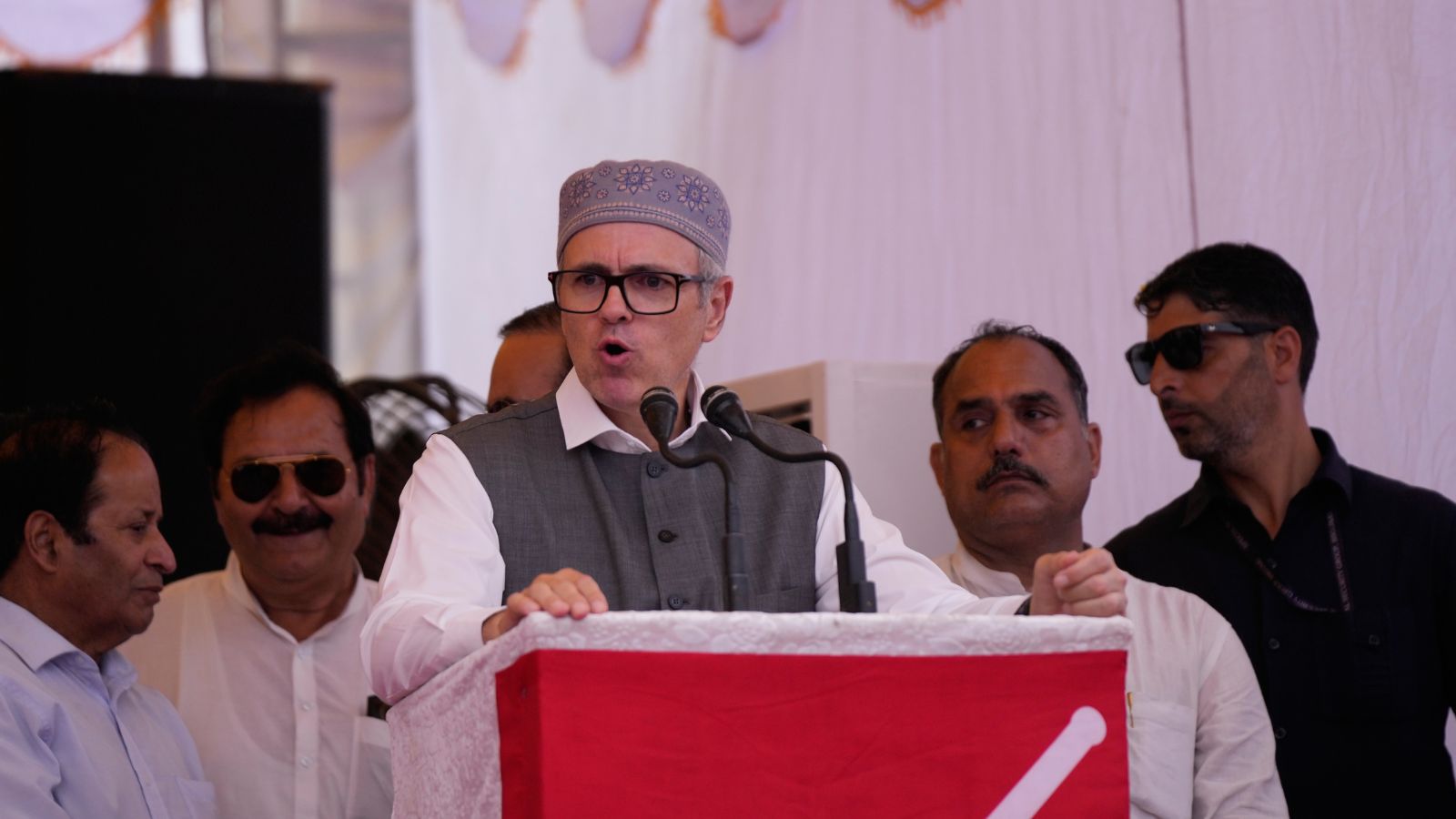
The clearest register of this so far has been the Cockroach Janta Party, which began as a satirical Instagram account and, almost by accident, became a genuine street movement. What struck me most was how self-consciously it was staged, with the optics of the flowers and the insistence on peacefulness, with the organisers thanking the Delhi Police, and the repeated assurances that these were “just innocent students”.
This is a clear indication of how a class that is so unused to the discomfort of being seen as disorderly will always reach instinctively for the aesthetics of respectability even while breaking with its own decades-long posture of disengagement. It is a movement still learning what it is, and its own spokespeople have said as much, holding consistent press conferences, answering every question put to them rather than retreating into vagueness, which is itself a kind of honesty this class has rarely practised in public before.
But it is worth being honest about what this political awakening is not. It is not radicalism, and it is certainly not evidence that the newly agitated middle class has developed any deeper feeling for the people below it on the ladder. Sanitation workers, overwhelmingly Dalit, continue to die inside sewers and septic tanks. Independent monitors recorded 55 such deaths between February and June of 2026 alone, on top of the hundreds documented in the years before, and organisers like Bezwada Wilson have spent years accusing the government of quietly deflating the numbers it reports to Parliament. These are structural, caste-coded, and entirely preventable cases, and the workers’ own protests at Jantar Mantar — the very ground CJP would occupy months later — have gathered nothing like the crowds or the coverage.
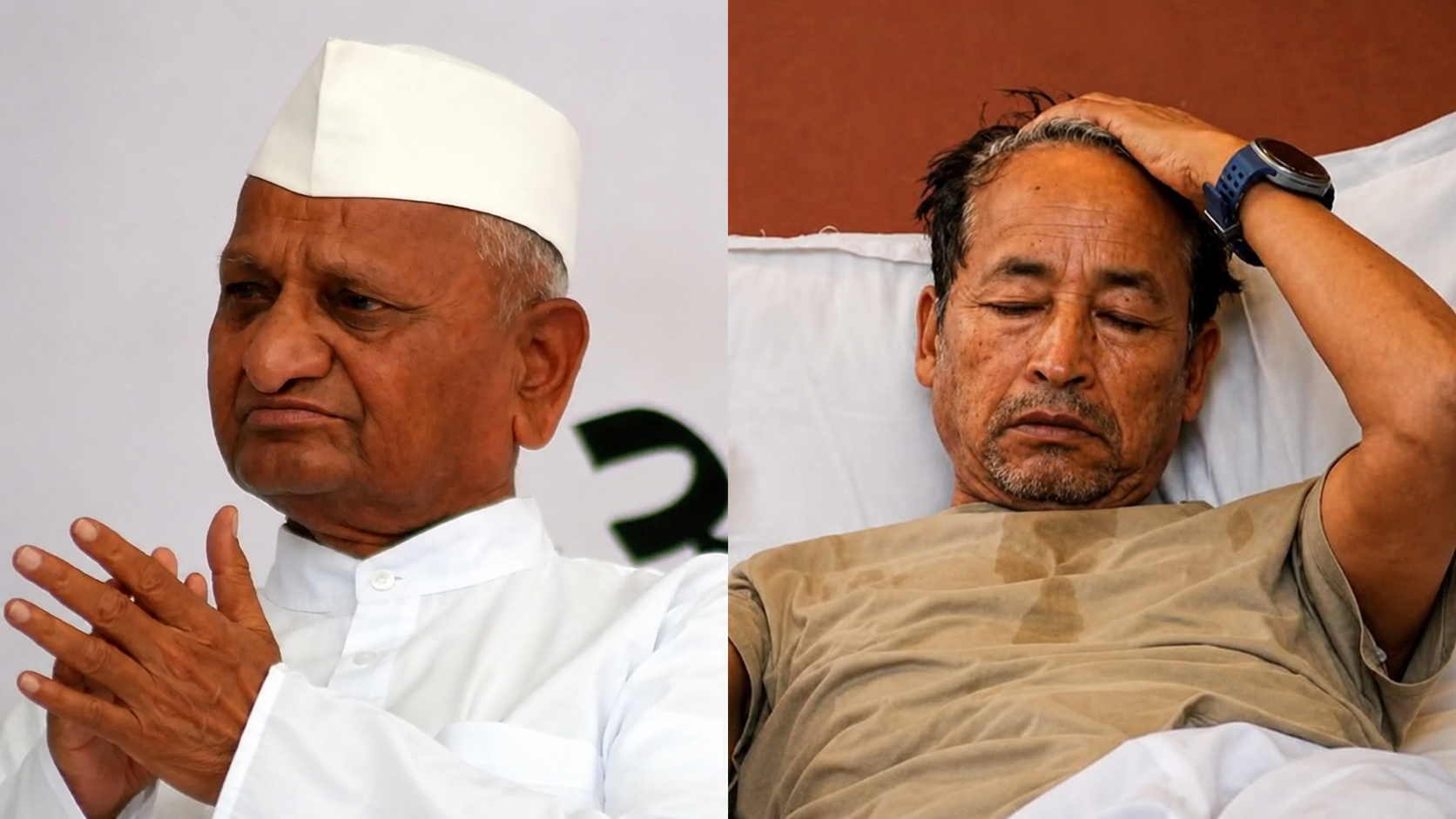
So, essentially, none of this guarantees anything, and it would be naive to think a government corrects its course simply because a previously silent class has grown irritated. Rajnath Singh’s old line still holds that this is not the kind of government that resigns, and there is no reason to believe a nascent, memeified movement changes that calculus on its own. But the case for dismissing it, or worse, refusing to be any part of it, while Sonam Wangchuk and AISA students risk it all, seems to me weaker than the case for showing up. What else, actually, is there to do? A movement in its infancy is not disqualified by its infancy. It is only asking to be met at the stage it is at.
Underneath the politics, it’s a question about empathy and whether this discomfort can be widened into something less self-interested than our most immediate needs. The working class has lived with precarity as an ambient condition for as long as anyone can remember, and it should not have taken a Mercedes to make the rest of the country notice that the state’s failures are not abstractions. But if it takes that, then let it take that, so long as what follows is an actual reckoning with how long the rest of the country waited alone.
Whether this movement becomes something durable or dissolves into another news cycle is not the measure of whether it was worth joining. The meaning is in the act itself, of choosing solidarity over the old, comfortable silence, and in refusing to let apoliticism keep passing as neutrality.
The writer is with The Indian Express Hindi