

By unfairly prosecuting adolescent love, what are we doing to our children?
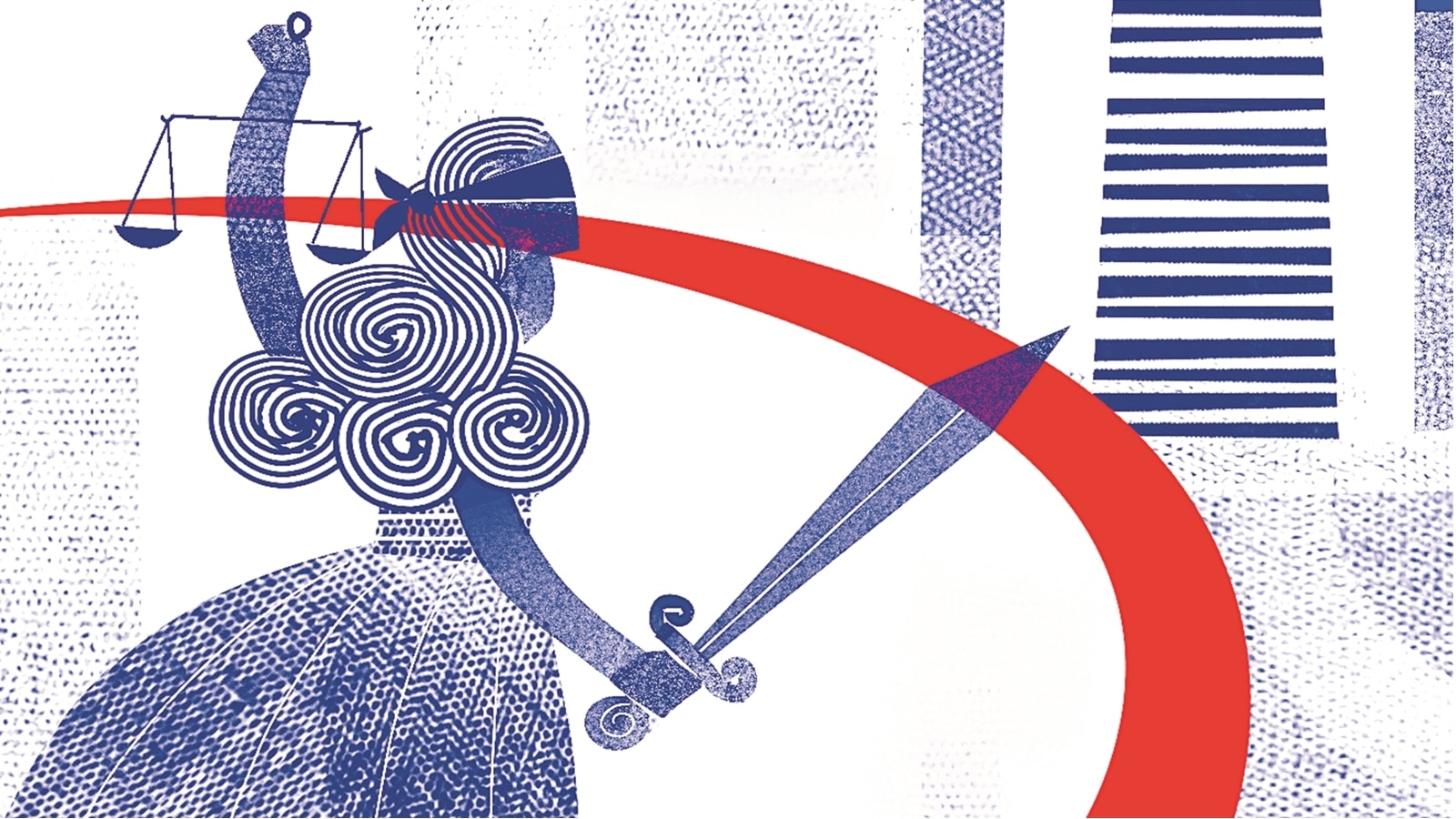
A gender-neutral law, designed to protect, is in many cases being used in a manner that disproportionately punishes the male child, simply because the law did not anticipate consensual relationships between adolescents
By Shruti Jain
It is almost settled in our collective consciousness that the Protection of Children from Sexual Offences (POCSO) Act is unjust to adolescent lovers. But have we ever paused to ask how, exactly?
The law, as it stands, uses the phrase “whoever commits”, leaving no room for the mental element. It does not specify who, among two adolescents in a relationship, is the victim and who is the offender. And yet, in practice, the roles are pre-assigned: The girl is the victim, the boy the offender.
No one seems to know. No one seems to ask. Except, perhaps, the boys themselves — those lodged in observation homes, institutions meant for “care and protection” of children in conflict with law under the Juvenile Justice (Care and Protection) Act.
The majority of juveniles in observation homes, places of safety, and special homes are booked under POCSO. Most of them come from socially and economically weaker backgrounds. Many were in consensual romantic relationships. Some were caught on a date. Others eloped, hoping to marry. A few, their families claim, were falsely implicated due to personal enmities.
The journey that was meant to culminate in companionship often ends, instead, at the gates of a juvenile home. They are taken to the Juvenile Justice Board and, more often than not, sent to observation homes — where they find themselves sharing space with children accused of theft, robbery, even murder. They do not see themselves as criminals. Yet, they are treated as such, leading to devastating transformation.
The law is clear: Bail should be granted unless there is a risk to the child’s safety. But in practice, bail is routinely denied in POCSO cases — especially where medical reports indicate sexual activity, and sometimes even when they do not. The easier administrative route often prevails over the just one.
As a result, Juvenile Justice Boards today are crowded with anxious families and advocates. For many parents, securing bail becomes a long and expensive legal battle, draining savings and spirit alike. A system designed for care begins to mirror the punitive machinery of adult criminal law.
Many of these boys hold what they believe is proof of consensual relationships — Instagram activities, messages, even videos where the girl allegedly admits that her statement was made under parental pressure. Yet, such electronic evidence rarely helps. Procedural barriers — like the requirement of a certificate of authenticity, often from the girl herself — render this evidence practically unusable. Ironically, in an age defined by digital footprints, the truth struggles to be legally visible.
Inside the observation homes, reality is even more unsettling. These are closed, guarded spaces with little freedom of movement. The attitude of many caretaking authorities and staff is often far removed from the spirit of reformation; many appear to believe that these juveniles are dangerous, beyond reform, and an unnecessary burden on state resources. Vocational training exists largely on paper or is poorly conducted, for instance, conducting computer classes without computers. Authorities, wary of escape, are reluctant to allow juveniles to step outside even for educational or rehabilitative activities.
With little to occupy them, juveniles talk about their cases, their sense of betrayal. And there is anger. Not just at the system, but often at the girl, her family, and sometimes, disturbingly, at girls in general. Some even confess to thoughts of revenge — of “teaching a lesson”, even at the cost of harsher punishment. What begins as a story of young love risks mutating into one of deep resentment.
What are we doing to our children? A gender-neutral law, designed to protect, is in many cases being used in a manner that disproportionately punishes the male child, simply because the law did not anticipate consensual relationships between adolescents. The strict burden of proof under POCSO becomes even more problematic when the accused himself is a child. And yet, despite growing awareness, we remain in a prolonged “thinking stage” about reforms like a Romeo and Juliet clause.
I met around 100 juveniles across observation homes in three districts of Rajasthan, with due permission from the Rajasthan High Court and the State Department of Child Rights. What stays with me is not just their stories but their faces, their smiles.
They would gather around as I interviewed others, curiously watching me take notes. Some would later whisper corrections — telling me who had lied, who had not. One boy even offered advice: “Next time, tell them if they lie, there will be proceedings against them.” I remember smiling at that. Because in that moment, I saw a child — still honest, still hopeful, still capable of believing in fairness. Despite everything, their innocence had not yet been extinguished.
The writer is with National Law University, Delhi