

P Chidambaram writes: Poisoned arrows shot down
The Lok Sabha elections of 2024 had been fought on the plank of ‘Danger to the Constitution’. The Constitution (131st) Amendment Bill revived the fears. The Bill was thankfully defeated
The government and the BJP tried to weave a narrative around the Constitution (131st) Amendment Bill, 2026. The narrative was deeply flawed: it was based on distorted facts and dubious interpretation of the law.
The law on April 16, 2026 was clear as crystal. The Constitution (106th) Amendment had been passed in September 2023 and was part of the Constitution of India. It inserted Article 334A in the Constitution but, for reasons known only to the government, the amendment was not notified. (It was notified on the night of April 16). The Amendment provided for reservation for women in the present strength of the Lok Sabha (543 members). Reservation for women was a settled fact. There was no occasion to re-visit Article 334A. The contrary narrative was a lie.
However, the government hit upon a mischievous idea that the rulers thought served multiple purposes: disrupt the election campaign in Tamil Nadu and West Bengal; create an illusion of fair delimitation; sneak in a delimitation process that would be grossly unfair and unjust to the Southern states; and float a false narrative that ‘reservation’ was linked to ‘delimitation’. When each one of the purposes was exposed, the narrative collapsed like a pack of cards.
That question was settled by the Constitution (106th) Amendment Act which inserted Article 334A in the Constitution. What was the fault in Article 334A? What obstacle did you find in the implementation of Article 334A? Why did you sow the seed of doubt — and confusion — in the minds of the people, and of women in particular, that there was an unfinished task in the process of reservation for women? Article 334A was whole and complete. There was nothing more to be done.
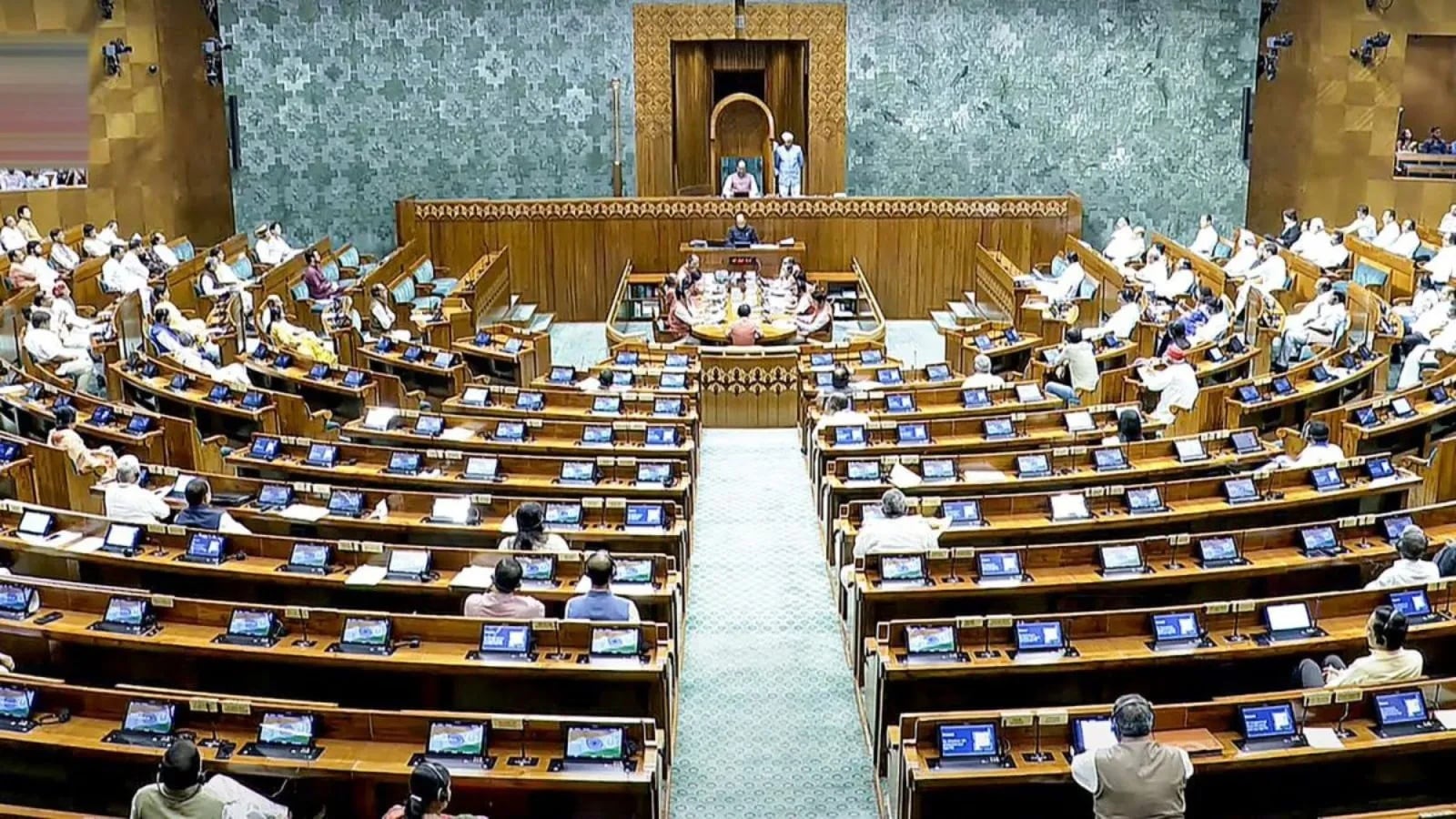
The polling date(s) in Tamil Nadu and West Bengal had been announced as April 23 (and 29 for West Bengal). The reservation for women would take effect only after delimitation. Delimitation, throughout the country, was a process that would consume several months, if not years. The first Lok Sabha election in which reservation for women could be implemented will be in 2029. Even if Article 334A had to be refined — which it was not — there was ample time to convene the two Houses of Parliament after April 29, 2026. There was no reason to call MPs on April 16, and rudely disrupt the election campaign in which 39 MPs of Tamil Nadu and 42 MPs of West Bengal were fully engaged. The urgency was manufactured, and it exposed the design of the government.
No person and no party had demanded that the strength of the Lok Sabha should be increased by 50 per cent. In fact, there was universal opposition to the idea. 815 members of the Lok Sabha would make the House unwieldy and would give fewer opportunities to the MPs to make meaningful contributions. The real purpose was to create an illusion that the strength of each State in the Lok Sabha would increase by 50 per cent and, consequently, the number of seats reserved for women would increase by 50 per cent from 181 to 272. While the absolute number of MPs of each State would increase, the relative strength of each State would remain the same. However, an illusion would be created that the representation of each State in the Lok Sabha was increased. It is a pity that the government (and the BJP) thought that the people were so ignorant and foolish to buy the illusion.
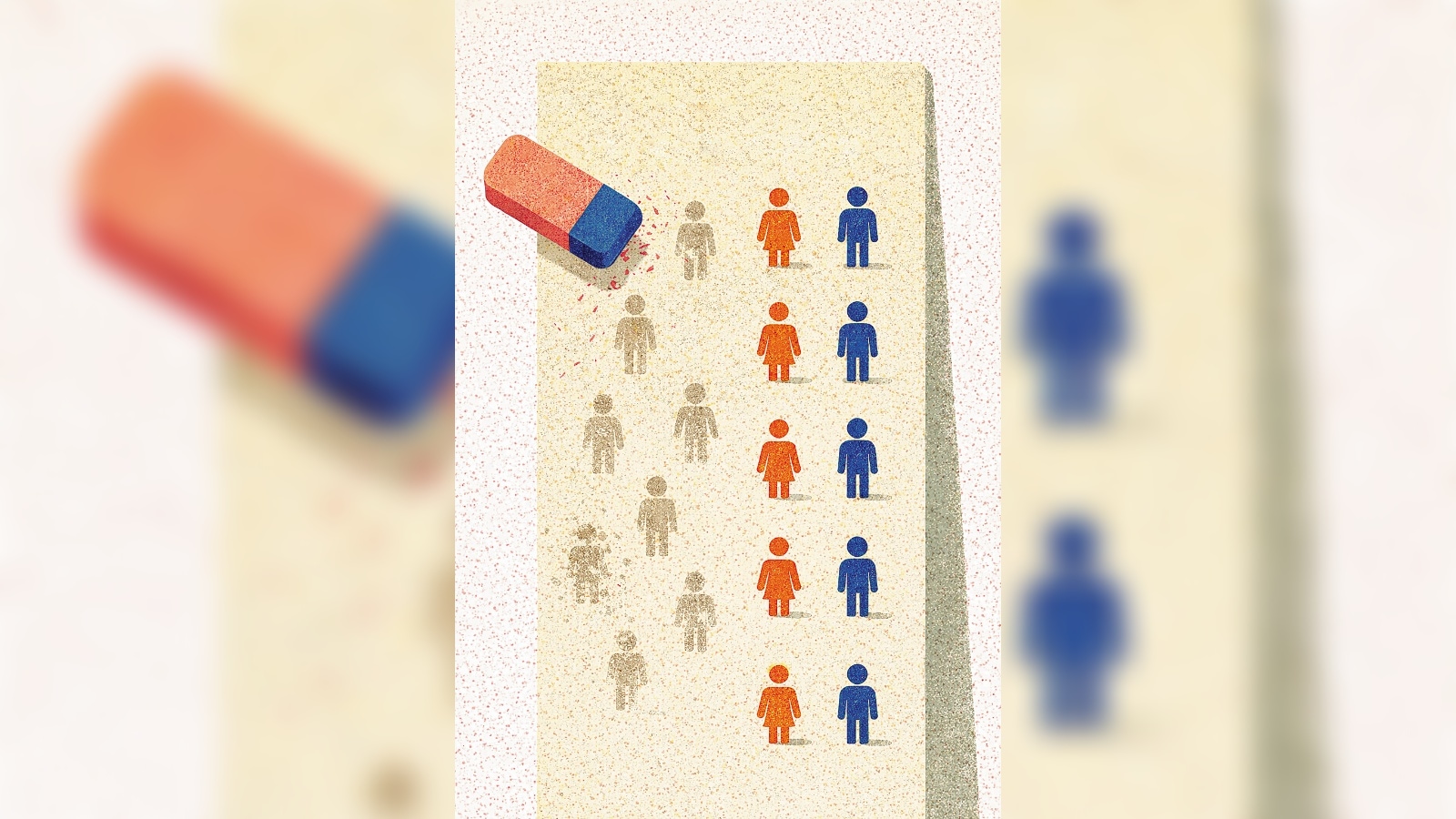
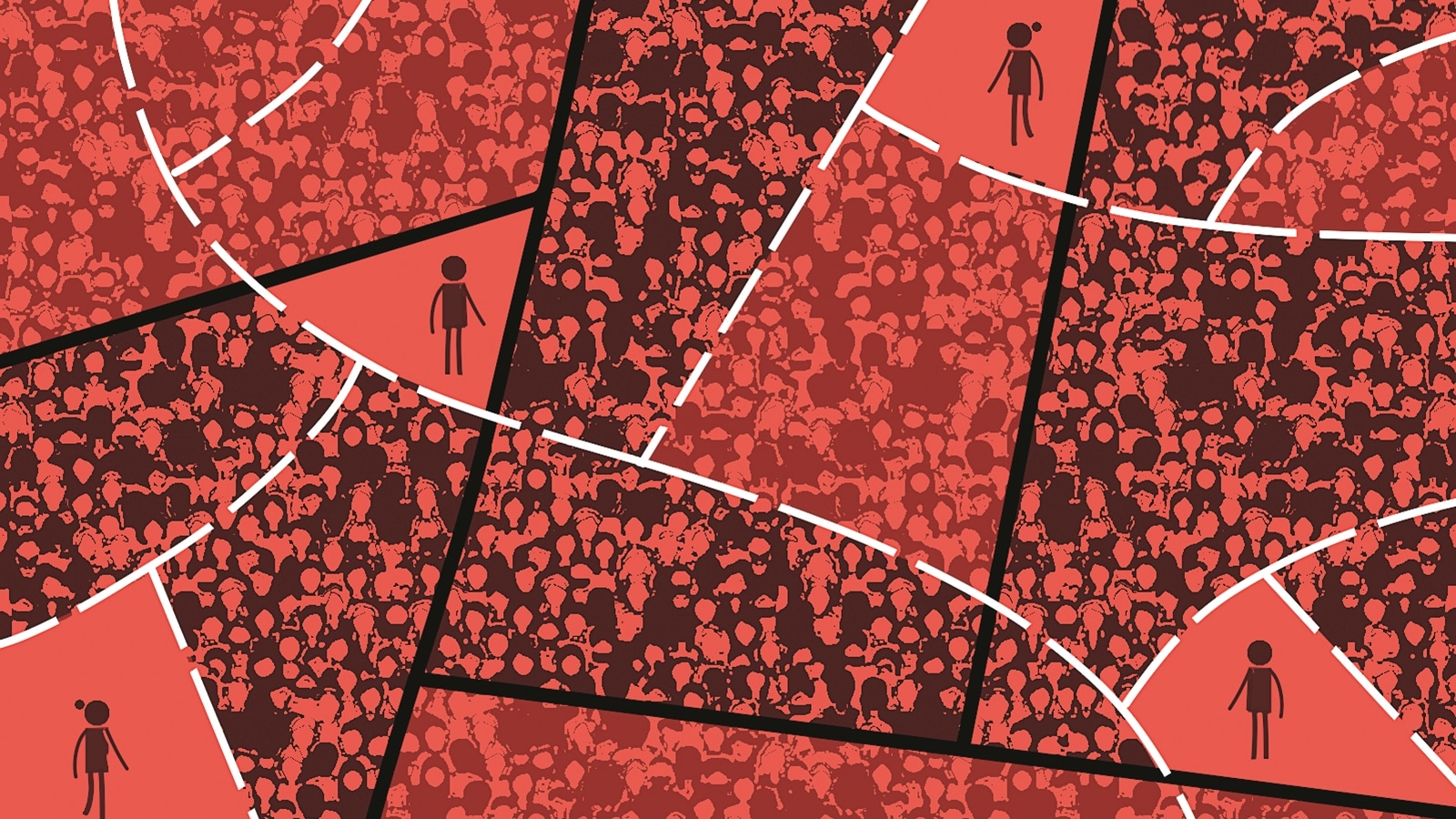
As long as Article 81(2)(a) stood unchanged, delimitation must be carried out according to the principle of ‘one person, one vote’. Each Lok Sabha constituency had to bear, so far as practicable, the same number of electors. This would, inevitably, result in reducing the number of seats in States that had stabilised their population and increasing the number of seats in States that had a Total Fertility Rate (TFR) higher than the national average. The losers will be the five Southern states whose representation in the Lok Sabha would fall from 24.3 per cent to 20.7 per cent. On the contrary, the share of states like Bihar, Madhya Pradesh, Rajasthan and Uttar Pradesh would rise by, together, nearly 5 per cent. This is the nub of the problem. It can be resolved only by devising a fair and just formula that is an alternative to Article 81(2)(a). No one in the government — or the BJP — is willing to address the issue.
Because it created a false narrative. Both issues must be delinked.
The Lok Sabha elections of 2024 had been fought on the plank of ‘Danger to the Constitution’. The Constitution (131st) Amendment Bill revived the fears. The Bill was thankfully defeated.