

P Chidambaram writes: Mitigating costs of start-stop war
The government claims that ‘all is normal’. The RBI seems more aware of the costs and consequences of the war
The US-Israel war against Iran is not a distant war. It is in West Asia neighbouring the Indian sub-continent. Millions of Indians live and work in the region. Millions of Indian Shia Muslims have a strong bond with the people of Iran. India has traditionally claimed a long and historical relationship with Iran. Over the years, India has also claimed closer trade and economic relations with Iran — an example is the development of Chabahar port. Those claims have frayed under the BJP government. One of the reasons is the close friendship between the prime minister of Israel, Mr Benjamin Netanyahu, and the prime minister of India, Mr Narendra Modi.
In the good old days, India would have been the most sought-after peacemaker in the case of a conflict. This time, however, since the war started on February 28, 2026, both the US and Israel have studiously avoided India. It is Iran that has maintained a semblance of ‘briefing’ India from time to time. India has been partial to Israel — the latest episode is the Indian veto of the BRICS countries’ draft resolution critical of Israel. Nevertheless, the US-Israel axis has kept India ‘out’ and, instead, courted Pakistan as the intermediary.
India can no longer pretend that the West Asian war has not affected the country. It has damaged the economies of most countries of the world, especially those countries that have vital stakes in global trade, global supply chains and maritime interests. Let us look at some Indian economic indicators since February 28, 2026 when the war started (see table).
The world is familiar with President Trump’s bluff and bluster. No one believed him when he boasted that Iran’s Air Force and Navy had been obliterated; or there are no more Iranian military assets; or the ‘regime’ in Iran had changed (once or twice?); or the American draft proposals had been accepted by Iran; or there was (at different times) a ceasefire. Mr Trump stops the war, then starts it again, and then announces a pause. Meanwhile, Israel continues to attack Iran and Lebanon, and Iran retaliates. The world knows the war that was started on February 28 did not ever stop.
The government claims that ‘all is normal’. The RBI seems more aware of the costs and consequences of the war. In its April Bulletin, the RBI flagged the ‘pressures on the global supply chains’, ‘CPI inflation driven by fuel and food’, ‘bond yields’, ‘slowdown in imports’ and ‘volatile FII flows’, and warned that “If the conflict persists and supply chains are not restored early, it may create challenges to the domestic economy…” Except for maintaining the prices of petrol and diesel (presumably because of elections), the government has done precious little. It seems to be a by-stander watching the events as they unfold with a silent prayer that they do not scald or scar the Indian economy.
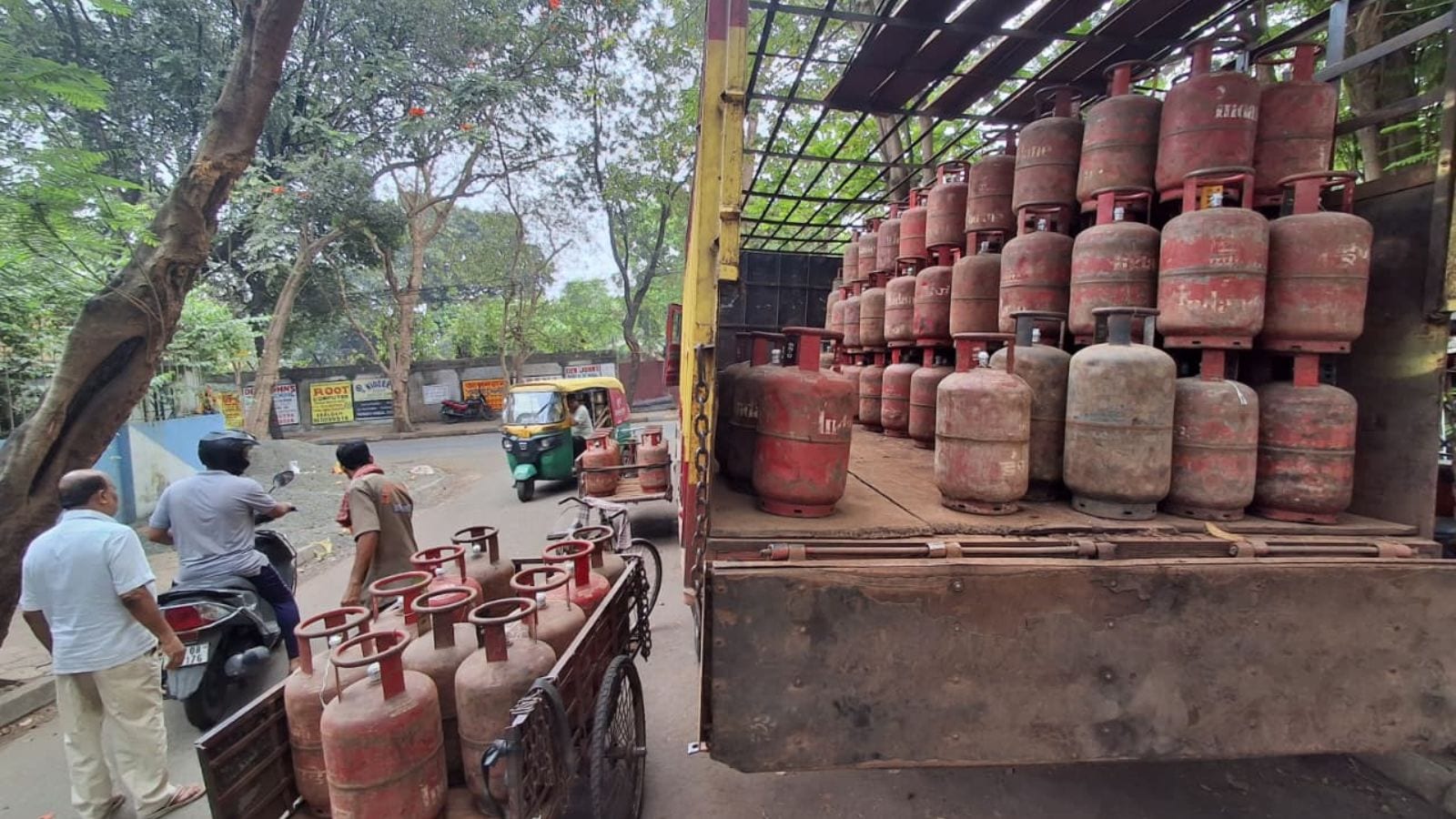
The people of India are resilient and stoical. They know they can expect little help from the government. They are anxious to protect the jobs and incomes they have. Faced with the higher LPG price and undependability of supply, homes and eateries have begun to use firewood. The average family has cut back on consumption and dipped into savings. On the surface, there is no disruption or despair but, traveling in the countryside, one can see the people are worried. The prime minister has been totally immersed in the four-state Assembly elections and the mischievous campaign to re-enact the Bill for women’s reservation that Parliament had passed in September 2023. He may return to governance after May 5.
The government can do more to ease the living of the people and boost incomes:
Expenditure on provision of ‘public goods’, creation of jobs, and boosting incomes of the people are effective countermeasures to the costs and consequences of the Trump-Netanyahu war — certainly better than stunned passivity.