

The Oscars were full of ‘safe’ moments. Yet, politics broke through — and was welcomed
The reaction to Bardem’s statements of no illegal wars and a free Palestine was notable. The applause marked a shift from the response to similar political remarks at award shows in recent years
Despite America’s ongoing war with Iran and the recent domestic tensions involving Immigration and Customs Enforcement (ICE), the 98th Academy Awards were a fairly “safe”, hassle-free affair.
The speeches were largely thoughtful rather than incendiary, and the evening moved forward with a sense of calm that felt almost intentional. But thoughtful and calm did not mean there weren’t occasional bursts of fervour.
Helping maintain that balance was host Conan O’Brien. Known for his quick wit and affable irreverence, O’Brien kept the ceremony breezy without leaning too heavily into the night’s more combustible topics.
In a quieter moment of the monologue, O’Brien looked out at the room full of nominees from around the world, and spoke sincerely about the unique ability of the arts to bring people from vastly different cultures together. It was a simple observation, but one that resonated on a night when the world outside seemed increasingly defined by borders and divisions.
That global tension was also reflected in some of the films nominated. Iranian director Jafar Panahi’s It Was Just an Accident, and the Palestinian-focused The Voice of Hind Rajab, were both contenders in the international film categories. Their presence hinted that the ceremony could become politically charged if either film was awarded the golden statuette. In the end, though, neither film won; the honour went to the Norwegian drama Sentimental Value: Another “safe” choice.
Still, politics was impossible to keep outside the theater completely. Motaz Malhees, one of the lead actors from The Voice of Hind Rajab, was unable to attend the ceremony due to the Donald Trump administration’s travel ban affecting Palestinians. His absence served as a quiet reminder that the stories being celebrated on screen often intersect with real-world barriers faced by the artists.
In a bit of an upset, Best Documentary Feature was awarded to Mr Nobody Against Putin. Accepting the award, the filmmakers used the moment to warn about the dangers of oligarchs dominating media landscapes and the normalisation of violence in public life. Pavel Talankin, the documentary’s central figure, concluded the speech with a simple but powerful plea: Wars must stop if they are being waged in the name of children.
That concern for the next generation surfaced again later in the evening when Paul Thomas Anderson finally won his first Oscar after 14 nominations. Anderson took home the award for directing One Battle After Another, and his speech carried a reflective tone. He explained that he had written the film for his children, apologising for what he called the “housekeeping message” his generation would be leaving behind in the world they inherit.
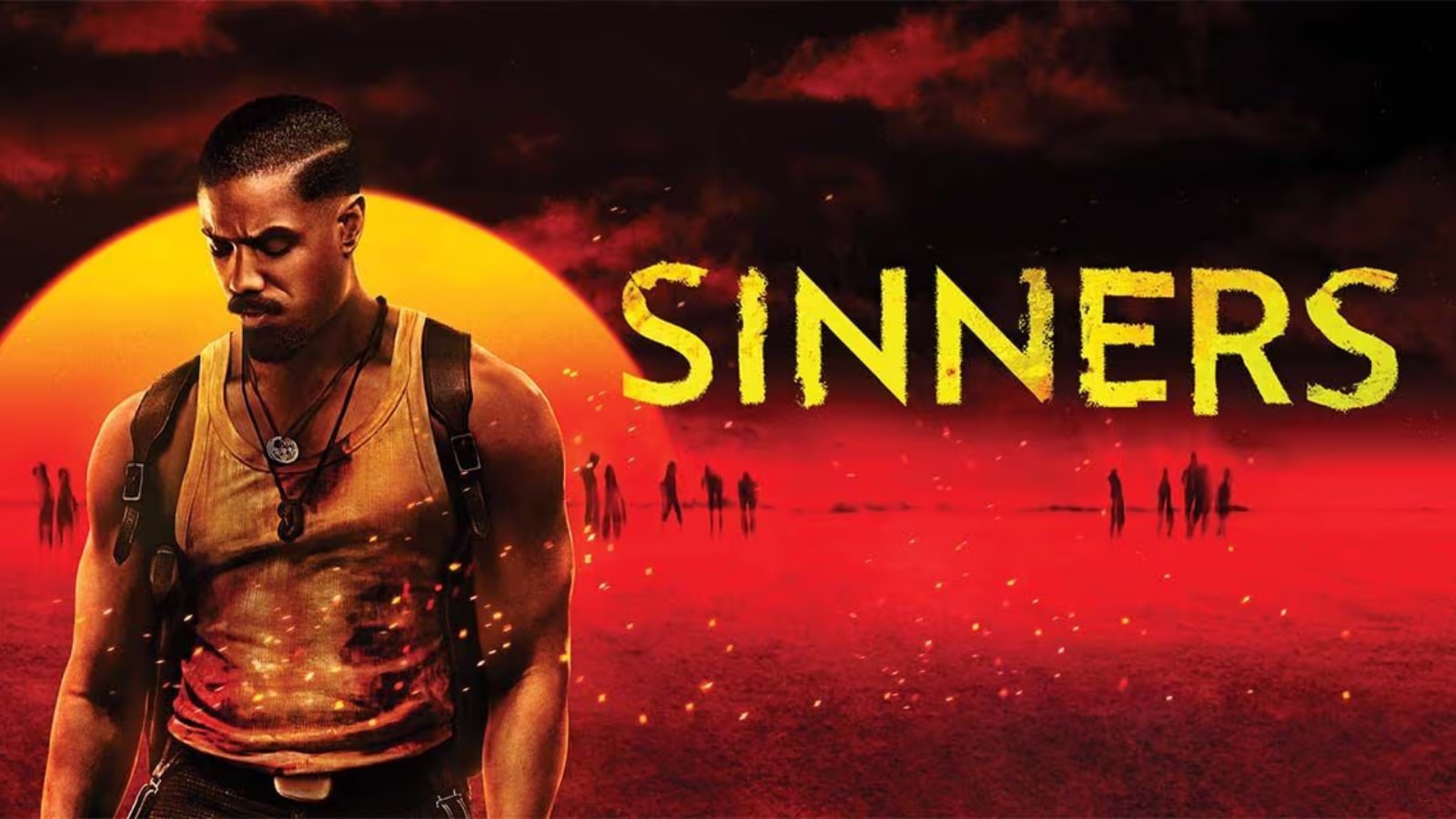
Another defining moment of the ceremony came with the film Sinners. Cinematographer Autumn Durald Arkapaw became the first woman in the 98-year history of the Awards to win the Oscar for Best Cinematography. Rather than focus solely on her achievement, Arkapaw turned the moment into a shared celebration. She asked all the women in the room to stand, describing her journey as one that reflected the collective efforts of many women whose work had long gone unrecognised.
The film’s star, Michael B Jordan, also experienced a milestone night. Winning his first Oscar for Best Actor, Jordan used his speech to acknowledge the legacy of Black performers who had come before him. He named Sidney Poitier, Denzel Washington, Halle Berry, and Will Smith as artists whose achievements had paved the way for his own moment on the stage.
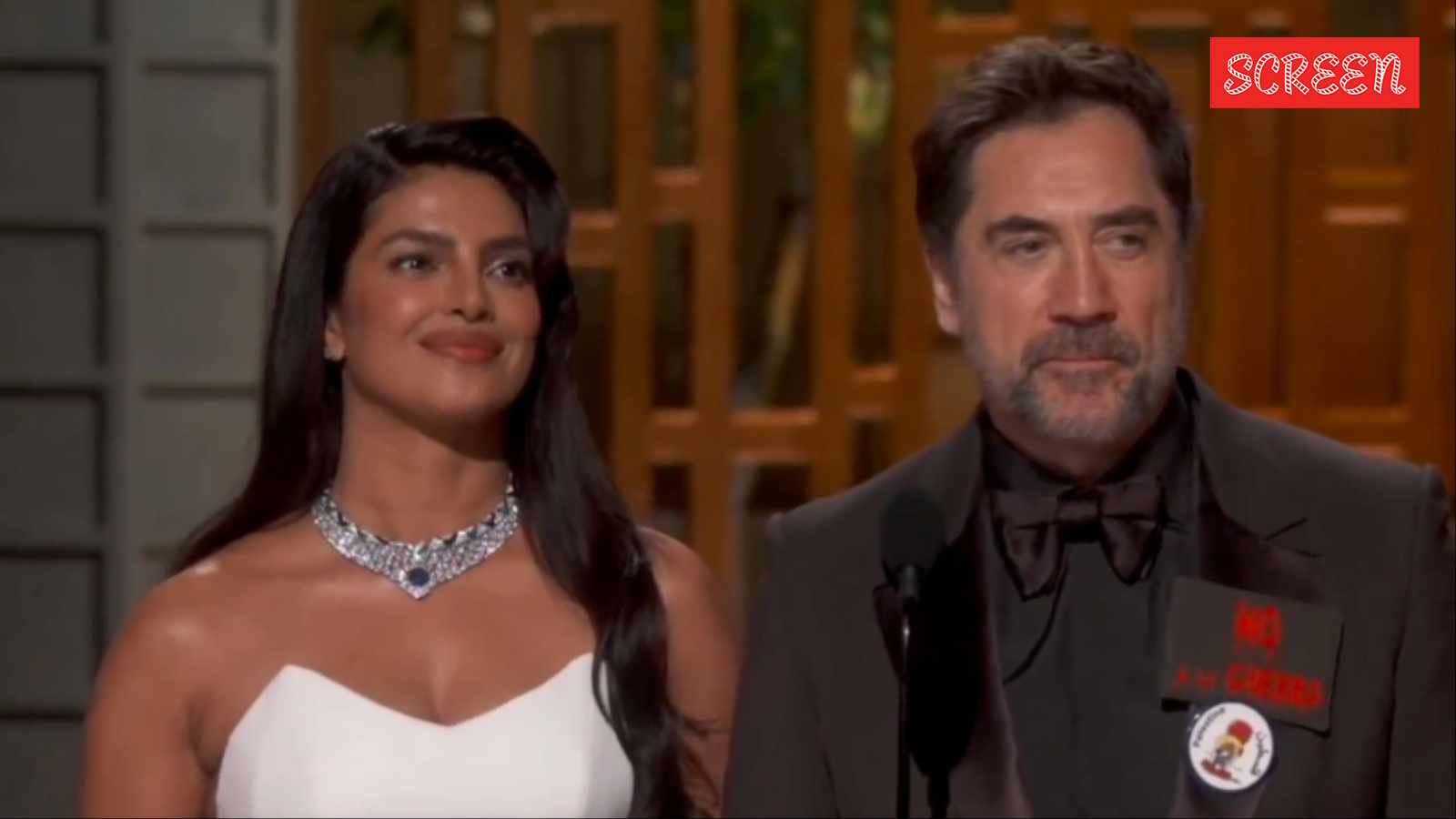
The evening largely kept its tone measured; yet, one moment of clear protest still broke through. Actor Javier Bardem, presenting the award for Best International Feature Film, wore pins calling for an end to illegal wars and for Palestinian freedom. When he reached the microphone, he repeated those words aloud, drawing loud applause from the audience. His co-presenter, Priyanka Chopra Jonas, nodded along, but within minutes, a corner of the internet, which has been rather critical of her for not speaking out against atrocities happening back home, had started meme-ing her reaction, labeling it an awkward moment.
The reaction to Bardem’s statement was notable. The applause marked a shift from the response to similar political remarks at award shows in recent years. In 2024, director Jonathan Glazer’s speech calling for peaceful coexistence generated intense backlash and controversy. Two years later, the mood inside the Oscars appeared different. Rather than recoil from the political message, the audience seemed more open to hearing it.
In the end, the 98th Academy Awards didn’t erupt into the kind of political spectacle some might have expected. Instead, the ceremony navigated the tensions of the moment carefully, acknowledging the world’s anxieties while still keeping cinema at the center of the celebration.
The writer is a podcast producer and stand-up comedian