

One Nation, One Election will not fix what is broken
Genuine pathologies of elections are going untouched: Unlimited party spending, cash distribution to voters, criminalisation of politics, and misuse of state machinery. These require targeted reform
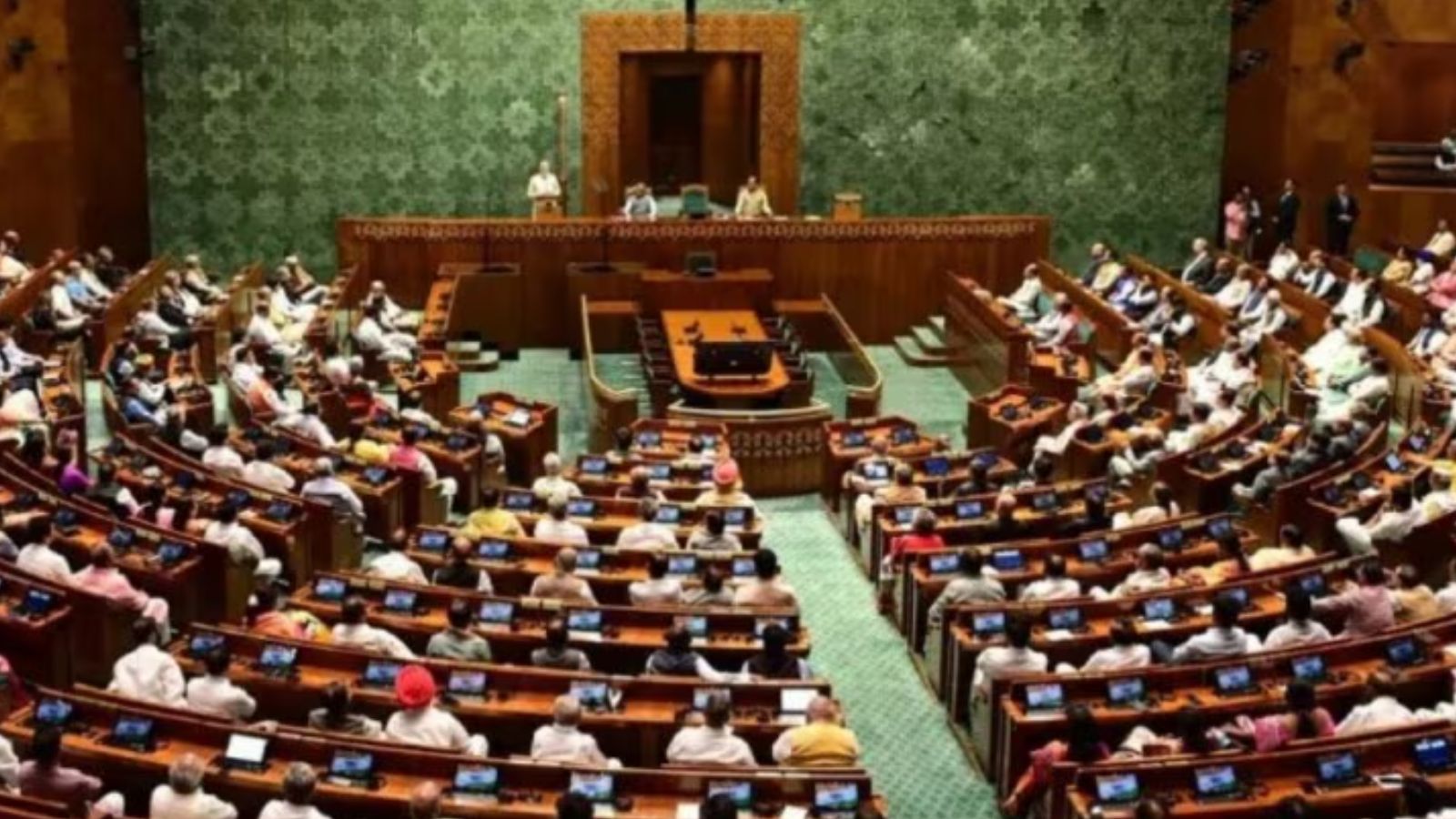
India’s Parliament is set to take up the Constitution (One Hundred and Twenty-Ninth Amendment) Bill to synchronise Lok Sabha and all state assembly elections, inserting a new Article 82A and amending Articles 83 and 172. The Bill requires a two-thirds majority in both Houses and ratification by half the states. After a High-Level Committee (HLC) chaired by former President Ram Nath Kovind, the government has committed to this push. The scale of the constitutional intervention demands rigorous scrutiny of the claimed benefits.
The HLC report rests on four pillars: Cost savings, relief from “policy paralysis” caused by the Model Code of Conduct, reduced burden on government manpower, and an economic growth dividend. Its economic anchor is a striking claim: Research by Prachi Mishra, N K Singh and colleagues finds that real GDP growth is approximately 1.5 percentage points higher following simultaneous election cycles. That single finding must be examined carefully.
The paper compares the simultaneous election era (1952–1967, partially until the mid-1980s) with the subsequent asynchronous period. But before reaching for the econometrics, consider the plain historical record. The era produced what economists call the “Hindu rate of growth”: Around 3.5 per cent annually, decades of the licence raj, import substitution, and a closed economy. India’s genuine high-growth era came entirely under asynchronous elections: The 8 to 9 per cent annual growth of 2003–2011 was achieved with staggered state polls running through every single year. If simultaneous elections drive growth, this history is very difficult to explain. The macro confounders — trade liberalisation, the IT boom, global capital flows, financial deepening, and the 1991 reforms — are too large to control away. More consequentially, the paper’s own results show the growth effect operating partly through higher fiscal deficits and greater government spending: Structural improvement, or a political business cycle merely compressed in time? A constitutional overhaul cannot rest on correlations that India’s own history contradicts.
On costs, the argument collapses once you ask a simple question: Who is actually spending? The government’s election expenditure is not even 0.1 per cent of its own budget, as ECI accounts confirm. The “excessive” spending is by candidates and parties. But the telling detail is this: Per audited accounts submitted to the ECI, the average official expenditure by candidates is 50 per cent of the permissible ceiling. Candidates are, on paper, underspending, not overspending. The implication is inescapable: The real money is not in any account. It is black money, unaccounted and untraceable, which the Centre for Media Studies estimates at over Rs 1,00,000 crore for the 2024 Lok Sabha election alone. No electoral calendar reform can touch this. The same political economy of cash, patronage and opacity prevails whether elections happen every year or once in five years. ONOE does not reduce election spending; it merely concentrates it.
On the Model Code of Conduct: The MCC restricts government announcements for roughly 45 to 60 days per election. Because India holds state elections in a rolling fashion, NITI Aayog estimates some part of the country is under the MCC for about four months every year. Under ONOE, that rolling freeze becomes a single national freeze every five years, simultaneously halting developmental announcements across every state. The disruption is not eliminated; it is nationally concentrated and potentially more distorting. Calling this “policy paralysis” mistakes democratic restraint for administrative dysfunction.
The deeper objections are constitutional. The Supreme Court in Kesavananda Bharati has held that parliamentary democracy and free and fair elections are part of the Constitution’s basic structure, a threshold even amendments cannot cross. Three specific tensions arise. First, parliamentary government rests on collective responsibility: The executive holds office only so long as it commands legislative confidence. Under ONOE, a government losing its majority would either continue without a legitimate mandate or trigger President’s Rule — neither is acceptable. The HLC’s proposed “constructive no-confidence motion”, requiring any no-confidence vote to be paired with a simultaneous confidence vote for an alternative, is borrowed from Germany and distorts India’s parliamentary tradition. As Vidhi Centre for Legal Policy researchers point out, it would incentivise minority governments to cling to office despite lacking popular support.
Second, reaching the first synchronised cycle requires extending or curtailing multiple state assembly terms. Articles 83 and 172 deliberately use the words “no longer” — a phrase the Constituent Assembly inserted to bar extensions beyond five years. Extending terms without fresh mandate breaches the voters’ contract; curtailing them denies voters the period they voted for. Either way, the electorate’s will is overridden.
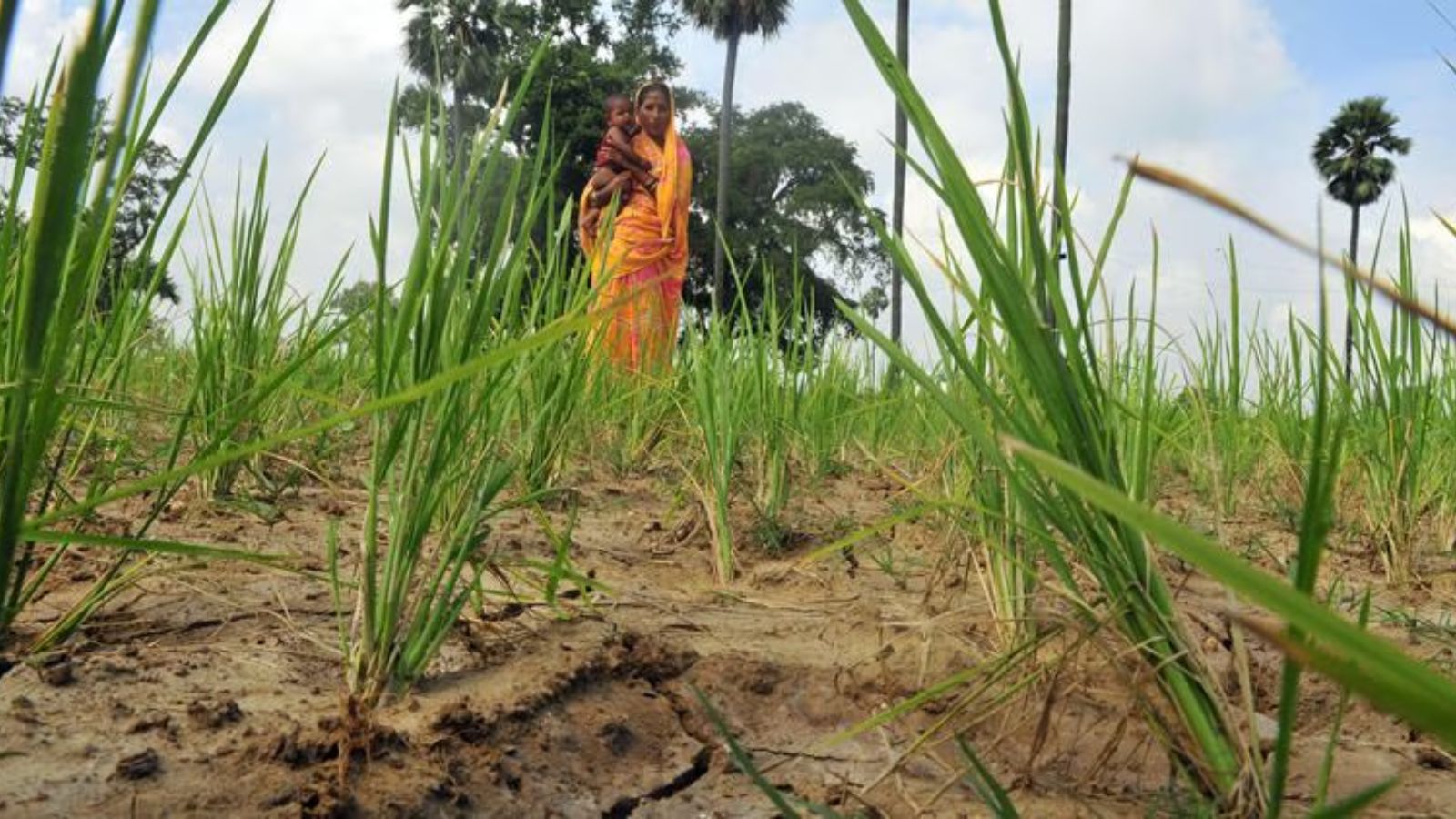
Third, simultaneous elections structurally disadvantage regional parties, and the republic’s federal character. Research shows a consistent “wave effect” when national and state elections coincide. Voters tend to choose the same party at both levels, giving large national parties a decisive advantage. Regional concerns such as agrarian distress in Vidarbha, coastal livelihoods in Kerala, or flood management in Assam, find parliamentary voice through regional formations. Bundling elections risks submerging these voices under national campaigns.
The ONOE framework also ignores elections to India’s constitutionally protected third tier of government. The 73rd and 74th Amendments placed panchayat and urban local body elections under State Election Commissions, not the ECI, guaranteeing their autonomy. These are not minor contests. Mumbai, Pune and Bengaluru have budgets larger than many Indian states, and their elections are high-stakes political battles. Folding them into ONOE would violate the spirit of these amendments; keeping them separate undermines ONOE’s own rationale. Substantial expenditure, security deployment, and governance disruption would continue through every panchayat and municipal cycle, leaving the claimed savings largely illusory.
What makes this particularly dispiriting is that the genuine pathologies of elections go untouched: Unlimited party spending, cash distribution to voters, criminalisation of politics, and misuse of state machinery. These require targeted reform: Mandatory disclosure of all donations, enforceable expenditure limits, disbarment of criminally tainted candidates, and a genuinely autonomous ECI. All these reforms are achievable without touching the Constitution’s federal and parliamentary foundations.
The ONOE Bill reorganises the democratic calendar. It does not fix what is broken.
The writers are respectively, vice president and senior fellow, Pune International Centre