

On women’s representation, a historic opportunity lost
The Nari Shakti Vandan Adhiniyam Bill was more than legislation. It had the potential to enable the historic completion of our democracy
For over 22 years, my life has been a tapestry woven with the threads of social activism, legal advocacy, and political responsibility. From the bustling streets of Mumbai, where I worked through non-governmental organisations such as I Love Mumbai and the Giants International to improve local lives, to the national stage as a voice for the Bharatiya Janata Party (BJP), my mission has remained constant: The empowerment of women. As a fashion designer, I am often called the “Queen of Drapes” for finding 54 ways to drape a single sari; similarly, I believe there are countless ways for women to contribute to the fabric of our nation. However, for too long, a crucial thread was missing from our governance. The Constitution (One Hundred and Sixth Amendment) Act, 2023, also known as the Nari Shakti Vandan Adhiniyam, is more than just legislation. It has the potential to realise the vision of equality by making our democracy more inclusive.
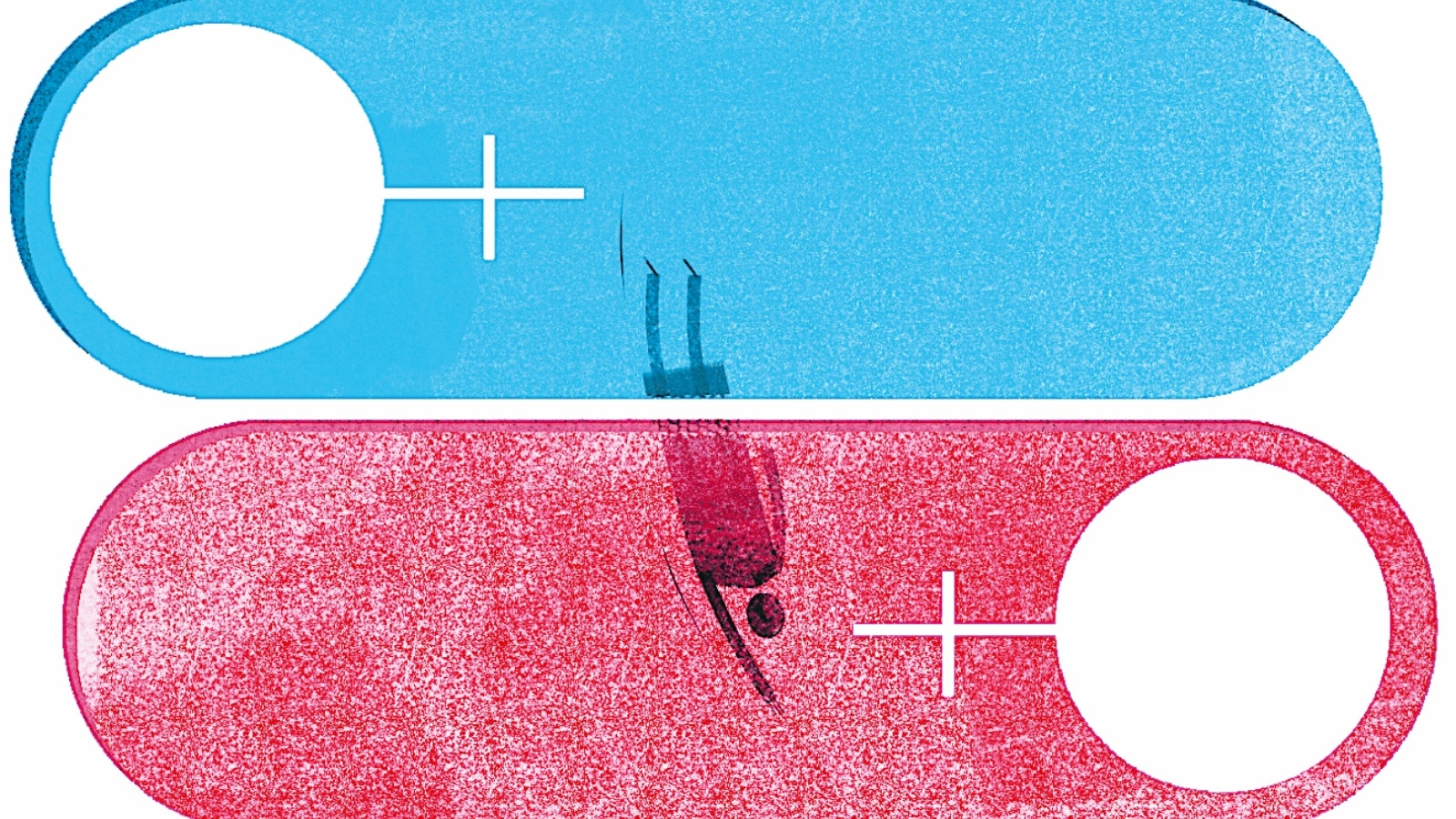
The importance of this law cannot be overstated. By securing 33 per cent of seats in the Lok Sabha and State Legislative Assemblies, it seeks to shift the needle from mere participation to actual leadership. For decades, women have been India’s most dedicated voters, yet we have remained a “vote bank” rather than a “power bank”. Reservation would change that equation forever. When a woman leads, the legislative focus shifts toward the foundational pillars of a Viksit Bharat, including family welfare, healthcare, nutrition, and education. Women bring a unique lens of empathy and pragmatism to administration that is essential for a balanced policy outcome.
To understand why the failure of the Constitution (131st Amendment) Bill 2026 — which would have accelerated the implementation of the Nari Shakti Vandan Adhiniyam — is such a profound setback, we must look at the legacy of obstruction that preceded it.
Babasaheb Ambedkar understood that social justice is impossible without gender justice. His insistence on women’s rights was central to his constitutional project. He resigned from the Cabinet in 1951 precisely because the Hindu Code Bill — intended to codify women’s rights — was being diluted and delayed. For 70 years, the political establishment often chose “political expediency” over constitutional morality.
The 27-year wait for women’s reservation in Parliament and state legislatures, starting from its first introduction in 1996, has been marked by inordinate delays, unexplained obfuscations, and cynical political calculation. We saw the Bill snatched and torn on the floor of the House by Surendra Prasad Yadav of the Rashtriya Janata Dal (RJD) in July 1998. We heard derogatory remarks about women’s participation in politics from various leaders. These were often met with deafening silence from those in power at the time. This failure was a problem because it kept women’s representation stagnant at a mere 10-15 per cent, leaving Parliament largely male-dominated and women’s issues chronically underrepresented. The resistance was often a mask for “elite anxiety” and a fear among male MPs of losing their seats.
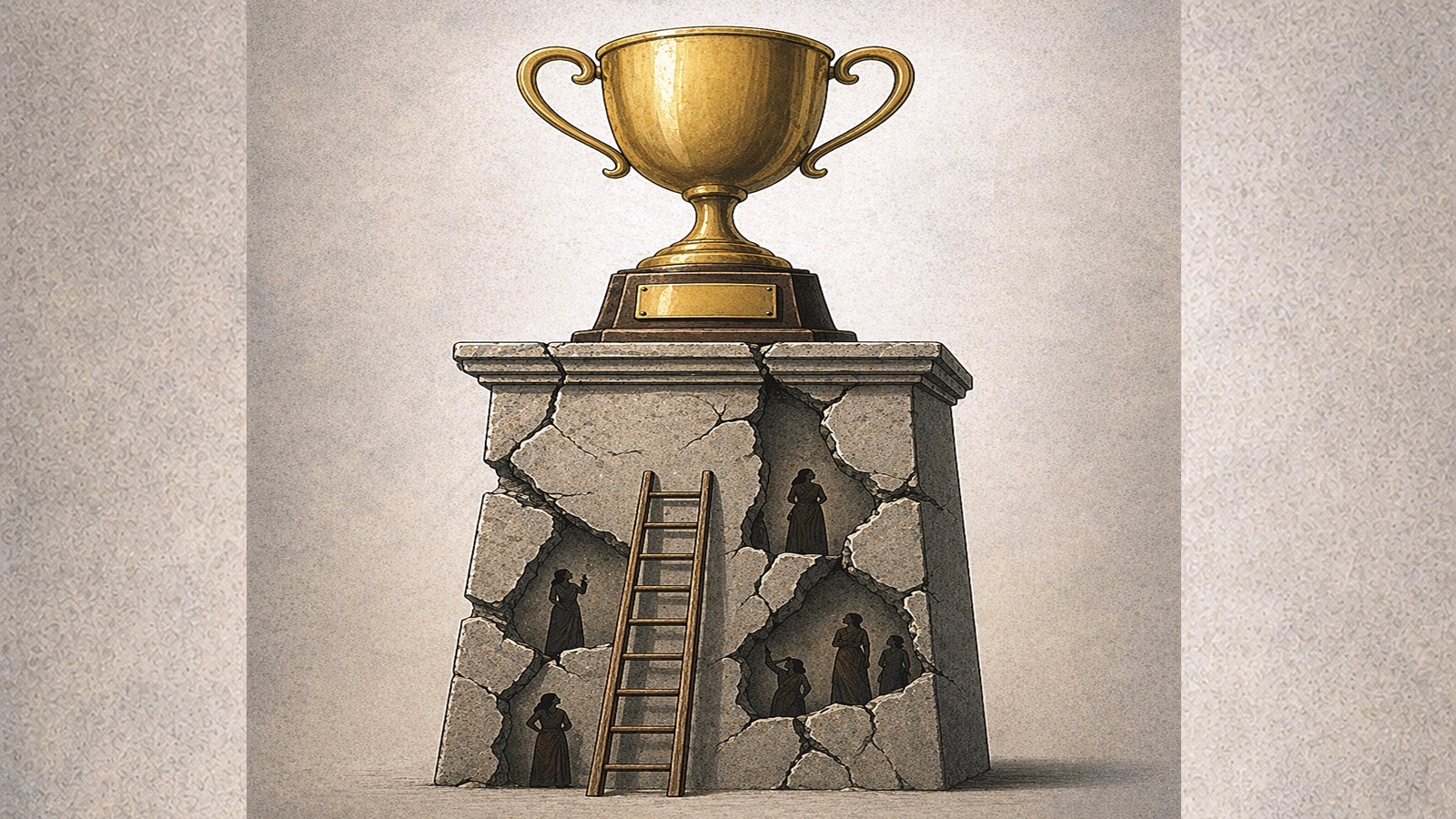
The failure to pass a women’s reservation bill for nearly three decades meant that the glass ceiling in higher politics remained reinforced by institutional apathy. While the 1993 Panchayati Raj reforms empowered 1.5 million women at the local level and changed Indian politics significantly, the path to the Lok Sabha has remained arduous. This gap prevented the creation of a robust leadership pipeline, forcing women to remain on the margins of the highest decision-making bodies.
Under the leadership of Prime Minister Narendra Modi, we have finally seen the political will to move beyond symbolism to actual action. The election of Droupadi Murmu, a woman from a Scheduled Tribe community, to the highest office of the land in 2022, was a powerful moment. The Nari Shakti Vandan Adhiniyam is meant to be the structural realisation of that vision.
The Nari Shakti Vandan Adhiniyam ensured that women are no longer on the periphery of the grand narrative of Indian democracy; that they can be the authors and architects of its future. It transforms our role from marginal participants to institutional representation, ensuring that the world’s largest democracy can finally, truly, be representative of all its people, including the ignored 50 per cent.
By opposing the imminent implementation of women’s reservation, all that the Opposition has managed to do is place itself on the wrong side of history.
The writer is a fashion designer and national spokesperson of Shiv Sena (Eknath Shinde)