

Institutions like NTA, NCERT and CBSE need academic leadership, not bureaucratic control
Are we so weak in managing things that the Prime Minister has to be bothered with monitoring the conduct of an examination?
Institutions bubbling with energy, commitment, and ever-improving dynamic performance levels constitute the oasis of hope in democracies. The hopes and aspirations of the young are shaped by schools and institutions of higher education, which expand their horizons and synchronise their skills and interests, as well as by the loving care of their teachers. The best thing to happen after Independence was the creation of new institutions and the strengthening of existing ones. These were clearly statements of trust in the ingenuity of young Indians. Who is not proud of TIFR, BARC, ISRO, CSIR, and many more? The CBSE in its present form was created on July 1, 1962. The NCERT was created on September 1, 1961. Over the decades, both have acquired national and international credibility, acceptance, and appreciation, the credit for which must go to the leadership, exercise of autonomy, and a deep sense of “participating in creating the future of India” amongst the scholars and support staff. Unfortunately, the reputation of both has suffered in recent months and weeks.
Critical thinking is one of the very significant recommendations of the NEP, 2020. The NCERT did not showcase it when it published a chapter entitled “Corruption in Judiciary” in its Class VIII Social Science textbook. The Supreme Court was, rightly, furious. When it asked for the names of those responsible for the fiasco, the NCERT mentioned the names of three outside experts. That was unexpected for such a reputed organisation that has several hundred academics and teachers in its faculty. In every subject area, the responsibility should have been assigned to one or two internal faculty members. The SC put the three senior experts in a very embarrassing situation by banning them, without even listening to their version. This has, however, been corrected by the SC. The NCERT needs a serious rethink on this episode, which indicates a shirking of institutional responsibility. Consult experts, academics, teachers, and others, but every word published by the NCERT must be owned by the NCERT.
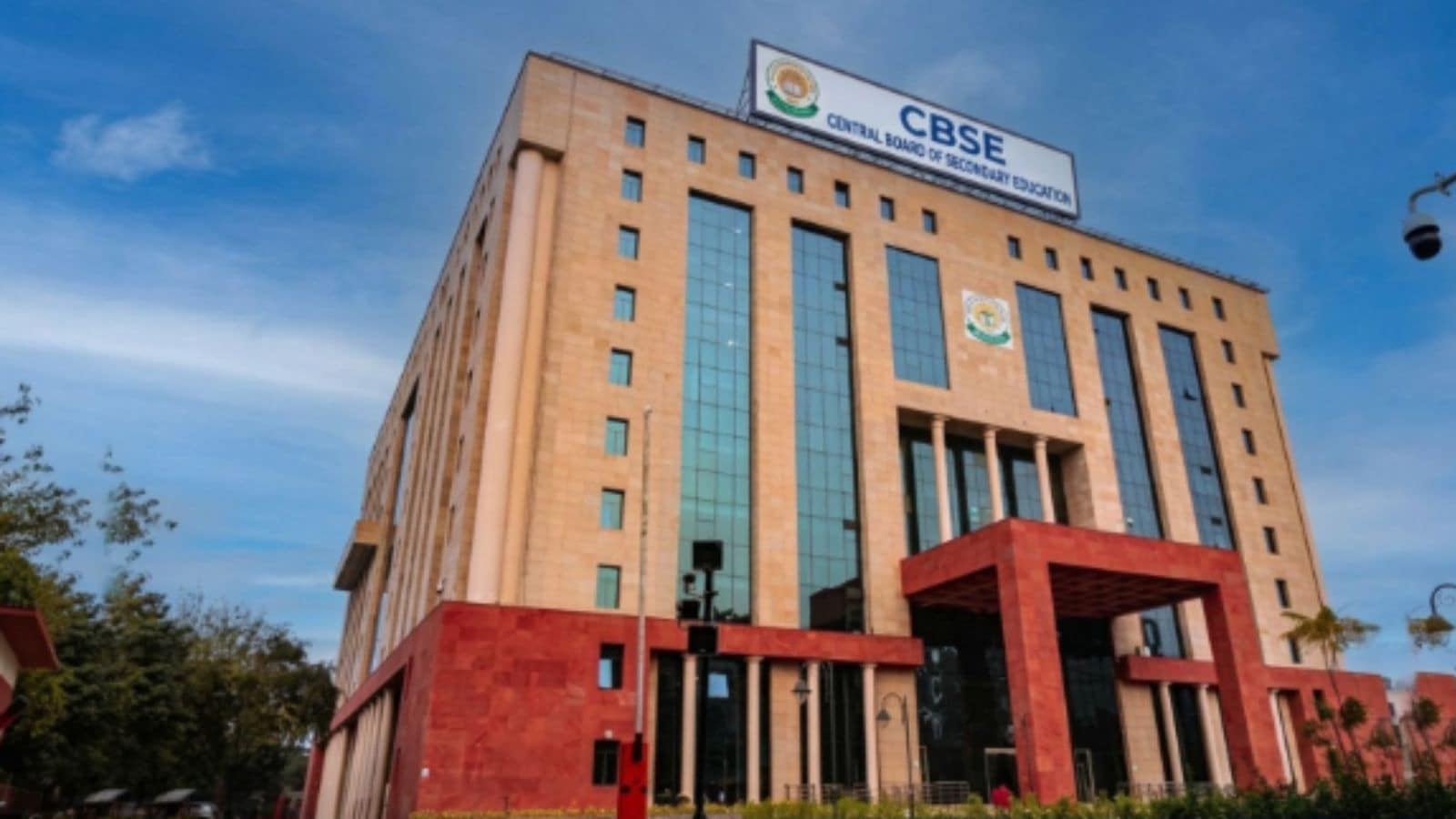
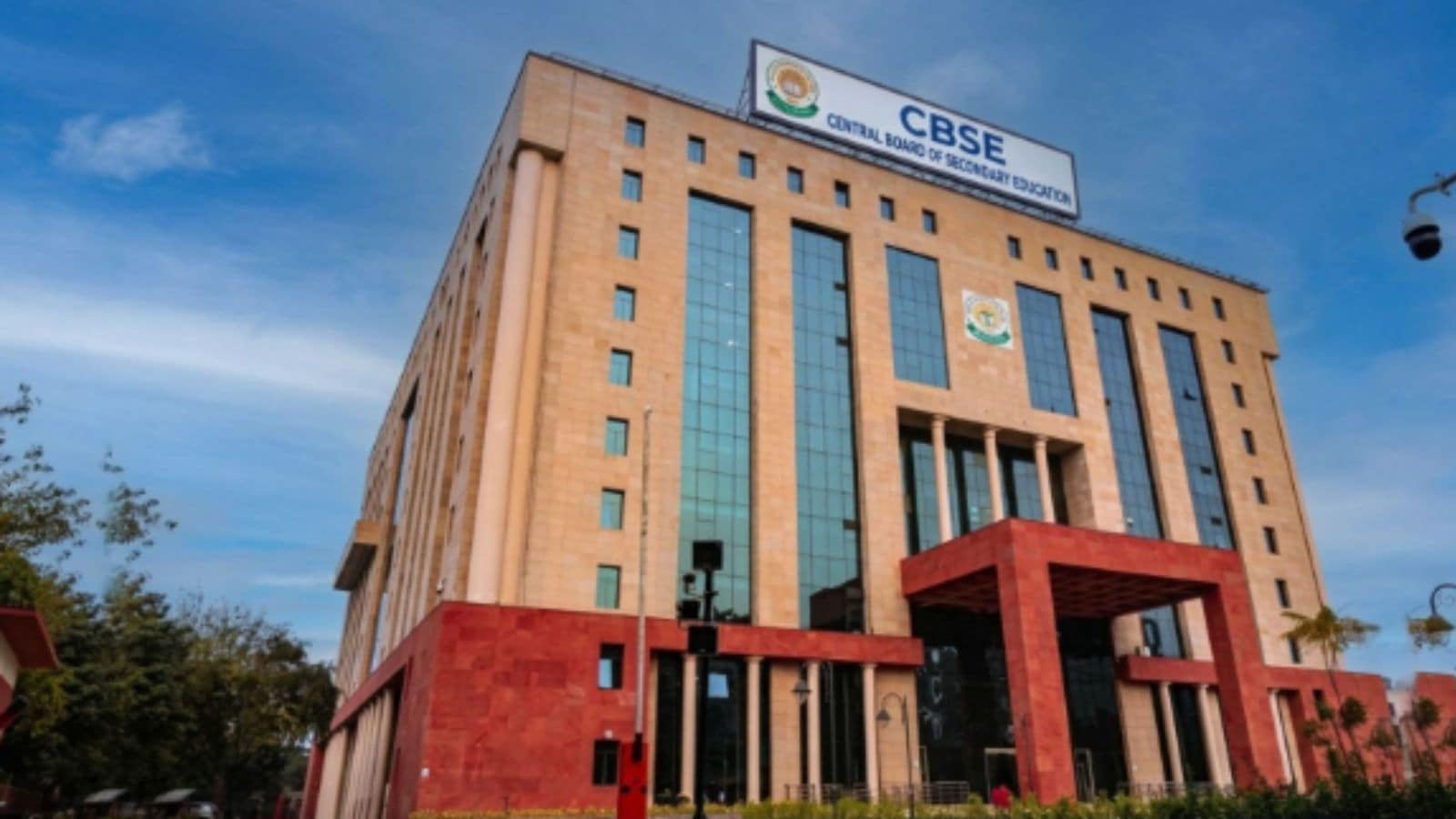
The CBSE fiasco is indeed painful. It has caused avoidable uncertainty, pain, and tension for millions of students and their families. The most critical transition in the lives of young learners takes place at the +2 stage. Every mark scored could make or mar their futures. The CBSE introduced On-Screen Marking (OSM) from this year for Class XII exams. It claims to have trained evaluators, oriented principals, and even apprised the parents. If the reports indicating that a dry run was conducted less than a month before the examinations began are correct, it would amount to inadequate preparedness, lack of leadership, a shockingly inadequate institutional comprehension of its accountability to children and parents, and a dent to the CBSE’s own image and credibility. Obviously, the ministry’s consent would have been obtained. One could safely infer that if a serious academic analysis of the situation and the possible disastrous consequences of a failure had been conducted in an academic environment, the use of OSM would not have been implemented this year. Under no conditions should institutions like KVS, NVS, school boards, textbook corporations, and SCERTs be headed by bureaucrats.
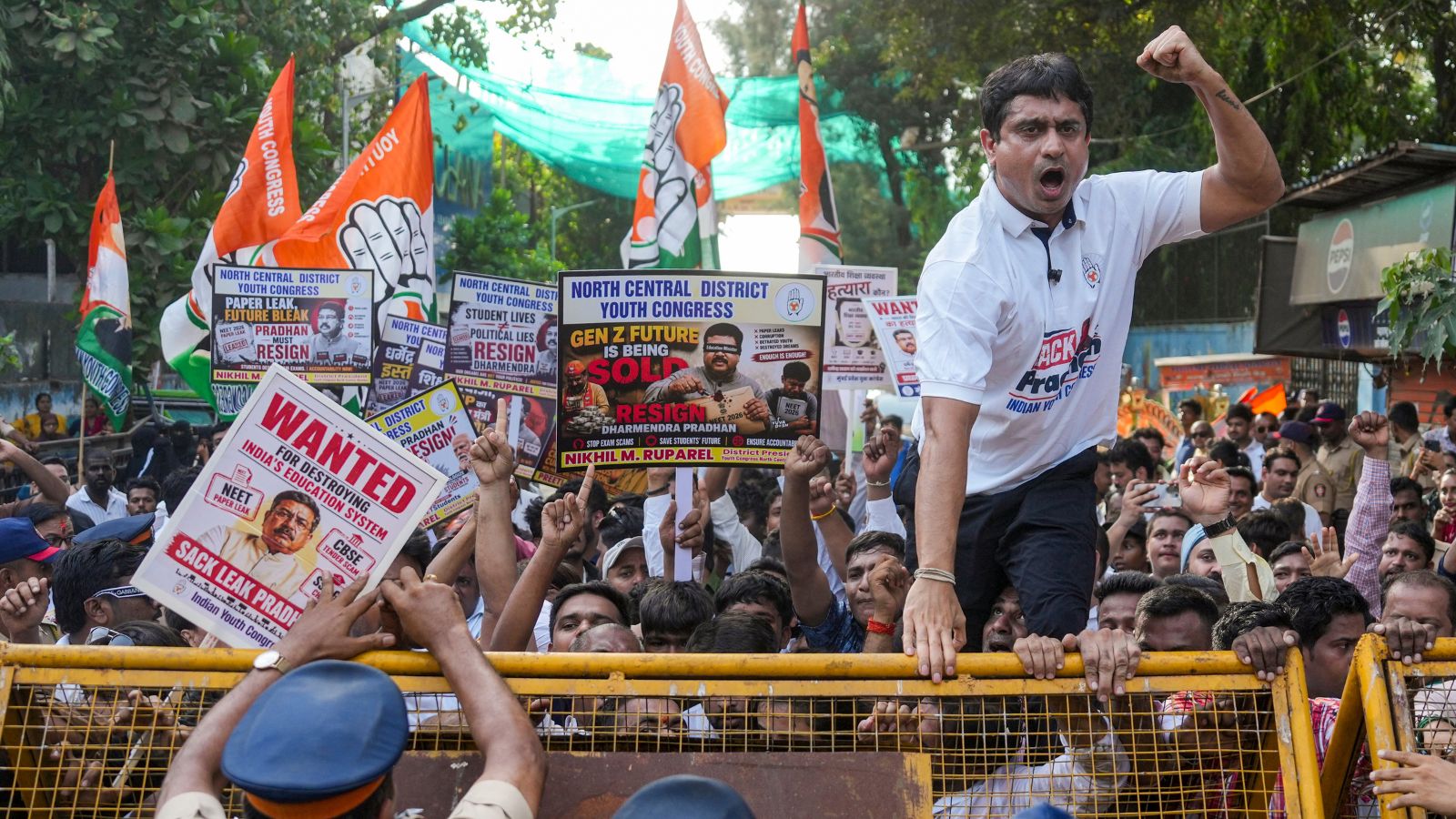
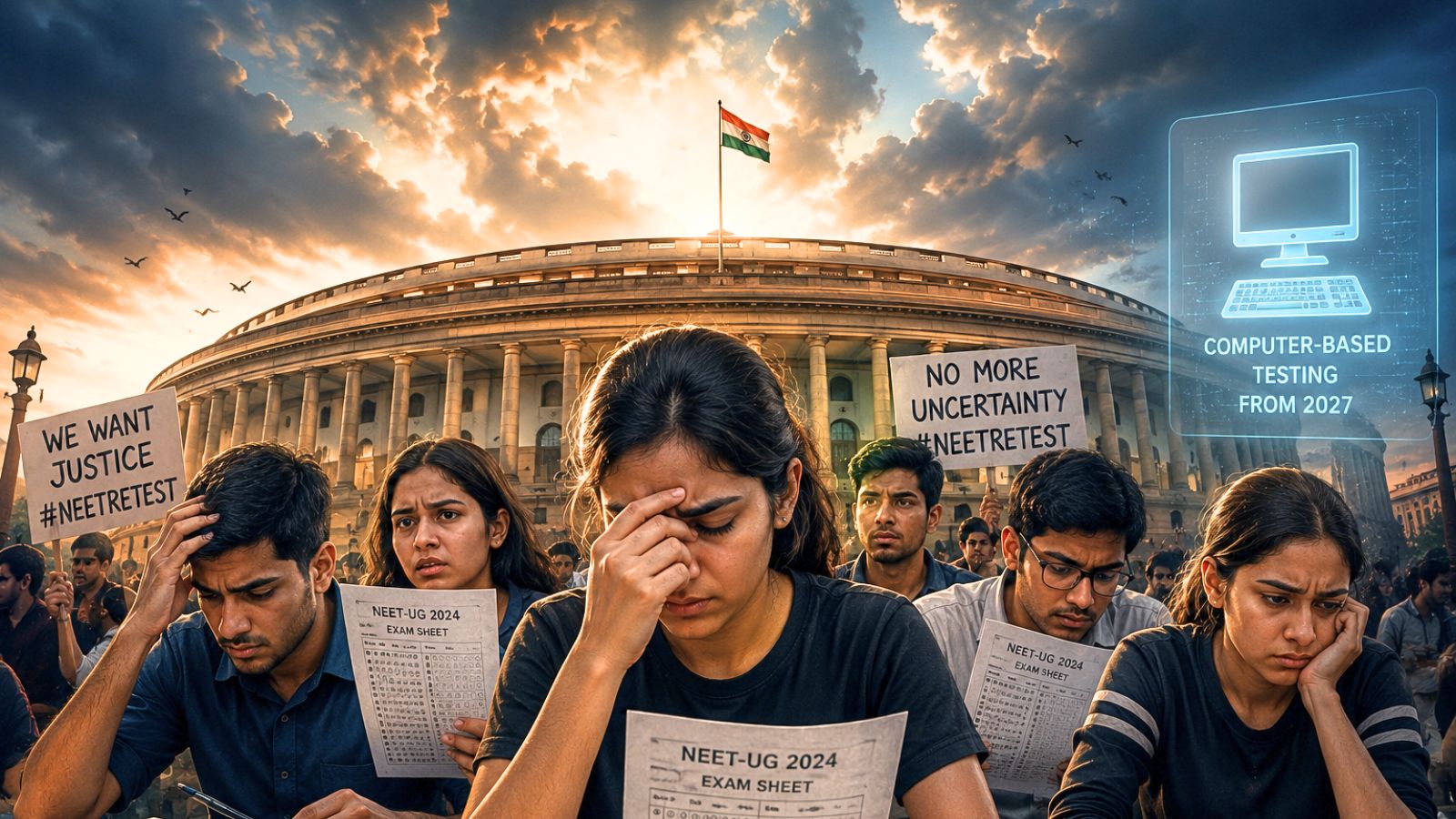
The latest example of the NTA failing to learn from its earlier failures in conducting the NEET exam indicates a mere mechanical approach and an absence of corrective measures. The lack of concern and the absence of compassion for students were evident when the NTA chief, appearing before the parliamentary committee, refused to acknowledge any paper leak “through the system” and maintained that only a few questions were reported to have reached outside! Does it not amount to running away from moral responsibility? Umpteen such instances could be cited to underscore the need for academic leadership in institutions dealing with education, teachers, teacher training, and educational administration. Mere transfers and bringing in another person from the same clan are no solutions. It won’t generate any confidence in the system, nor provide any solace to those suffering. Why should an institution like the National Institute for Educational Planning and Administration not be consulted in appointing heads of such institutions? If the backgrounds of the senior education ministry officials of the first two to three decades post-Independence, along with the heads of state-level educational bodies, were studied, it would indicate a large presence of academics. How was this changed, and by whom?
Acceptance of accountability and a commitment to enhancing institutional credibility are the country’s expectations of every institution. Unfortunately, the failures of a couple of institutions within weeks of each other have disappointed not only students and their parents but also civil society. Are we so weak in managing things that the Prime Minister has to be bothered with monitoring the conduct of an examination? Should we go to the Air Force to assist the NTA? This is an unacceptable situation that needs a thorough overhaul.
The writer is former director of NCERT