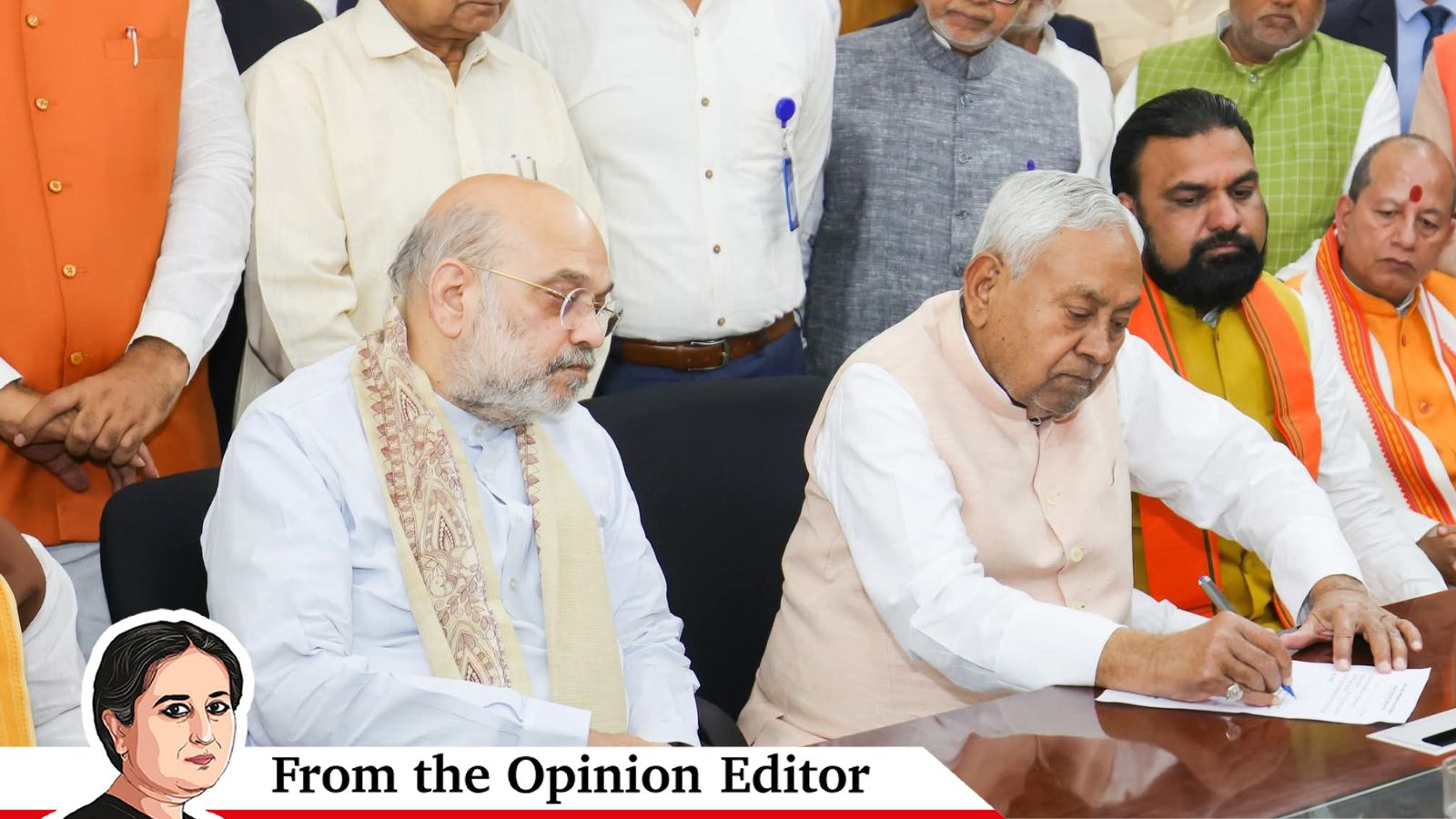


Vandita Mishra writes: Reading between the exit lines of Nitish Kumar — a Bihar story of loose ends, incomplete successes
The absence of a JD(U) second rung and the abdication that is propelling the son-rise, in a moment when the RJD is laid low, also point to a larger shift.
Dear Express Reader
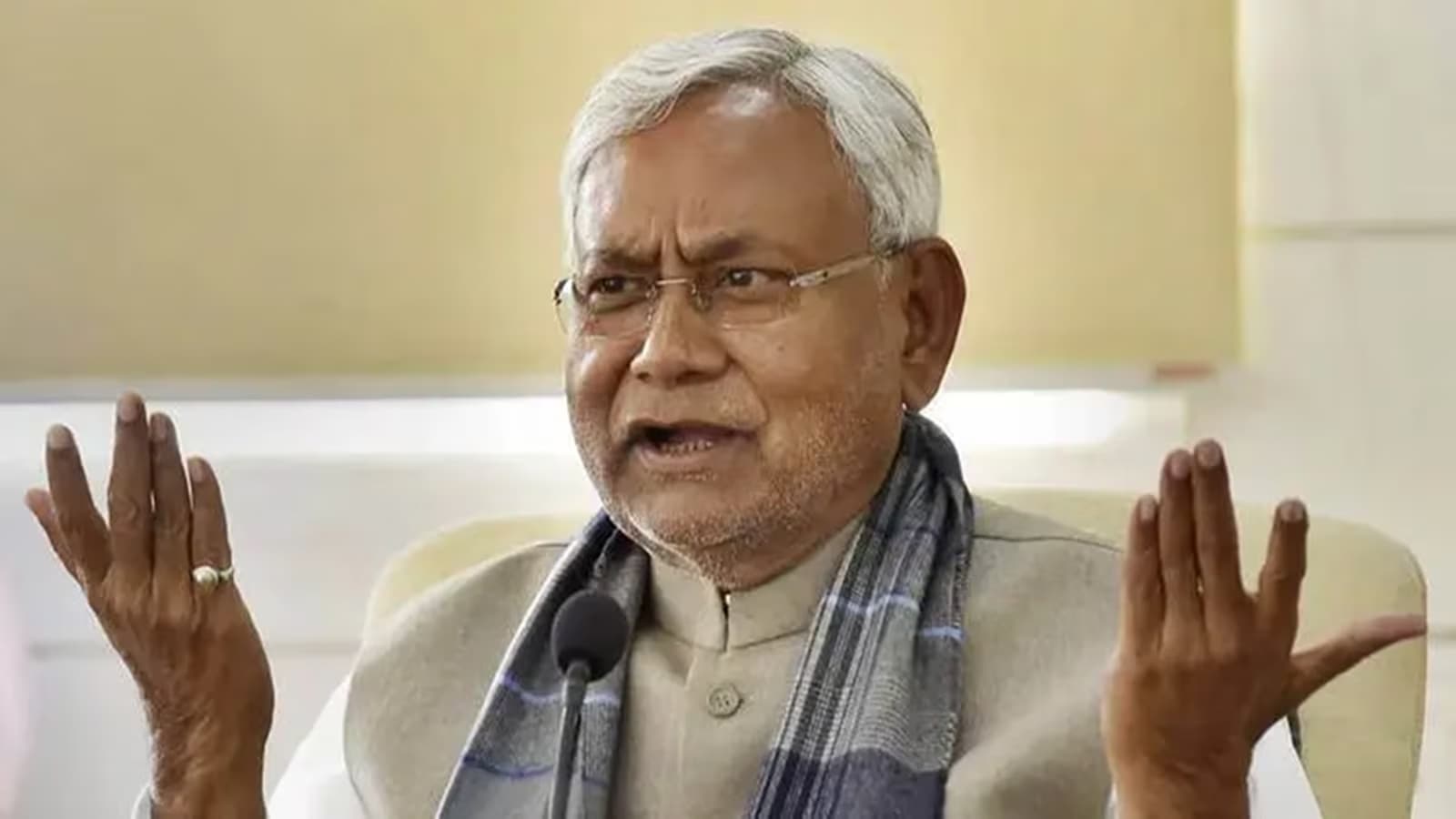
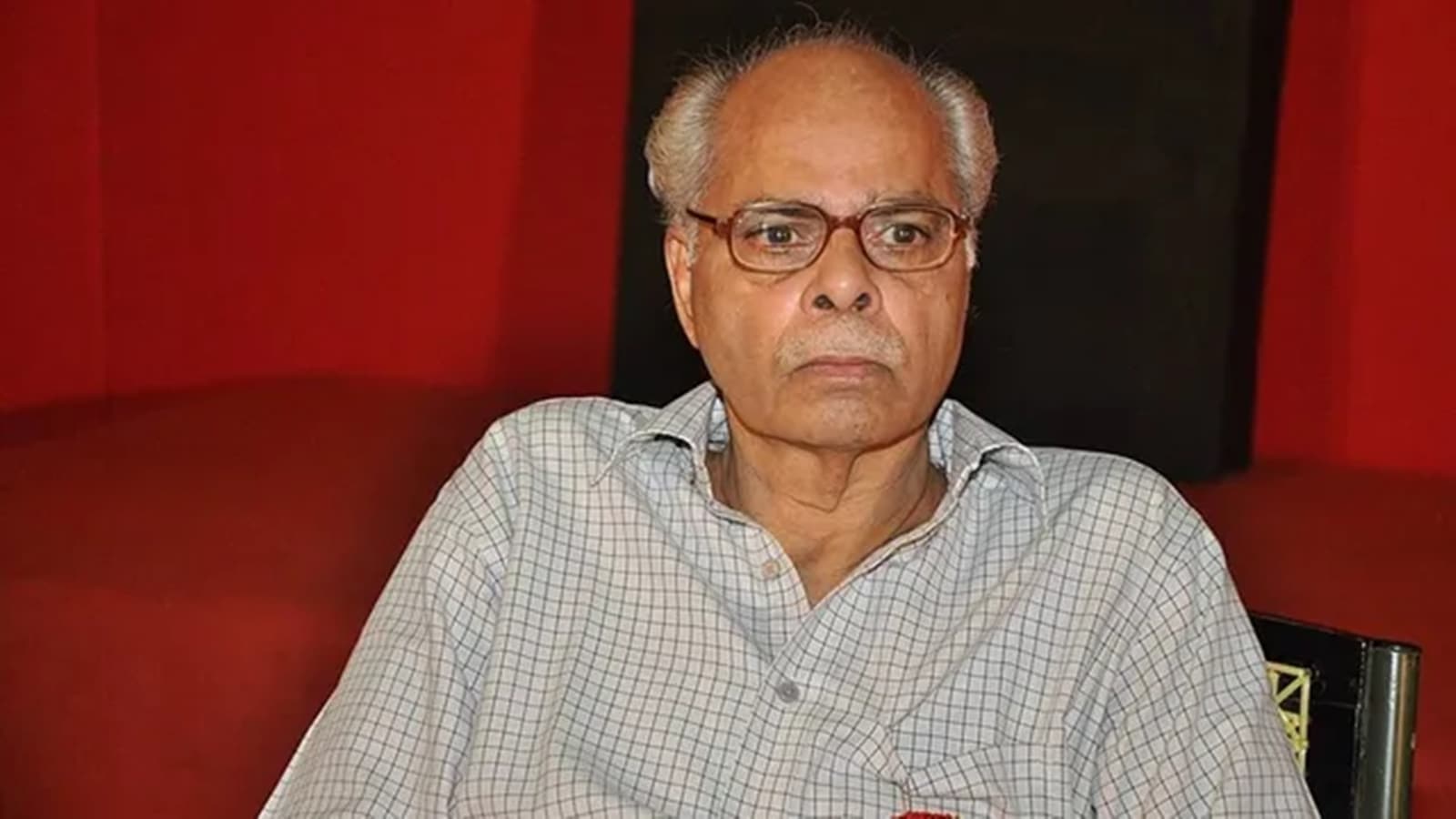
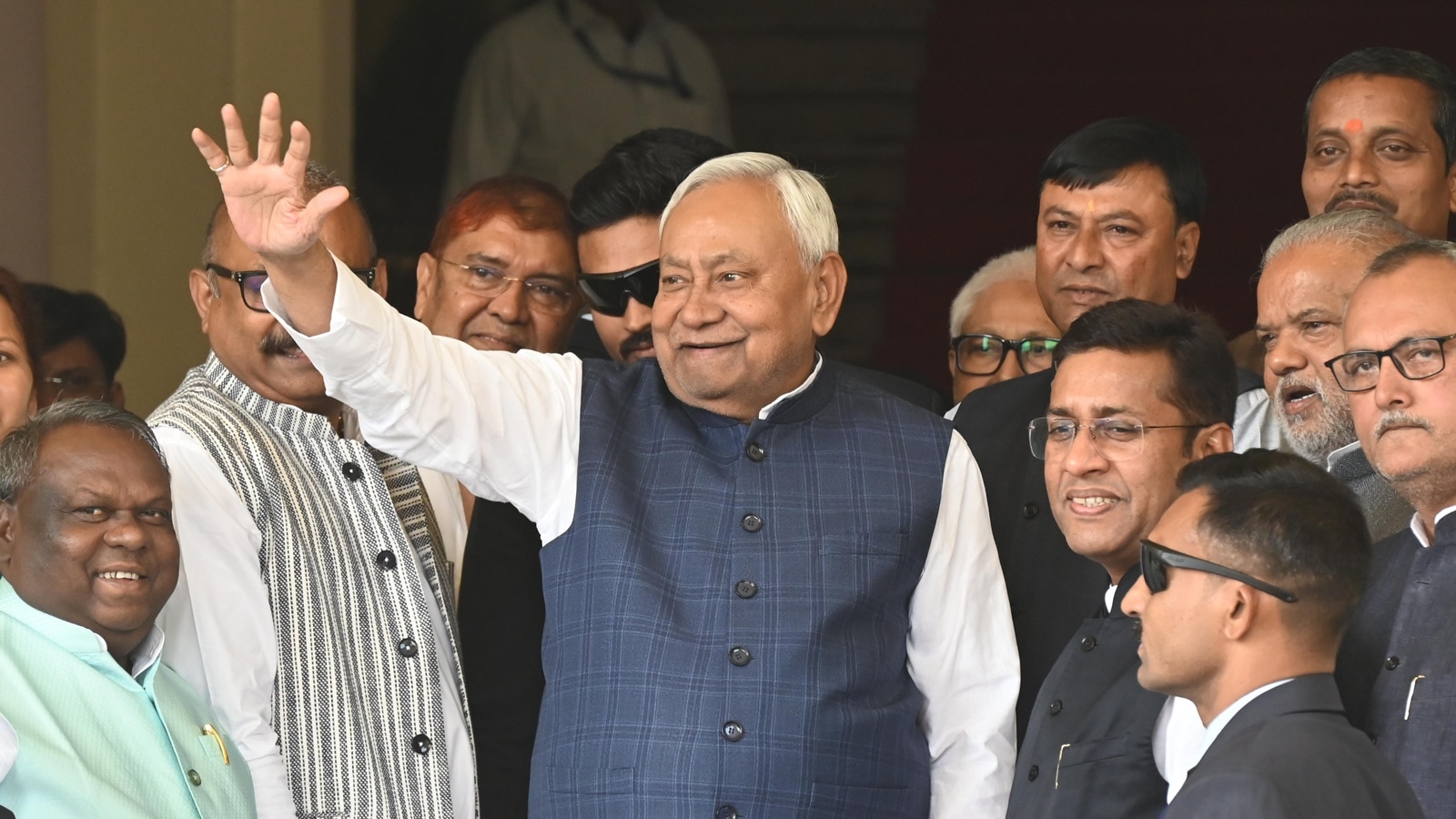
“Since the beginning of my parliamentary career, I had a desire to become a member of both Houses of the state legislature, as well as both Houses of Parliament,” wrote Nitish Kumar, on X. “That’s why I want to become a Rajya Sabha MP in the upcoming election.”
In the end, it doesn’t add up. Nitish is the chief minister of more than 20 years, who has remained in the saddle in spite of the JD(U)’s chronic lack of electoral majority, because of a will-to-power that was unflagging.
He created and sustained an aura of his own inevitability in Bihar through an accomplished politics, achievements in government and shape-shifting alliances. Now, only months after being sworn in for the 10th time after a vote sought and won in his name, Nitish’s awkward and incongruous statement, ally BJP looming larger by his side, both prolongs — and promises to break — a silence in Bihar.
The unbroken silence belongs to Nitish himself. For a few years now, amid high-decibel election noise and routine rhythms of governance, he has been the chief minister who has gone missing, allegedly due to unexplained health-related infirmities. Nitish’s disembodied persona has taken his place. By all accounts, it has even won an election for him. This statement expressing the implausible aspiration to a Rajya Sabha berth only confirms it: Nitish has spoken, but Nitish is still missing.
As opaque as it seems, however, Nitish’s intervention also signals the breaking of a silence — his shift to Delhi will mean that, under a new incumbent, the Bihar Chief Minister will again be heard and seen.
But there is still the question of democratic accountability. Who was ruling Bihar, if Nitish hasn’t been himself for a long time? And whichever the new chief minister the BJP brings in, can he claim the mandate sought and won in Nitish’s name, for a government scheduled to last till 2030?
In a sense, the story of Nitish’s exit from Bihar is as riddled with loose ends as his many successes in the state have been.
Since 2005, as chief minister almost without a pause, Nitish has been deservedly credited with the Bihar Turnaround story. Over two decades, amid a volatile politics, he gave it a forward direction and administrative stability. He pulled Bihar out of the “failed state” abyss, after the de-institutionalisation Lalu Prasad presided over, alongside his radical and transformative “social justice” politics.
But the turnaround is uneven and incomplete. Bihar continues to lag behind other states, and to be the home its young feel compelled to leave. Having improved law and order, built roads and bridges, and delivered electricity, the Nitish government has not been able to create hospitable spaces for industry. It has not turned its attention to the needs of the city. The title of “Sushasan Babu (Mr Good Governance)” has been riding, more and more, on the lack of an alternative to Nitish, its sheen dimmed by his other nick-name of “Paltu Ram”, the leader who is forever flip-flopping.
Politically, Nitish expanded the middle space in a state of deep inequalities. He smudged the backward-forward cleavage, and softened the edges of the secular-communal binary.
He did the first while keeping alive the political and policy priority to “social justice”, institutionalising a sensitivity to backward groups’ special needs. In alliance with the BJP, he stitched a coalition of extremes, that brought together the upper castes with the EBCs, non-Yadav OBCs, sections of Dalits and Muslims, and women. To him, too, goes the credit for keeping the BJP’s Hindutva in check in Bihar, in contrast to the much harder and polarising version in neighbouring UP.
But even at the height of his popularity, as in 2010, the leader who wrought large changes in his state was afraid to strike out on his own. He was always dependent on his ally of the moment, mostly the BJP, which used the partnership to make inroads for its own politics.
The legatee of the JP-Lohia and Karpoori-Mandal revolutions chose to make the bureaucracy his primary instrument — not his party. This fuelled the constant rumble heard on the Bihar ground, over the years, against an inherently status-quoist and upper-caste-dominated “afsarshahi (rule of bureaucracy)”.
After he announced his shift to Delhi, Nitish’s lack of focus on strengthening the JD(U) organisationally, his failure to create a second rung of leadership, has returned to haunt his party. Today, Nishant Kumar, Nitish’s son and a complete outsider to politics, has joined the JD(U) and is being spoken of as the only one who can hold it together — a spectacular let-down of his father’s principled commitment so far to a non-dynastic politics.
The absence of a JD(U) second rung and the abdication that is propelling the son-rise, in a moment when the RJD is laid low, also point to a larger shift: It is not just the Nitish legacy that is imperilled and wavering, but also that of the larger tradition he belongs to, of socialist politics. Both are poised on the edge of co-option by the Modi-BJP.
The tradition of Bihar politics that fought against entrenched inequality, drawing on a long history of backward caste assertion, from the Triveni Sangh in the 1930s to the upheavals of the 1990s, is now, with Lalu’s eclipse and Tejashwi’s incomplete rise, and Nitish’s exit with no successor in sight, suddenly looking vulnerable and denuded.
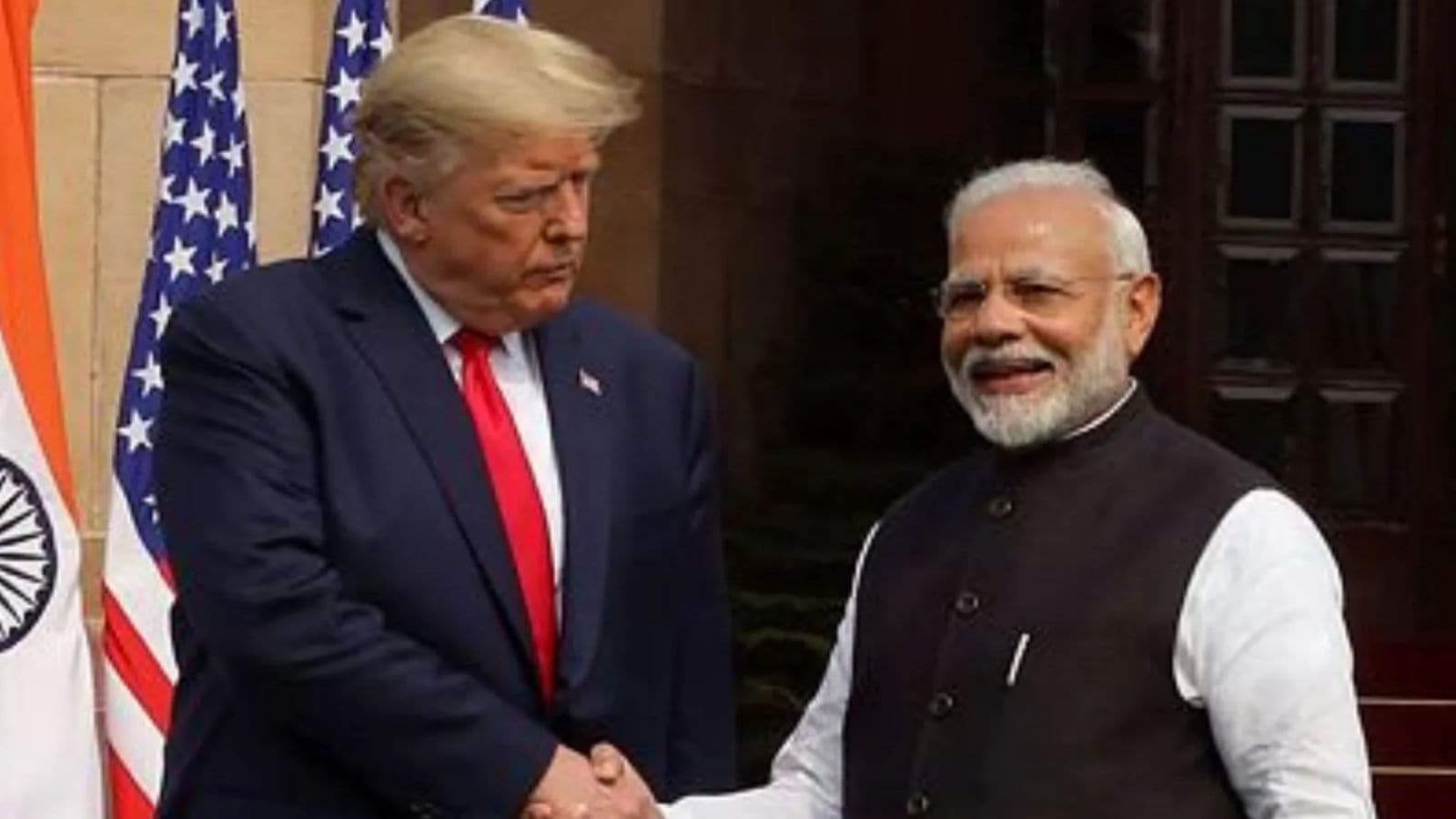
The BJP, of course, is ready to move into the space that has been vacated, to take over the Hindi heartland state that has most resisted Hindutva politics. In partnership with Nitish, and especially under Modi, it has been steadily adding to its upper caste core — through narratives of Hindutva and nationalism, strategies of accommodation and the Centre’s welfare schemes.
Under Nitish, Mandal vs Kamandal — Lalu’s arrest of LK Advani and the halting of his rath yatra in Samastipur, 1990, its high point — was recast in Bihar as Mandal & Kamandal. But with Nitish as chief minister, Mandal remained in the lead. Now, in a post-Nitish Bihar, a new phase may be about to begin, when Kamandal surges ahead under a BJP chief minister, and Mandal is subsumed by it, unresistingly.
Or not. In the last assembly election, the idea of Nitish, more than anything else, got the NDA its handsome victory. That idea seemed to hark back to an earlier Nitish — who was at the peak of his powers, when his politics seemed most encompassing, before his serial political switches. Even though he will not be on the ground anymore, Bihar may well have signalled that there is still a space for a Nitish.
Till next time,
Vandita