

NEET retest is about more than an exam. It is about broken trust
Trust is rebuilt slowly, through consistent, transparent action. That is the lesson medicine has always known. It is perhaps time our examination systems learned it too
One thing I constantly learn from seeing patients in my OPD is the primacy of trust. It is, I believe, one of the strongest reasons why the human doctor may never be completely replaced by AI. For a range of psychosomatic illnesses — conditions that resist clean diagnosis — it is often the trust a patient places in their doctor that becomes the cure itself. We call it different things: The placebo effect, the therapeutic relationship, even magic. But at its core, there is an inherent human distrust of machines, a deep-seated need to be seen and consoled by another person. As the NEET re-examination approaches, what comes to my mind is precisely this — the systematic leaching of trust.
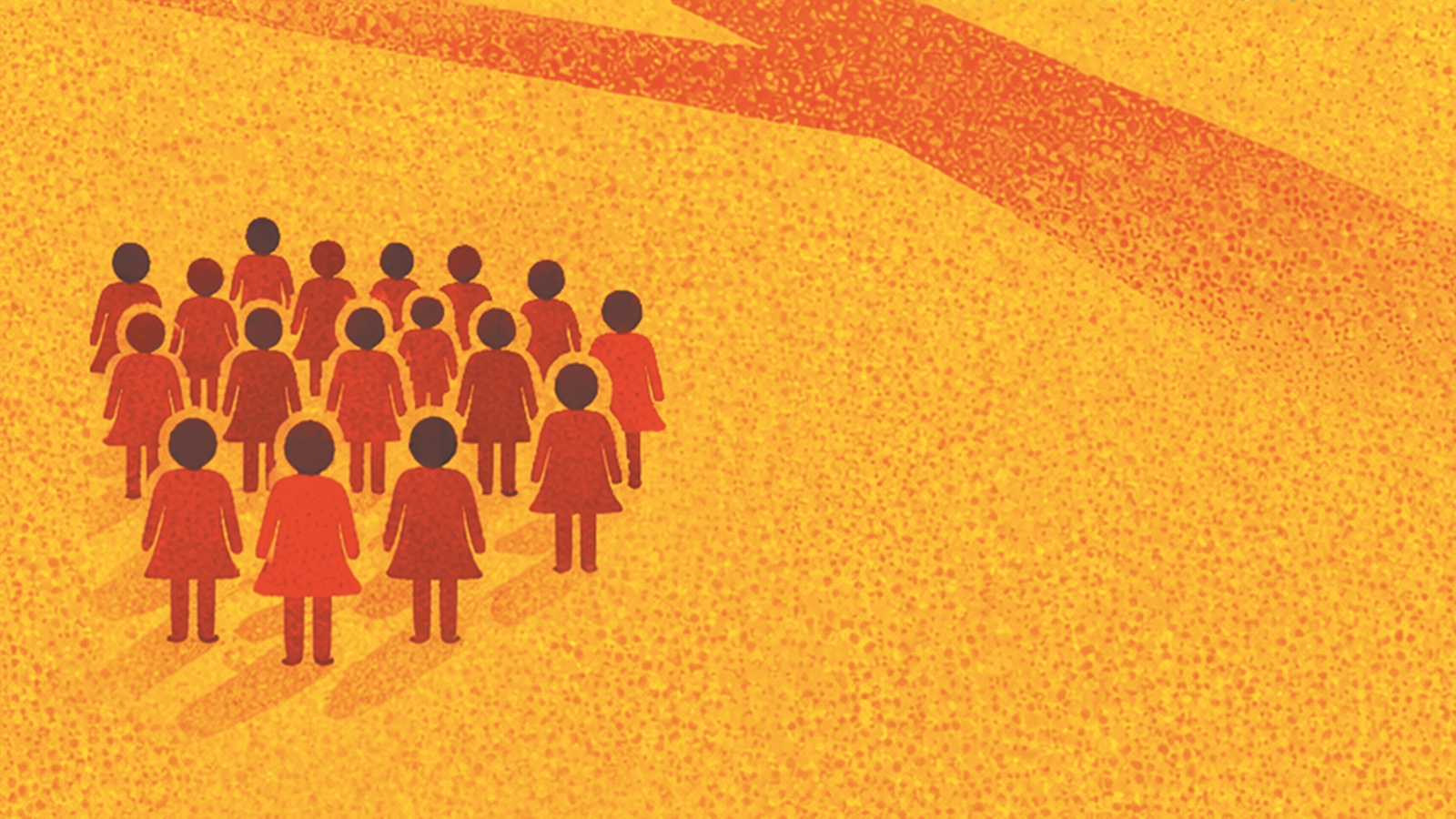
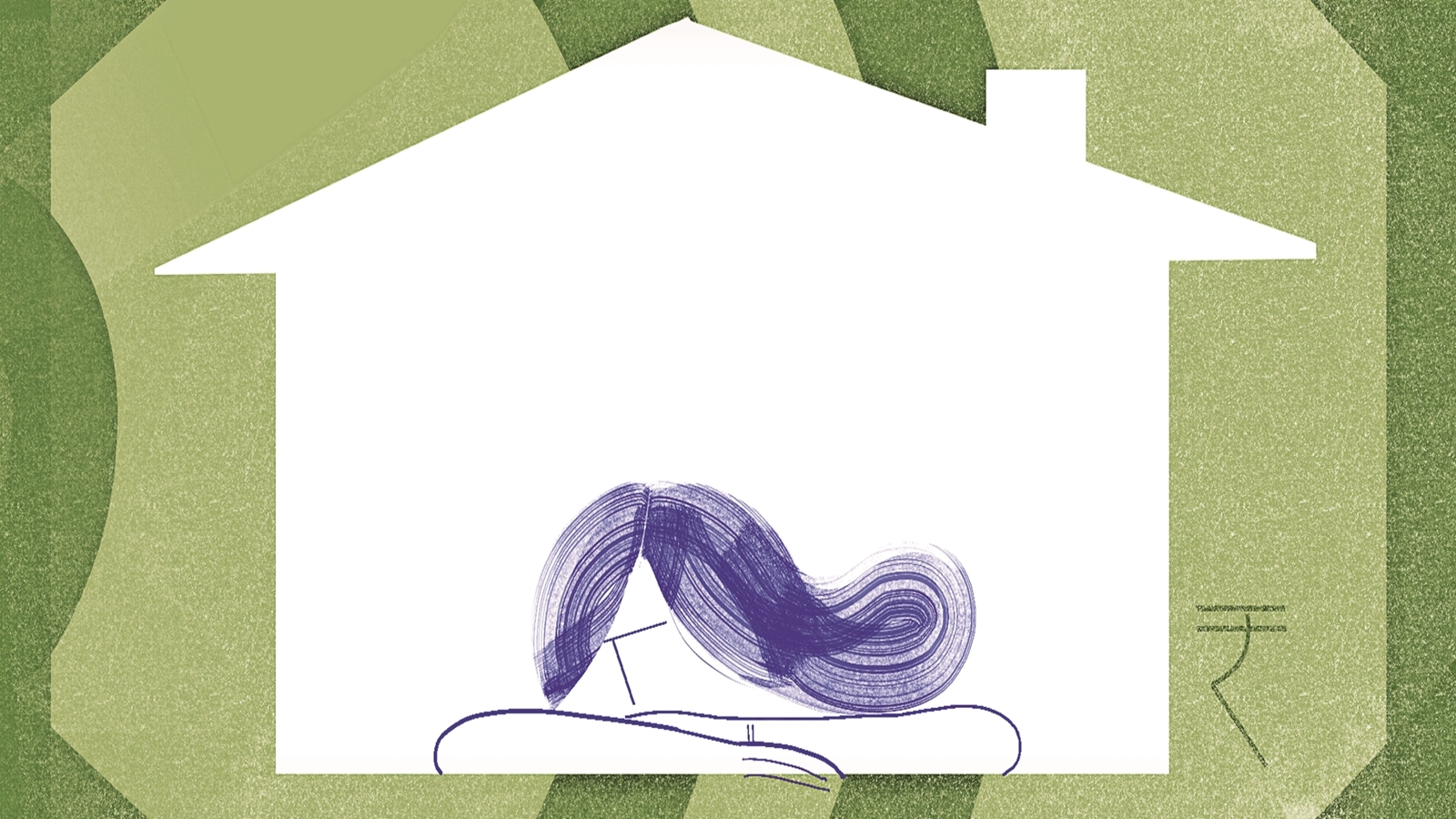
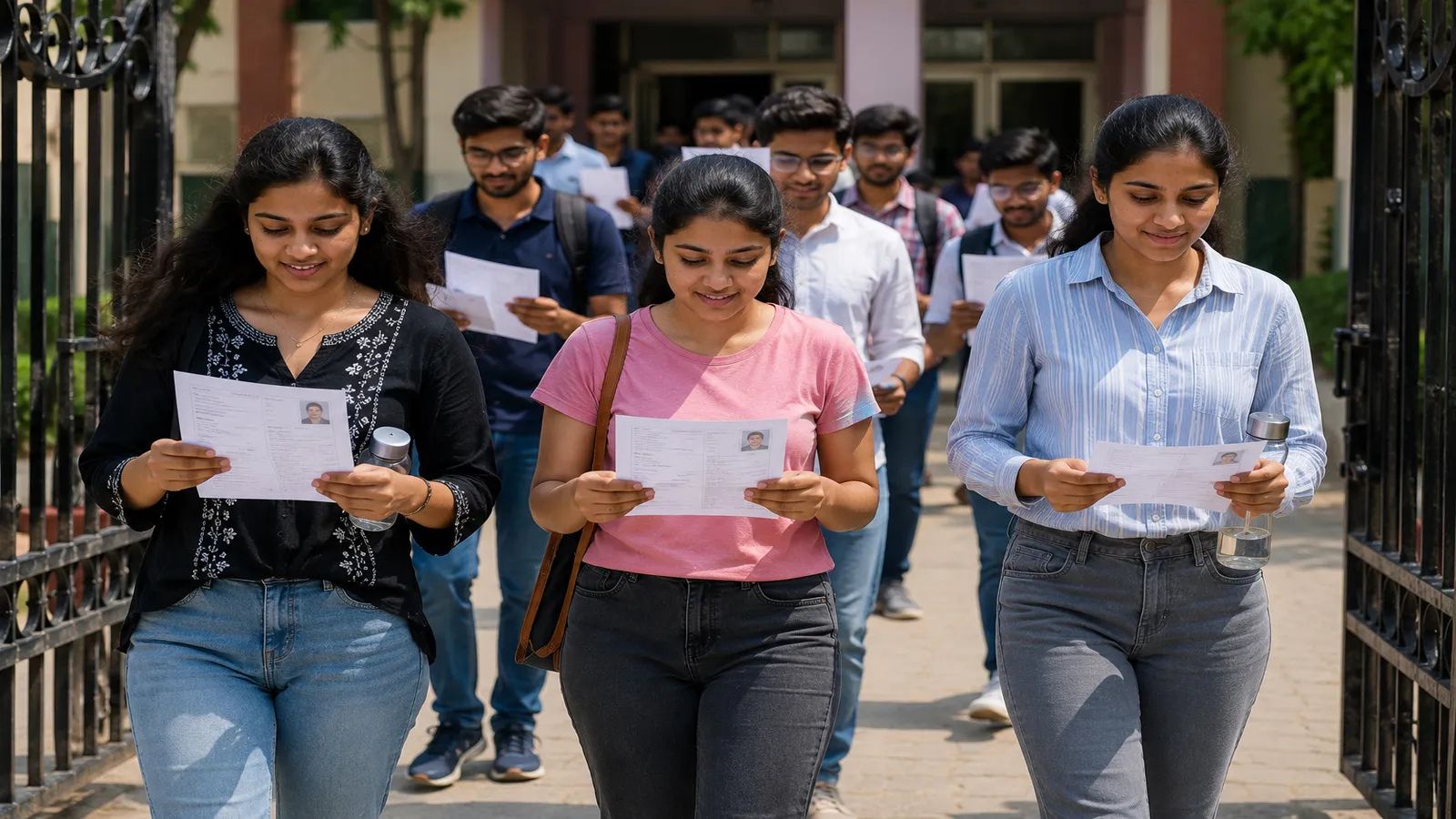
Students will appear for the exam with a quiet, corrosive apprehension: “What if it gets cancelled again?” “What if there is another leak?” The uncertainty has already taken a devastating human toll. At least 13 aspirants have reportedly died by suicide in the aftermath of the paper leak controversy. A 20-year-old in Nagpur left behind a note inside her NEET preparation textbook. In another home, a grieving father held his son’s textbook tightly against his chest. In Dehradun, a school topper and the daughter of a Kargil War veteran became another name added to a list that should never have existed.
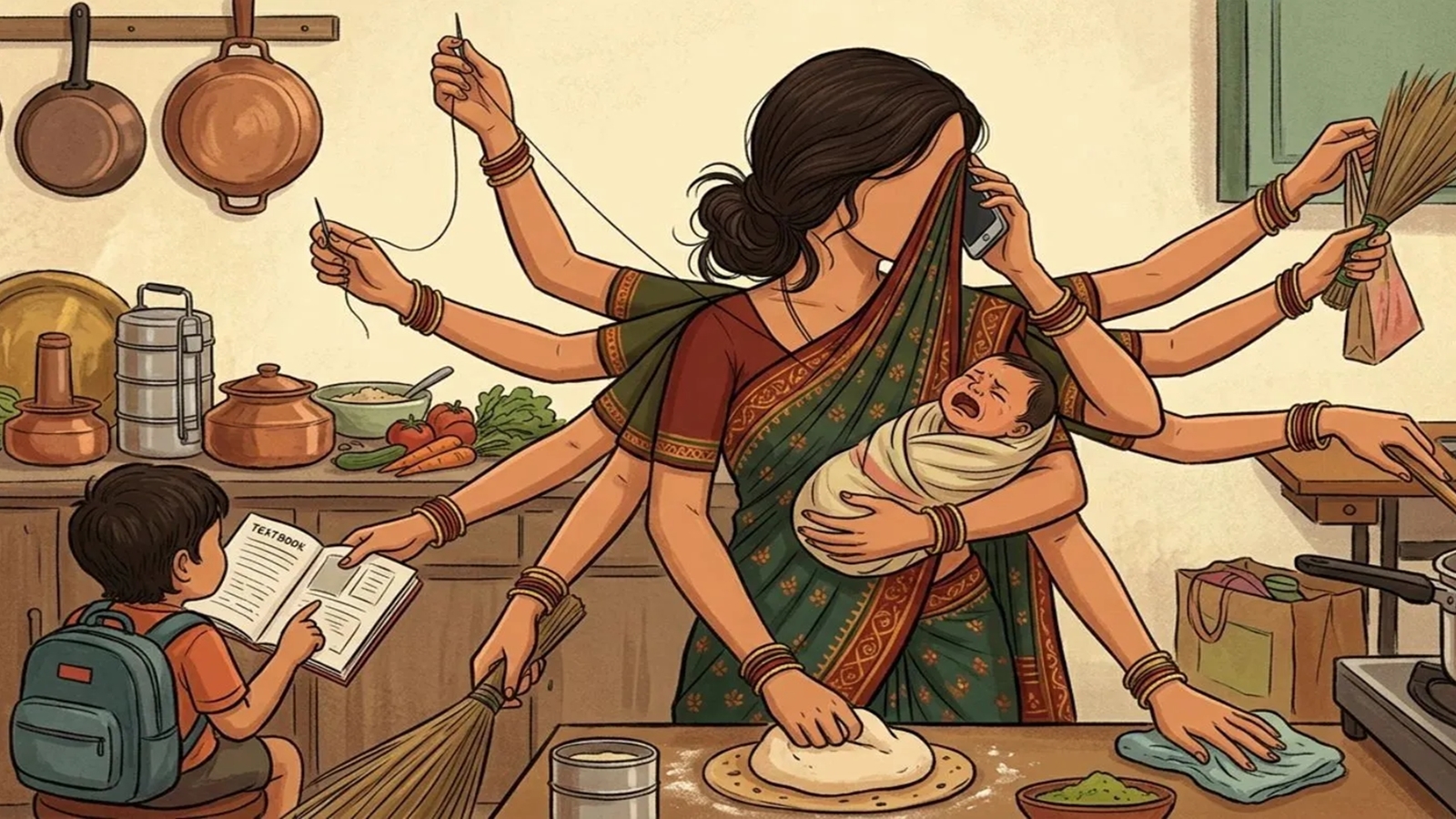
A friend of mine remarked that students who cannot handle this pressure shouldn’t have aspired to be doctors in the first place. What he fails to understand are the vectors of force these young people are subjected to: The weight of parental hopes, the burden of their own expectations, years of sacrifice distilled into a single examination, financial insecurity, relentless comparison with peers, the fear of letting everyone down, and, now, the gnawing uncertainty of whether the system itself can be trusted.
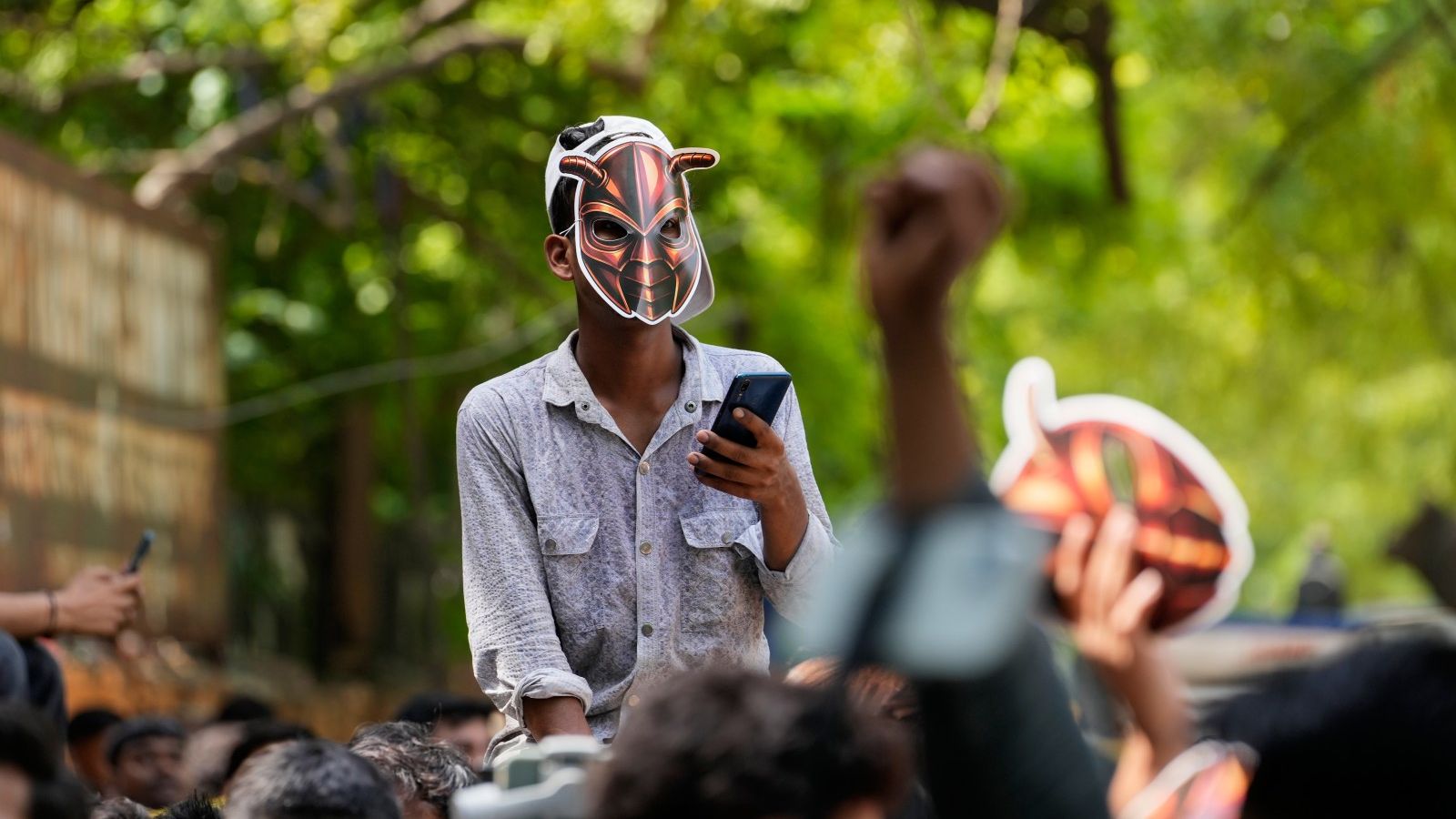
The political fallout has been considerable. The newly-formed Cockroach Janta Party attached itself to the growing public anger over examinations, unemployment, and institutional accountability. The Opposition sharpened its attack on the Centre, demanding the resignation of Union Education Minister Dharmendra Pradhan and the dissolution of the National Testing Agency. The uproar has been so intense that the Education Minister was compelled to accept a degree of responsibility.
But responsibility without reform is merely theatre. Recently, news of a Nagpur student being allotted a centre in Abu Dhabi is making rounds on social media. Airlifting question papers, jamming Telegram channels, deploying medical students as invigilators are, at the very best, stopgap solutions, sticking plasters on a wound that requires surgery. Fashioning the exams in the style of IIT-JEE — a computer-based, two-staged exam being conducted over a course of a few days — has been proposed by many academics for a long time.
The NTA appears to have taken note, but one is tempted to ask: Why not now? Why not this time, when the need was so obvious? This was, in fact, a golden opportunity. A further postponement might have been far more valuable than urgency. By the time a student could have crawled out of the initial slump of disappointment following the cancellation, the retest, barely a month later, would throw them off completely, let alone allow them to perform to their fullest potential.
There is something philosophically troubling here. Trust, once broken, does not repair itself on a schedule. It cannot be legislated back into existence with a press note or an advisory issued the evening before the exam. It is rebuilt slowly, through consistent, transparent action with institutions behaving as if the human being on the other side of the system actually matters. That is the lesson medicine has always known. It is perhaps time our examination systems learned it too.
And yet, one hopes. One must hope. I think back to the day I walked out of my own examination hall. I remember the exhilaration, the relief, the feeling of finally exhaling after years of holding my breath. As if my chest was chained for a very long time, and someone had finally set me free — free to take one long, deep, refreshing breath.
Oh, how dearly I wish that feeling for every young friend appearing tomorrow.
Gupta is a doctor and writer