

NEET and beyond, a systematic assault on education
Dharmendra Pradhan bears ministerial responsibility for the repeated breakdown of India's examination system. The scale of the NEET and NTA crises alone warrants his resignation. The struggle, however, is larger than one minister or one government
Education is not merely another government department. It is the foundation upon which a democratic republic builds its future. B R Ambedkar’s immortal call — “Educate, Agitate, Organise” — was not simply a slogan. It was a roadmap for creating an informed, empowered and egalitarian society. Over the past 12 years, however, the Modi government has steadily moved in the opposite direction. Ever since the BJP came to power in 2014, its education policy has been driven by three interconnected objectives: The communalisation, commercialisation and centralisation of education. The result has been a systematic weakening of public education and an unprecedented crisis in examinations, recruitment and employment.
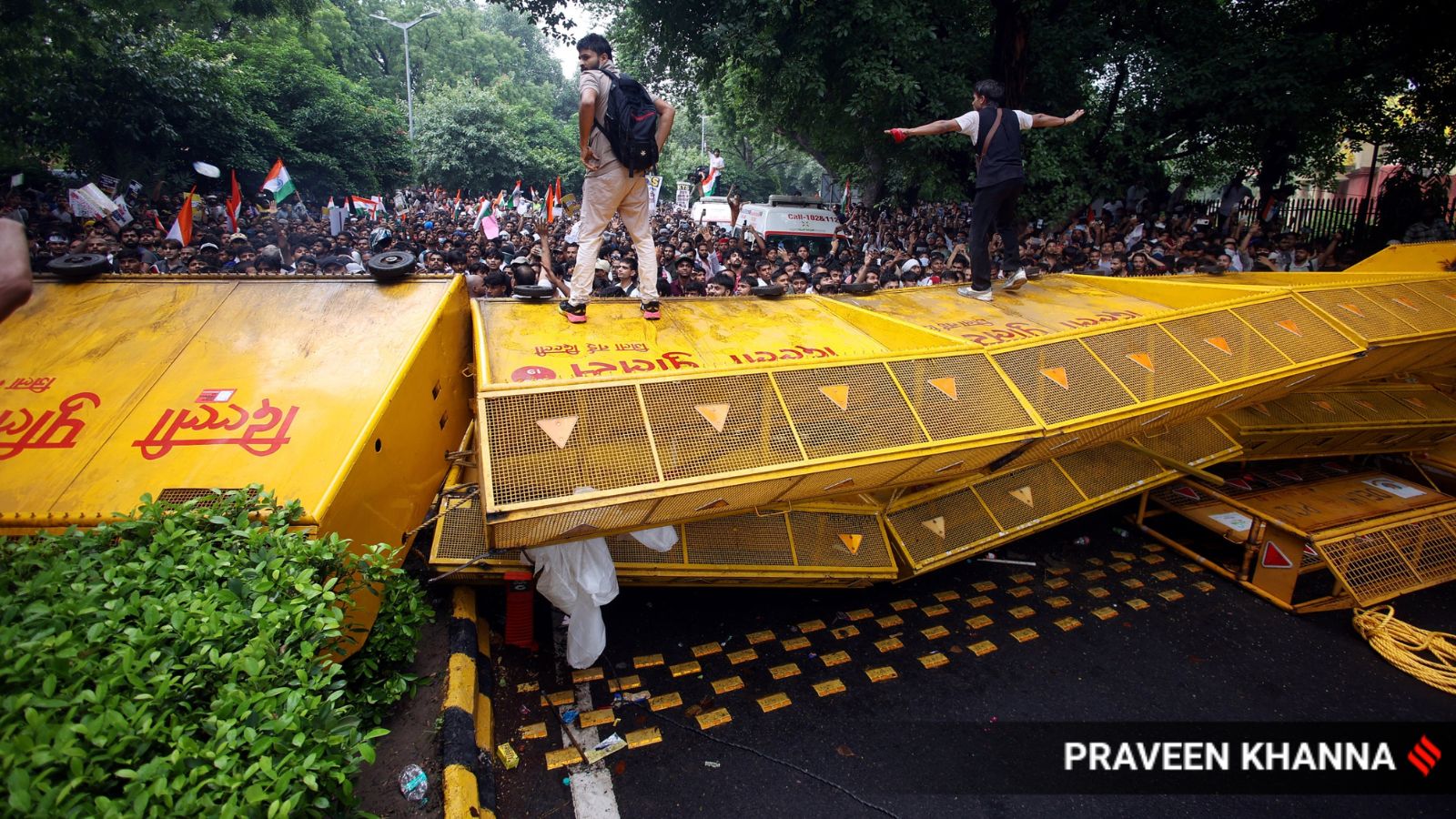
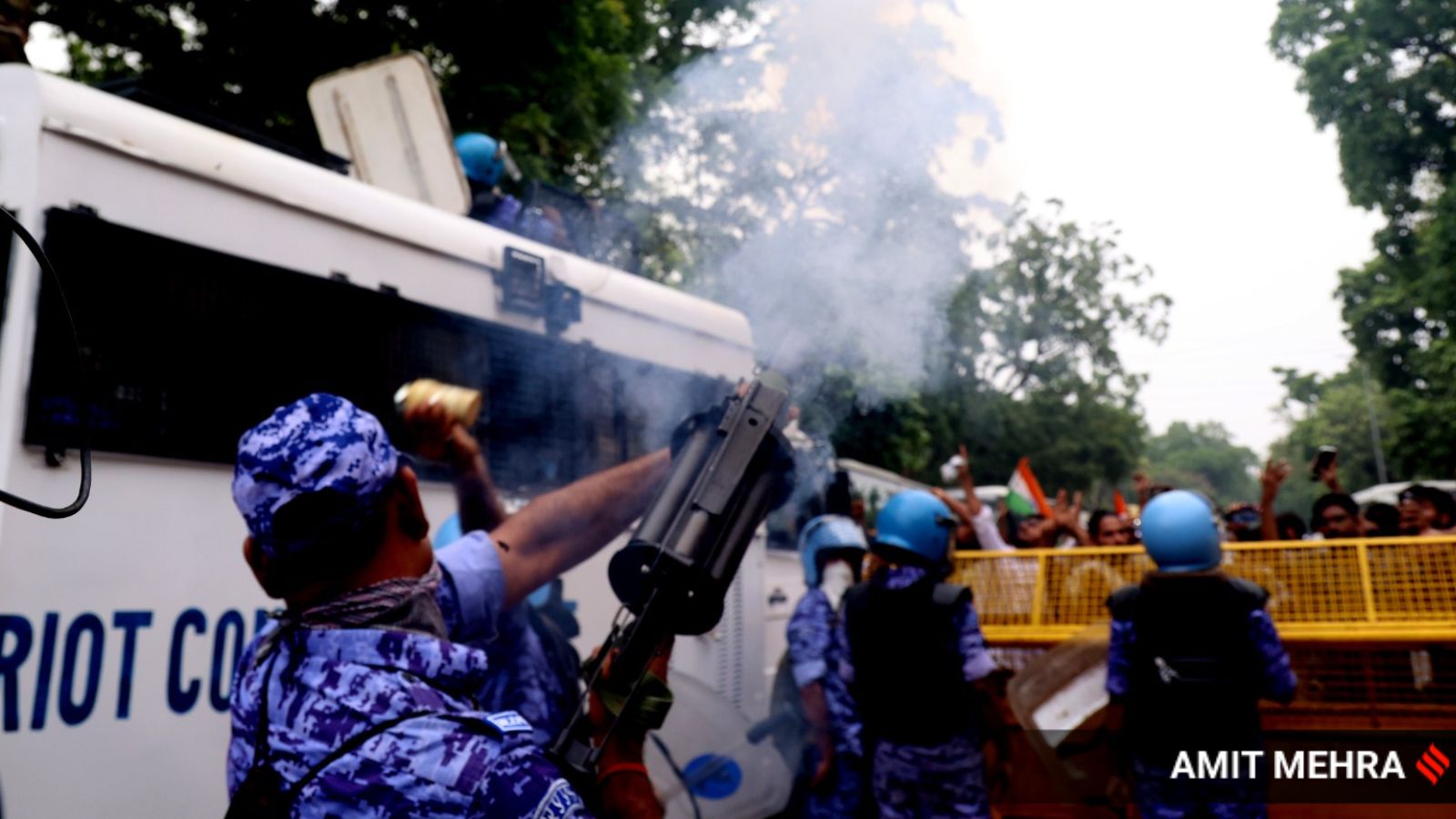
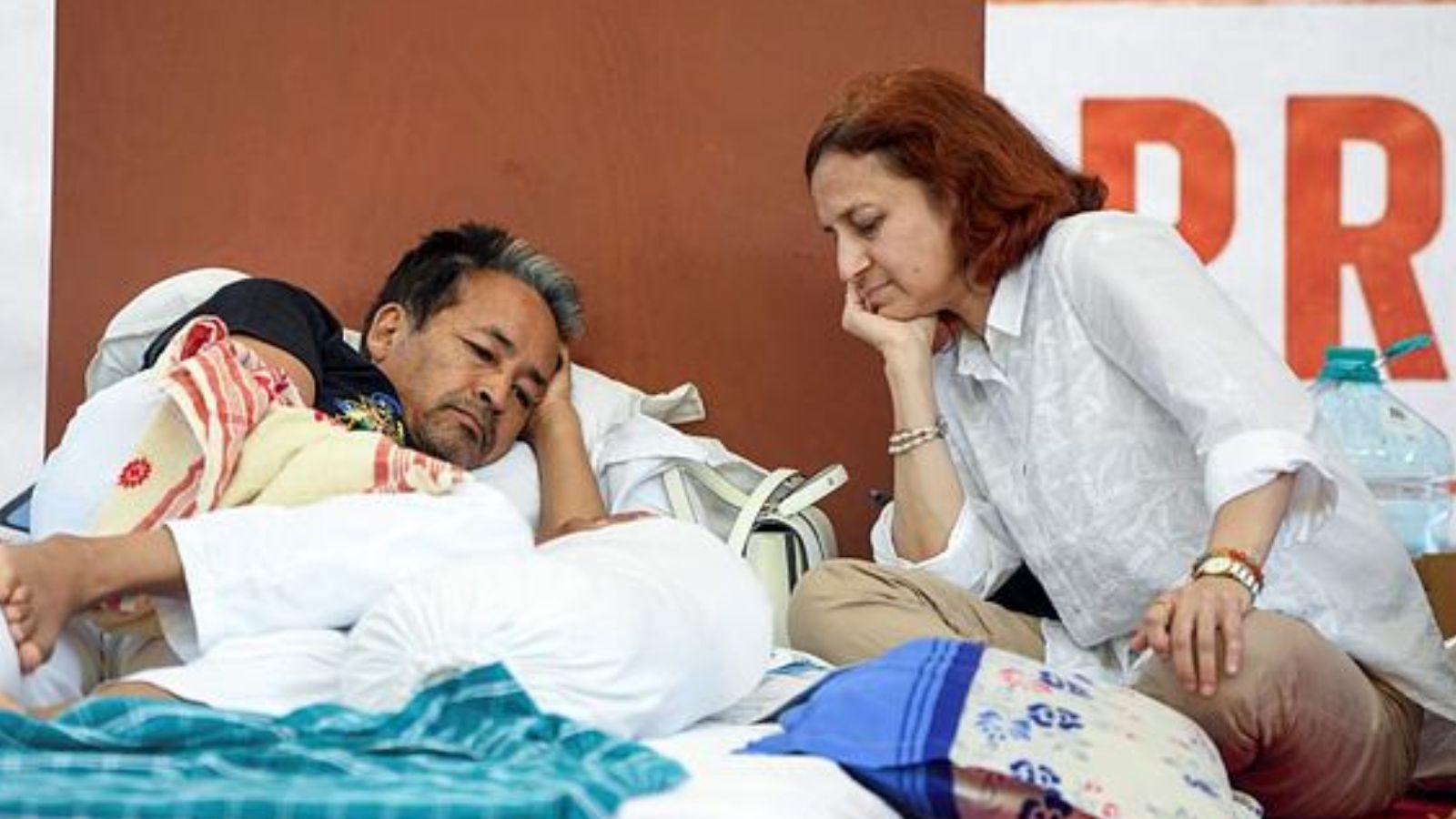
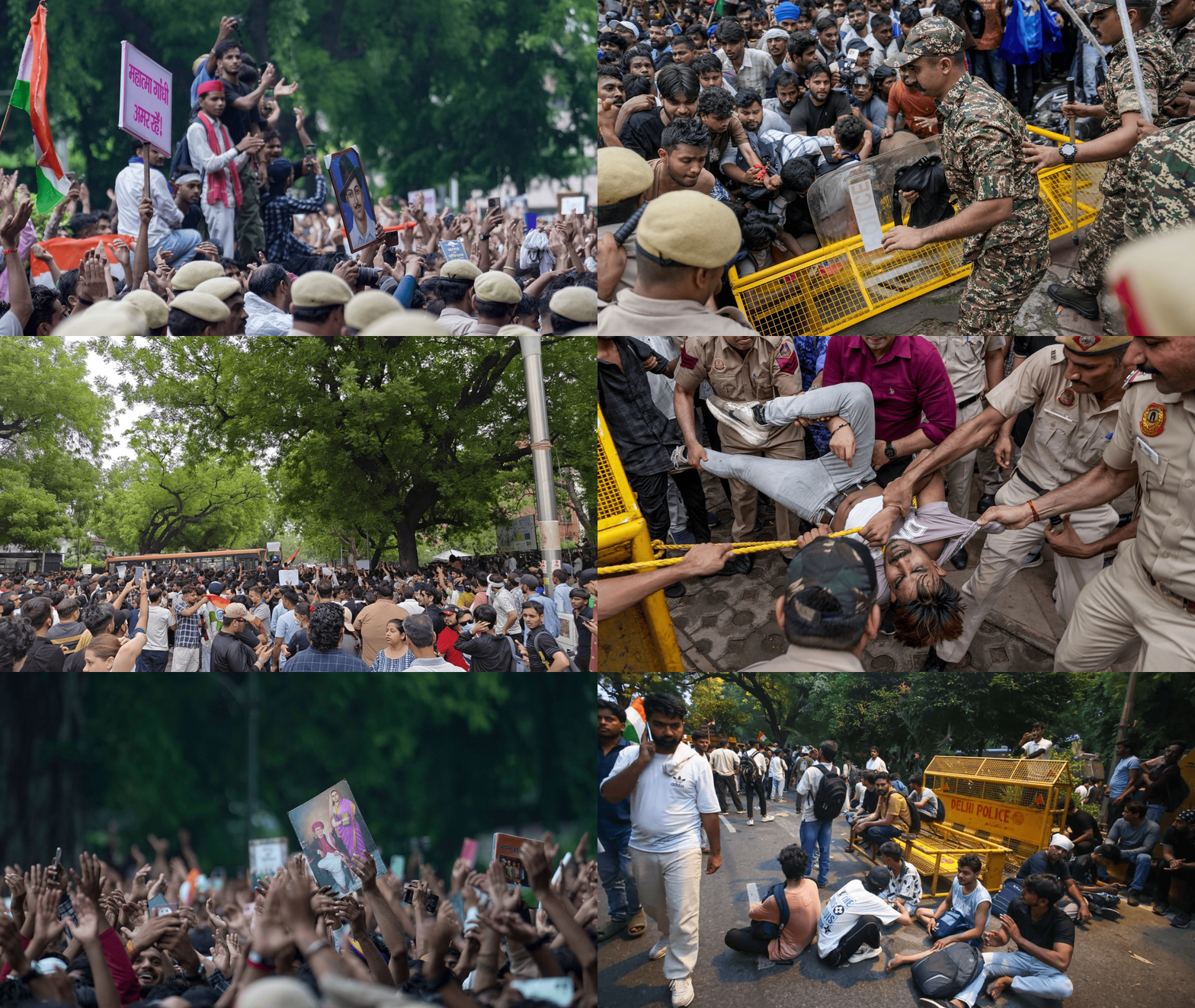
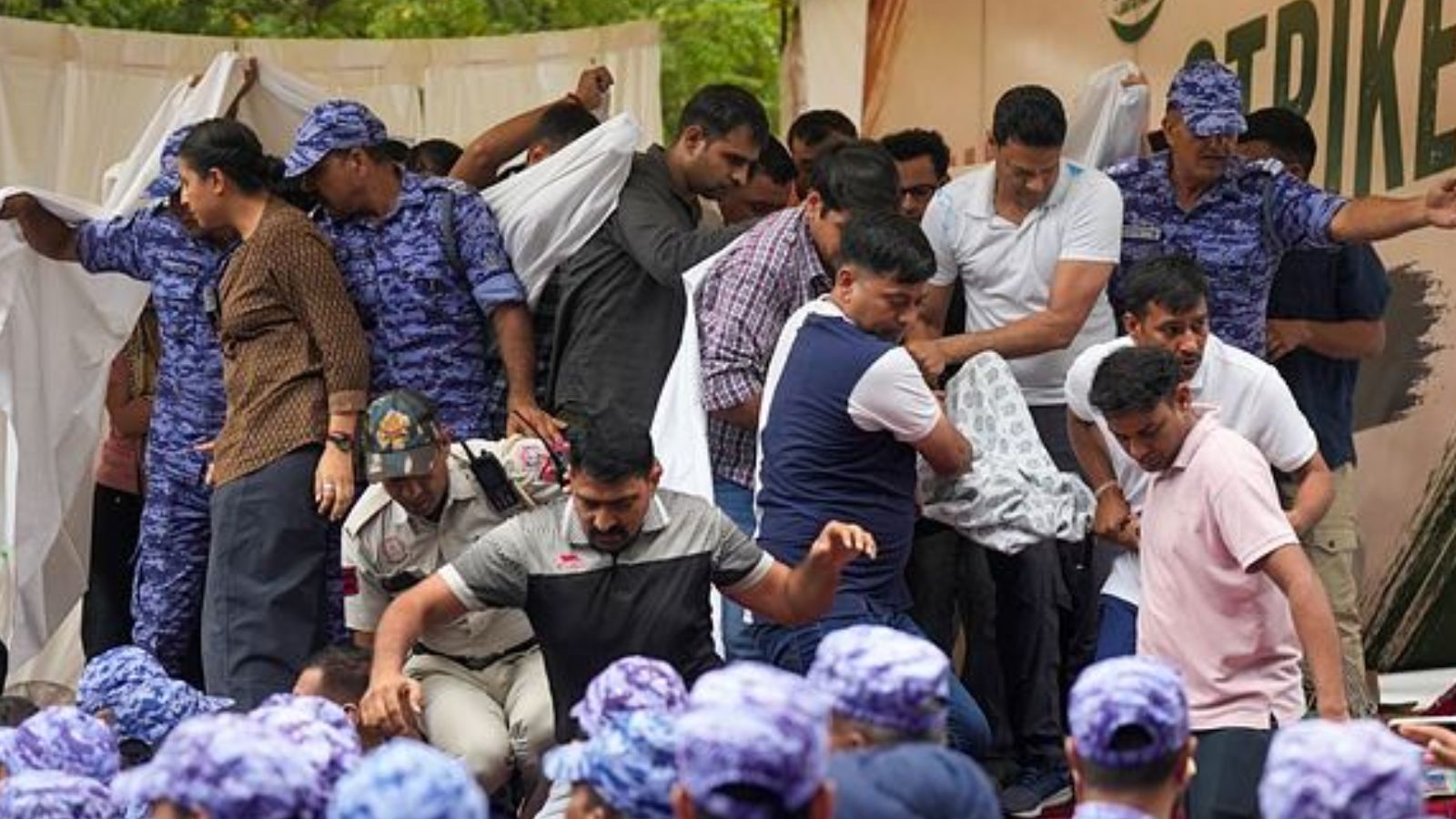
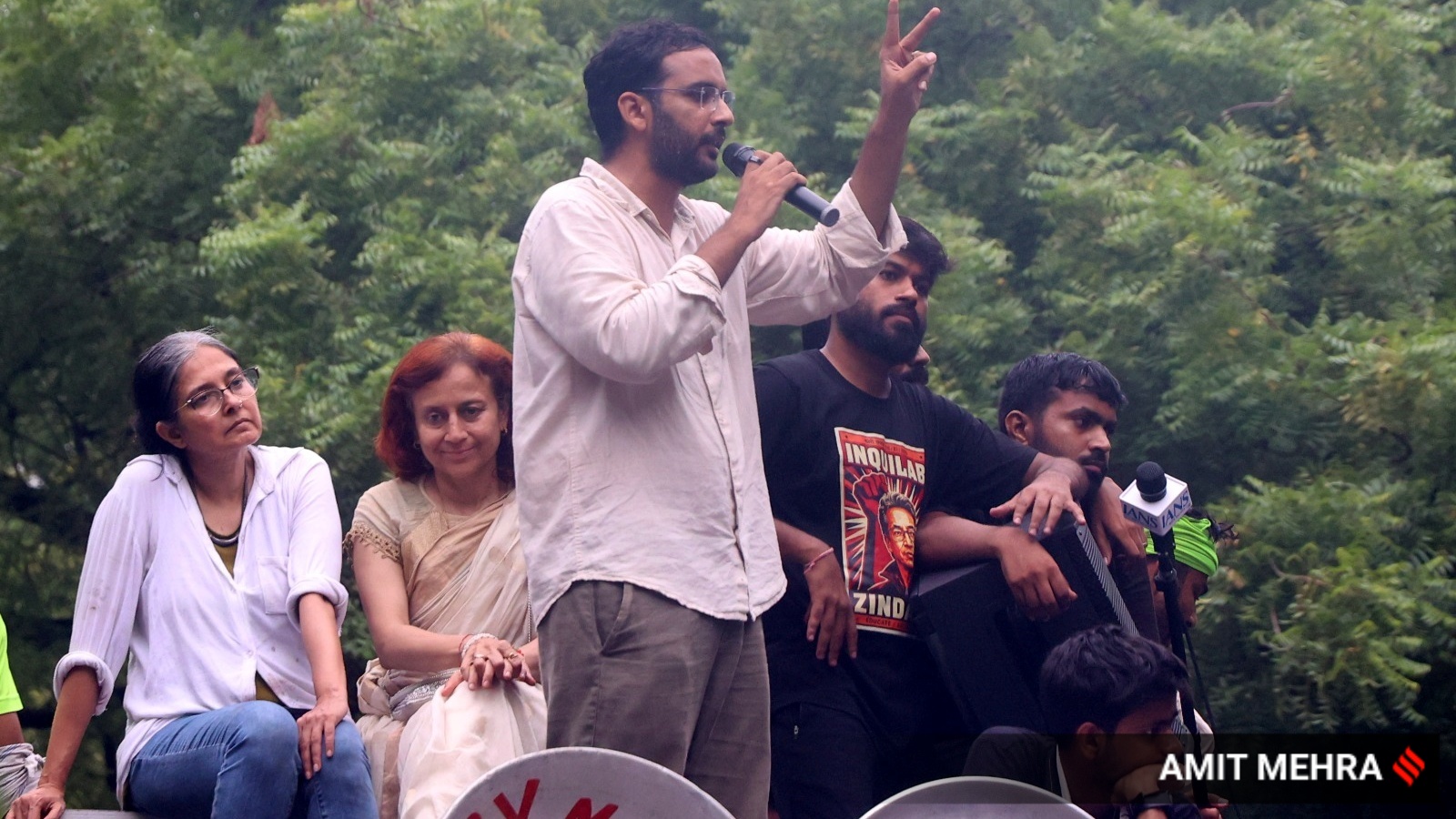
The Ministry of Education under Dharmendra Pradhan has failed to restore confidence in this system. On the contrary, every fresh controversy has deepened public distrust. Thousands of students are on the streets demanding his resignation, including activists sitting on hunger strike for more than two weeks, demanding accountability.
The assault began with India’s premier public universities. Jawaharlal Nehru University, the University of Hyderabad, Jamia Millia Islamia, Tata Institute of Social Sciences and several other institutions became targets of sustained political attacks. Students and teachers questioning government policies were routinely branded “anti-national”, “tukde-tukde gang” or “urban Naxals”.
This was accompanied by financial pressure on public education. Universities repeatedly reported shrinking grants, delays in fellowships, mounting financial constraints and pressure to raise fees. Research funding became uncertain, teaching vacancies remained unfilled, and students from poorer backgrounds faced growing barriers to higher education.
If the first pillar of the BJP’s education policy has been weakening public institutions, the second has been the collapse of credibility in examinations and recruitment. No institution symbolises this collapse more than the National Testing Agency (NTA). Established to bring professionalism and transparency, the NTA has instead become associated with repeated controversies, technical failures, paper leak allegations, arbitrary examination centre allotments and administrative confusion.
The NEET crisis has become the defining example. In 2024, over 24 lakh candidates registered for the examination. Allegations of paper leaks, the controversial award of grace marks to 1,563 candidates, multiple perfect scores, nationwide protests, a CBI investigation and proceedings before the Supreme Court shattered public confidence in the examination process. Before confidence could be restored, an even bigger crisis unfolded. The NEET-UG 2026 examination, taken by around 22 lakh aspiring doctors, was cancelled after the integrity of the examination was found to have been compromised.
The crisis is not confined to NEET. In June 2024, the UGC-NET examination, taken by nearly nine lakh candidates, was cancelled just one day after it was held following concerns about its integrity. CUET, affecting over 13 lakh applicants annually, has repeatedly witnessed technical glitches, postponements, delayed admit cards and controversies over normalisation.
Behind every cancelled examination lies an enormous human cost. Years of preparation, family savings and emotional investment disappear overnight. India has repeatedly witnessed heartbreaking reports of students dying by suicide amid examination stress and recruitment uncertainty. While every such tragedy has multiple causes, together they reflect a system that has become increasingly unforgiving and unpredictable.
Pradhan bears ministerial responsibility for the repeated breakdown of India’s examination system. The scale of the NEET and NTA crises alone warrants his resignation. The struggle, however, is larger than one minister or one government. It is about defending education as a public good rather than a marketplace, a constitutional right rather than a privilege, and a means of nation-building rather than ideological control.
The writer is General Secretary, CPI