

NCERT must heed the lesson in the Court’s rebuke
It must play its role with reassured professional competence and confidence. Let it help prepare the best minds, including those who may serve at every level of the judiciary
The NCERT has disturbed the highest court of India, and its credibility stands bruised. Anger and anguish have been expressed in no uncertain terms by the Supreme Court of India over a section on corruption in the judiciary. One is shocked and disturbed by all that has followed media reports on a certain chapter in a Class VIII Social Science textbook.
On a broader canvas, the institutional relationship between these bodies deserves to be examined to ensure higher levels of professional competence and the delivery of justice to all — whether an individual, an institution, or an organisation. Public institutions are expected to be mutually supportive in their pursuit of excellence. Institutional credibility is a consequence of the competence, commitment, and contributions of its internal professionals.
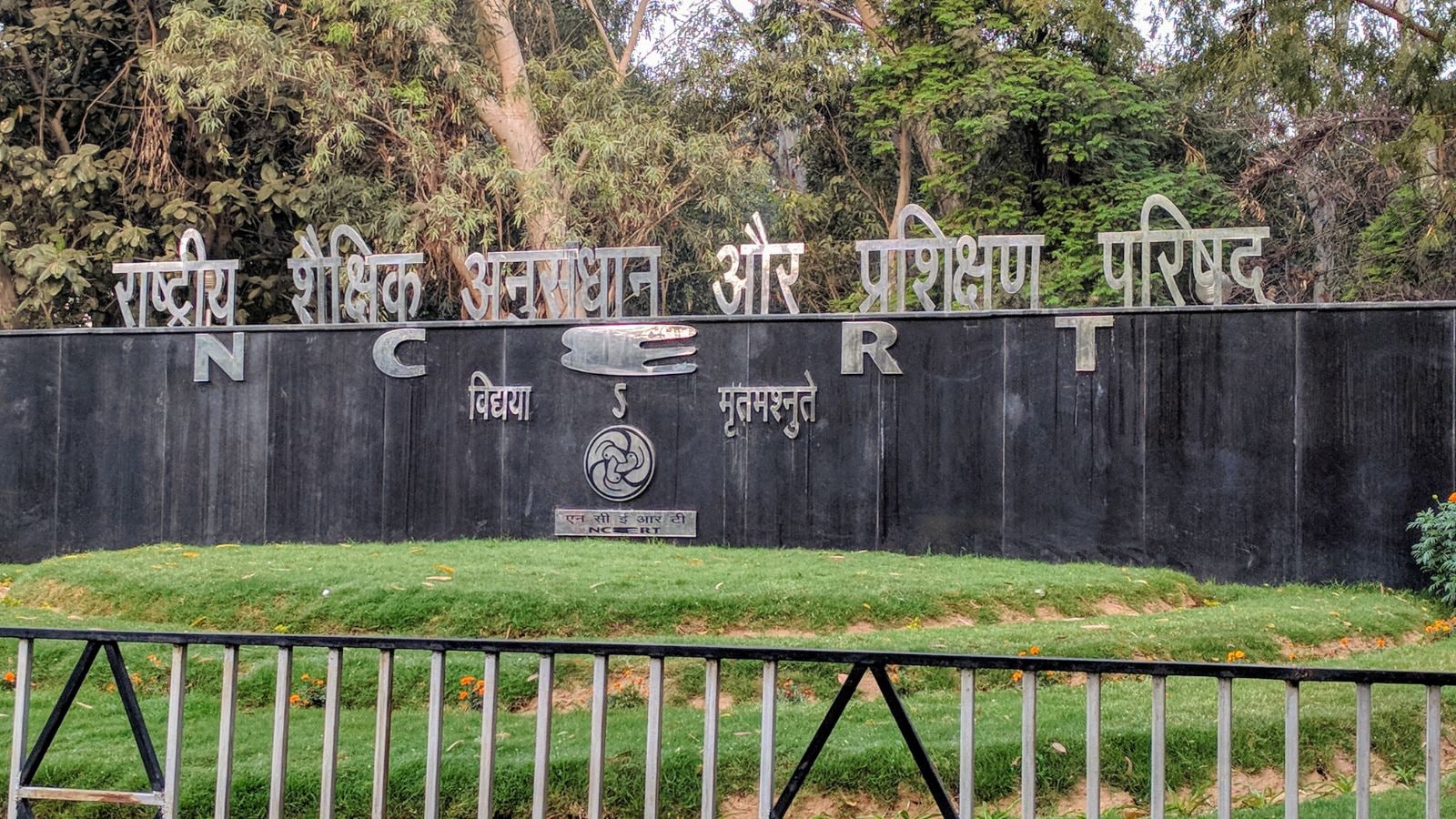
The SC enjoys the trust and confidence of every Indian. There are other institutions that also make Indians proud. The NCERT is one of them, an institution that I served for three decades as a professor, including five years as its director. The NCERT is an autonomous body created and funded by the Government of India. It nurtures the future of India and attempts to transform innocent persons into responsible personalities. It sustains dynamism in education and prepares the young in their pursuit of knowledge. The judiciary at every level consists of judges and lawyers who hold the NCERT in great respect. From extensive personal experience, one can say that they have never hesitated to express their gratitude to the organisation.
However, the section on corruption in the judiciary has exposed vulnerabilities in the preparation of textbooks and, it must be stated unhesitatingly, dented the credibility of the NCERT, credibility that has been built over six decades by its academics, many of whom have enjoyed great reputations for their illustrious contributions.
The SC passed a judgment on March 11, imposing a ban on three senior professionals in connection with the chapter on corruption. Their names were included in the submission made by the NCERT to the Court. Presumably, they never got an opportunity to present their case. None of them is an NCERT academic, yet their reputations stand tarnished. As a lay person, fully conscious of one’s own inadequacies, one wonders whether such a situation should be inflicted upon any citizen without being given an opportunity to present his or her version.
One also wonders how the NCERT could publish books without ensuring that someone is fully responsible for suitability of the content. The NCERT has around 500 academics, including teachers. The practice followed in the preparation of textbooks up to 2004 was to solicit expert advice from across the country to ensure the national character of the output, but the final responsibility rested with the regular academic experts of the NCERT. Morally and ethically, every word published by the NCERT is the responsibility of the director. It may appear harsh on my part, but an organisation entrusted with educating the young in human values must also practise those values. Autonomy necessarily brings accountability. The ministry cannot be faulted for what is fully and completely the responsibility of the NCERT.
I was privileged to be a member of the committee set up by the Government of India under the chairmanship of Chief Justice J S Verma to conceptualise ways to teach Fundamental Duties to citizens. Though the focus was on duties, it was not possible to do justice to the assigned task without bringing in the mutuality of rights and duties, fundamental rights included. The report quoted Mahatma Gandhi: “I learned from my illiterate but wise mother that all rights to be deserved and preserved come from duties well done.” It deserves to be recalled and analysed in the present context.
The NCERT must play its role with reassured professional competence and confidence. Let it help prepare the best minds, including those who may serve at every level of the judiciary. Let the NCERT receive the reverence of a national guru from everyone, including the Supreme Court of India.
The writer, former director of NCERT, works in education, social cohesion and religious amity