

NATO’s transformation opens possibilities for India
The dilemma is Russia, which remains one of India’s major defence partners and an important energy supplier. At the same time, India has deepened strategic ties with the US and Europe
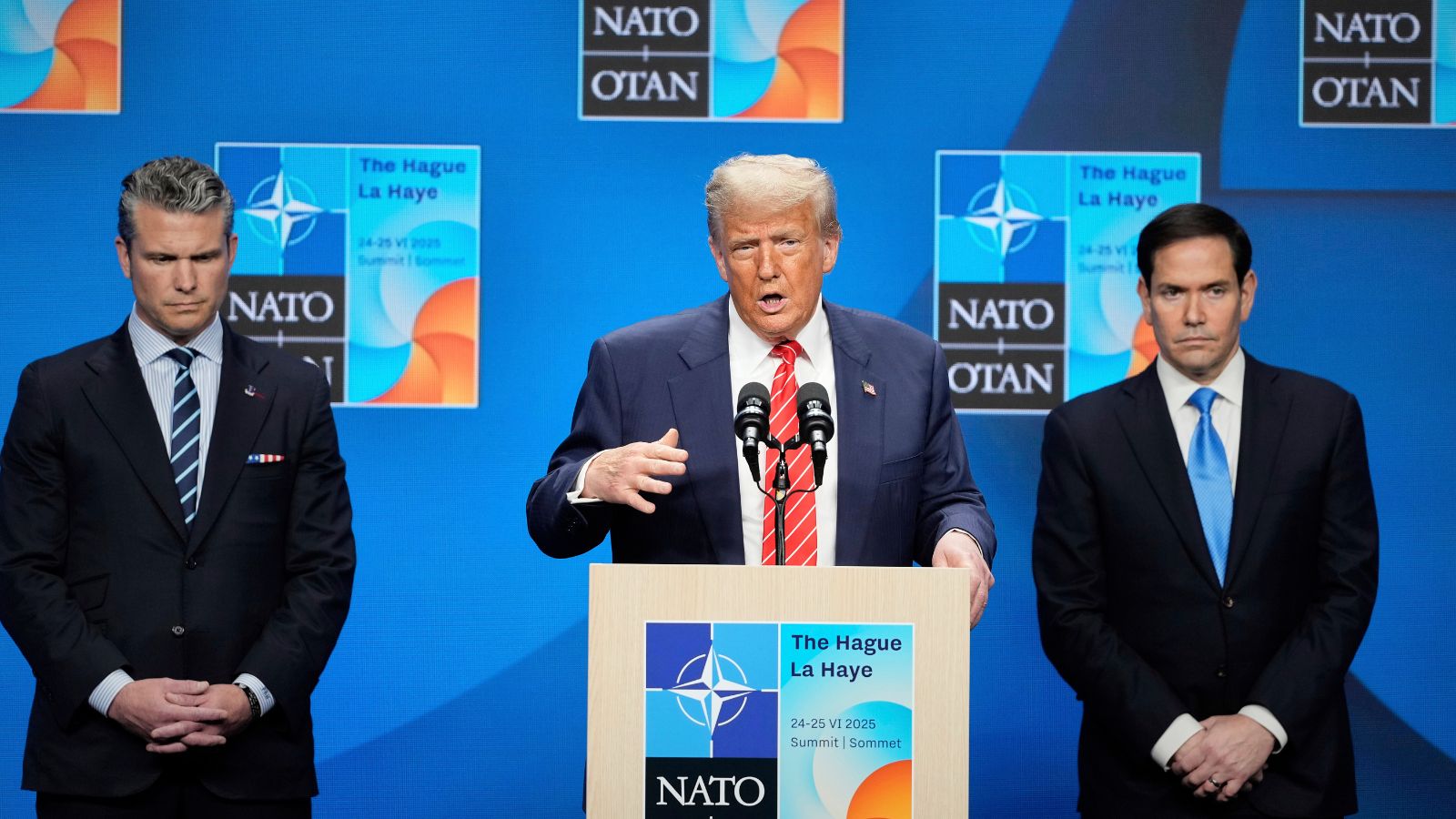
The 2026 NATO Summit held in Ankara a few days ago confirmed that the alliance is entering a new era of strategic transformation rather than strategic decline. Ukraine remains central, but NATO’s ambitions now go much further. It is preparing for a world shaped by long-term rivalry, technological competition and unstable supply chains. This shift matters for India.
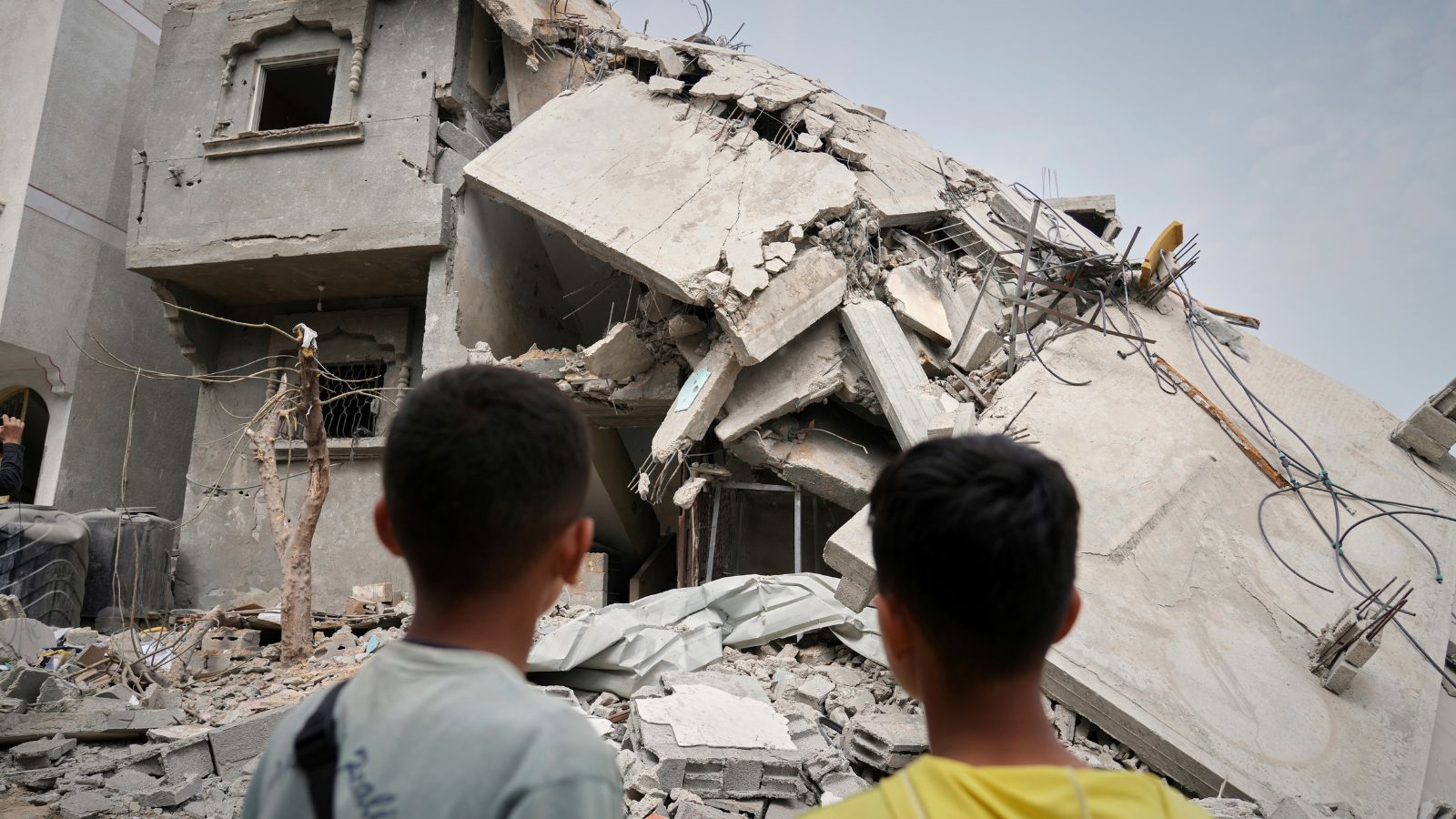
The first message from Ankara is clear: Russia will remain NATO’s principal security challenge for years to come. Even if the war in Ukraine eventually ends, NATO has decided that deterrence must become permanent. The second message is equally significant. Europe is being asked to do much more for its own security. The United States remains indispensable, but Washington is increasingly unwilling to carry the burden alone. Higher European defence spending marks a redistribution of responsibility within the transatlantic alliance. The third lesson is perhaps the most important. Modern wars are won not only on the battlefield but also in factories and laboratories. The Ukraine war exposed serious weaknesses in ammunition production, missile manufacturing and defence supply chains. Technology is completing this transformation. AI, cybersecurity, quantum computing, autonomous systems and space capabilities are no longer future concerns. They are today’s strategic priorities.
India is not a NATO member. Nor is it likely to become one. But India’s security environment is increasingly shaped by decisions taken far beyond its neighbourhood. Europe’s growing investment in defence opens new possibilities for India’s defence industry. Indian firms can become partners in supply chains that are being diversified away from excessive dependence on a few countries. India’s ambition to become a global manufacturing hub fits well with Europe’s search for trusted partners. If New Delhi moves quickly, defence cooperation can become part of a broader technology and industrial partnership. Further, NATO’s strategic outlook is no longer confined to the Atlantic. It increasingly links European security with developments in the Indo-Pacific, maritime security, critical technologies and supply chains. This reflects a broader reality: Security today is interconnected. A disruption in one region can quickly affect another. For India, this creates both opportunities and dilemmas. The opportunity lies in expanding cooperation with European countries on maritime security, cyber resilience, critical technologies and defence innovation. The dilemma is Russia, which remains one of India’s major defence partners and an important energy supplier. At the same time, India has deepened strategic ties with the US and Europe. As NATO’s confrontation with Moscow becomes more entrenched, balancing these relationships will become more difficult.
This is precisely why India’s policy of strategic autonomy — working with different partners where interests converge without becoming part of military blocs — remains relevant. New Delhi should avoid the temptation to see NATO only through the prism of the Ukraine war. The real story is much larger. NATO is evolving into an organisation where defence, technology, industry and economic resilience are increasingly interconnected. That evolution will shape global standards, defence innovation and strategic partnerships. Instead of asking whether NATO is relevant to India, policymakers should ask: How can India benefit from Europe’s security transformation while preserving its strategic autonomy? Done well, India can gain economic and security advantages from the transatlantic rearmament wave. Handled poorly, the same wave could push New Delhi into costly dependencies and strategic choices that weaken the very autonomy it has worked hard to preserve.
The writer is assistant professor, Centre for European Studies, School of International Studies, JNU