

With uncertainty looming, challenges and opportunities for India’s Act East policy
Although the Trump administration is weaning away ‘Indo’ from the Indo-Pacific, the ground reality of hyphenation cannot be ignored in the long run, particularly in light of China’s increasing assertiveness
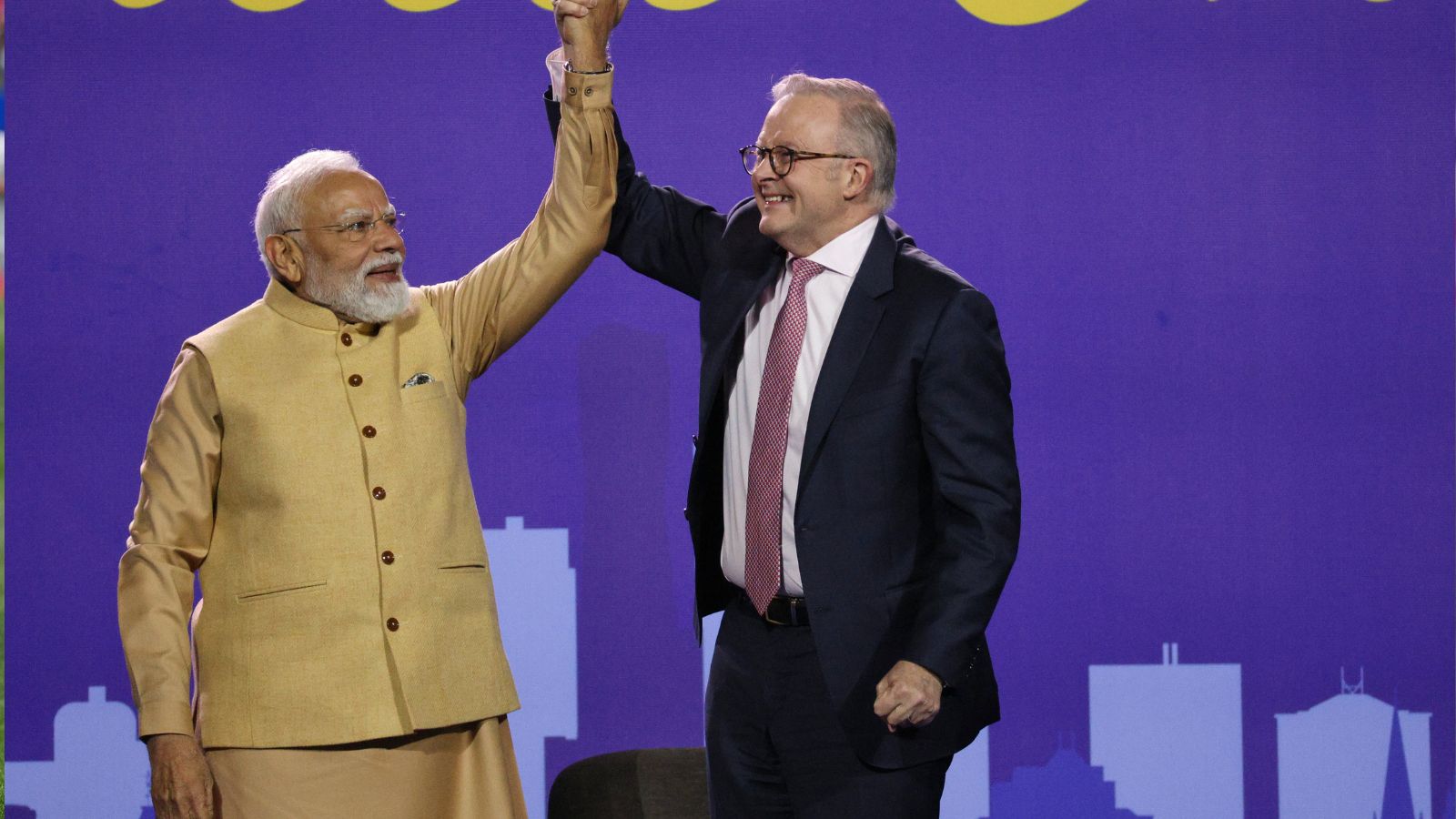
Prime Minister Narendra Modi’s recent visit to Indonesia, Australia and New Zealand is significant for India’s Act East Policy. India’s foreign policy witnessed a strategic shift when he declared at the 12th ASEAN-India Summit (2014): “Externally, India’s ‘Look East Policy’ has become ‘Act East Policy’.” The change, however, went beyond nomenclature, reflecting the new realpolitik underlying India’s approach to the east. The objective of the Act East Policy is to promote economic cooperation, strengthen cultural ties and develop strategic relationships with countries in the Indo-Pacific. The engagement was to be at both bilateral and multilateral levels.
India has historical linkages to East Asia, especially in the domains of culture and trade. It was officially revived through the Look East Policy (1991), focusing mainly on Southeast Asia and on the economic sector. Geographically, it extended beyond Southeast Asia to include the wider Asia-Pacific. In the words of Prime Minister Modi himself, “For too long, India and the United States have looked at each other across Europe and the Atlantic. When I look towards the East, I see the western shores of the United States.” The sectoral scope went beyond economics to include issues of security, culture and connectivity. Both hard and soft power aspects of foreign policy were incorporated.
New Delhi wished to correct the “historic neglect” of the Asia-Pacific region and was willing “to shoulder greater global responsibilities”. This confident foreign policy stance was well received by the countries of the region and beyond. The United States, for instance, expected “India to be a partner and net provider of security in the Indian Ocean and beyond”. The emergence of the Indo-Pacific as a new geopolitical concept and the revival of the Quad among four democracies reflected these broader strategic shifts. Although the US is weaning away “Indo” from the Indo-Pacific, the reality of hyphenation cannot be ignored in the long run, particularly in light of China’s increasing assertiveness. Several non-conventional threats like IUU fishing, piracy, trafficking in drugs, humans and arms, illegal migration, and natural disasters also necessitated collective action. India’s SAGAR, IPOI and MAHASAGAR initiatives must be seen in this milieu.
The policy is not without its challenges. India has of late been confronted with political instability in its neighbourhood: Pakistan, Myanmar, Bangladesh, Nepal and Sri Lanka. India also confronts inconsistencies in the positions of extra-regional powers like the United States. The Act East Policy should also not look overly strategic, upsetting overall regional stability. The lack of adequate infrastructure in Northeast India to offer as a gateway to East Asia is another hurdle. Despite all this, the Act East Policy has enhanced partnerships with ASEAN, positioning India as a responsible maritime power, strengthening cooperation with like-minded democracies, and giving voice to the concerns of small island nations. Tehyi Hsieh’s observation seems particularly apt today: “The West can teach the East how to get a living, but the East must eventually be asked to show the West how to live.”
The writers are respectively director and research affiliate, Centre for East Asian Studies, Christ University, Bengaluru