

Why is India Inc not investing? It wants certainty; the government loves surprises
If Prime Minister Narendra Modi really wanted those FICCI suits to invest, the speech he needed to give would have taken two minutes. All he had to do was promise them that he would never again surprise them or interfere in their affairs.
Suppose someone pushed you off a cliff without warning. Later, if the same man invites you to a hilltop picnic, promising glorious views and a feast, would you go? The answer to this is also the answer to Prime Minister Narendra Modi’s question to India Inc — why are you not investing enough, creating well-paying jobs and producing high-quality goods?
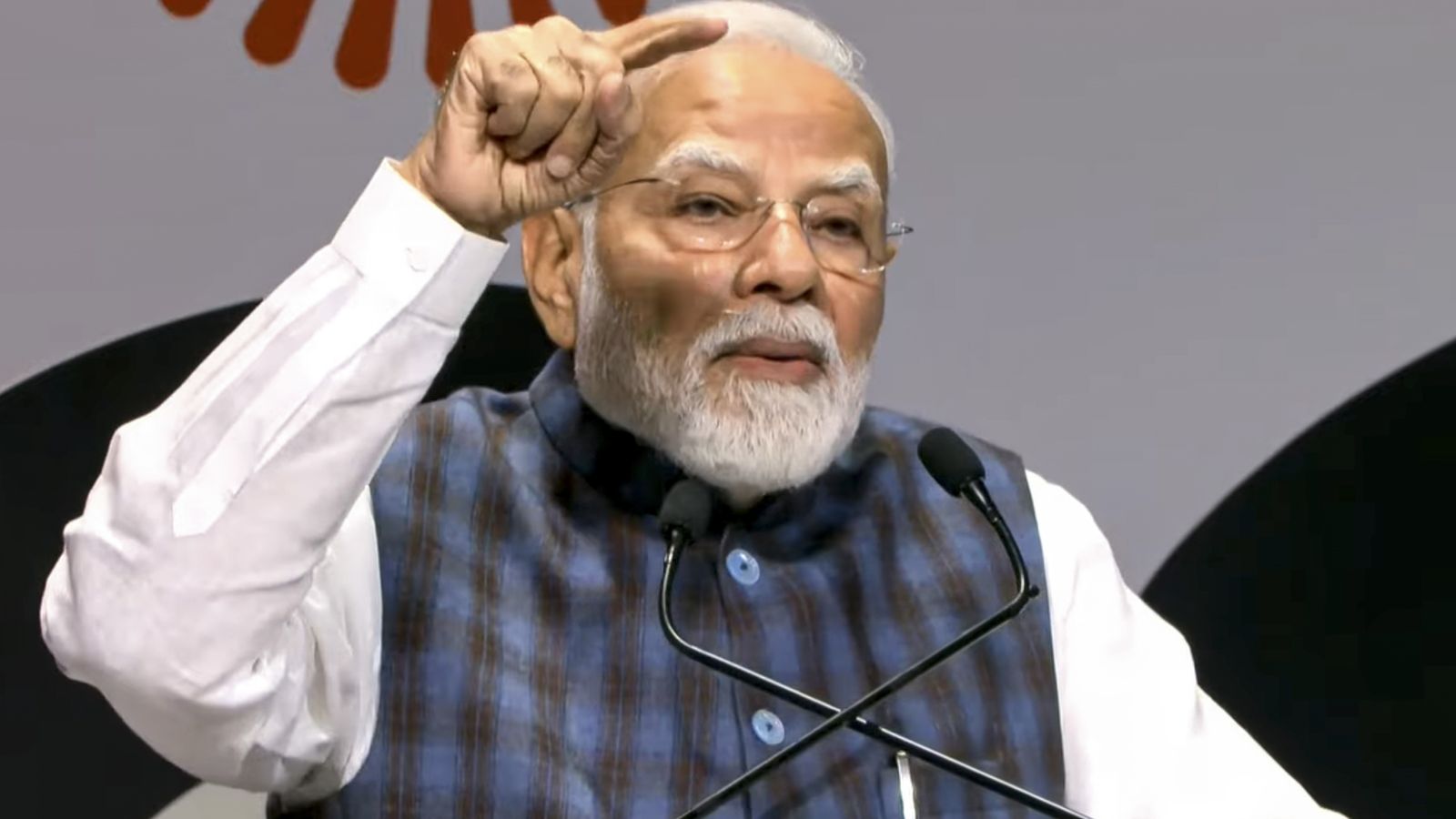
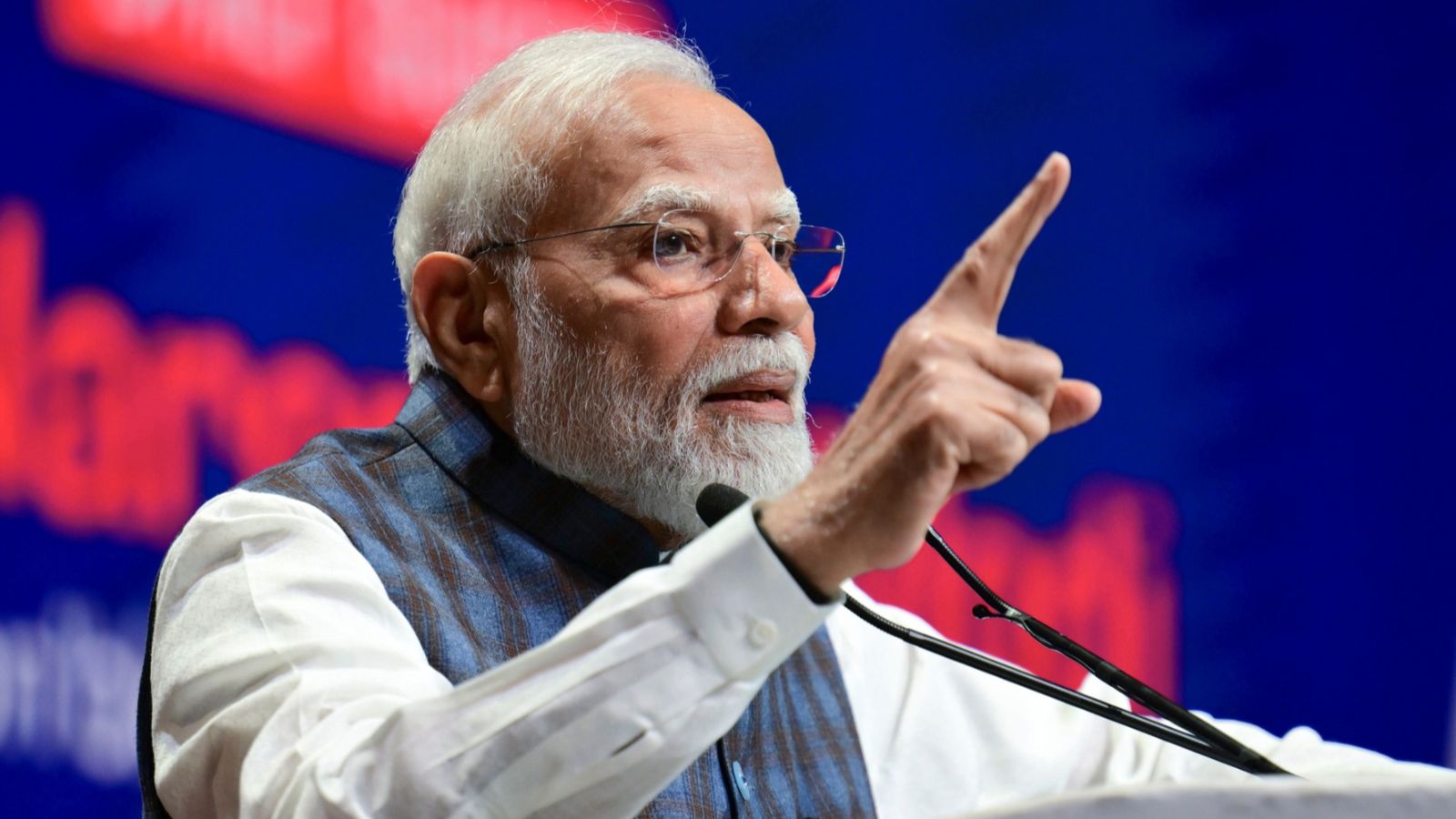
For 33 minutes at last week’s FICCI annual conclave, PM Modi scolded the country’s top industrialists. “I cut corporate tax, yet you did not invest. I raised the income tax threshold, but you did not raise salaries or hire more people. You ran away from agriculture. You produce poor-quality goods for Indian consumers,” he said.
Modi is absolutely right about the symptoms of India’s economic disease. Nearly $100bn was given away as tax cuts to corporate India since the cut of 2019. That’s almost what the Union government has spent on education since then, reflecting a misguided belief in ‘trickle-down’ economics, that the tax cuts will spur investment and create jobs.
Corporates pocketed the savings and eschewed investment. Their savings (retained profits) rose to 11.2 per cent of GDP in 2023 from 10.5 per cent before the cut, and investment remained stagnant at 12 per cent of GDP. Not enough jobs have been created by private industry over a decade, disillusionment over which brought young people to Jantar Mantar after an alleged paper leak. PM Modi also suffered the ignominy of thousands of unemployed youth forcing out his cabinet minister. He is right to be livid.
Who ended up paying for this $100bn corporate bonanza? The middle class. For the first time in India’s recent history, salaried individuals are paying more income tax than companies. The middle class is subsidising the boardroom.
Back in 2014, Modi announced a grand Make in India scheme that has cumulatively set aside roughly $30 billion in outlay for corporates to increase manufacturing’s share of GDP to 25 per cent. Twelve years later, forget an increase; the share of manufacturing has come down. One can almost sympathise with Modi’s outburst against the corporates’ “betrayal”.
But these supposed corporate betrayals are just the second half of the story of India Inc spurning Modi’s red-carpet invitation to invest. The reasons can be found in the first half of the story, in which corporates were being pushed over the cliff, unaware.
When you render the nation’s entire currency stash worthless suddenly and instantly, you create scars that last long. When you declare a nationwide lockdown in four hours, leaving workers and businesses stranded, plans are shelved, payrolls are slashed, and boardrooms learn never to bet big again.
When the Enforcement Directorate turns super-aggressive and three times more corporate charges are filed than in the previous tenure, every promoter knows the process is the punishment and looks to flee abroad with their money (Indian corporates now invest three times more money abroad than before).
When the top leadership of one of India’s most respected business groups is summoned to the Delhi home of the Home Minister with the Finance Minister in attendance, then the message in this ostensibly suo motu intervention in its internal affairs rings loud in Mumbai — no company is too big to be summoned, and a Delhi sign-off for important decisions is implicitly needed.
And then the real elephant in India’s corporate boardrooms: When one business group grows 15 times in market value, triples its market share in ports, enters eight new sectors and corners a significant share of state-owned banks’ loans because it is apparently the “chosen” one, then every promoter comes to believe that the game is rigged, the umpire has a favourite and the smartest bet is to not play at all. Private investment has not vanished; it has been monopolised.
Businesses want certainty. Modi loves surprises. The two cannot coexist.
Ironically, even the one piece of good news corporate India received arrived as a shock. The corporate tax cut of September 2019 was not announced in the Budget speech, where such decisions belong and where boardrooms wait for them. It came barely two months after the Budget, sprung on an unsuspecting nation at a press conference in Goa. Markets soared for a day. Investment did not follow for a decade. A gift delivered as an ambush is still an ambush. What CFOs learnt that morning was not that taxes had fallen, but that anything could change, anytime, without warning.
That irony sums up the fundamental clash at the heart of this government’s economic management. Businesses plan in decades; this government governs by surprises. A steel plant takes five years to build and 25 years to pay back. A refinery, a port, a chip fab, each is a bet that the rules of today will still hold in 2045. When the rulebook can be rewritten overnight, by a midnight address, a four-hour lockdown notice, a summons to a minister’s home or a tax notice bigger than a company’s revenue, no spreadsheet can price the risk. So, the rational promoter does the only rational thing left. She waits.
None of this is a secret. The economic advisers and bureaucrats in Modi’s circle know it too. They are simply too scared or servile to tell him. Yet a middle-school student could have told the PM why India Inc is not investing. You cannot push someone off a cliff and then wonder why they decline your picnic invitation.
If Modi really wanted FICCI suits to invest, the speech he needed to give would have taken all of two minutes. All he had to do was stand up, promise them that he would never again surprise them or interfere in their affairs, no more overnight bans, no more knocks on the door and no more chosen ones. Instead, he chided, exhorted, lectured and taunted them for 33 minutes. Sermons do not unlock capital.
No prizes for guessing how corporate India will respond. It will do what it has done for a decade: Applaud publicly and tighten its wallet privately.
The writer is a Member of Parliament from Tamil Nadu & chairman of Data Analytics of Congress