

Missing link in India’s natural-birth story: Midwives
In 2008–09, C-sections accounted for about 6.4 per cent of institutional births in India. By 2024–25, that figure had crossed 27 per cent. The WHO recommends 10–15 per cent as the optimal population-level rate
Let’s consider two women — one in a remote tribal village, delivering at home in the dark, with no trained personnel nearby; the other in a private hospital in a top-tier city, being wheeled into an operating theatre for a caesarean she probably didn’t need.
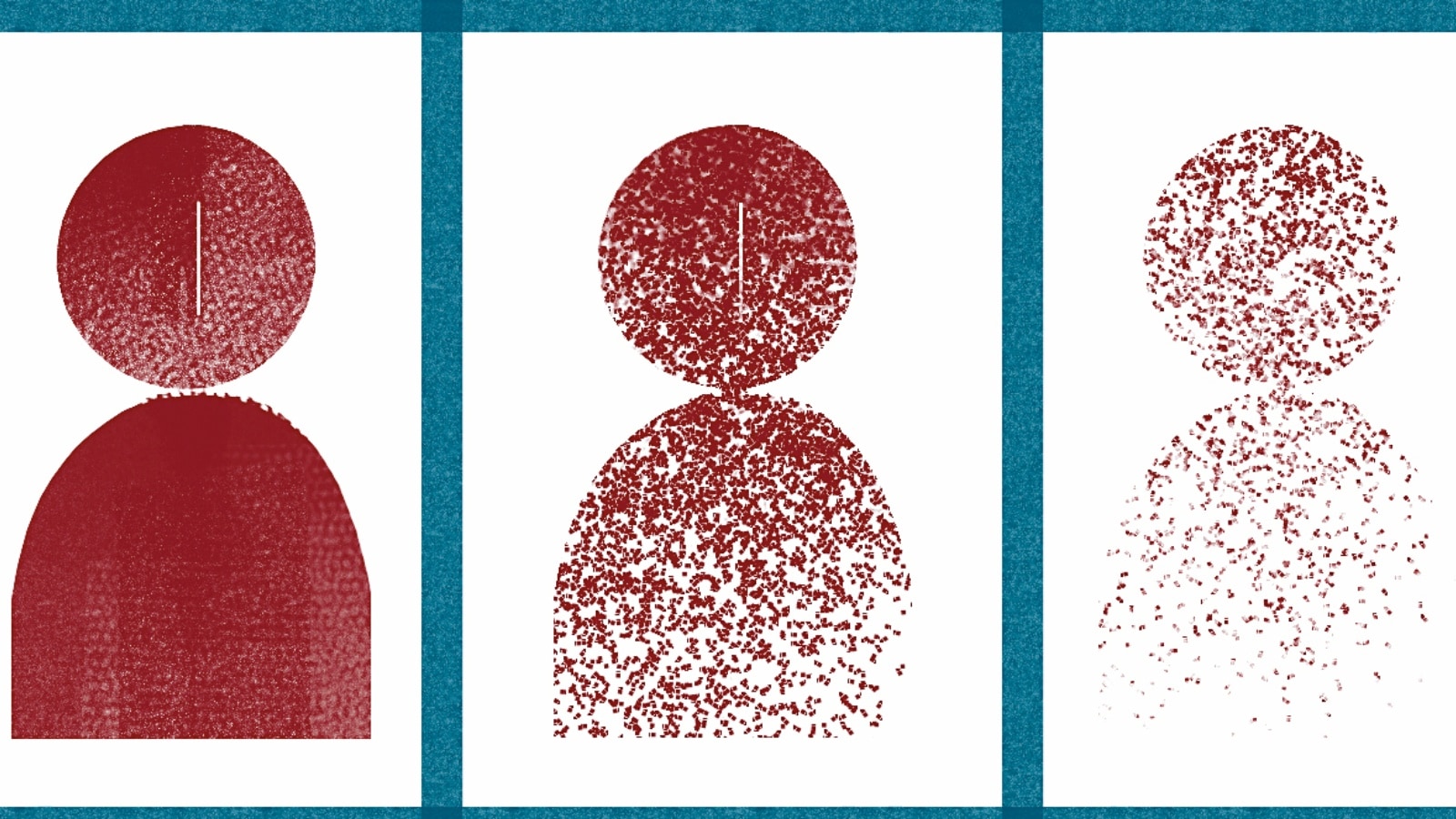
Together, they describe the shape of a crisis hiding inside India’s maternal-health success story. India’s progress is real. The maternal mortality ratio has fallen from 130 per lakh live births in 2014-16 to 93 in 2019-21, and over 33 years, maternal deaths have reduced by 86 per cent — against a global reduction of 48 per cent. These are extraordinary numbers. But it also shows us something sinister.
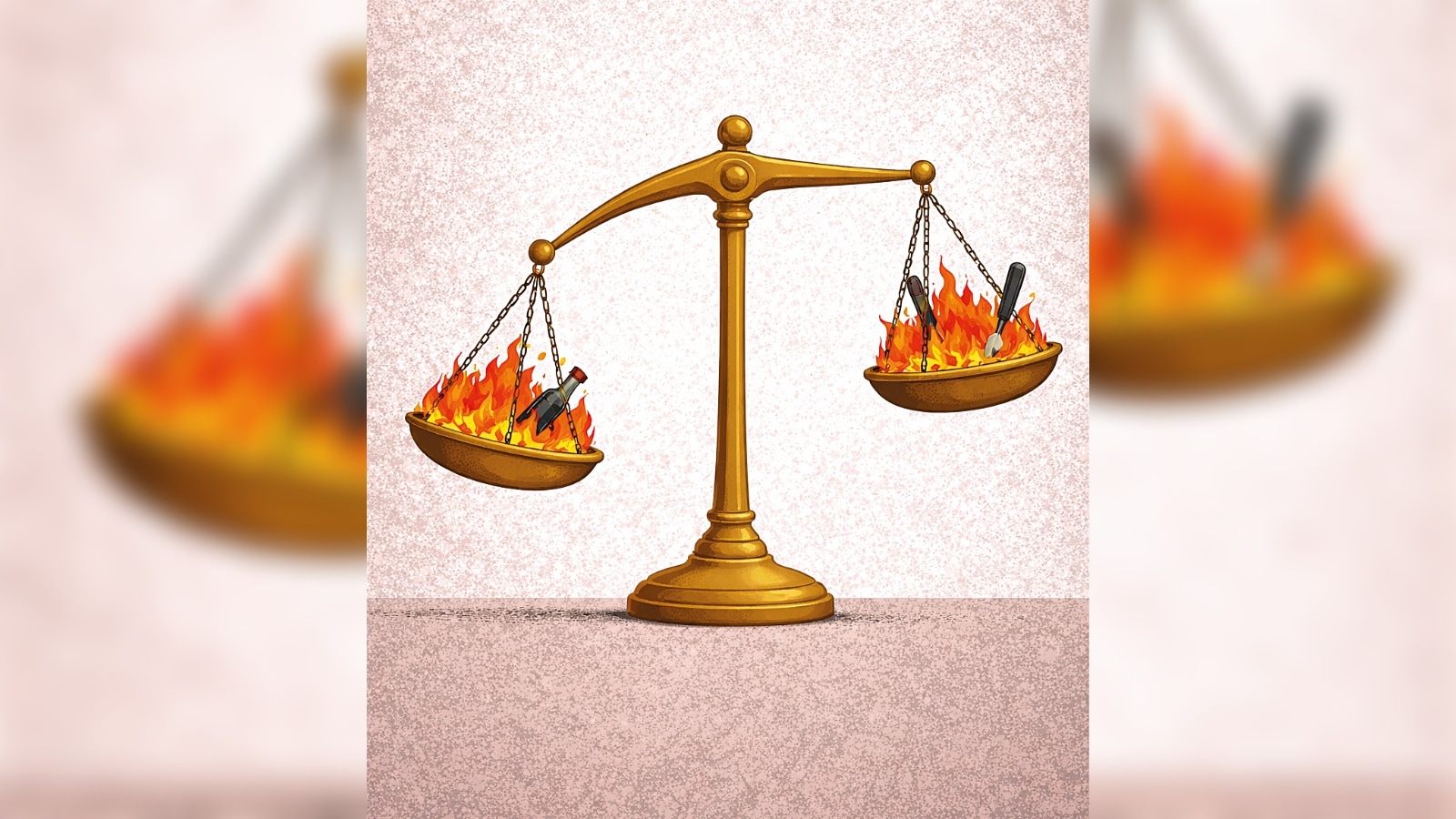
In 2008-09, C-sections accounted for about 6.4 per cent of institutional births in India. By 2024-25, that figure had crossed 27 per cent. The WHO recommends 10-15 per cent as the optimal population-level rate. In private hospitals, the average is now 47.4 per cent. In Telangana, the rate hits 60.7 per cent.
What is driving the scalpel? The answer is partly financial. The cost for a C-section in a small-town private hospital is roughly Rs 40,000, while in large cities it often crosses Rs 1,00,000. Deliveries account for 70 to 80 per cent of the earnings of private gynaecologists. Cultural factors compound this: In parts of India, many women prefer surgical delivery; some families request surgery to align with auspicious dates.
The case against unnecessary caesareans is real. The immediate risks to the mother are well established: Infection, haemorrhage, adhesions, and complications in future pregnancies. Less widely known is that caesarean significantly increases the risk of scar endometriosis — a condition where endometrial tissue implants itself along the surgical wound, causing cyclical pain that can develop years after the birth.
For the child, the science is more tentative. The disruption to gut microbiota at birth is real, but also partially reversible: Exclusive breastfeeding has been shown to restore it. The long-term signals are harder to dismiss: C-section children are more likely to develop respiratory tract infections, asthma, and obesity.
Researchers are, however, careful to note that the underlying conditions that led to the caesarean birth in the first place may be responsible for these. But that caution cuts both ways — if we cannot prove clear causation, we also cannot dismiss the associations.
This is where the conversation about midwifery becomes urgent. A trained professional midwife is not simply a substitute for an obstetrician at a normal birth. She is the person who holds space for a normal birth to happen — who recognises that labour is not a medical emergency, who supports a woman through it without the clock-watching and liability anxiety. Professional midwives are trained to identify risk conditions, and refer to specialists when medically indicated, making surgical intervention the exception, not the default.
India took a right step with the Nurse Practitioner in Midwifery programme in 2018. Approximately 1,500 midwives have been produced to date, far fewer than the nearly 90,000 midwives we would need for the public-health system alone.
The woman in a remote tribal area and the woman in the city need the same thing: Someone who knows how to bring a baby into the world safely — and when not to reach for the scalpel.
The writer is associate professor, IIPHG, Gujarat. Views are personal