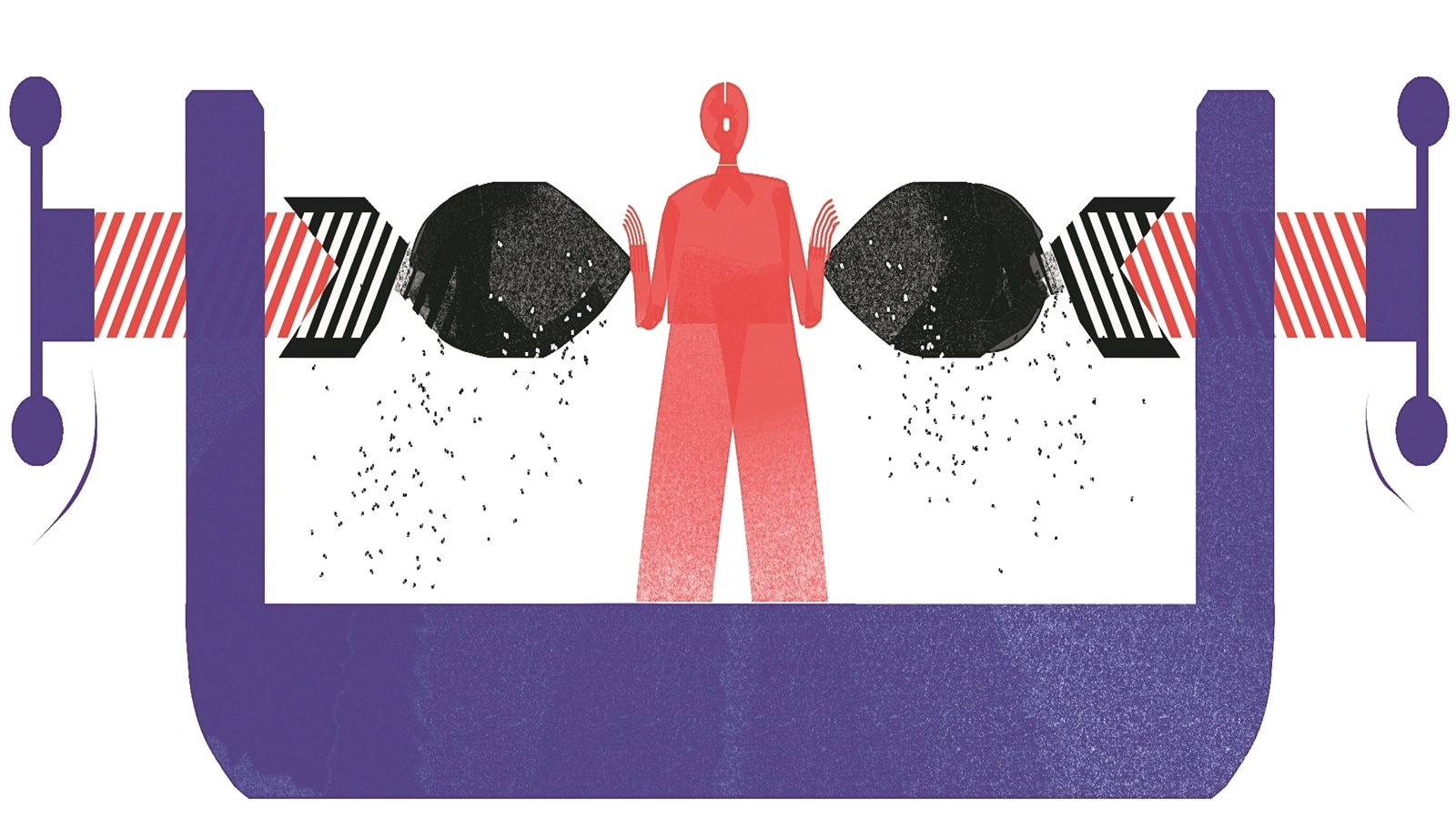


In era of migration, citizenship and ‘civilisational’ anxieties, passport has become a battleground
The idea of migration that the West encouraged not so long ago has, ironically, been met with unprecedented resistance in the West itself
In the past few weeks, the passport has become a story — and has spawned multiple stories. Assam Chief Minister Himanta Biswa Sarma’s wife, Riniki Bhuyan Sarma, was accused by the Congress of secretly holding passports of three nations. Earlier, there was controversy surrounding the British citizenship and Pakistan connections of Assam Congress leader Gaurav Gogoi’s wife, Elizabeth Colburn Gogoi.
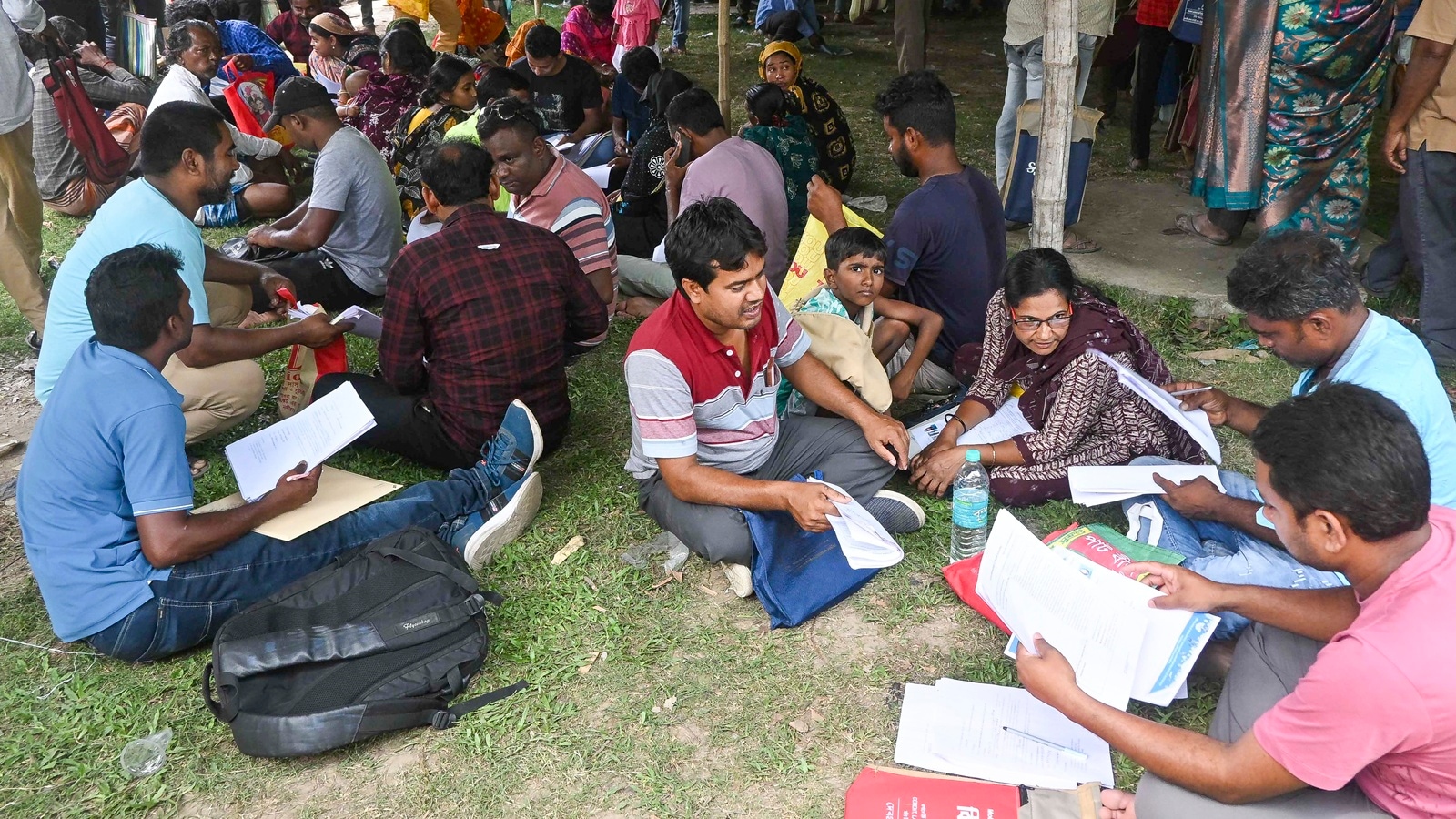
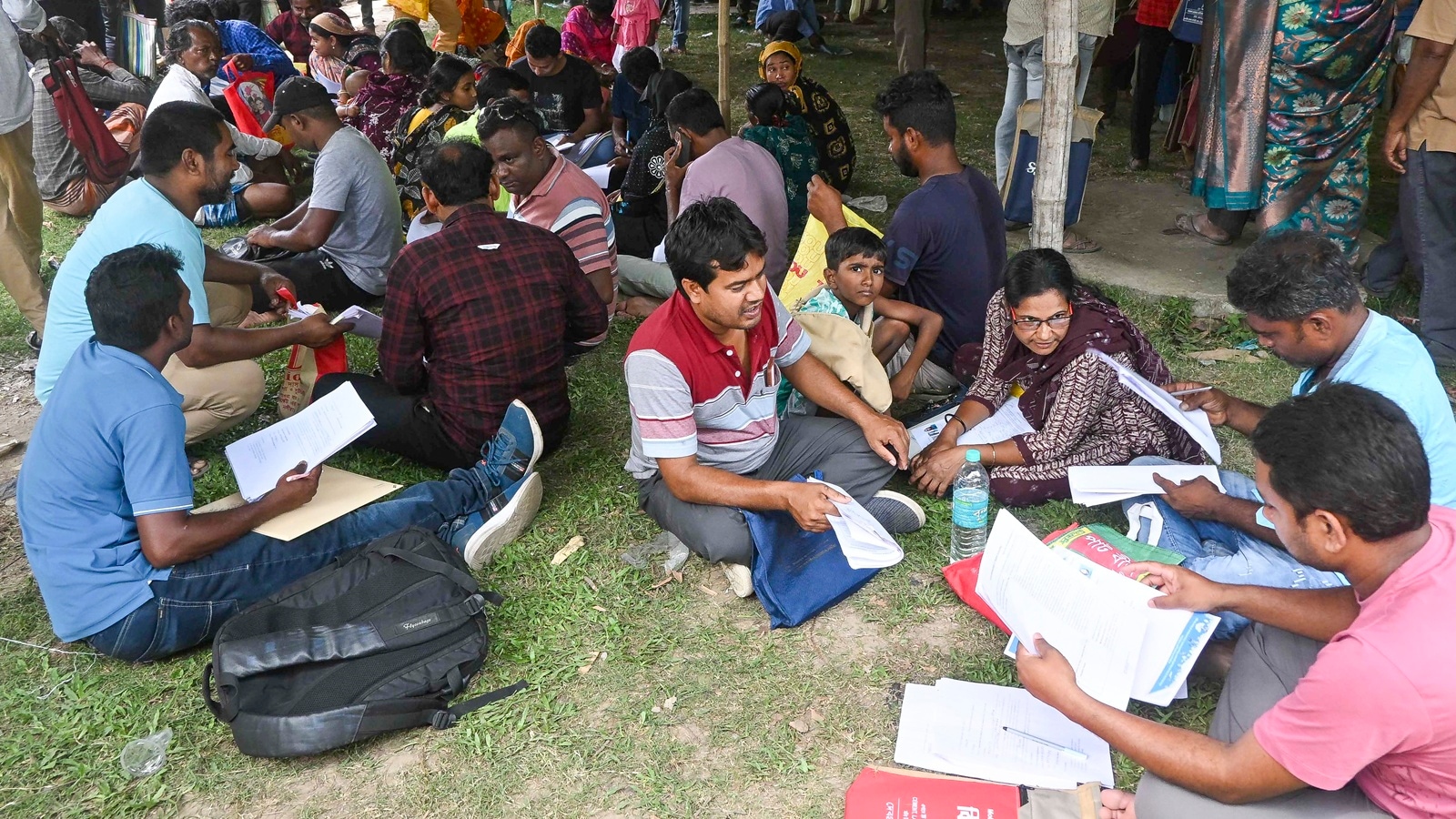
Passport stories emanating from the Northeast do not come as a surprise. It is here that the verification of citizenship, either via the National Register of Citizens (NRC) or the Special Intensive Revision (SIR) of electoral rolls, has taken place. In recent years, identity and documentation have dominated the conversation in this region. The shocks generated there have hit West Bengal too, where a person struck off the electoral rolls asked: “What happens now to my valid Indian passport?”
While these cases broke and developed, another case, given its sensitivity, was being heard at the Lucknow bench of the Allahabad High Court in the second week of April. It pertained to allegations of dual citizenship against Rahul Gandhi, the Leader of the Opposition. He has been accused of secretly holding a British passport.
These individual cases have created verbal volleys, defamation suits, political backlash, and a sense of hurt and betrayal. They merit attention for the impact they may have on voters in a poll season. But there is a larger trajectory to be followed here, and that is of the passport as a document itself — the roller-coaster journey this little dream book has endured in the past quarter-century.
From the blurring of national identities since the 1990s to their aggressive return now, the passport has undergone a kind of image makeover. Rather, it has experienced a restoration. There was a certain docility to the passport when the international order was more or less intact until the 2008 economic crash. But once political hurricanes across continents began to centre on rigid national, ethnic, and cultural identities, the passport acquired new plumes — or regrew its old ones.
Not so long ago, when the language of global cooperation was familiar, when the world was being actively recast as one international community, passports had shrunk as symbols of grand national identity. They were seen for what they were — an essential travel document. A certain embellished openness defined the visas stamped on them, too. This shift took place decisively after the end of the Cold War. When walls and national borders crumbled, the tough protocols that surrounded passports also loosened.
In the new liberal era, speeding up the issuance of a passport became a measure of good governance. India, too, put in place a “liberal passport policy”. Obtaining a passport became part of the package of economic reforms. Money and investment could buy passports and golden visas. Nationality became somewhat purchasable. Tax havens were preferred over emotional affiliations. This was to ensure the economic mobility and migration of citizens to meet the goals of wealth creation across the world. There were only markets to worship in the era after the Cold War, not motherlands or fatherlands.
The passport was no longer the possession of a select few because the entire citizenry of proud nations had, in a way, joined the global workforce. There was an emphasis on sourcing cheap labour, outsourcing offices, and offshoring manufacturing. Apple products designed in California were made in China. With global movement and the crisscrossing of continents, translocation became the metaphor of the times. In the West, industrial towns were wound down with such speed that it seemed their nearly two centuries of existence were snuffed out in a brutal flash.
Much of this arrangement still continues, but the impetus has changed. There are new sensitivities that cannot be ignored politically. There have been cultural speed breakers (not exactly cultural resistance) that nations have had to contend with. That sentiment has spread across the globe in a short decade. There is now a re-imagination that has re-embedded cultural specificities and ethnic currency back onto passports. It does not symbolise the arrival of a new world order but the restoration of an earlier one, with a sharper techno-feudal intelligence regulating the rebound.
In an earlier era, Vladimir Mayakovsky, the Russian poet, wrote about his Soviet passport as “a symbol of precious weight”. That weight has returned. Neruda also obsessed over his passport. He wrote in the 1960s: “Tyrants deny me a passport / because my poetry frightens them…”. There was an internationalist, humanitarian purpose that poets tried to build in another era — ironically, one that trade claimed to have permanently achieved after the collapse of ideological empires. We now know it did not.
The market-driven method increased disparities and inequalities. Moral degradation has been linked to the obscenity of wealth and power (think the Epstein files). There is now a sense of licentiousness attached to all things liberal. That affects the fluidity of movement that a passport ensures. All kinds of movement have come to be seen as flagrant violations. Migration now threatens national pride. Everything seems to affect civilisational imaginations.
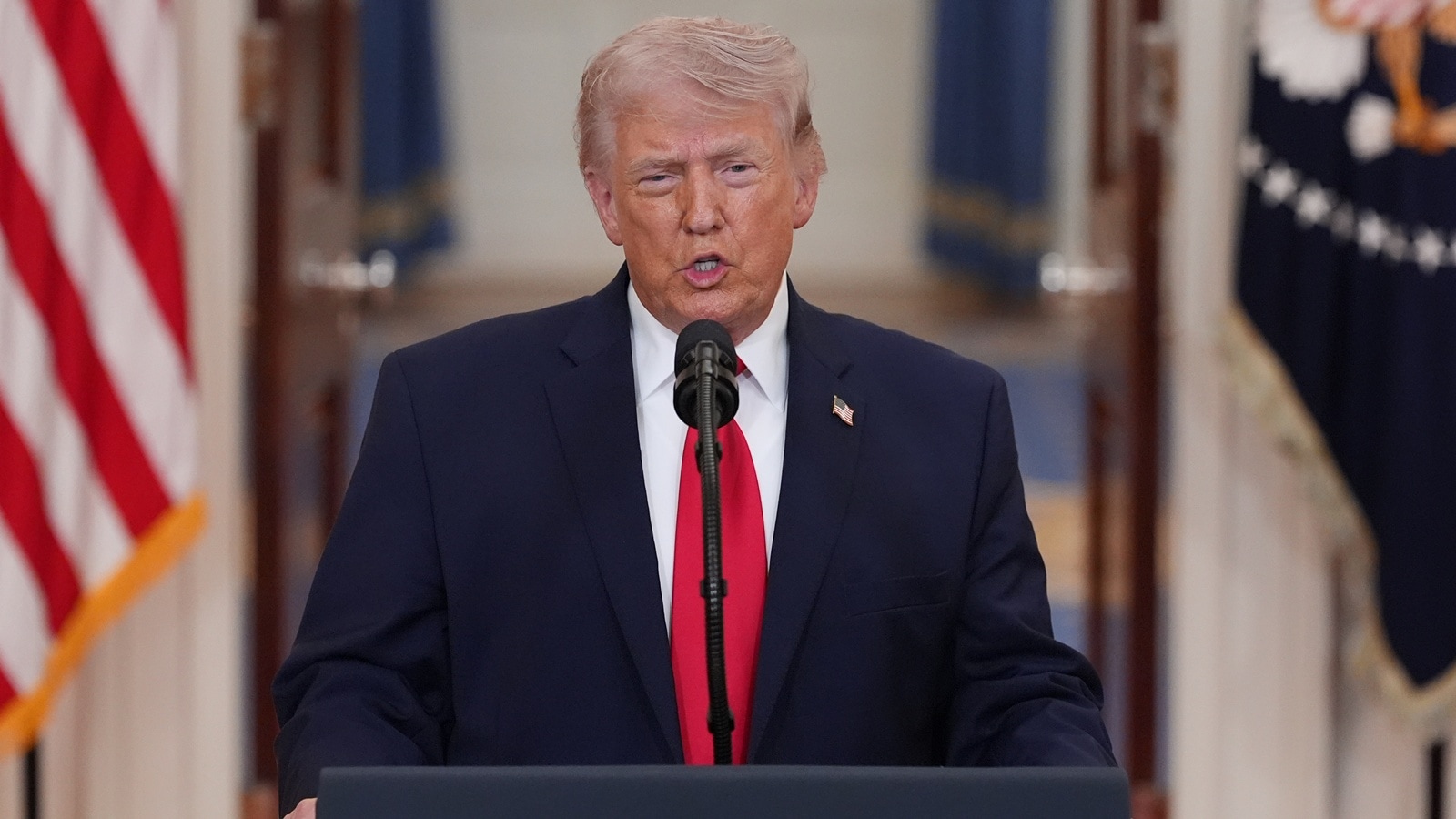
Now, again, in a shorter time frame than history usually assigns for global shifts, we have returned to a time when borders are being closed. Britain brought in Brexit in a nostalgic chase for greatness. Trump, in his pursuit of American greatness, has disrupted trade with tariffs and tightened rules around residency and citizenship. The idea of migration that the West encouraged not so long ago has, ironically, been met with unprecedented resistance in the West itself. The dream of a larger humanity appears suddenly truncated.
Srinivasaraju is the author of The Conscience Network: A Chronicle of Resistance to a Dictatorship