

This Met Gala, almost everyone failed the theme. Fashion was not art
The theme was fashion ‘is’ art, not ‘as’ art. The fact that so many attendees chose to rely on ‘art’ as we know it to fit the theme is only evidence how little they think fashion is capable of
A recreation of the “Veiled Woman”. A “live” version of John Singer Sargent’s “Portrait of Madame X”. Claude Monet’s lilies on a gown. This year’s theme for the Met Gala was “Fashion is art”. But neither fashion nor art seems to have gotten the memo. The one non-negotiable criterion for something to be called a “work of art” is the originality of thought behind it. Most of the Gala was anything but.
When Andrew Bolton, the head curator of the museum’s Costume Institute, announced the theme, he had expressed concerns that it may be interpreted “too literally”. Bolton’s fears materialised on the iconic steps when celebrities served looks that recalled works of art — ancient/contemporary — and too conspicuously.
Lauren Sanchez Bezos, Jeff Bezos’s wife and the honorary chair, turned up at the mega fashion event as “Madame X” from Singer Sargent’s iconic 1884 portrait of a young socialite. The look wasn’t inspired. It was a replica, barring the hairdo. Bezos let her hair down as she did the nuanced theme.
Then, there was Jessica Kayll. In perhaps one of the laziest interpretations in the history of the Met Gala, Kayll painted Monet’s lilies on her gown. The fact that she is a designer and a textile artist makes the costume that much more blasphemous.
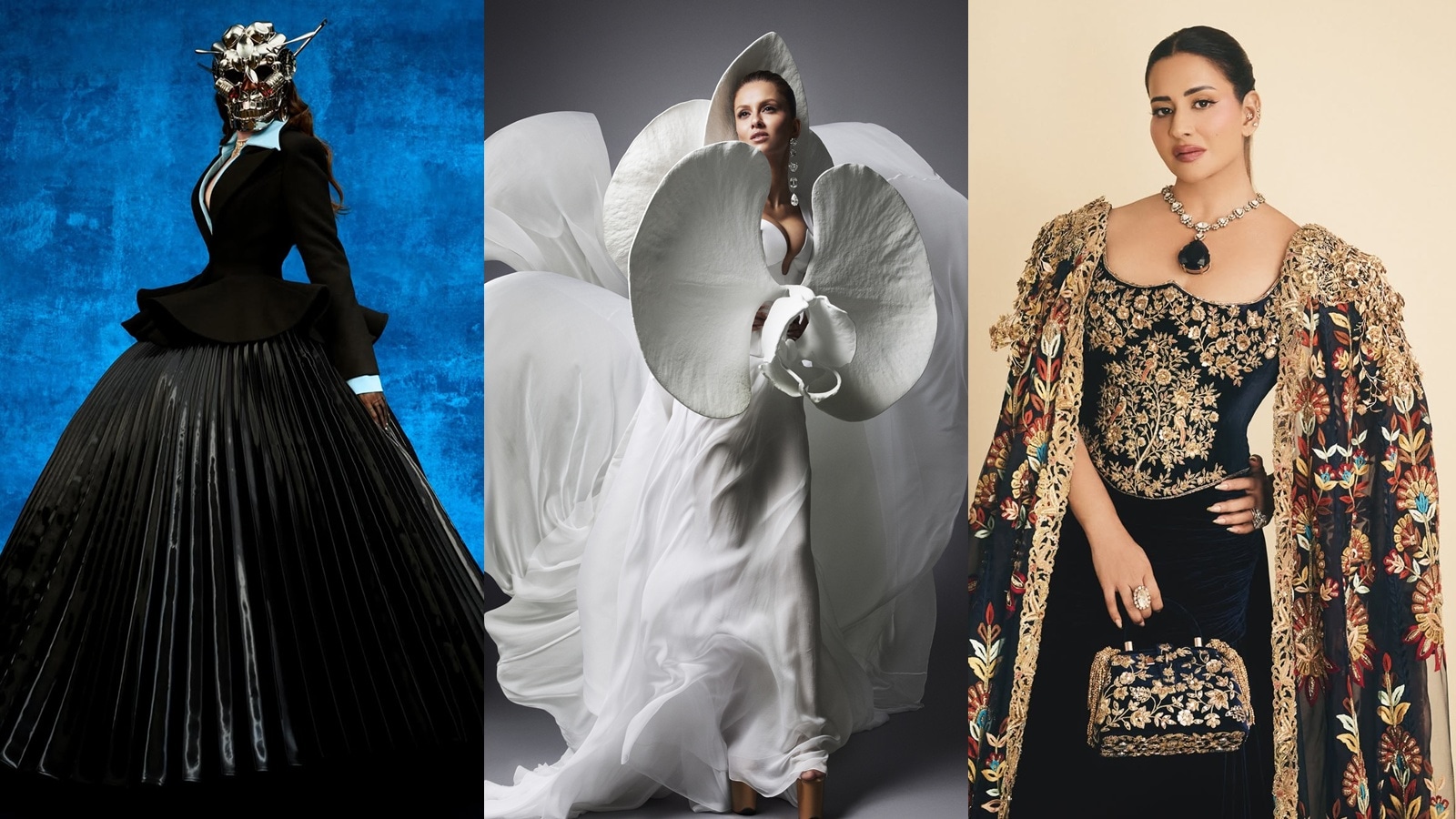
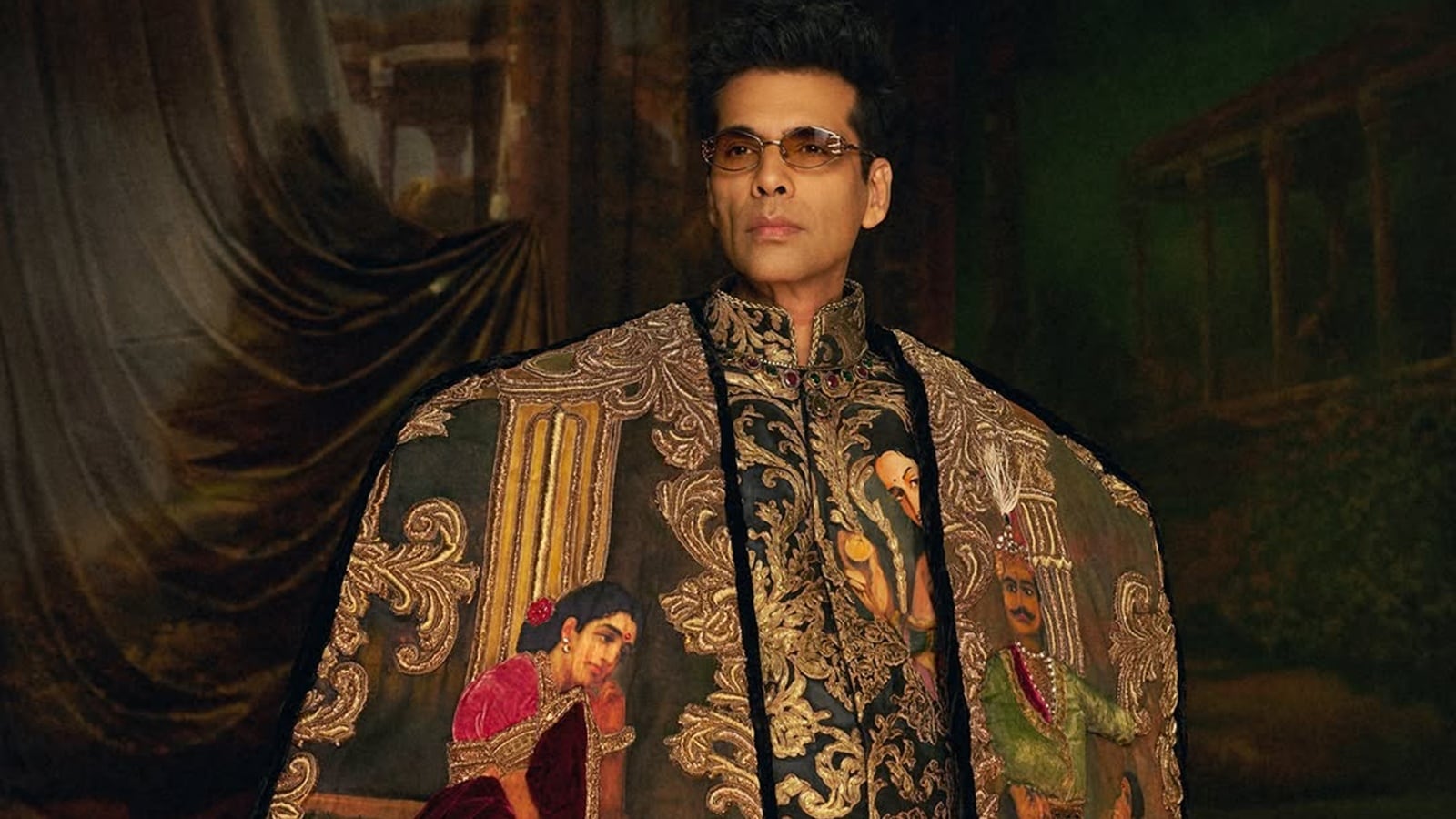
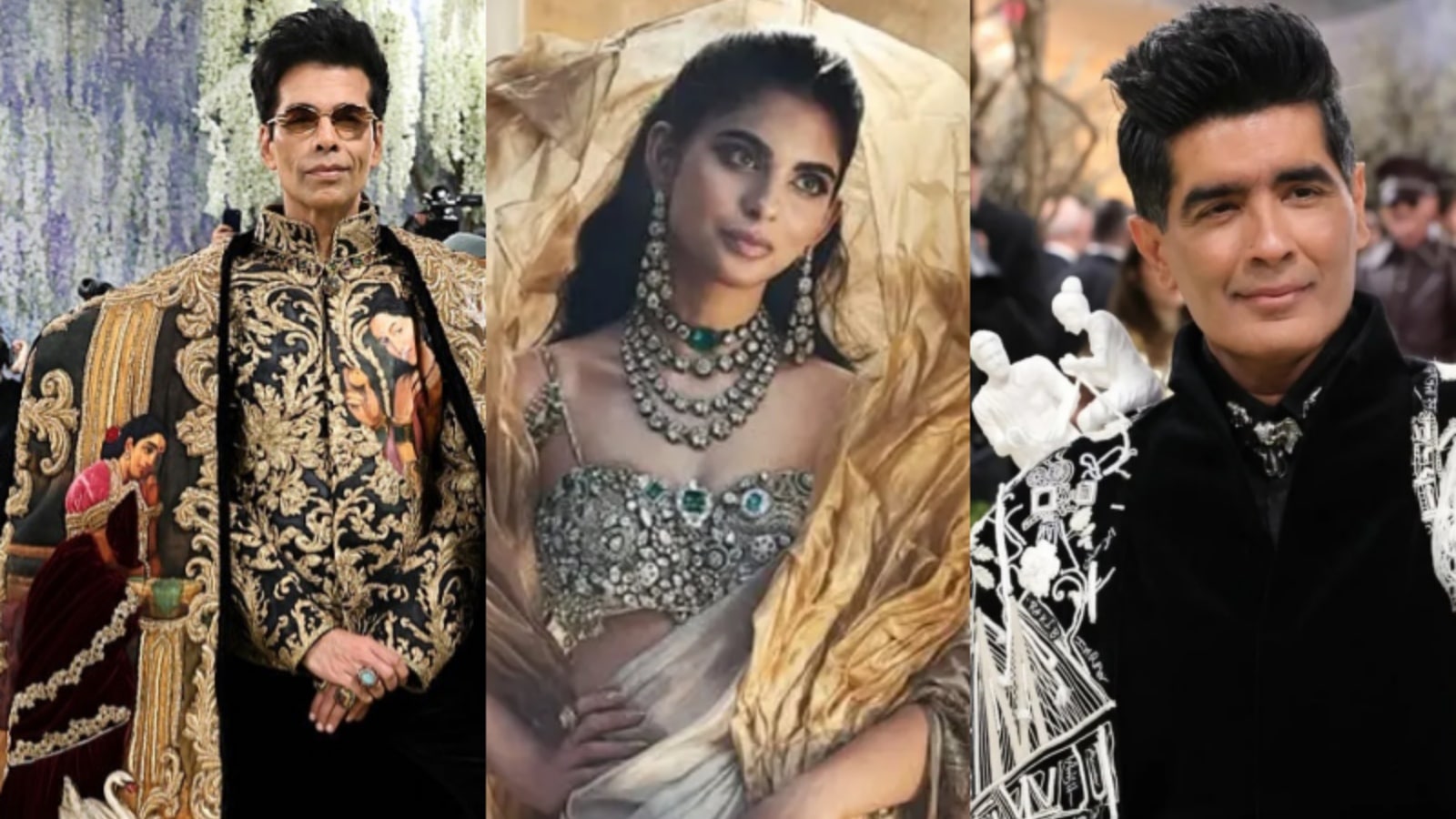
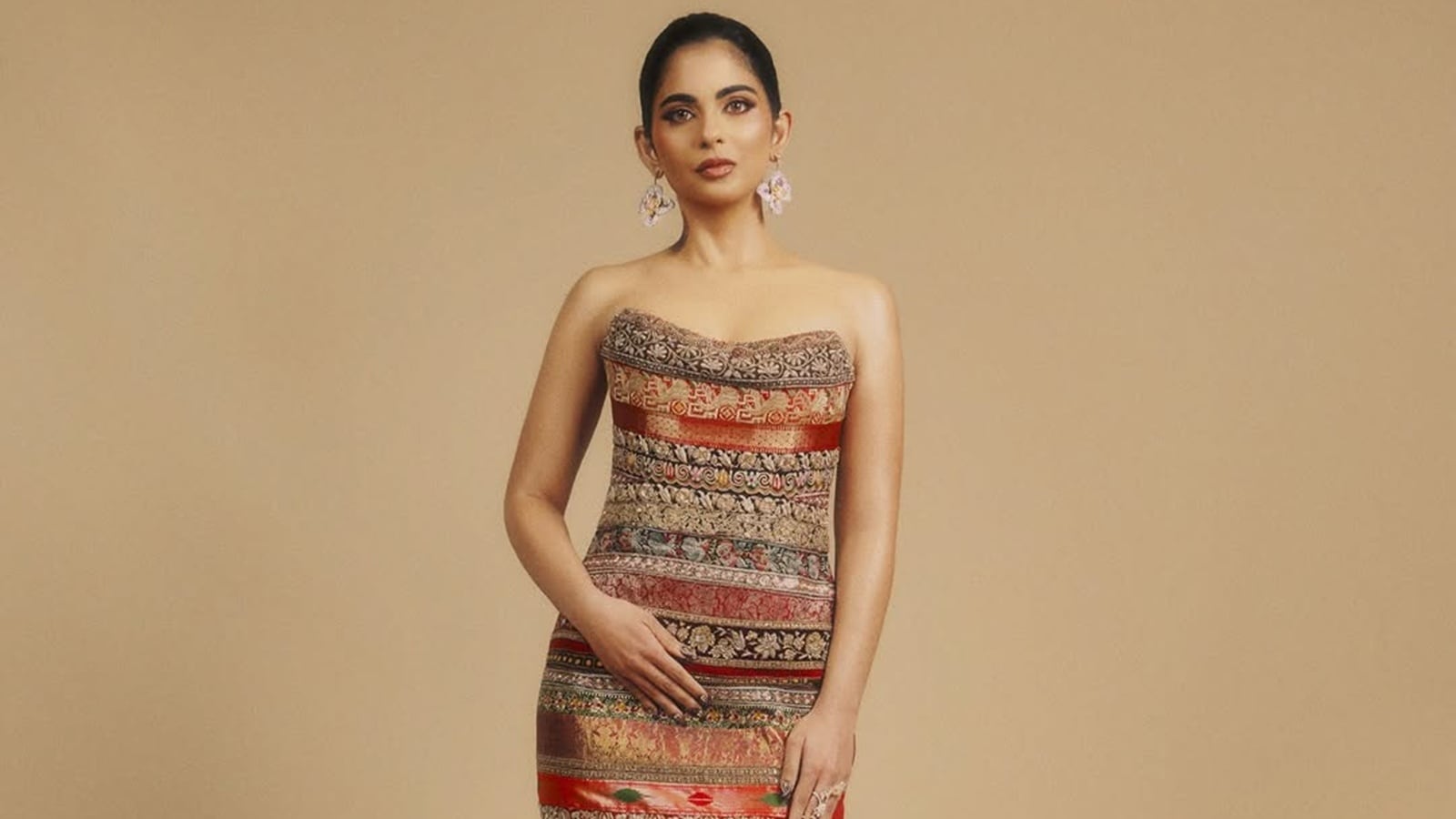
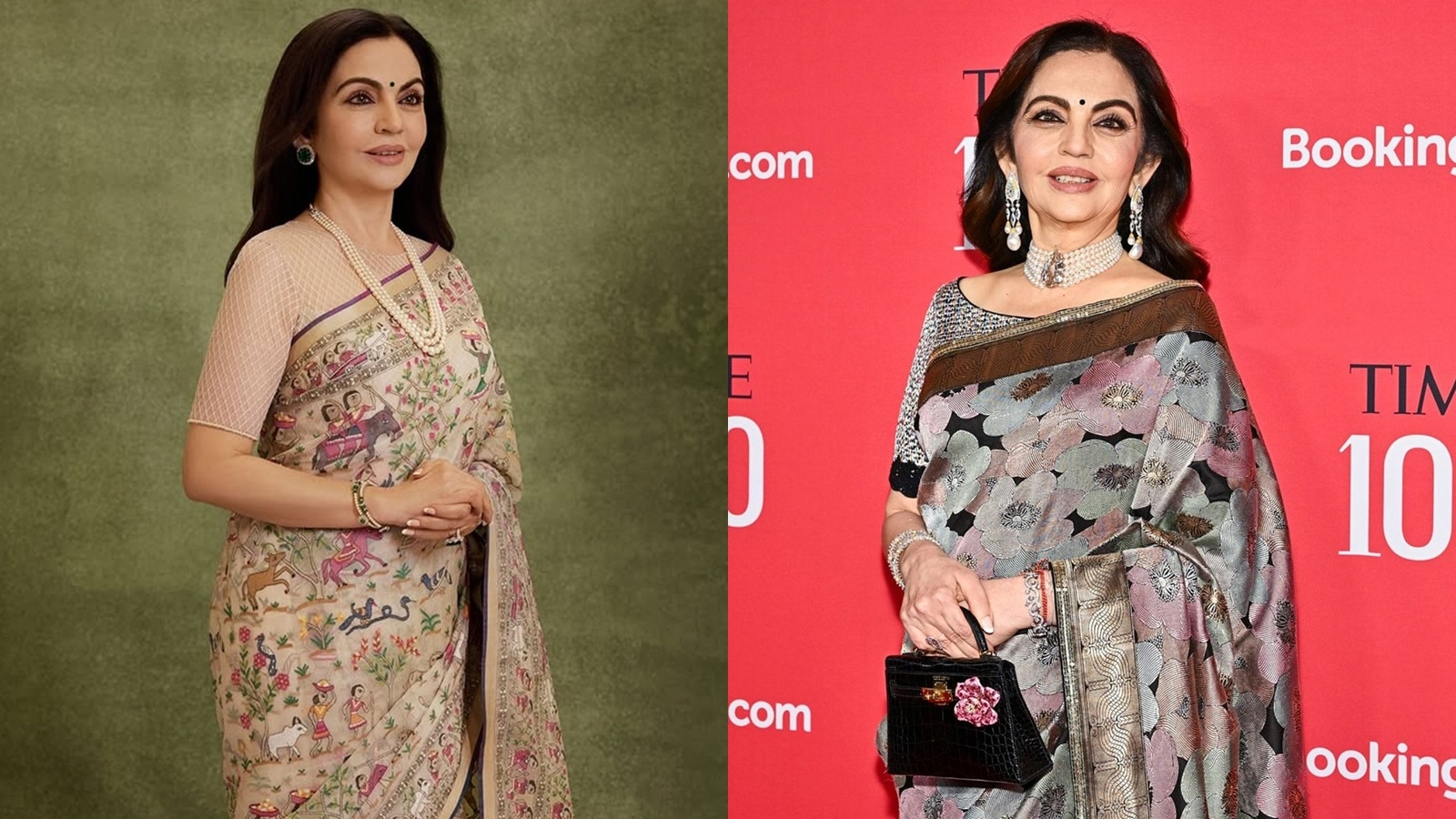
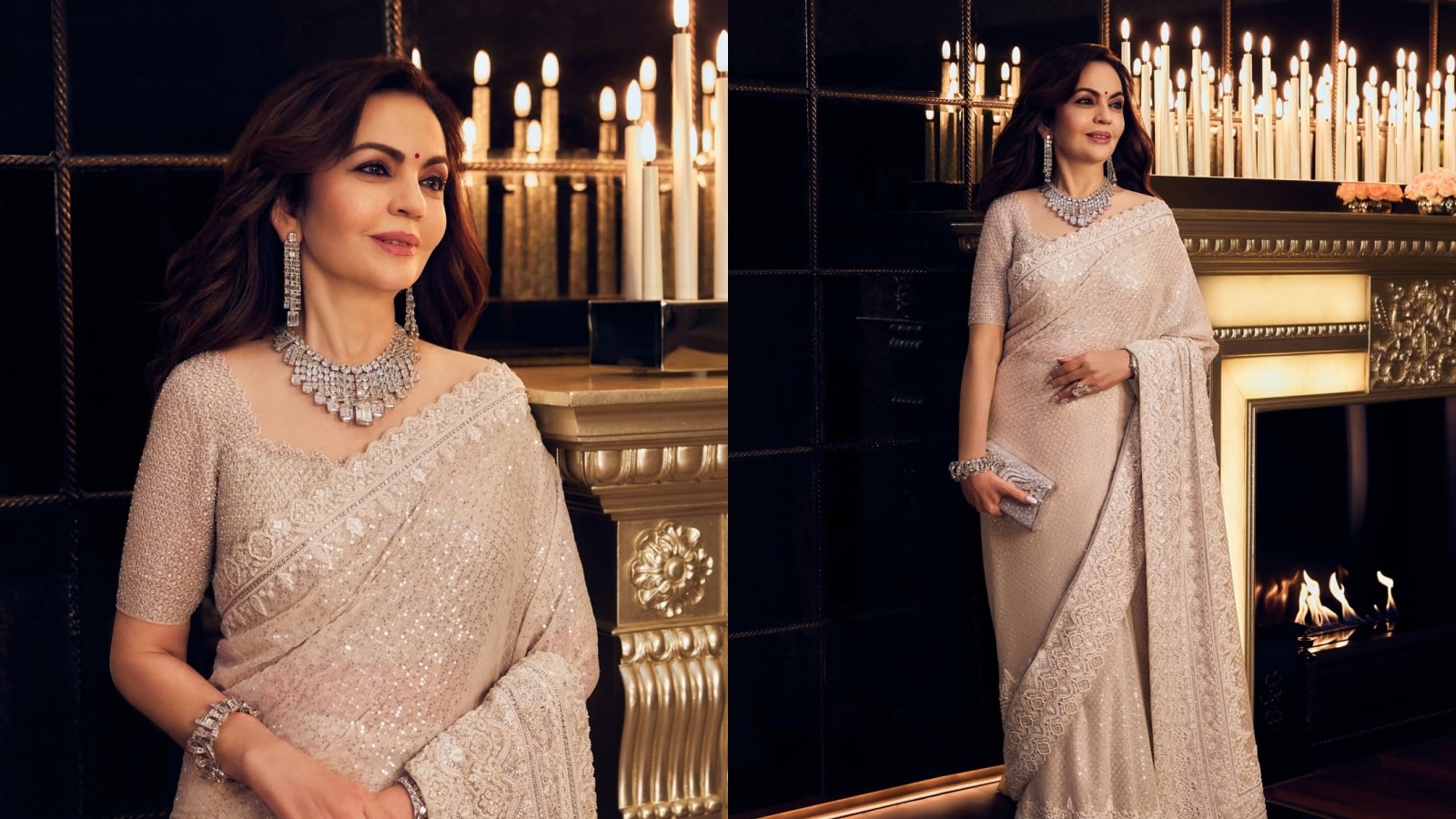
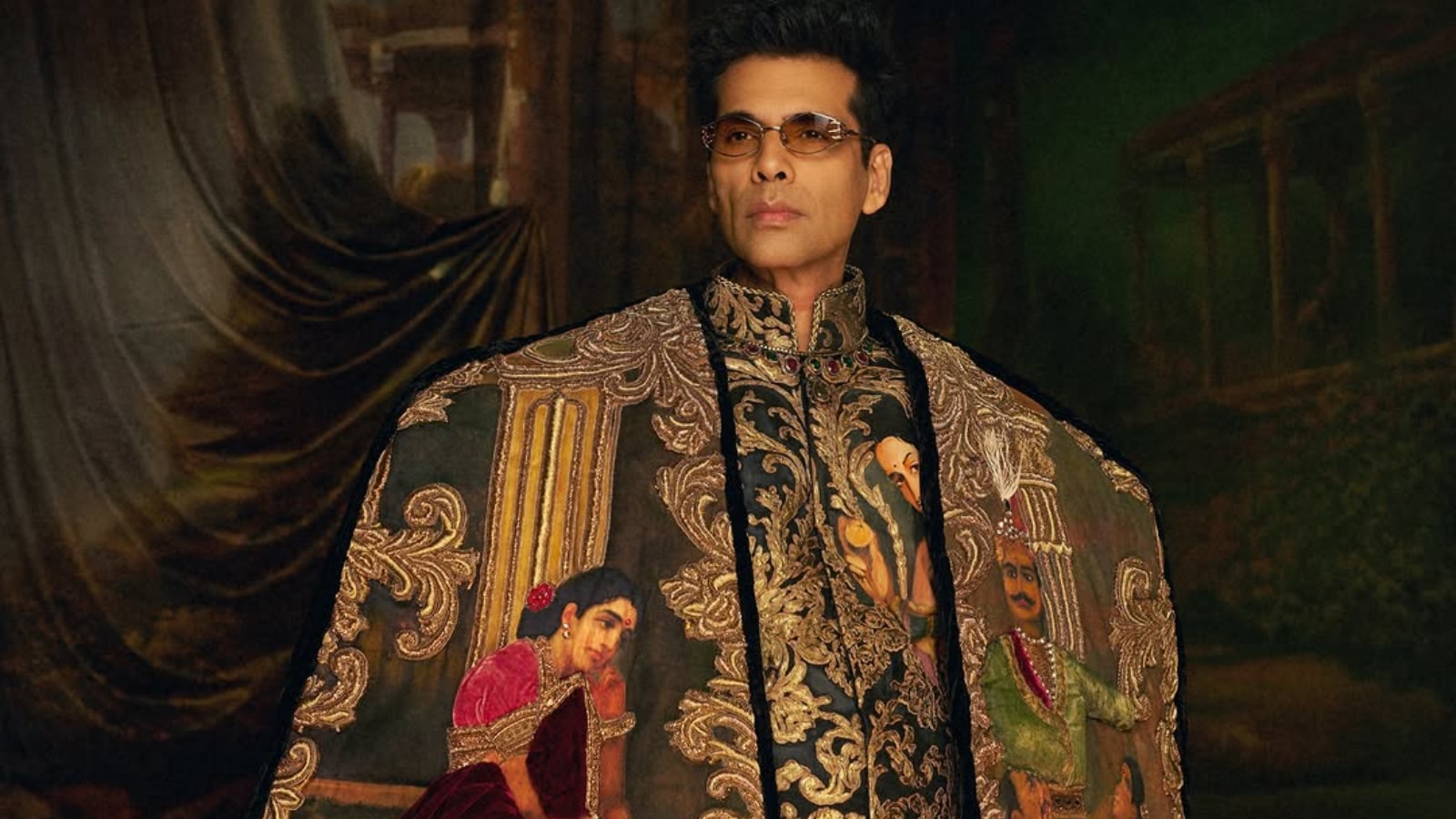
Raja Ravi Varma is the flavour of the season in India — one of his paintings is now India’s most expensive work — and both Karan Johar and Isha Ambani wore the modernist on their sleeves. While Ambani channeled Ravi Varma’s “Padmini, the Lotus Lady” in a custom Gaurav Gupta with the end of the drape seemingly flying over her head like in the 1930 painting (she also carried a Subodh Gupta mango and Sourabh Gupta gajra respectively as accessories), Johar wore a Manish Malhotra ensemble, titled, “Framed in Eternity”, that included an oversized ornate cape featuring five of Ravi Varma’s iconic paintings — “Hamsa Damayanti”, “Lady with a Lemon”, “Kadambari”, “Arjuna and Subhadra” and “There Comes Papa”.
Heidi Klum’s “Veiled Vestal”, undoubtedly, brought the marble sculpture to life in exceptional detail, courtesy of artist and makeup professional Mike Marino, but that was never the point.
The theme was: Fashion “is” art, not “as” art. It wanted the body to be transformed into a canvas and exemplify what fashion could create, not replicate. The very fact that so many attendees chose to rely on “art” as we know it to fit the theme is only evidence of how little they think of fashion. What could have been a defining moment in the history of fashion, affirming its status as one of the serious art forms, turned out to be a case against itself — its imagination, derivative; its fame, borrowed.
Not everyone disappointed, though. Malhotra might have taken the “inspired” route to dress Johar, but with his own outfit, he was on point — original, innovative, and imaginative. Using traditional Indian weaves such as dori, zardozi, chikankari, and kasab, he gave his cape a sculptural quality through recreations of Mumbai landmarks like the Taj Mahal hotel and Gateway of India. It also bore signatures of the over 50 artisans who worked on it as a celebration of the fraternity that helps translate a vision into reality.
Equally stunning was stylist and entrepreneur Diya Mehta Jatia — Shloka Ambani’s sister — in her metallic Kanjivaram gown. It was layered with an intricately carved bodice and panel fashioned out of the delicate shola that features prominently in Bengali bride and groom’s headgears and idols’ “daaker saaj”. The couture look by Mayyur Girotra was a specimen in what fashion can do — become the sought-after bridge between “art” and “craft”.
Not as impressive but an apt example of interpreting how the theme should have been interpreted in relation to art history, was Blake Lively’s voluminous Versace gown with a cloud-like trail of pink, purple and yellow tulle. It was inspired by 18th-century Venetian Rococo paintings in its choice of pastel hues; its dramatic 13-feet train and its four “bays” at the hip evoked Baroque architectural sensibilities.
Sarah Paulson’s Matières Fécales outfit included a dollar bill blindfold that took a dig at the richest “one per cent”, including Jeff Bezos who contributed heavily to this year’s Met Gala. It showed that fashion is art in the way it can do more than just be pretty.
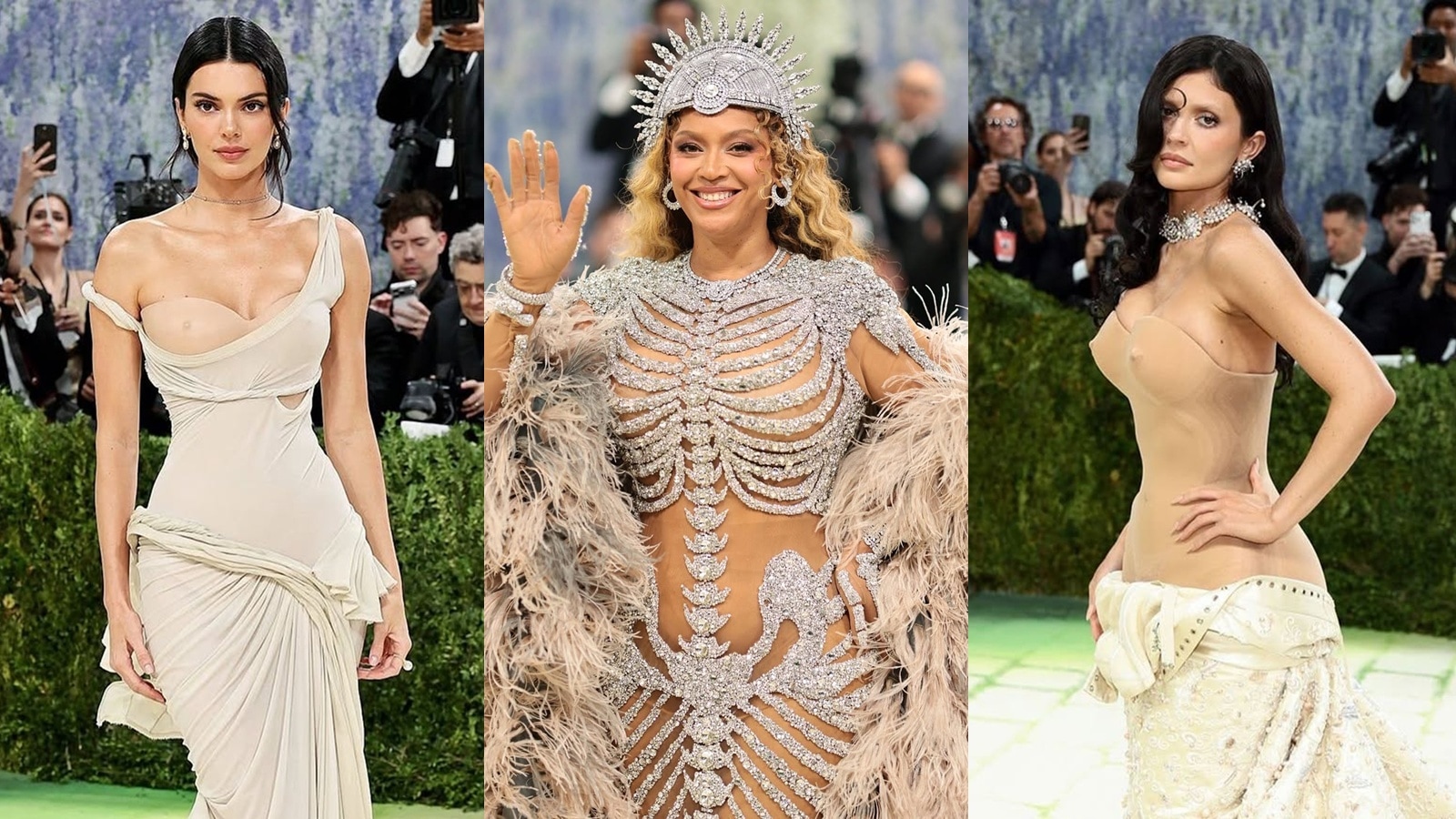
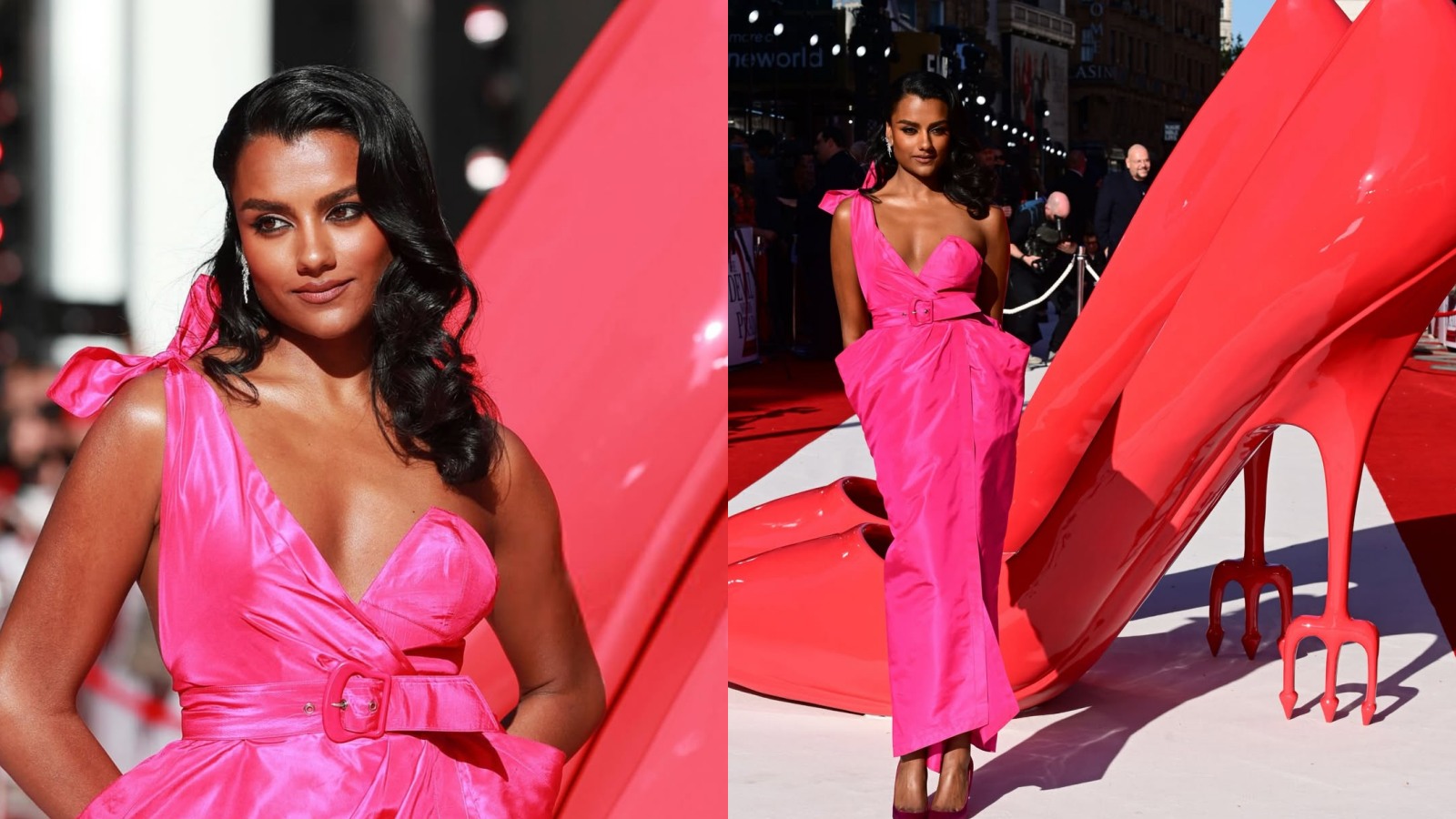
Other noteworthy appearances were by Simone Ashley, whose Stella McCartney “dress of chains”, and Beyonce, whose exoskeleton of diamonds by French designer Olivier Rousteing, redefined the body as a ground for creativity. But such looks were only far and few.
Some of the Met Gala themes over the past decade were “Superfine: Tailoring Black Style”, “Sleeping Beauties: Reawakening Fashion”, “Karl Lagerfeld: A Line of Beauty”, “In America: An Anthology of Fashion”, “Camp: Notes on Fashion” and “Heavenly Bodies: Fashion and the Catholic Imagination”. Even though a lot of them were about fashion, they were restricted by time, personalities, nations and tales. This year was a rare opportunity for the industry and its proponents to embrace both its method and its madness and come into its own but it chose to be inspired, not inspire.
The writer is associate editor, The Indian Express. [email protected]