

Menstrual leave policy must be nuanced, inclusive
Just like maternity leave, it can help normalise the reality that women are long-term assets who require temporary accommodation for significant biological events.
Saying “it’s just a period” belies a medical event of staggering intensity. Periods are a rehearsal for childbirth. Each month, the uterus contracts to expel its lining. These contractions are powered by the same prostaglandins that induce labour. For many women, menstruation is a monthly battle with dysmenorrhea, pain so severe it has been compared to the early stages of a heart attack. Menorrhagia (heavy bleeding that can lead to anaemia), debilitating fatigue, gastrointestinal distress, and severe mood disturbances are caused by the precipitous drop in estrogen and progesterone.
In India, periods are treated as polluting and impure. In schools, the lack of dignified infrastructure, compounded by social stigma, results in adolescent girls dropping out. Workplaces are complicit in this silence — menstrual distress and the humiliation of leaks lead to women using sick leave to cope.
In a landmark ruling, the Supreme Court in Dr Jaya Thakur v. Government of India & Ors. (2026) held that compelling individuals to endure indignity during menstruation is to deny them their fundamental right to life and dignity under Article 21. The Court said that when we do not provide clean toilets, sanitary pads, or a safe environment for girls during their periods, it forces them to stay at home and violates their right to education under Article 21A. It ruled that treating everyone the same, without considering that menstruating individuals have different needs, is not true equality. The Court summed up by saying “human dignity cannot be fragmented”. If a girl is humiliated or excluded because of her period, her dignity is violated.
Opponents of period leave argue it will discourage employers from hiring women, the same rhetoric used to oppose sick leave and maternity leave. In the early 20th century, opponents of paid sick leave argued it would bankrupt businesses. In the 1970s, critics swore maternity leave would destroy women’s careers and businesses would stop hiring women. But we have learnt that when we institutionalise care, we stabilise the workforce. Maternity leave normalised the reality that women are long-term assets who require temporary accommodation for significant biological events. It did not push women out of the workforce but allowed them to stay in it. In their study of call-centre employees in Delhi, Verma, Bhal, and Vrat (2013) found that gender-sensitive policies correspond with higher job satisfaction and reduced stress, associated with increased employee loyalty.
Dismissing a PIL, a bench headed by the CJI said, “if we ask for period leave, no one will employ women.” This assumes employers are inherently prejudiced, and rather than hold them accountable, women should suffer in silence. Luckily, the bench urged the government to consider a uniform policy.
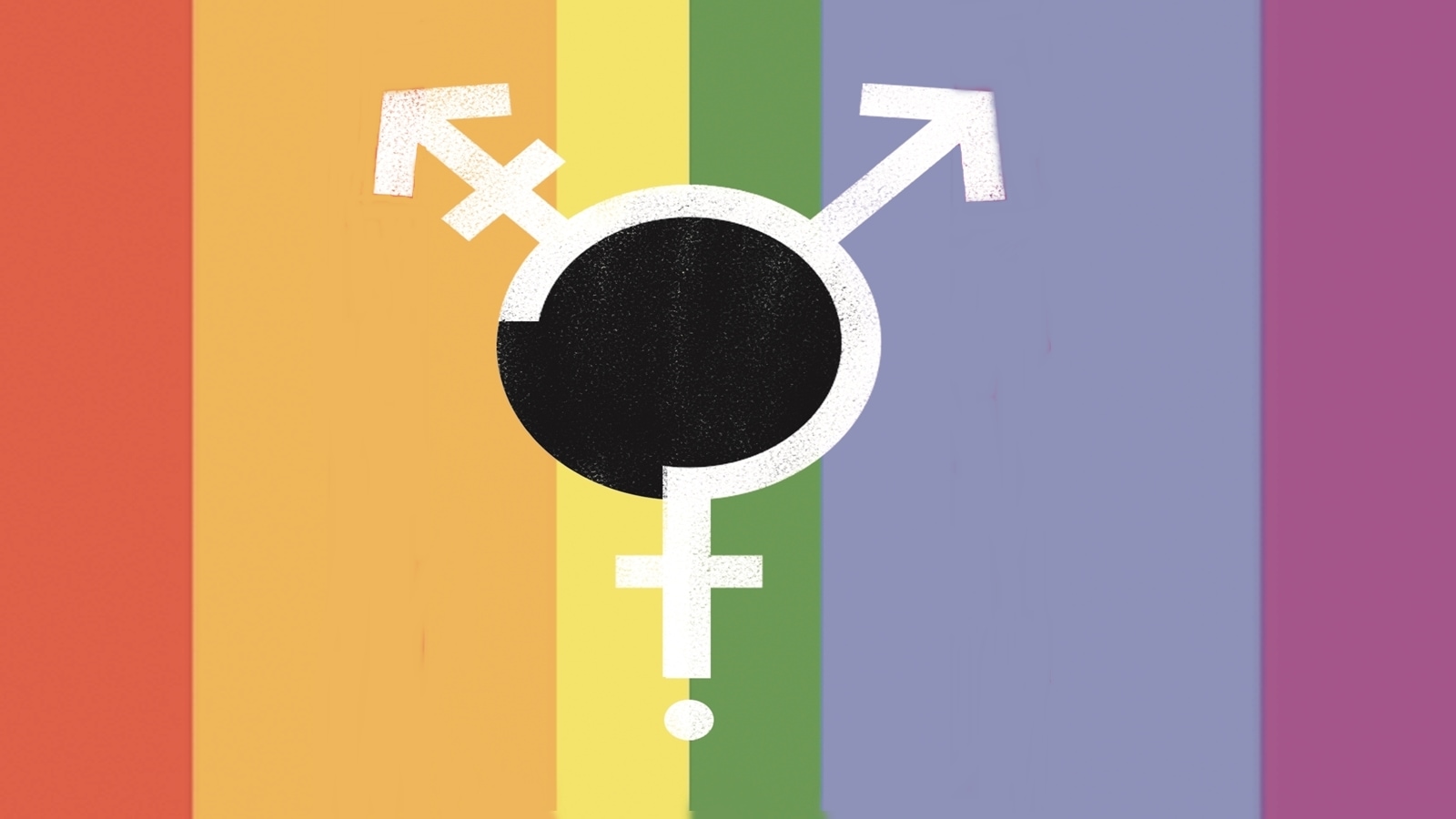
It is thus heartening that in February, the Maharashtra State Commission for Women convened a meeting on paid menstrual leave, bringing together activists, medical professionals, and labour representatives. All supported a menstrual leave policy that would go beyond a few days of leave. They called for a framework addressing the entire ecosystem of menstrual health: Free sanitary pads, hygienic toilets, disposal mechanisms, and awareness campaigns to dismantle stigma. The panellists emphasised the need to extend these protections to marginalised sections, including unorganised-sector workers and trans and non-binary people who menstruate. This is the nuanced, inclusive approach a menstrual leave policy needs.
The writer is director, Majlis. Views are personal