

Was Marco Rubio’s visit a reset in India-US ties?
There are compelling reasons for scepticism. To begin with, Trump recently visited the People’s Republic of China and appeared to display considerable warmth towards its leader, Xi Jinping
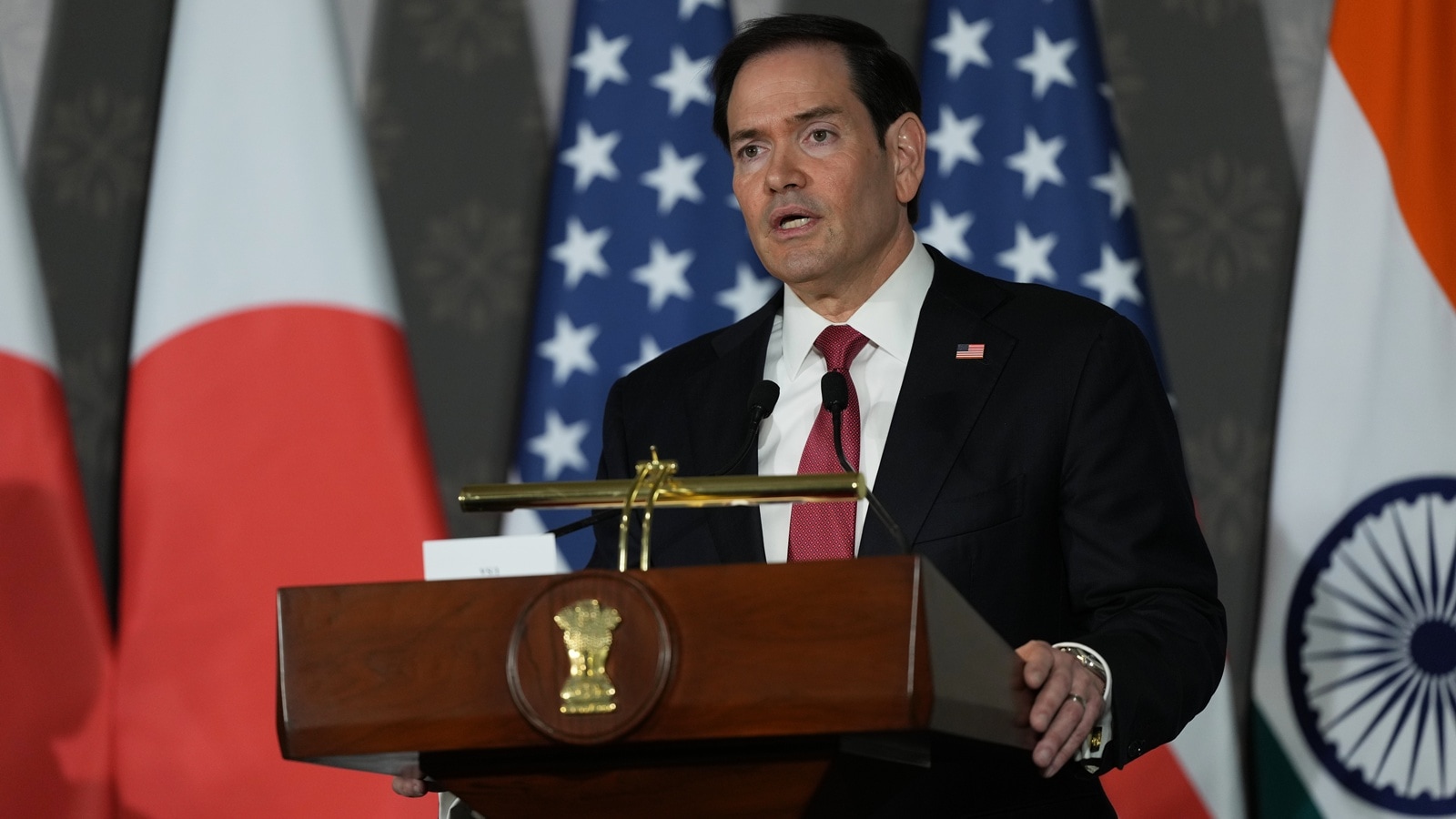
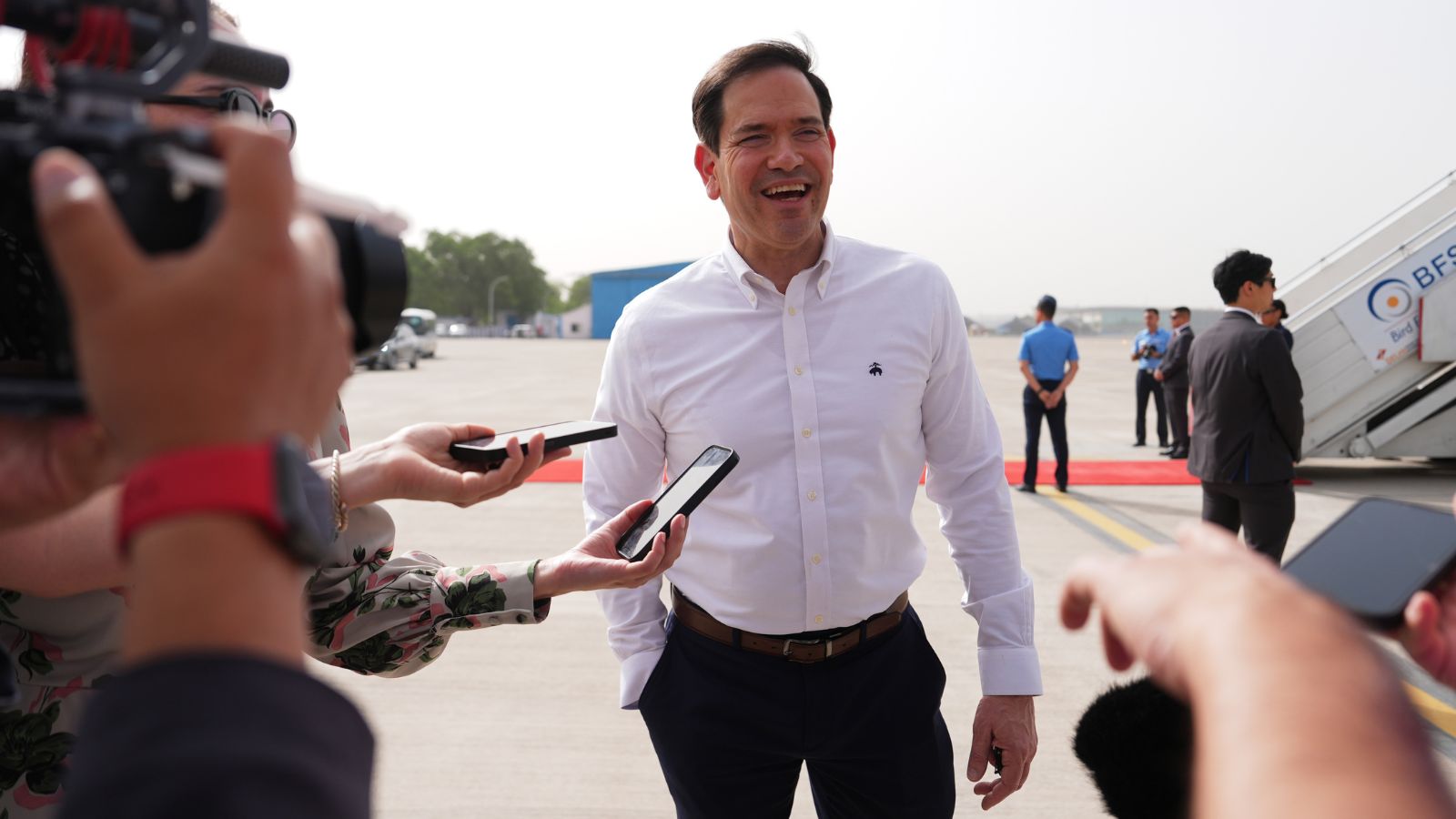
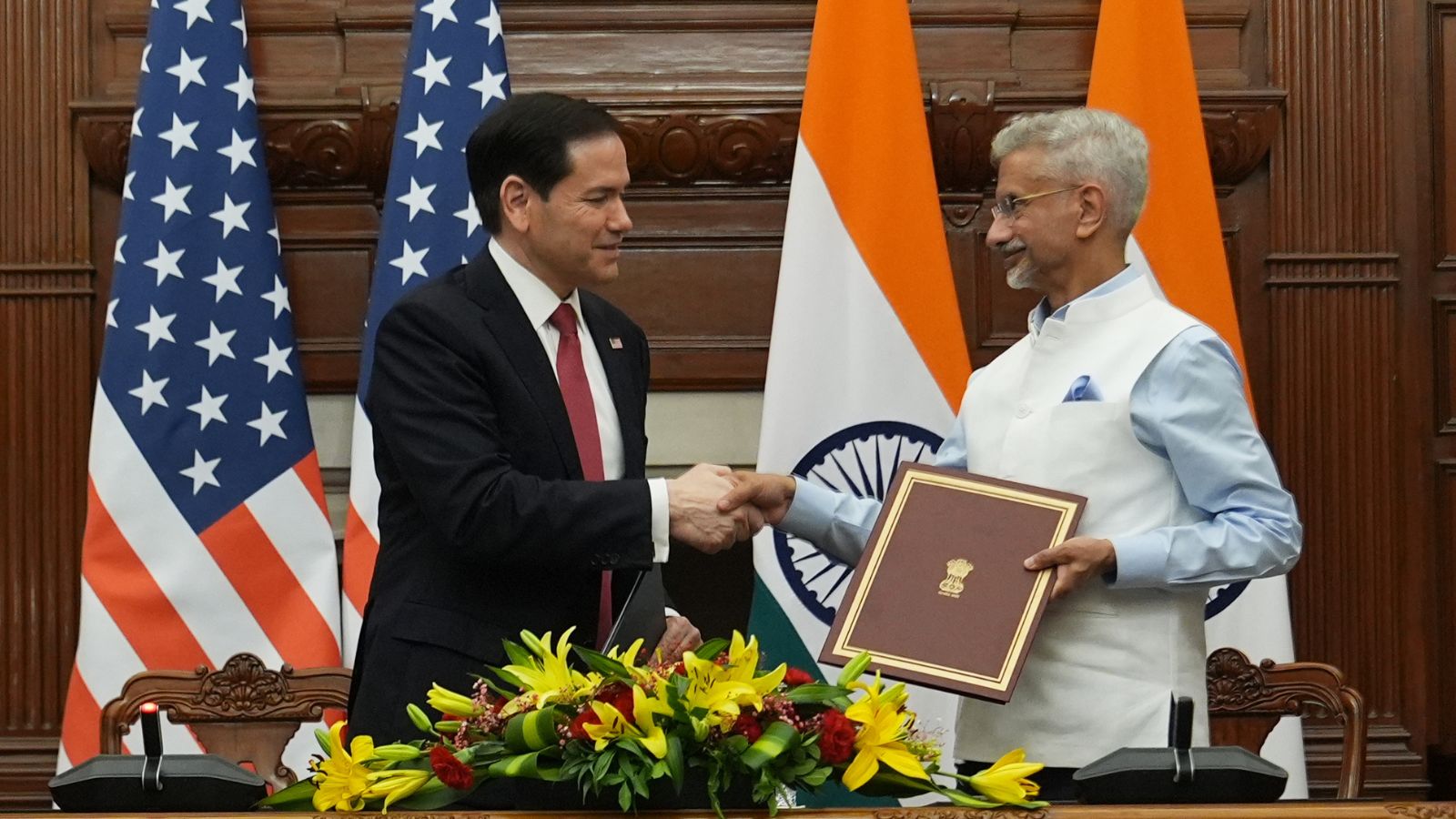
During US Secretary of State Marco Rubio’s visit to New Delhi, at a press conference, a journalist asked about the growing racist statements against Indians in the United States. Rubio responded by stating that there were stupid people in the United States, just as elsewhere, who were responsible for these remarks. Rubio’s response was initially displayed on the US State Department’s website. However, they were deleted in less than 48 hours.
Many have speculated about the reasons why they may have been removed. Such surmises were perhaps inevitable given the fraught state of US-India relations. Over the course of the last year, as is well known, Indo-US relations, which had mostly been on a steady course, entered choppy waters.
Consequently, Rubio’s visit, in part owing to a pre-planned meeting of the foreign ministers of the Quadrilateral Security Initiative, was seen as an attempt to reset relations with New Delhi. Two questions immediately come to mind: First, did Rubio have the necessary mandate to renew the strategic partnership with India? Second, if he did, to what extent did he succeed in that endeavour?
President Donald Trump made a phone call when Rubio was meeting with Prime Minister Narendra Modi. During the call, he stated that “Anything that India wants, India gets”. He also claimed that “we’ve never been closer to India”. Despite the warm sentiment that he expressed, it is unclear if it reflected a genuine effort on his part to restore a degree of comity in US-India relations. There are compelling reasons for this scepticism. To begin with, Trump recently visited the People’s Republic of China and appeared to display considerable warmth towards its leader, Xi Jinping.
Among other matters, in response to a demand from Xi, Trump left the prospective sale of $14 billion of weaponry to Taiwan in abeyance. If Trump does decide to hold off on these arms transfers, it will be a critical signal that he is willing to reach an accommodation on an issue of critical significance to the PRC. If this proves to be the case, India’s utility to the United States, as a possible strategic bulwark against the PRC in Asia, may be dramatically diminished if not entirely at an end. This possibility has crossed the minds of both Indian policymakers and analysts alike. At this juncture, it is unclear if those anxieties have been assuaged, and to what degree, in the wake of Rubio’s visit.
This nagging uncertainty aside, what were the tangible accomplishments of this visit, and do they amount to a beginning of a reset?
The two parties discussed energy cooperation at a time when India’s economy is reeling from the continuing conflict in the Persian Gulf. The United States, it is believed, offered to sell India oil from Venezuela. Even if New Delhi accepts this offer, it is unclear to what extent it is likely to ease India’s present energy difficulties.
It has also been reported that the two sides have made some progress during his visit toward finalising the Interim Trade Pact. If India’s policymakers remain interested in sustaining the partnership with the US, it will be in their interest to expedite the process. Trump’s abuse of tariffs notwithstanding, the US has legitimate complaints about India’s trade regime. Making some concessions could send a positive signal to Washington, DC and thereby mute critics.
At a less tangible level, Rubio has apparently sought to reassure his counterparts about the American commitment to the Quad. Given Trump’s recent visit to the PRC and his apparent bonhomie with Xi, the other three Quad members may nevertheless remain somewhat uncertain about the robustness of the American position in the Quad.
These doubts may linger despite Rubio’s focus on strengthening maritime security and surveillance, on improving port security in the region and an initial agreement on access to critical minerals. A series of unilateral decisions on the part of the Trump administration, including the decision to launch a war against Iran, may well lead New Delhi as well as the other Quad partners to err on the side of caution.
The writer is a senior fellow and directs the Huntington Programme on US-India Relations at the Hoover Institution, Stanford University