

Leher Kala writes: How to be a dissident
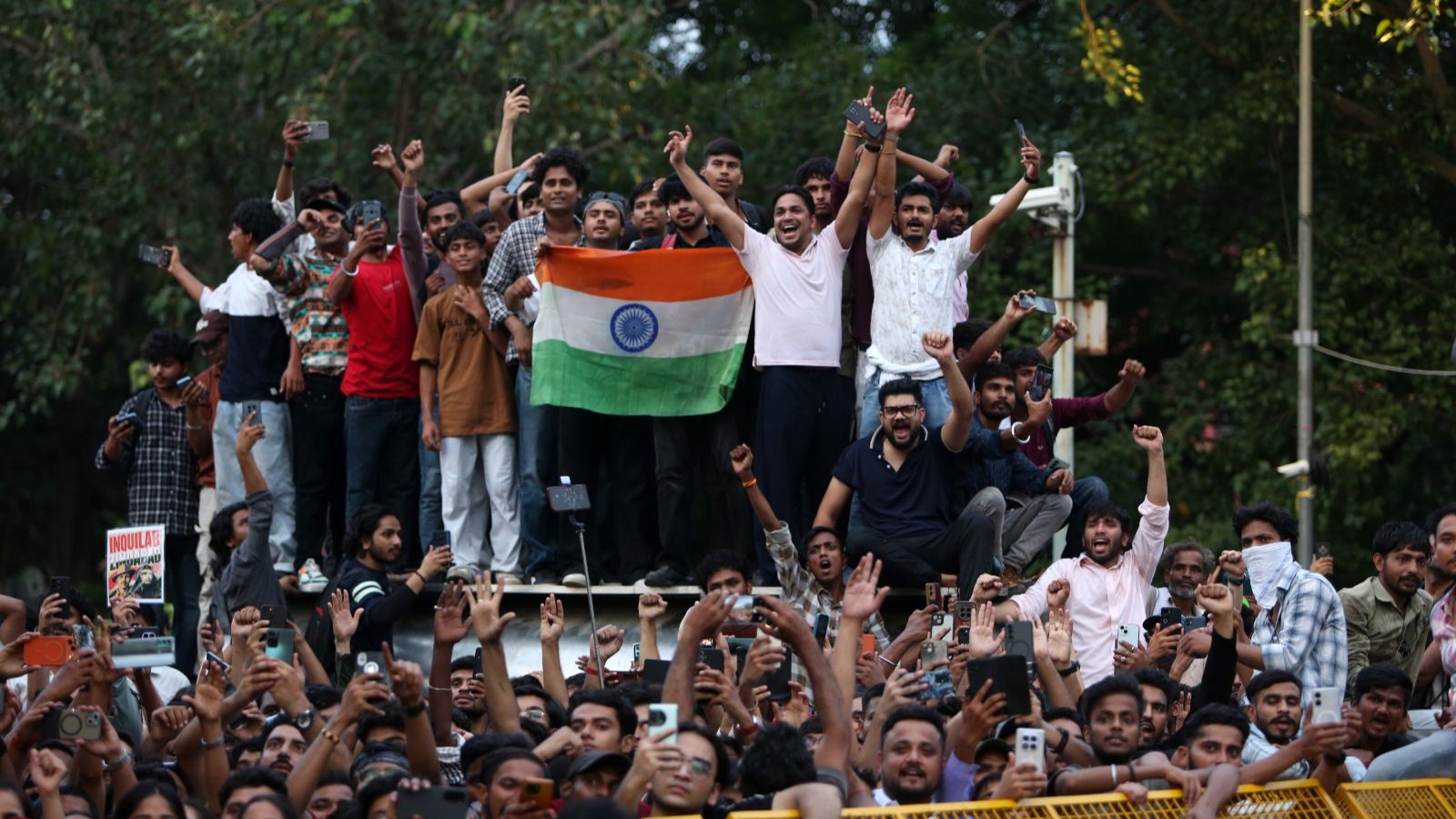
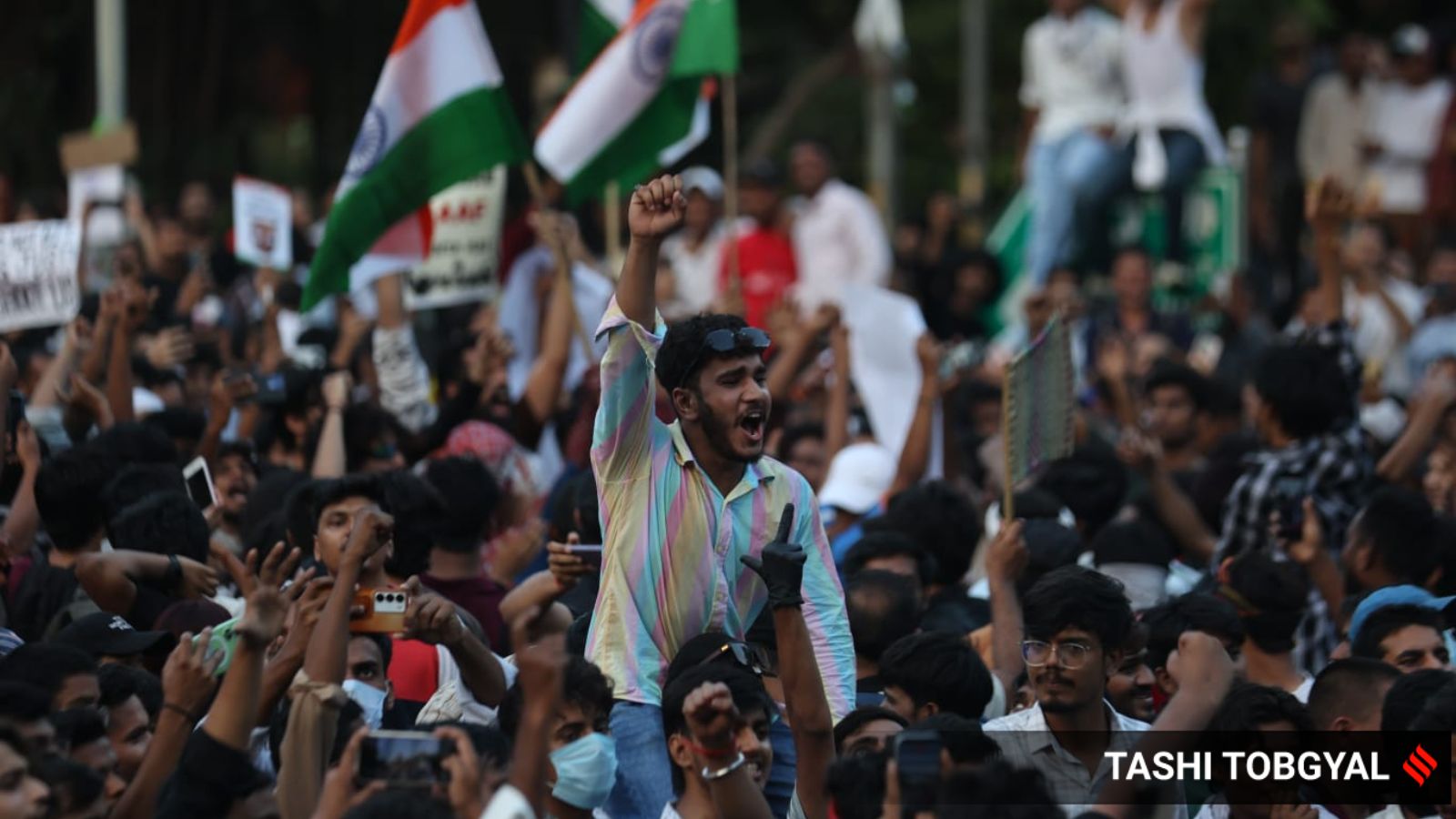
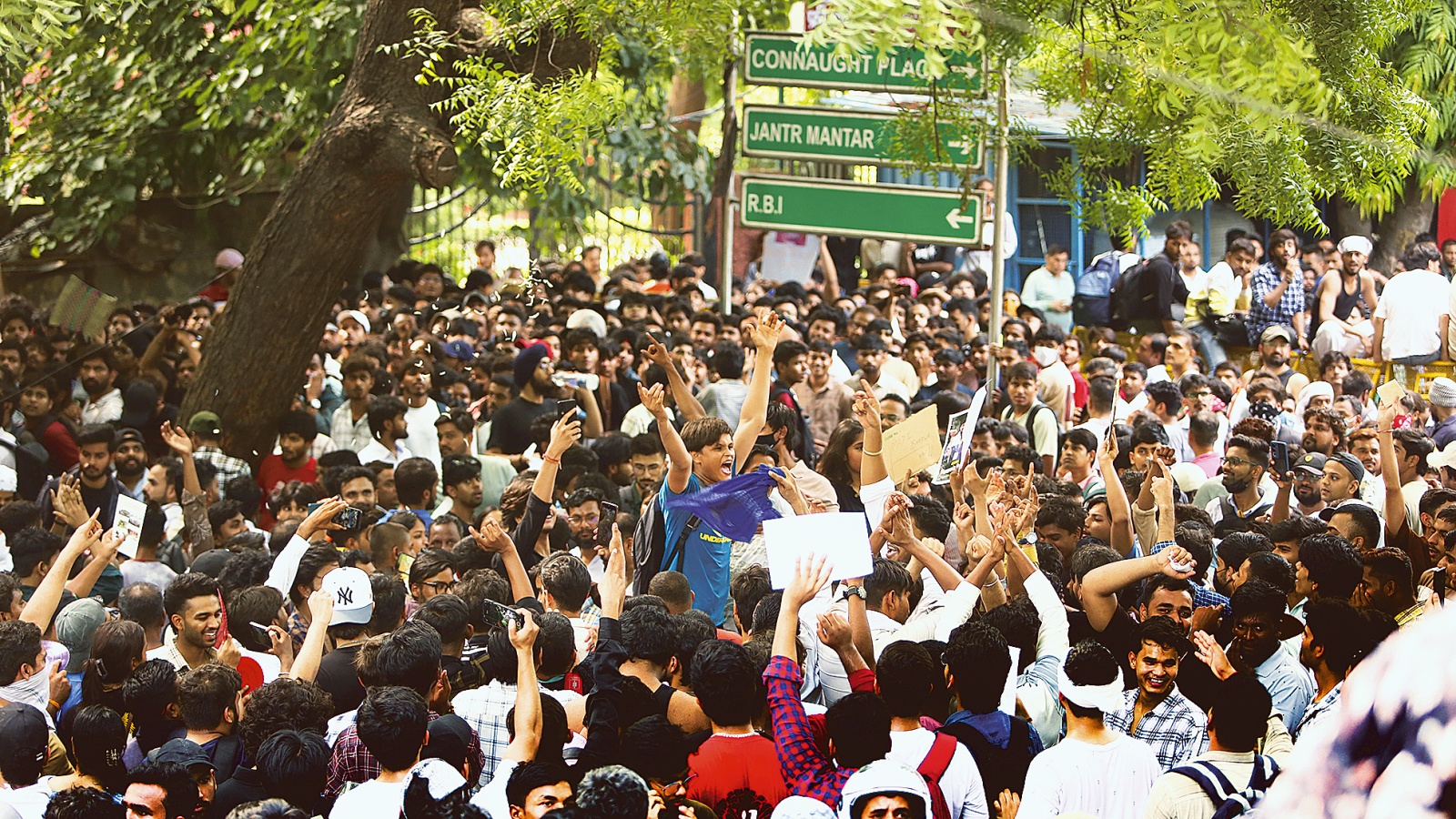
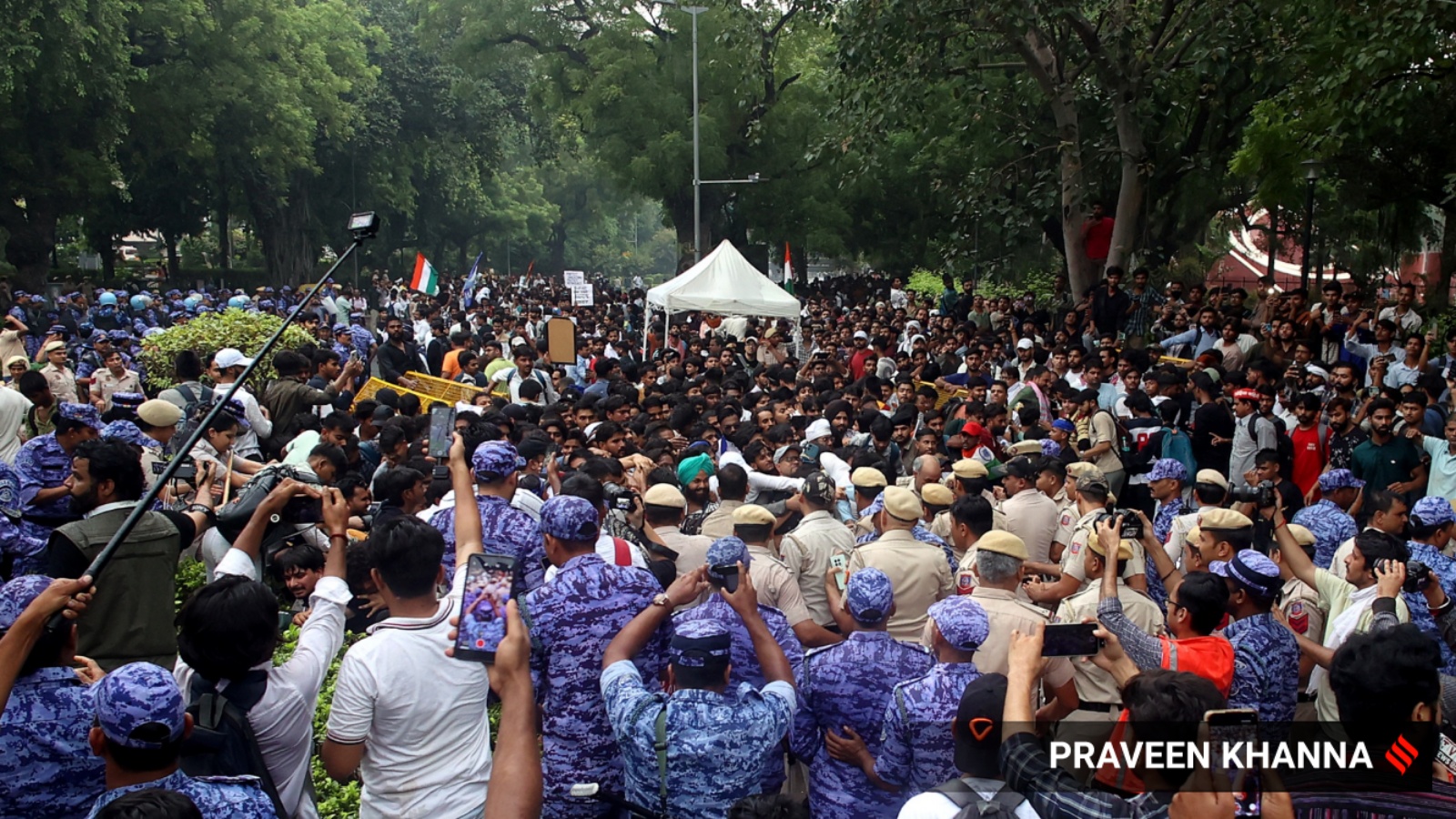
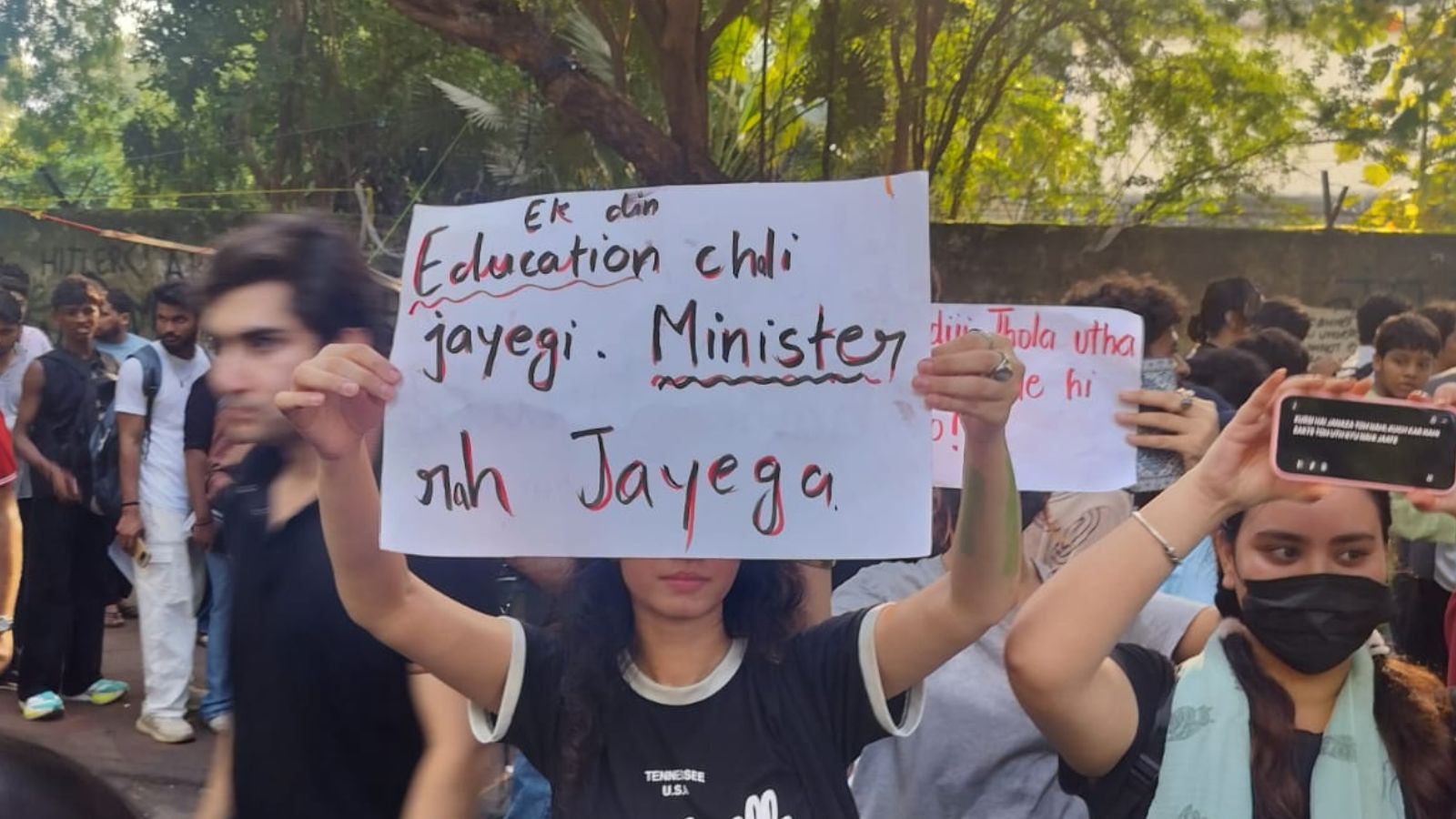
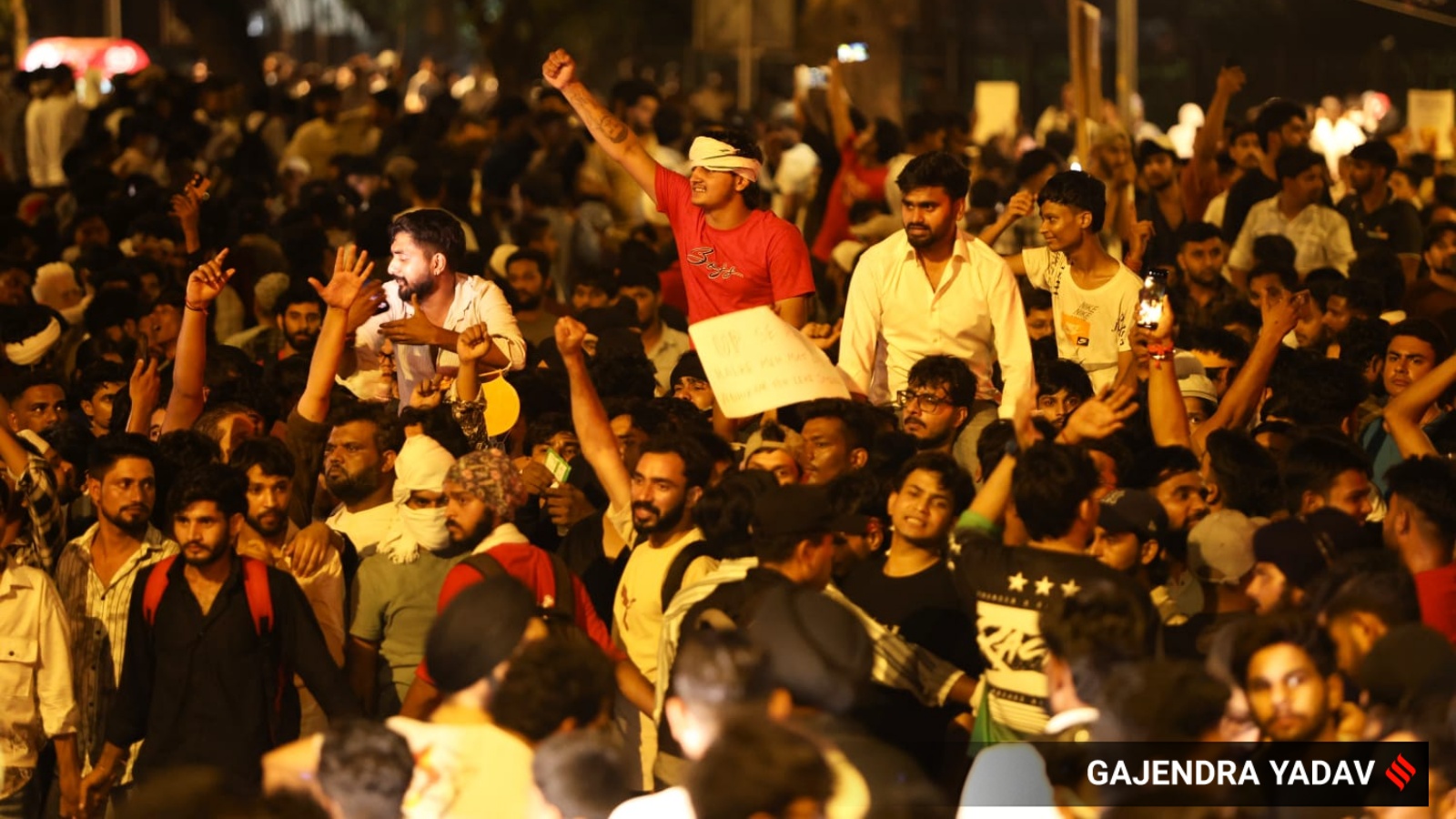
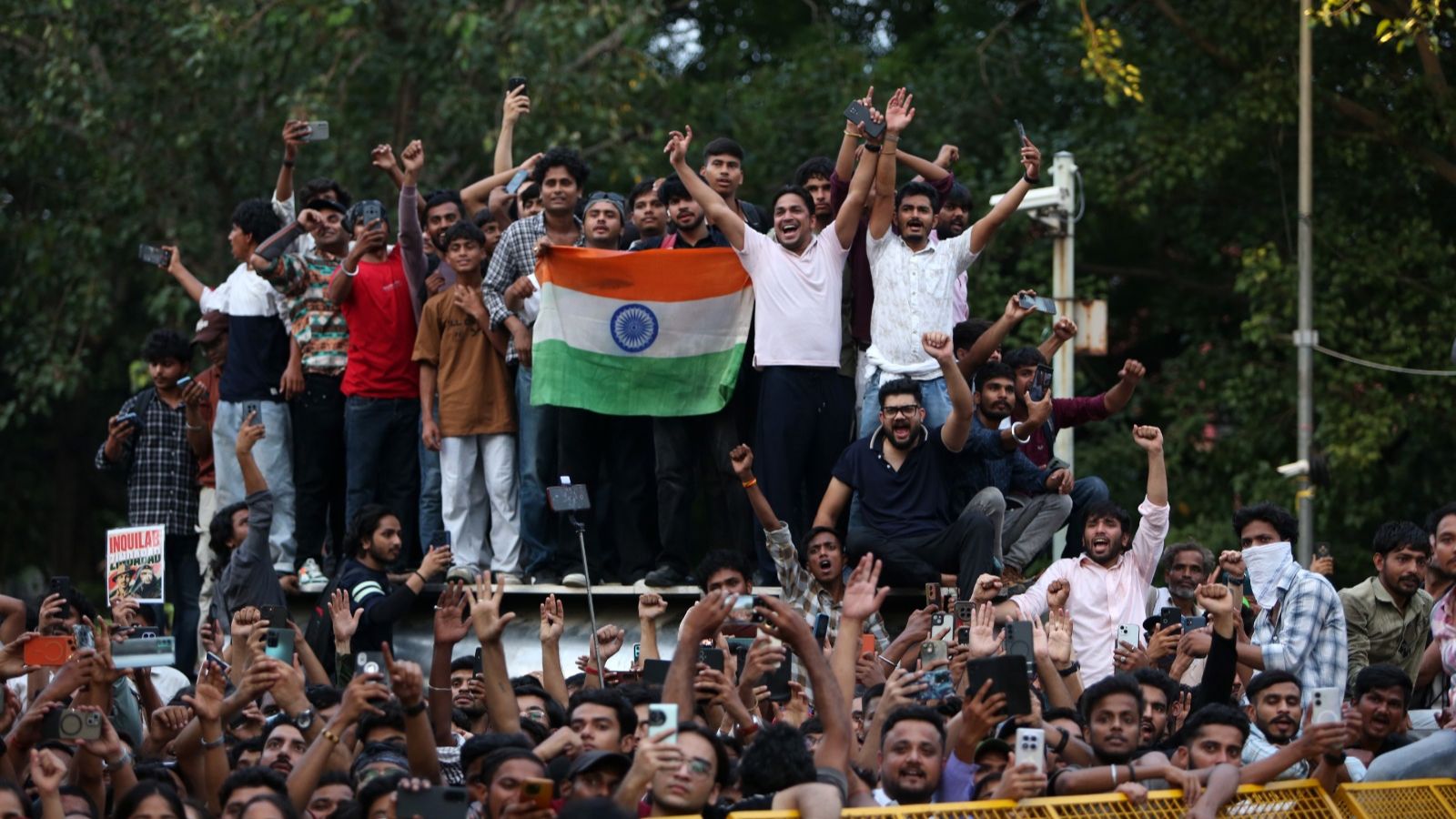
Going to Jantar Mantar, make no mistake, is uncomfortable. It’s blisteringly hot, humid, and fraught. But walking among young and passionate people, who dreamily believe they’re going to change this country, evokes fervent emotions that are both joyous and painful, forcing us to think about what we owe our community.
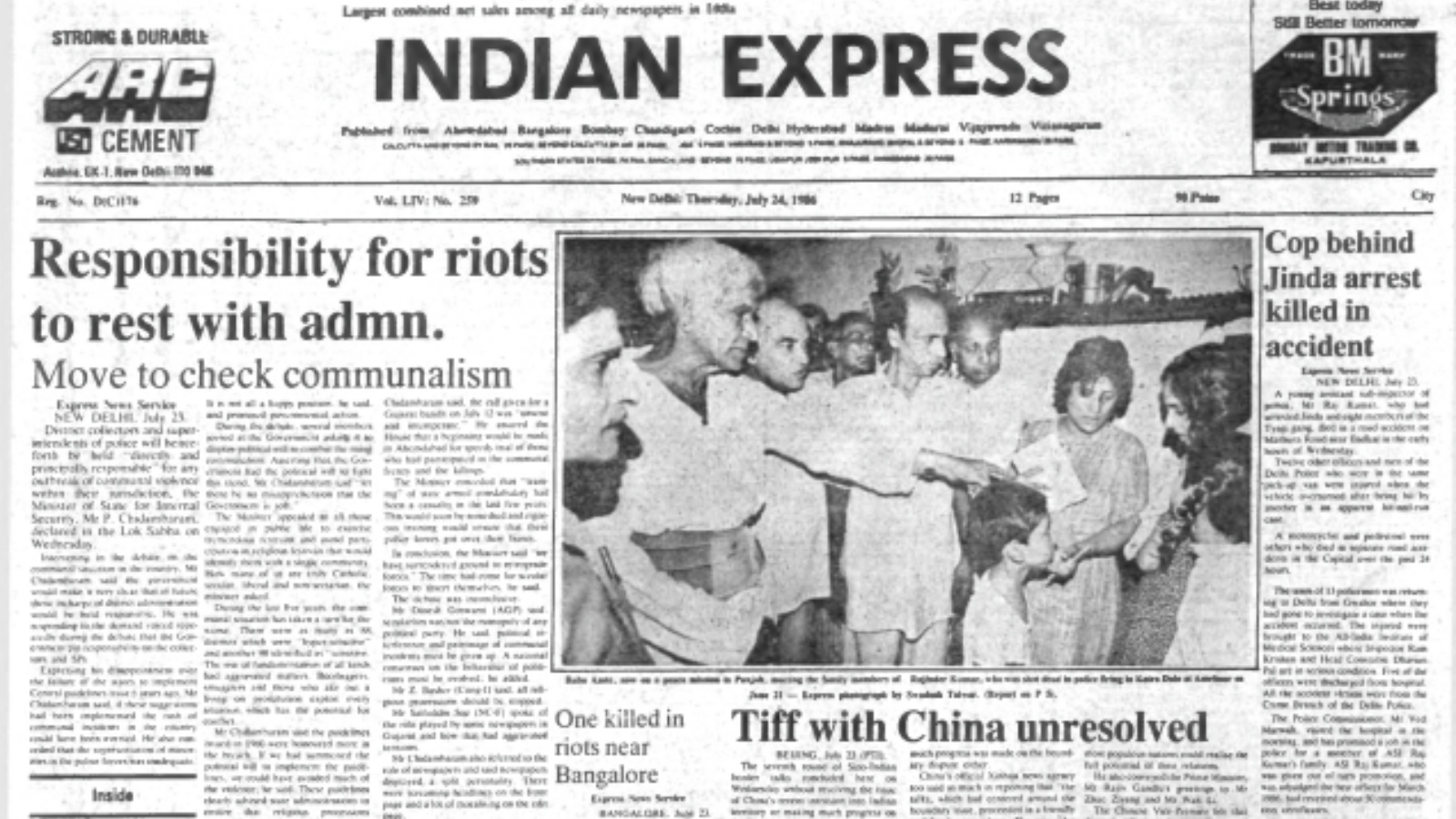
When I was still in school in 1990, 20-something Rajeev Goswami, studying in Delhi University, poured oil and set himself on fire amid a crowd of supporters. Like many other upper-caste students at the time, Goswami was protesting the proposed 27 percent quota for backward classes in government jobs. His shocking act — self-immolation — won sympathy all around, triggering a spate of similar, horrifying suicides but an anti-reservation movement was bound to fail. Morally, it’s hard to disagree with affirmative action to rectify historical wrongs that have kept so many crores disenfranchised by casteism. Still, it took courage to take a stance for his own lot, who, despite caste privilege, were struggling to get by as well. Goswami died in his 30s, in obscurity, his sacrifice a footnote in contemporary Indian history.
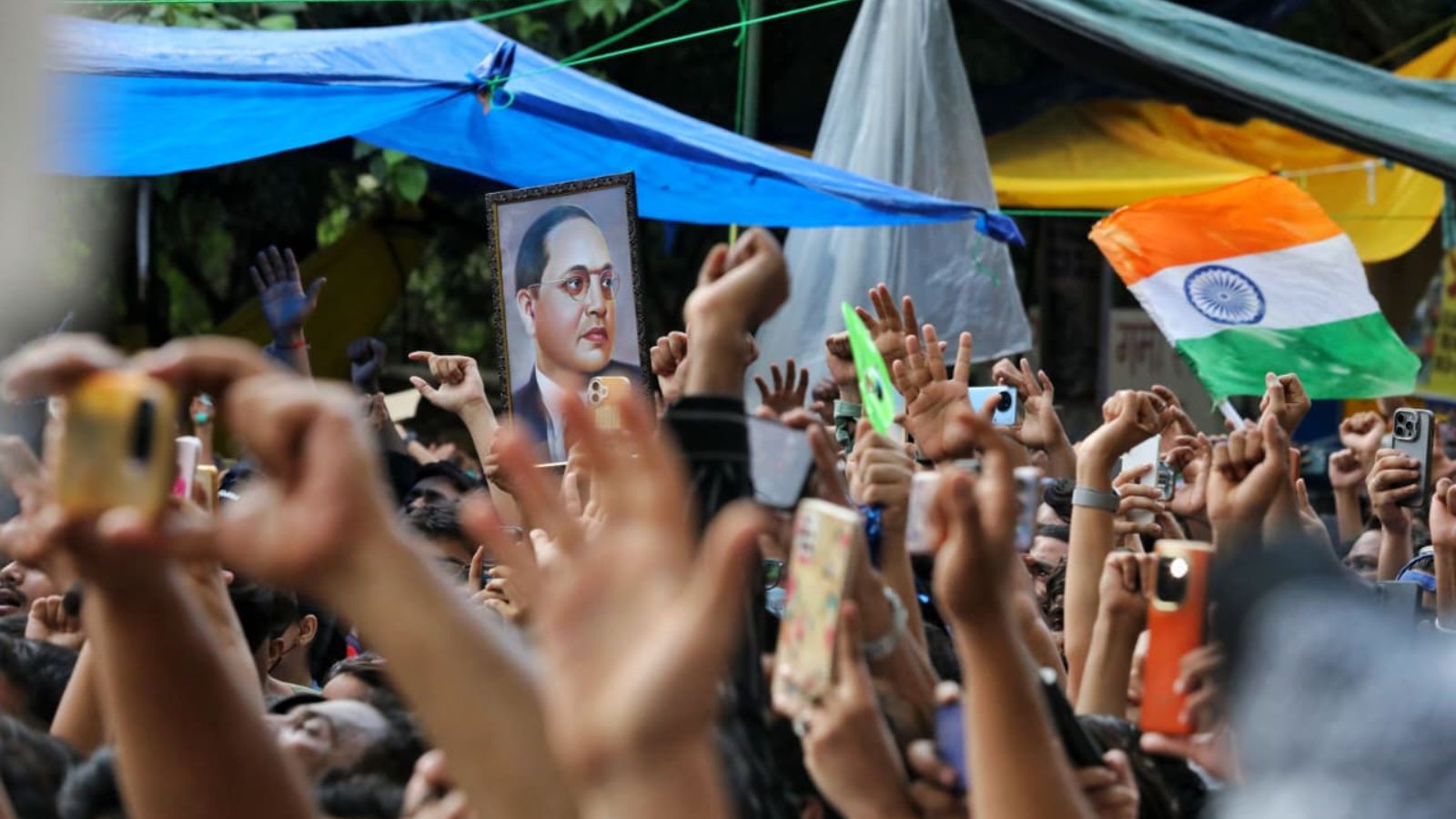
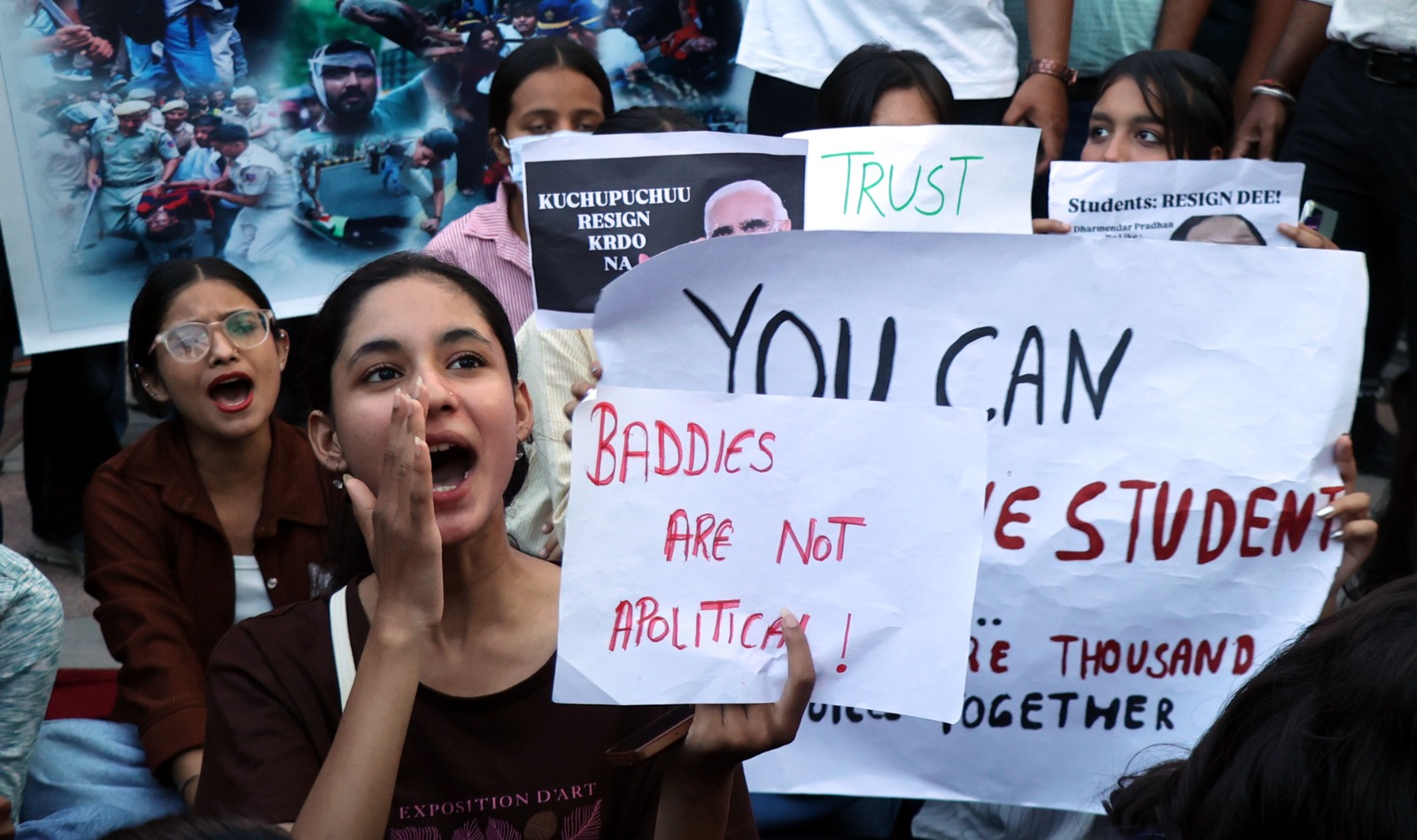
There’s no heroic recklessness — Goswami-style — going on at Jantar Mantar right now; rather, a range of polite and steely-eyed youth staying put, speaking their minds and sometimes jeering at the powers that be. Since we’re in the season of civil disobedience it is worth asking, is there a specifically right way or perfect cause, to rebel against? At its core, rebellion is recognised as a righteous assertion of human rights when faced with societal ills. The abiding principle is that we need freedom which broadens what we can do and justice, which limits what others can do to us. If we agree that to hurt others for a cause is wrong, outright self-destruction like Goswami’s is lamentable, too. Alas, in the world of the nihilist force is the only law. But the teen suicides post the NEET exam leak occurred from a place of genuine anguish — parents go into debt paying for tuition and students spend painstaking years cramming the syllabus. That crushing blow to their ambitions has stirred the passions of an angry generation, which, in turn, has changed how older Indians suddenly view Gen Z — with compassion and respect.
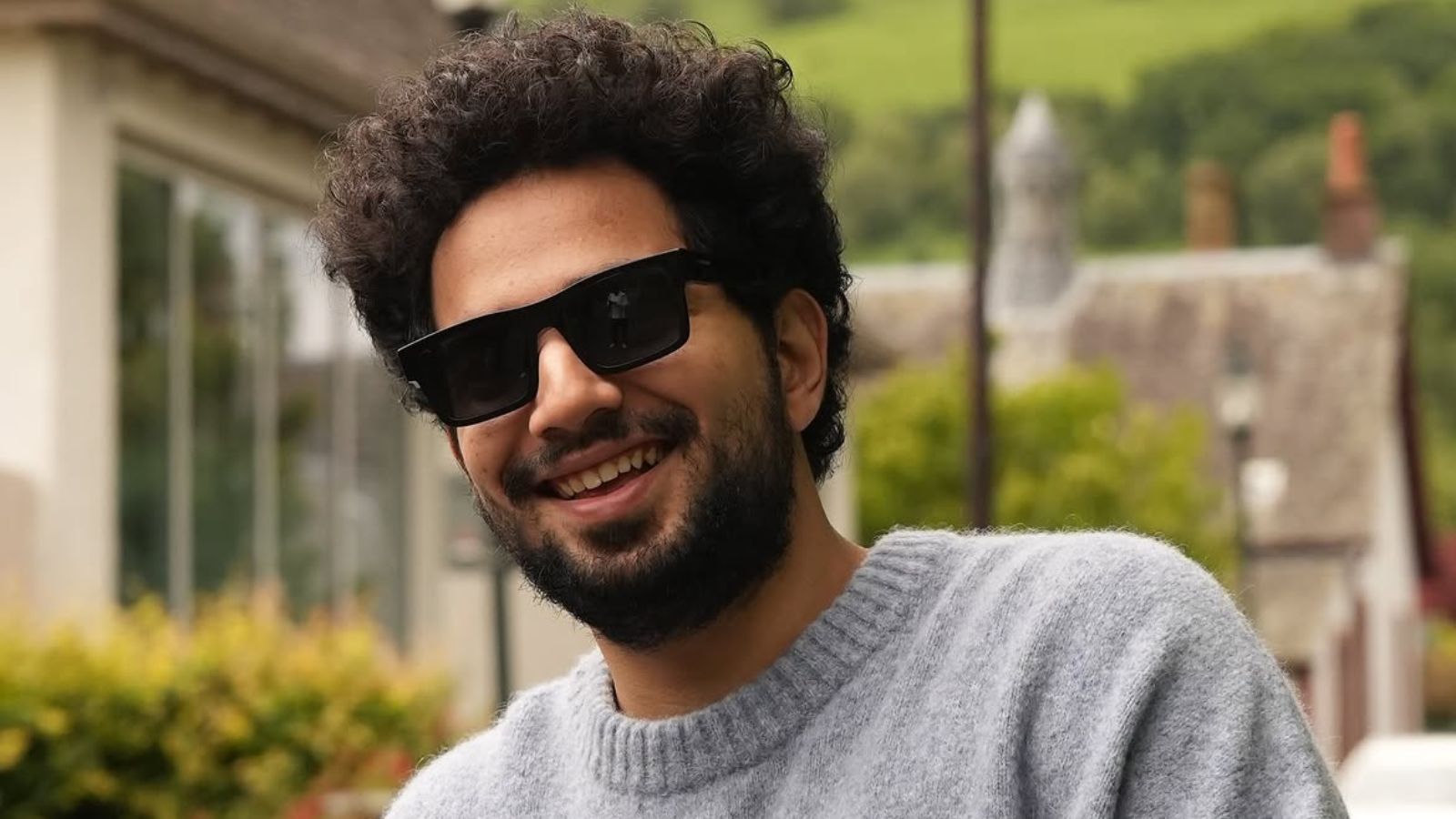
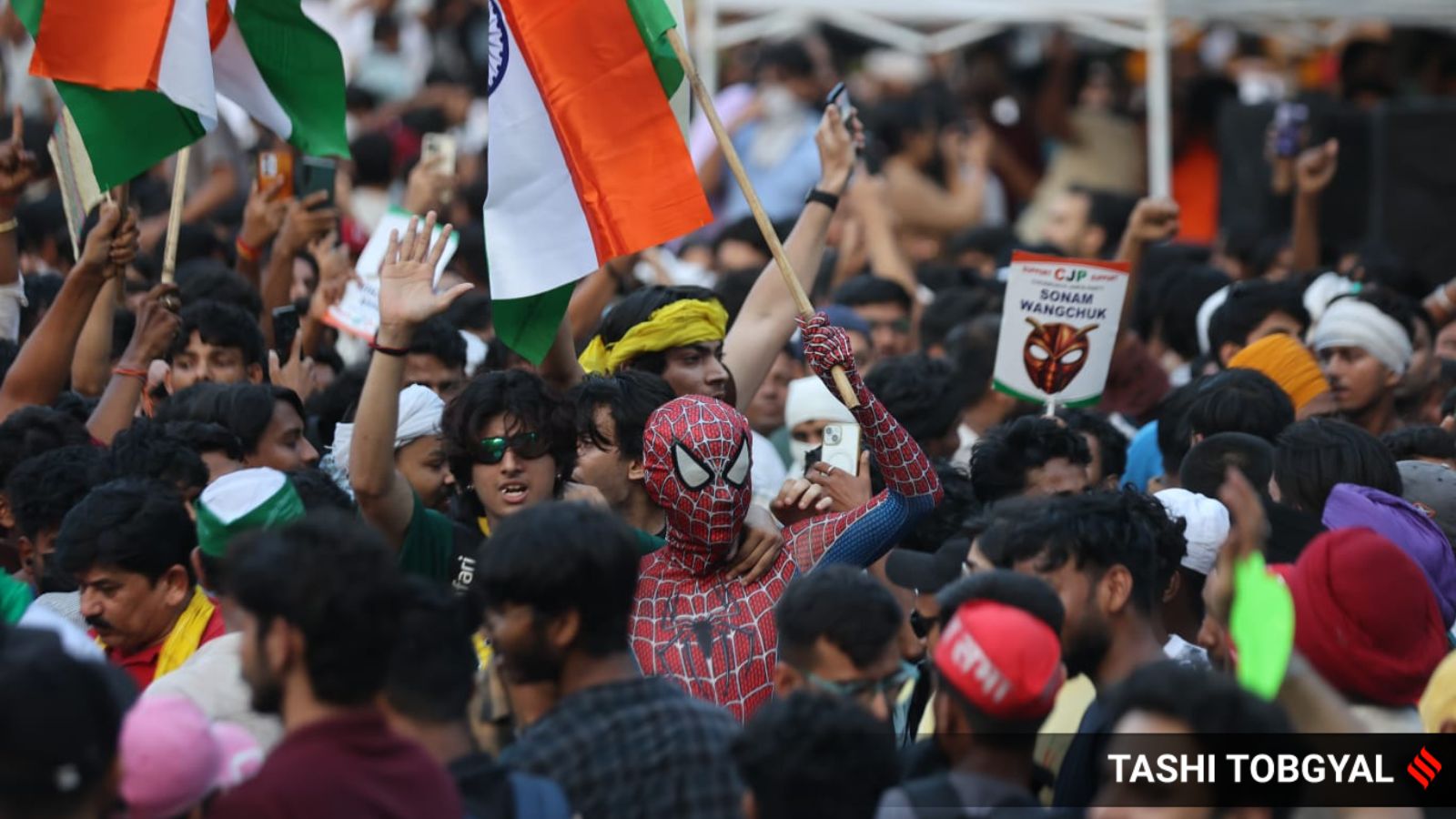
The grand Indian upper-middle-class aim has always been to lead a relatively unrestricted life which means being as removed from political turmoil as possible. We design our careers to maximise personal autonomy, the best armour against a whimsical State. Somewhere, our children imbibe that it’s wise in India to steer clear of controversy of any kind. But it’s not like the scary subtext isn’t forever lurking at the back of our heads that today, it’s the innocent neighbour having the ED raid; tomorrow, we might be next. It’s just that it was far easier to stay in our lanes and ignore the existential questions posed by rising authoritarianism. The Cockroach Janata Party deserves credit for shaking a certain type of Indian out of this stupor. Parents are leaving work early to bring their young children to Jantar Mantar. Teachers are talking about the protest in schools. It’s a rare gesture of solidarity that everybody, rich, poor and middle class want to march alongside the students.
Going to Jantar Mantar, make no mistake, is uncomfortable. It’s blisteringly hot, humid, and fraught. But walking among young and passionate people, who dreamily believe they’re going to change this country, evokes fervent emotions that are both joyous and painful, forcing us to think about what we owe our community. The self gets decentered. Our own petty issues that occupy a frustrating amount of headspace magically dissolve away. Because you’re bound by a shared moral purpose, it’s easier to talk to flag-wielding strangers at a rally than it is to acquaintances at a party. We all need fresh energy sources to grow our perspectives, and there’s certainly a lot to learn from the bitter experiences of other Indians. The energy at the venue is exhilarating; it is one of the paradoxes of life that it’s only by putting yourself out there, seeing others besieged by oppressive forces but fighting back, that one feels charged and alive.
The writer is director, Hutkay Films